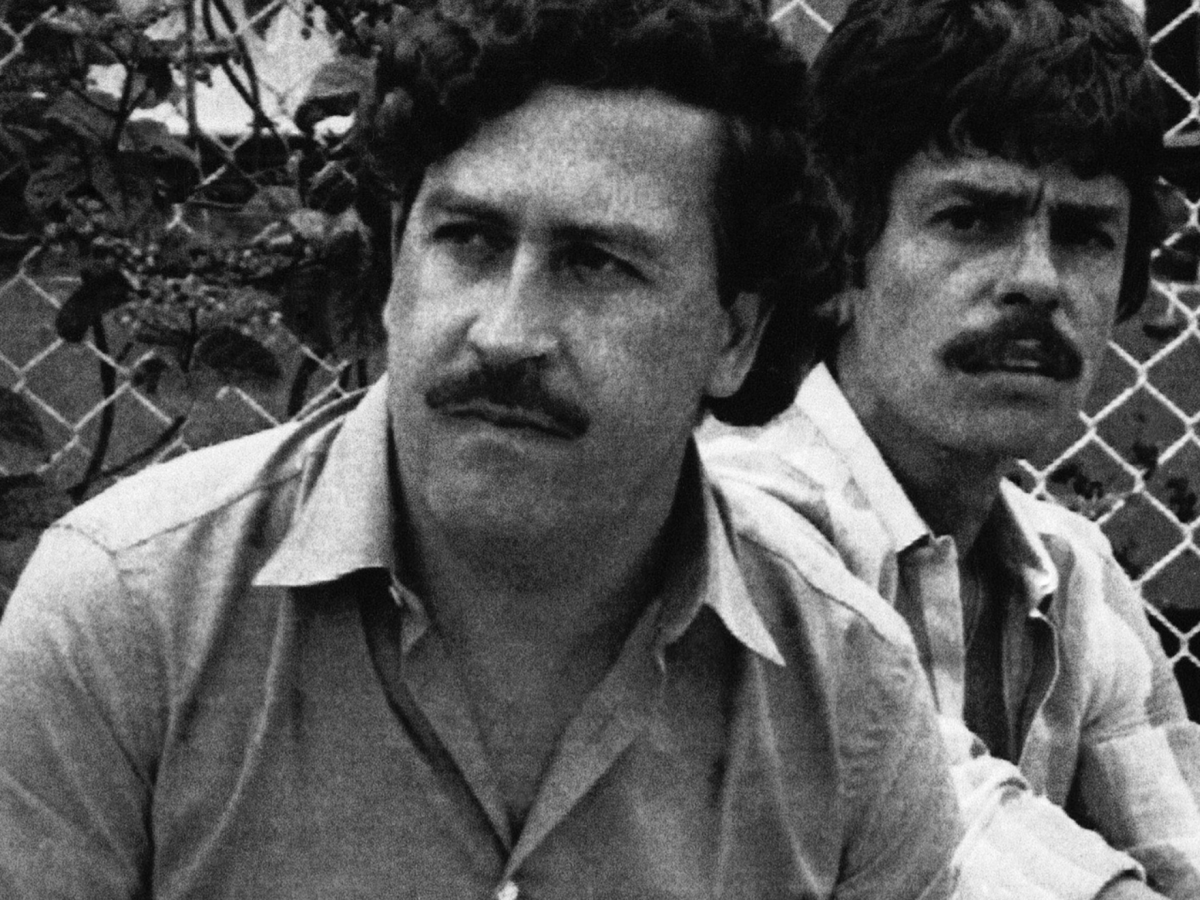
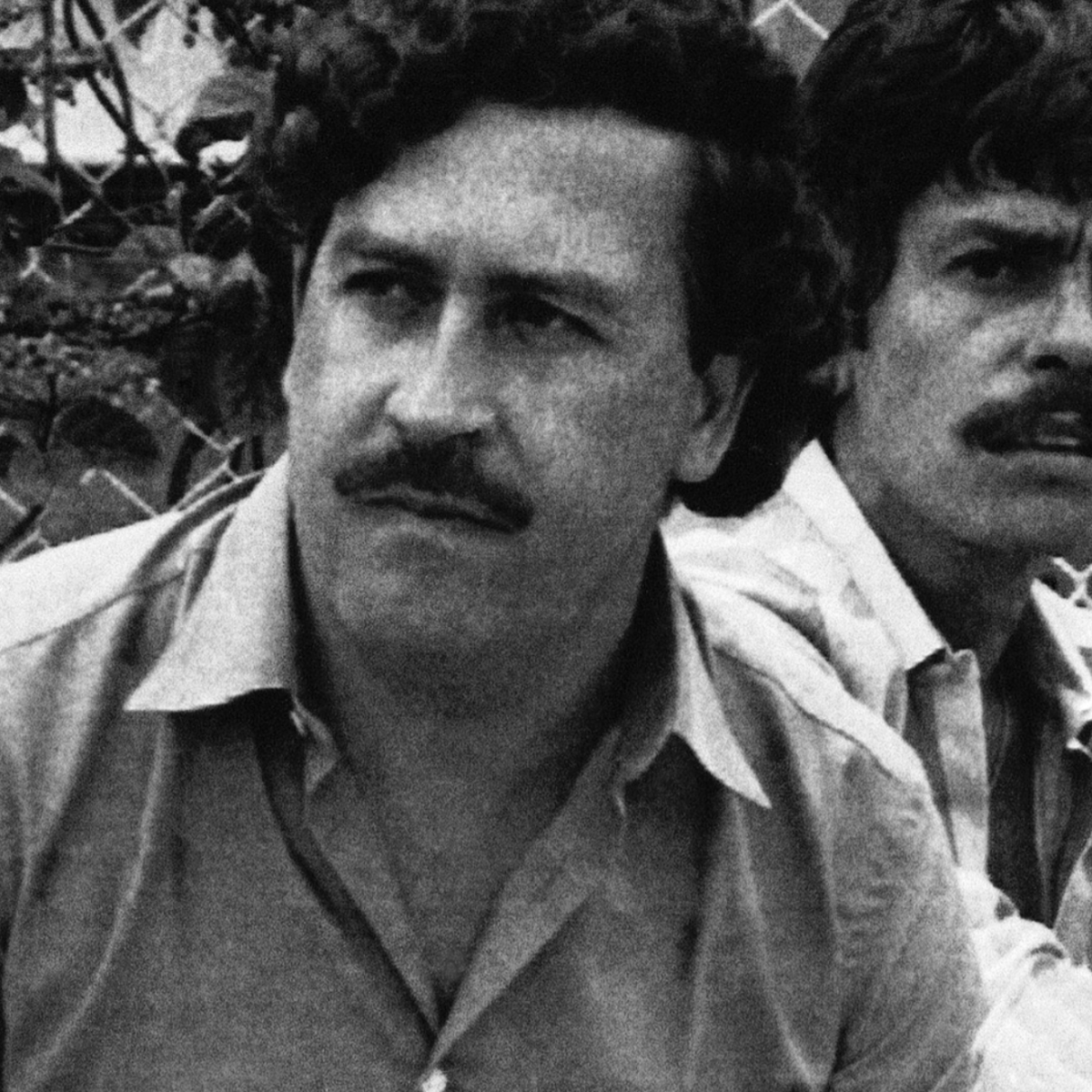
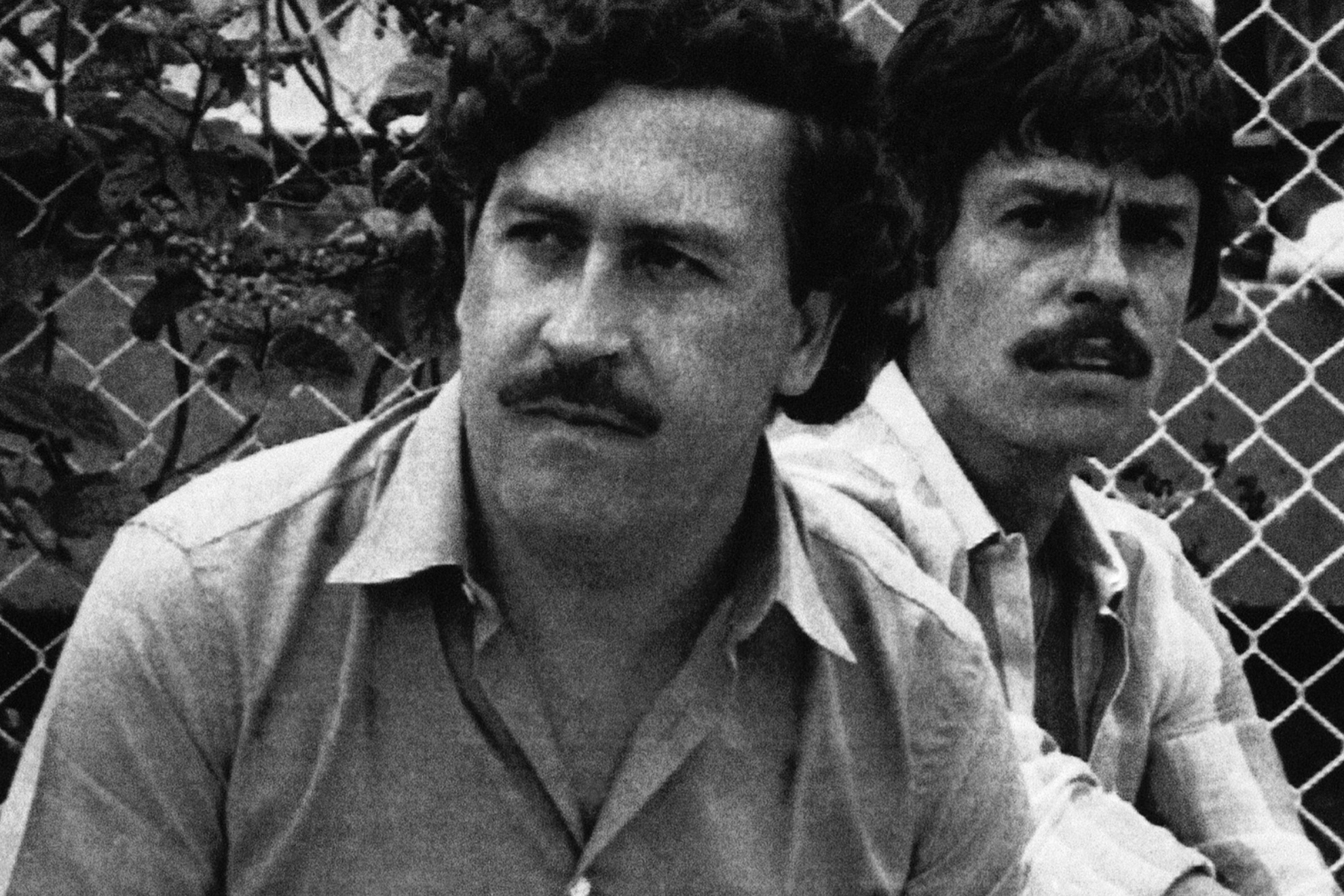
Pablo Escobar, billionaire drug trafficker: “My money served a social function and I helped my people”
In July 1991, shortly after surrendering to the Colombian authorities, the drug trafficker responded in writing to an American newspaper. In his statements, he spoke about his wealth, the legalization of drugs, and the accusations he was facing.
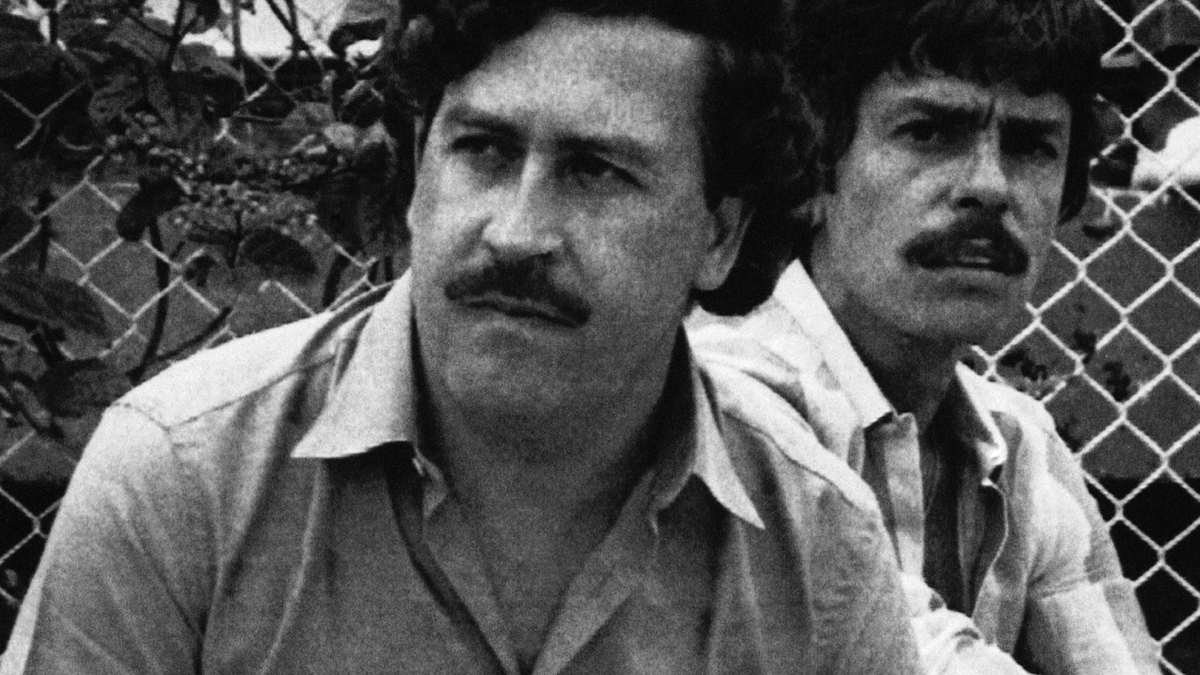
Pablo Escobar had been in custody for less than a month when he responded in writing to a series of questions from an American newspaper. The Colombian drug trafficker , who had remained a fugitive for seven years before surrendering, took the opportunity to defend his wealth and explain how he justified the impact of his money on society.
"My money had a social function and I helped my people," he stated in one of his responses. The phrase was part of a series of statements published by The Washington Times and reproduced by Deseret News on July 17, 1991 . In them, Escobar offered his own version of his fortune and his criminal activity.
Pablo Escobar's defense from prison
The questionnaire included 35 questions and was answered in writing . According to the publication, the responses bore the drug trafficker's signature and fingerprint, verified by sources in Colombia. Escobar claimed that he had a clear conscience and stated that he was willing to pay for his mistakes if he was found guilty.
He also defended the idea that his money had benefited the people around him. His claims contrasted with the serious accusations against him of drug trafficking and murder. In any case, it was his own justification and not an independent verification of where his fortune had ended up.
What he thought about the legalization of drugs
Another issue he addressed was the fight against drug trafficking. Escobar believed that legalization was the best alternative to put an end to the cartels' business and defended education as a tool to reduce drug use.
"If there is no consumption, there will be no traffickers," he maintained in his responses. He also questioned anti-drug policy and rejected the idea that South American drug traffickers were responsible for manufacturing crack in the United States.
Why Pablo Escobar was in prison in 1991
Escobar had surrendered to the Colombian authorities on June 19, 1991, along with 12 other members of his organization. The decision came after seven years as a fugitive and amid negotiations with the Colombian government to avoid his extradition to the United States.
At that time he remained confined in an especially fortified prison near Envigado, his hometown. It was not a conventional prison. It was one of the conditions of his surrender to the Colombian authorities on June 19, 1991, in exchange for avoiding his extradition to the United States. Among the charges he faced were his alleged responsibility for the murder of 215 Medellín police officers and nine indictments in the United States related to drug trafficking and homicide.
At that time he remained confined in La Catedral , a facility that had been designed to his specifications and offered highly unusual privileges for a penitentiary center, from recreational facilities to restrictions on the entry of police and military authorities.
Despite the seriousness of the allegations, the drug trafficker stated that he wanted a public trial and asked that those who accused him of being behind the murders of presidential candidates and left-wing leaders appear.
The responses published in July 1991 reveal the version Escobar sought to present about his fortune, his role in drug trafficking, and the accusations he was facing during his first days in confinement.