Robert De Niro, Actor: "Talent is in the choices you make"
Robert De Niro's journey illustrates how embracing personal transformation can foster resilience, especially in a world where many feel lost in their search for meaning.
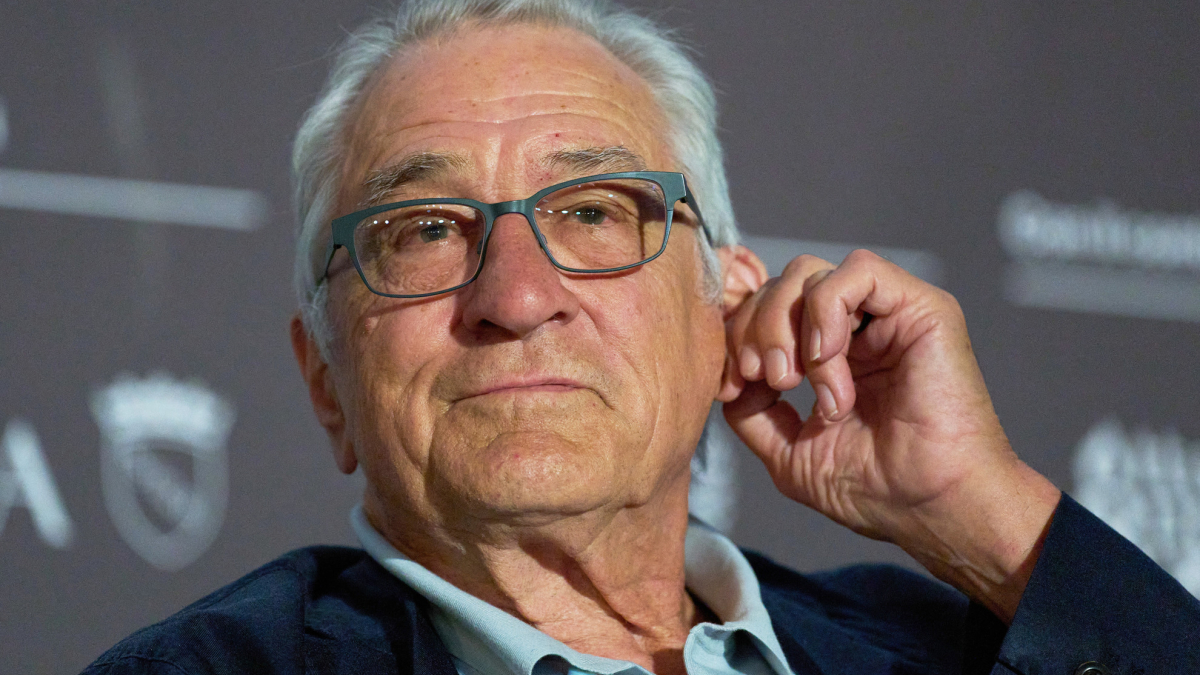
Robert De Niro's work, particularly in "Speeches," resonates profoundly in today's society, where many individuals grapple with feeling lost in life. His assertion, "Talent is in the choices you make." , highlights the struggle to find personal direction amidst the overwhelming speed of daily life and constant societal pressure to succeed. Today's hyperconnectivity fosters a sense of comparison and individualism, leading to anxiety about future decisions and a fear of making mistakes. The relevance of this issue is amplified as more people navigate the complexities of self-identity and purpose, seeking authenticity in a world filled with excess stimuli.
Furthermore, the challenges of dealing with constant pressure, from career demands to the pervasive influence of social expectations, often leave many feeling inadequate and disconnected. De Niro's emphasis on embracing one's choices and mistakes serves as a crucial reminder in an era where the pursuit of perfection can lead to burnout and self-doubt. As individuals increasingly confront insecurity and the struggle for balance, De Niro's insights offer a pathway to self-acceptance and resilience, making his reflections on life particularly pertinent in our contemporary landscape.
Talent is in the choices you make.
To understand the problem of feeling lost in life, the thought of Robert De Niro offers a particularly interesting perspective. His insight into the search for personal direction and meaning reflects the impact of early life experiences on career choices. De Niro's upbringing in a family of artists not only shaped his identity but also illustrates how personal history can influence one's path, resonating with those who struggle to identify their own career trajectories based on similar formative experiences.
Choice and Talent in Robert De Niro's Philosophy
Robert Anthony De Niro, born on August 17, 1943, in New York City, is a celebrated American actor and filmmaker known for his versatile performances across diverse genres. Widely considered one of the greatest actors in cinema history, De Niro's intense method acting has earned him numerous accolades, including two Academy Awards for his roles in "The Godfather Part II" and "Raging Bull." His collaboration with iconic directors like Martin Scorsese has shaped the landscape of American cinema, helping to elevate his stature as a revered figure in the industry.
De Niro's thinking is heavily influenced by early life experiences, mentorship, and the profound role of authenticity in acting. He believes that childhood shapes career paths and that mentorship is vital in the arts, as demonstrated by his collaborations with esteemed directors such as Martin Scorsese and Brian De Palma. His commitment to method acting underscores the necessity of deeply understanding characters at a physical and psychological level, making authenticity a cornerstone of his approach. This philosophy relates to broader themes in the arts, emphasizing the importance of authenticity and personal expression for both audiences and performers.
A notable quote from De Niro, "Talent is in the choices you make," encapsulates his belief in personal agency. This statement reflects the notion that while inherent talent is valuable, the conscious decisions one makes—whether in career choices, artistic collaborations, or character portrayals—ultimately shape one's success. This perspective resonates with the struggles many face in identifying career paths, suggesting that success often comes from the willingness to make bold choices and embrace growth opportunities.
Applying De Niro's philosophy in the context of modern life reflects the challenges many individuals encounter today. In the fast-paced world of the 21st century, people often grapple with uncertainty while navigating career choices. The pressure to conform to societal expectations can lead to feelings of inadequacy and fear of failure. By recognizing that talent and success are rooted in the choices one makes, individuals can engage in self-reflection to chart their own paths, cultivate authenticity, and ultimately find fulfillment in their personal and professional lives.