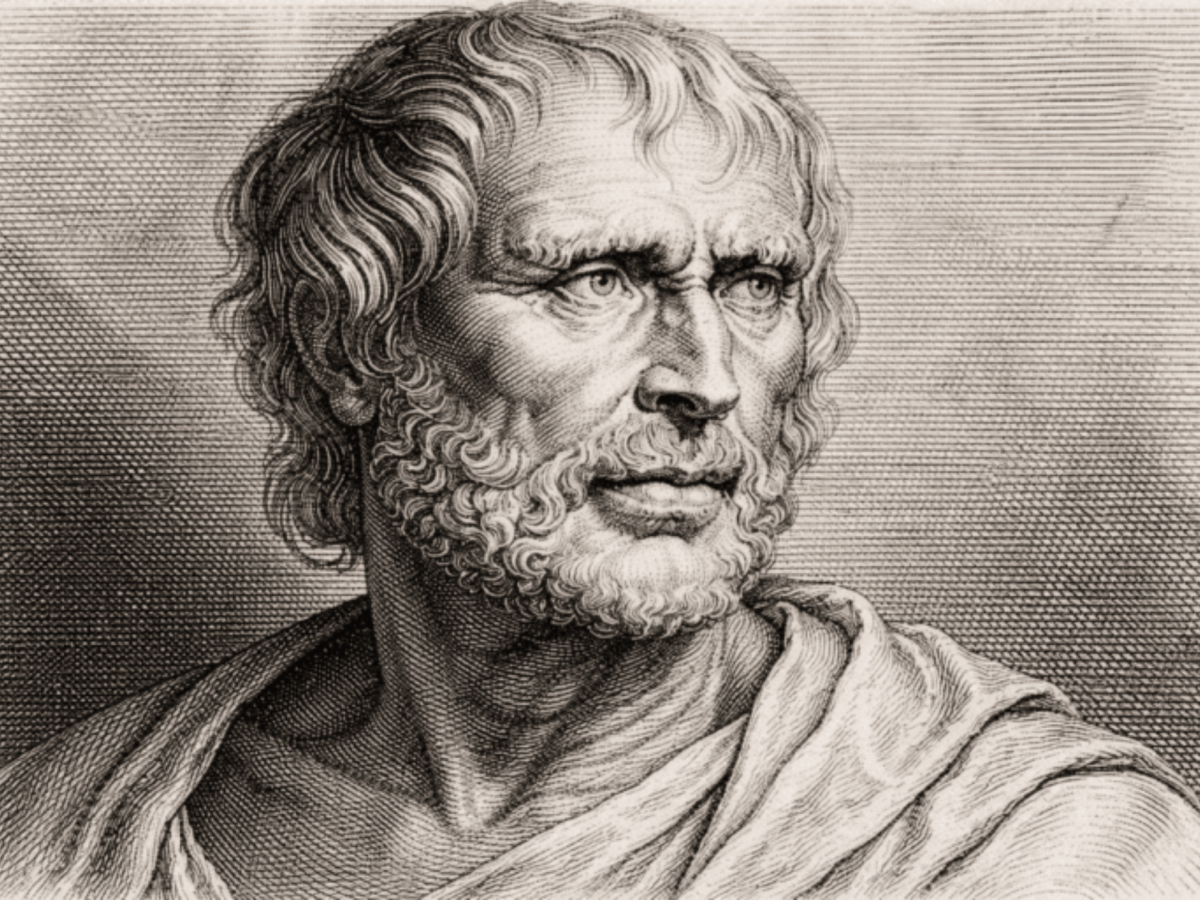
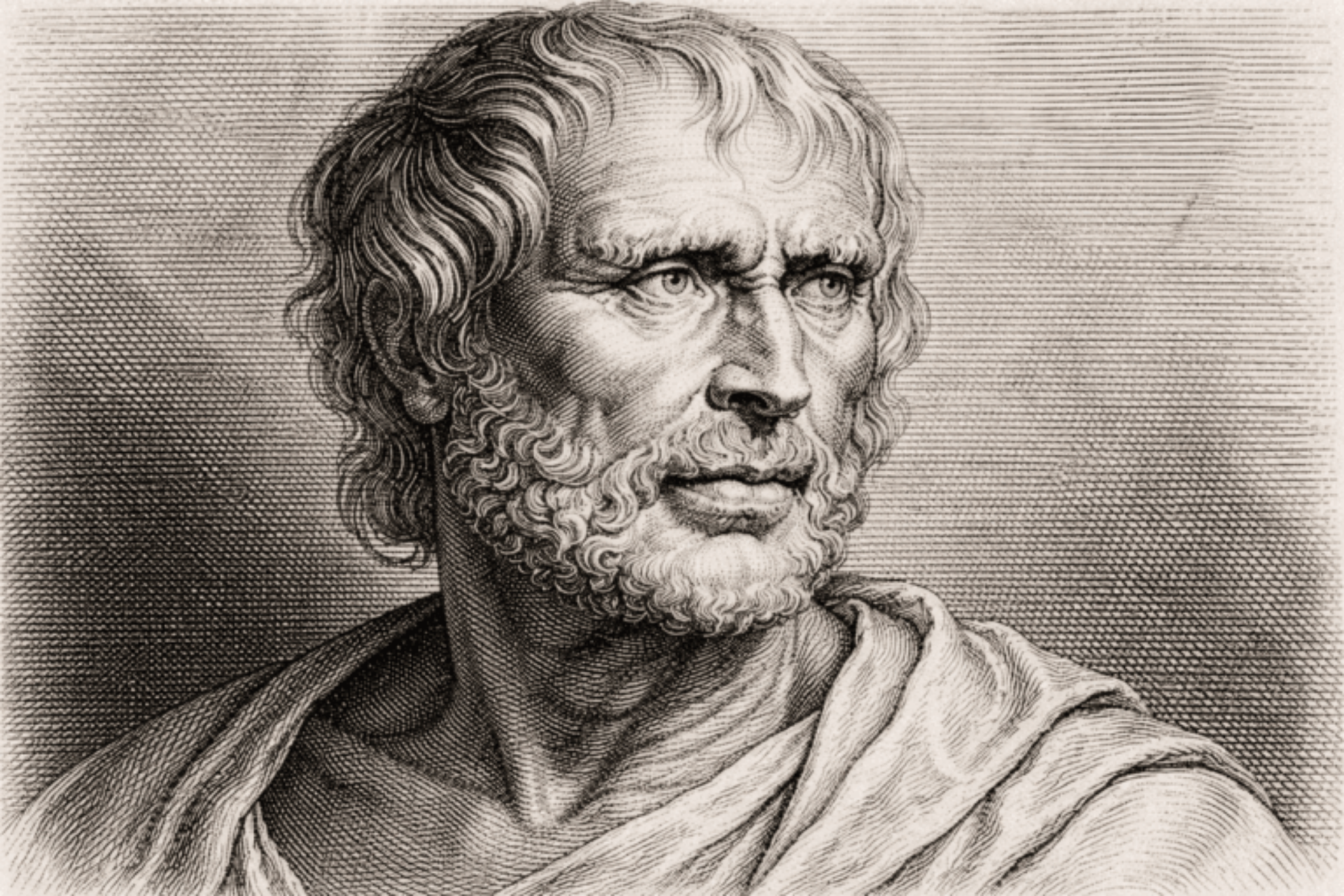
Seneca, philosopher: “Feeling safe won’t silence your anxiety if the problem is somewhere else”
Sometimes the mind keeps searching for danger even after the immediate threat is gone
A nxiety does not always disappear when life becomes more comfortable . You can have fewer problems, more stability and nothing immediately threatening you, yet still feel like something is about to go wrong. For Seneca, the answer was not always to make life safer. Sometimes, the real problem was the way the mind was interpreting what had not happened yet.
The Roman philosopher explored this idea in Letters to Lucilius , particularly in Letter 13, where he examined why people can suffer intensely from events that have not even taken place. His argument offers a useful shift in perspective: before trying to remove every possible source of discomfort, ask whether the discomfort is coming from reality or anticipation.
Your mind can turn uncertainty into a threat
Seneca understood that fear often grows in the space between what is known and what is possible. Something might happen, so the mind starts preparing for it as if it already has. That can create a strange cycle. You solve one problem, then immediately look for another . You receive reassurance, but it only works temporarily. You make your surroundings more predictable, yet your thoughts continue producing new scenarios that need to be controlled. The problem, in that case, is not necessarily a lack of safety. It is the constant demand for certainty. Seneca's advice was to examine the fear before accepting it as fact. Is there evidence that something bad is actually happening? Is the danger present, or are you reacting to a possibility? In his view, those questions matter because uncertainty gives the imagination far more room to grow.
Comfort cannot solve a problem created by anticipation
This is where Seneca's philosophy connects with the idea explored in the original Inner Tides piece, which argues that changing external circumstances is not always the most powerful response to an internal struggle. The difference is that Seneca turns the attention toward fear itself rather than desire. You can spend years trying to build a life in which nothing surprises you. But uncertainty is part of being alive, and no amount of planning can completely remove it. The more useful question may be what happens when uncertainty appears. Instead of immediately asking how to make the situation safer, you can stop and separate the event from your prediction about it. Something difficult may happen. That does not mean it is happening now. And imagining every possible outcome does not give you control over which one eventually arrives. Seneca's point was not that every fear is imaginary or that genuine problems should be ignored. His argument was more practical: don't allow a future possibility to take away the present before you know that the danger is real. That distinction can change how anxiety is handled. If the threat is real, deal with the threat. If the threat exists mainly in your predictions, the work may have to happen inside your thinking instead. Feeling safe can be useful, but it cannot guarantee peace of mind. Sometimes the thing that needs attention is not the world around you, but the story your mind keeps telling you about what could happen next.