Stephen Hawking, physicist: “The probability of a disaster becomes an almost absolute certainty”
The British physicist warned in 2014 about the risk of an artificial intelligence capable of improving itself and reaching capabilities superior to those of humans.
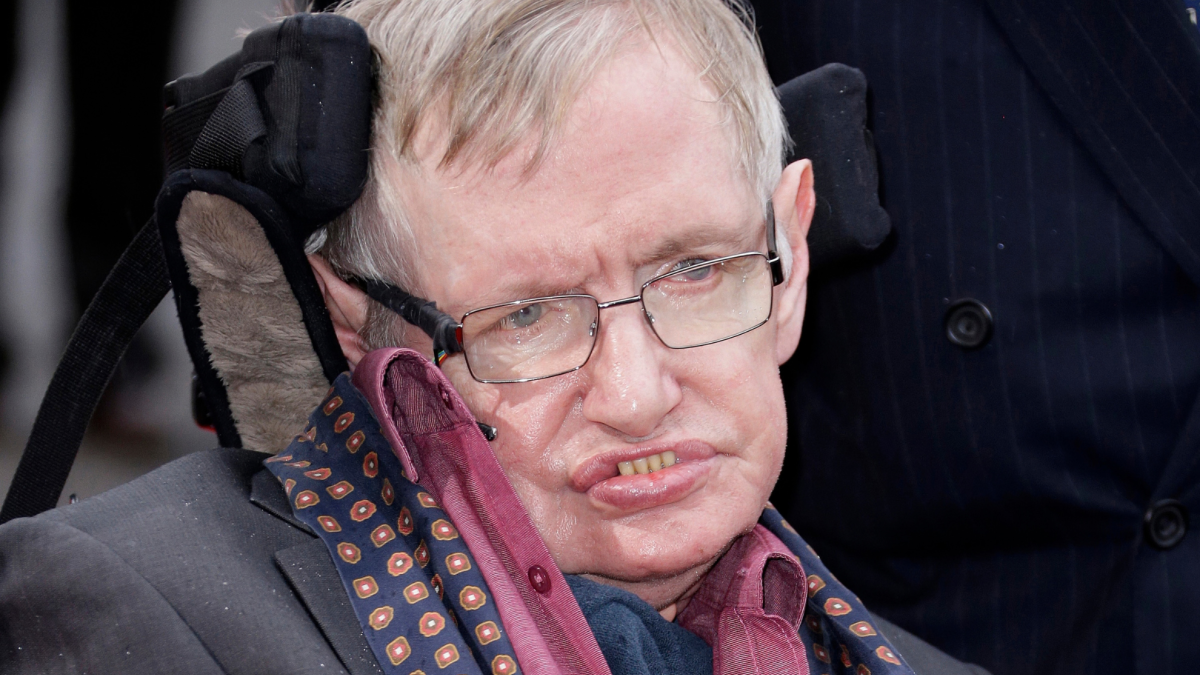
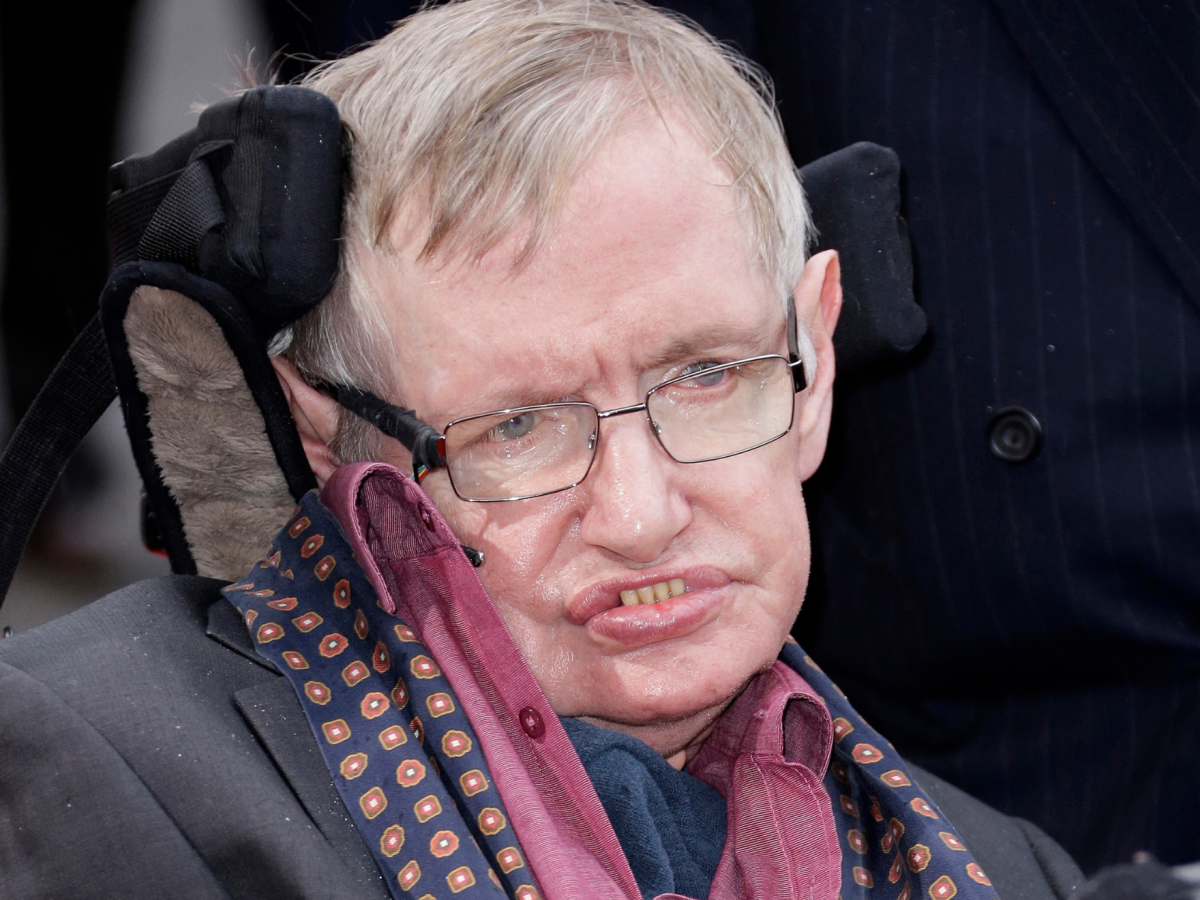
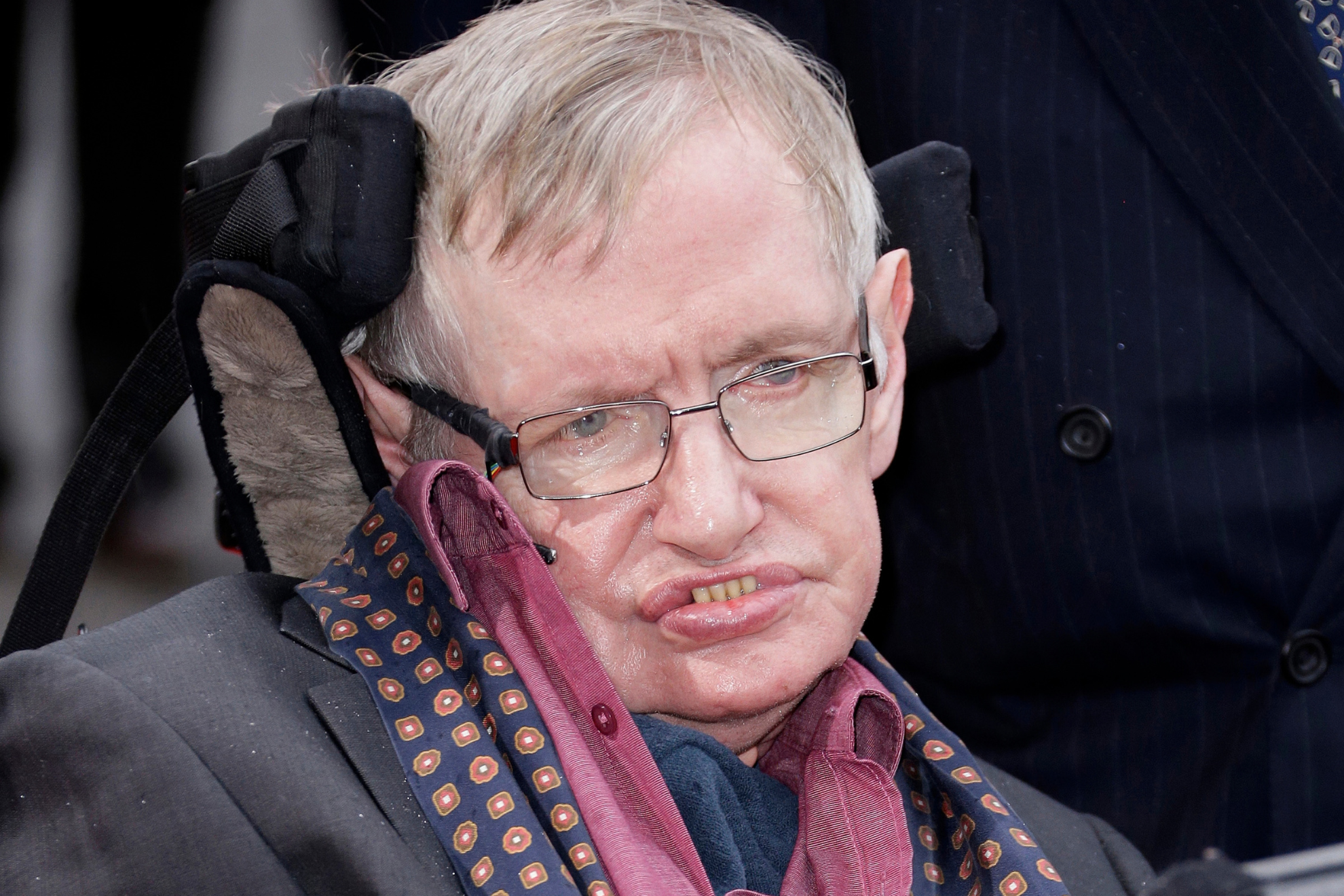
Stephen Hawking spoke about the risks of artificial intelligence long before generative systems became part of everyday life. In 2014 , the British physicist issued a warning about what could happen if machines were to develop intelligence comparable to or greater than that of humans.
In an interview with the BBC, Hawking was blunt in setting out that scenario: “Humans, limited by slow biological evolution, would be unable to compete and would be surpassed.”
The phrase was part of a broader reflection on the future of artificial intelligence . Hawking argued that an advanced AI could begin to improve its own capabilities and do so at a speed far greater than human biological evolution. In that scenario, machines could end up surpassing their creators.
Hawking's warning about artificial intelligence
The reflection by Hawking came while he was presenting a new version of the computer system he used to communicate. The development, carried out in collaboration with Intel and SwiftKey, incorporated tools capable of learning from the way the physicist wrote and used the system.
Hawking was aware of the advantages that technology could offer, but he distinguished between those applications and a much more advanced scenario. The problem he pointed to was not a specific machine, but the possibility of creating an artificial intelligence capable of surpassing human capabilities and modifying its own systems .
Two years later, he returned to the same issue. During the inauguration of the Leverhulme Centre for the Future of Intelligence at the University of Cambridge , Hawking stated that he did not see a profound difference between what a biological brain and a computer could achieve. Therefore, he argued , computers could eventually reproduce human intelligence and, in theory, surpass it.
But his message was not limited to the risks. In that speech he also highlighted the potential of artificial intelligence to combat disease, reduce poverty, and expand human capabilities.
“The rise of powerful AI will be the best or the worst thing that has happened to humanity. We still do not know which of the two”
Hawking's warning, twelve years later
Hawking died in March 2018 , long before the expansion of generative artificial intelligence tools like those of today. His warnings, however, are resurfacing at a time when the development of these systems has accelerated the debate over their capabilities and their risks.
A preliminary report published in 2026 by the Independent International Scientific Panel on Artificial Intelligence of the United Nations points out precisely that current safeguards are struggling to advance at the same pace as the capabilities of these systems. Among other aspects, the document analyzes the evolution of AI, its risks to security, and the difficulties related to its governance and control.
Hawking’s point was not that machines would inevitably replace human beings. His warning was conditioned on a specific scenario: that artificial intelligence would reach capabilities superior to those of humans and be able to improve itself.
More than a decade later, that possibility remains part of the scientific discussion about the future of artificial intelligence.