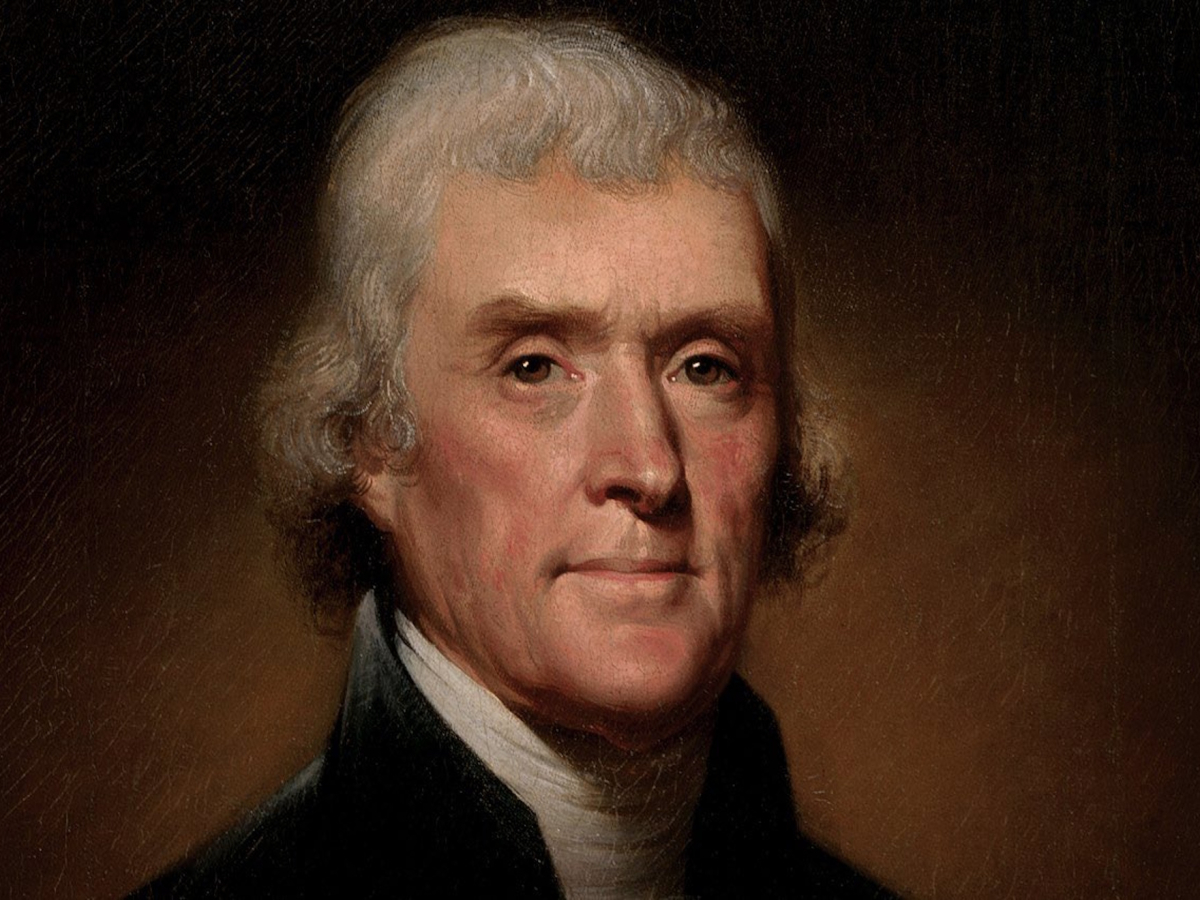
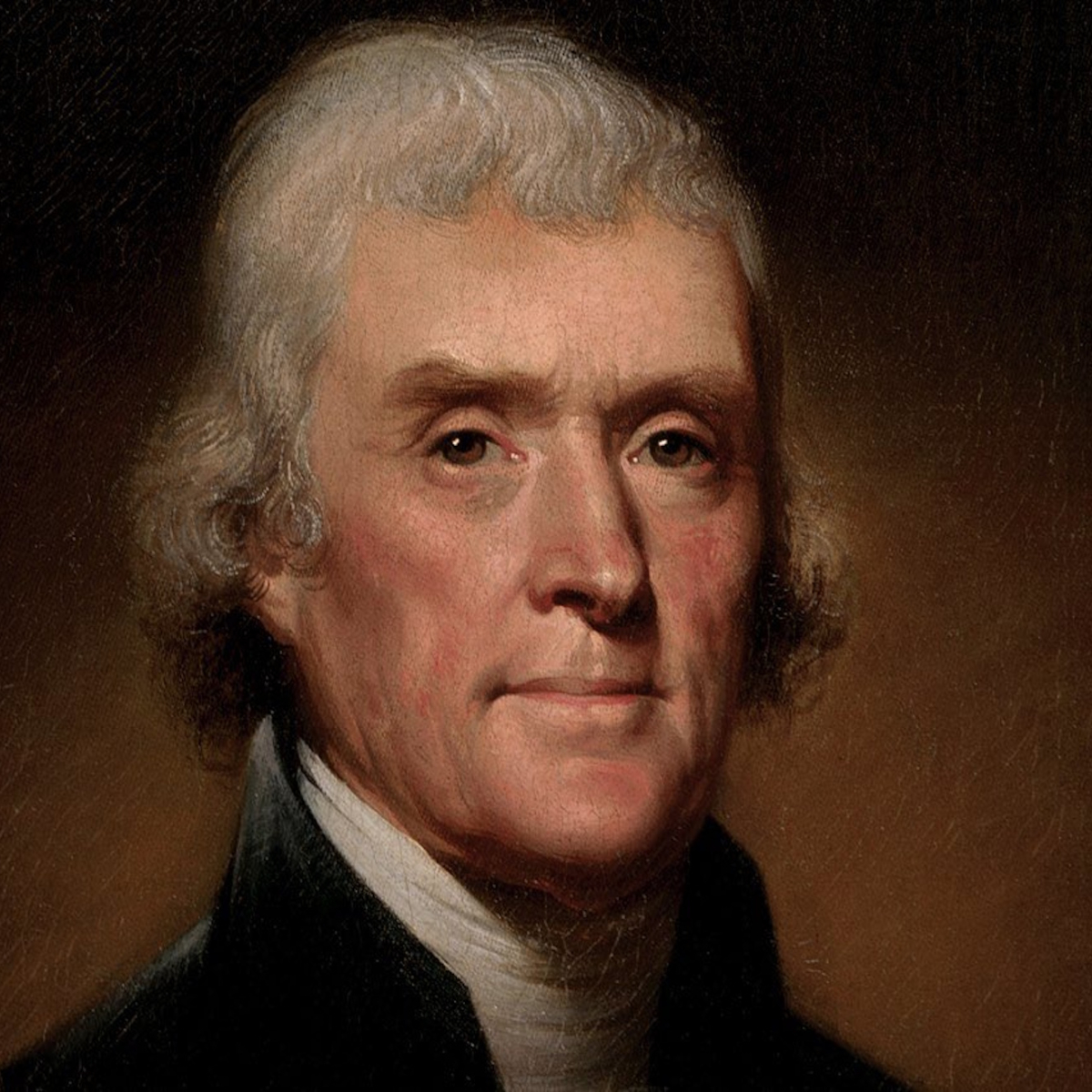
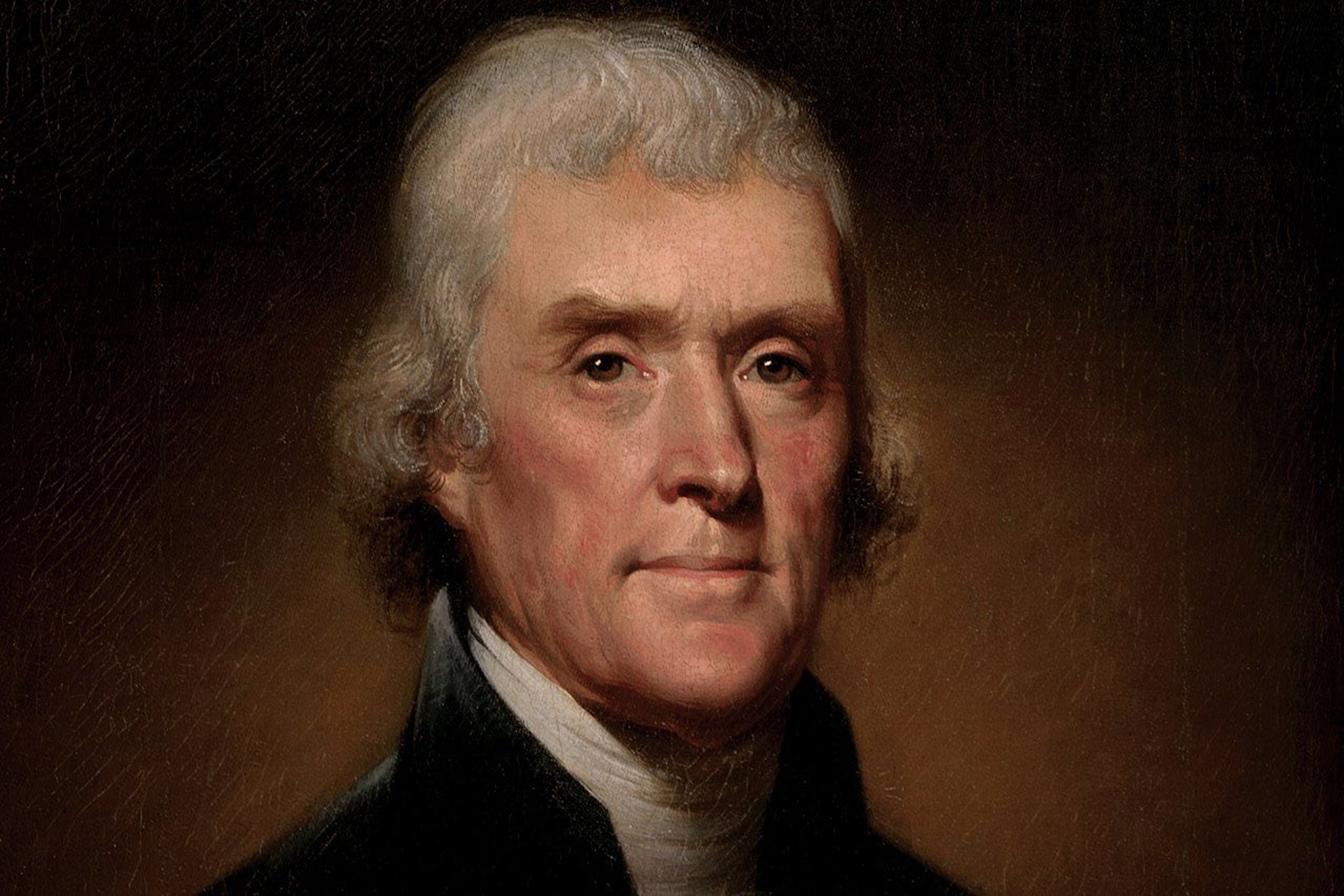
Thomas Jefferson, Politician and Philosopher: "The tree of liberty must be refreshed from time to time with the blood of patriots and tyrants"
Education for all can foster empowered citizens, especially amidst today’s struggles for equitable access to knowledge, reflecting Jefferson’s belief in its vital role for democracy.
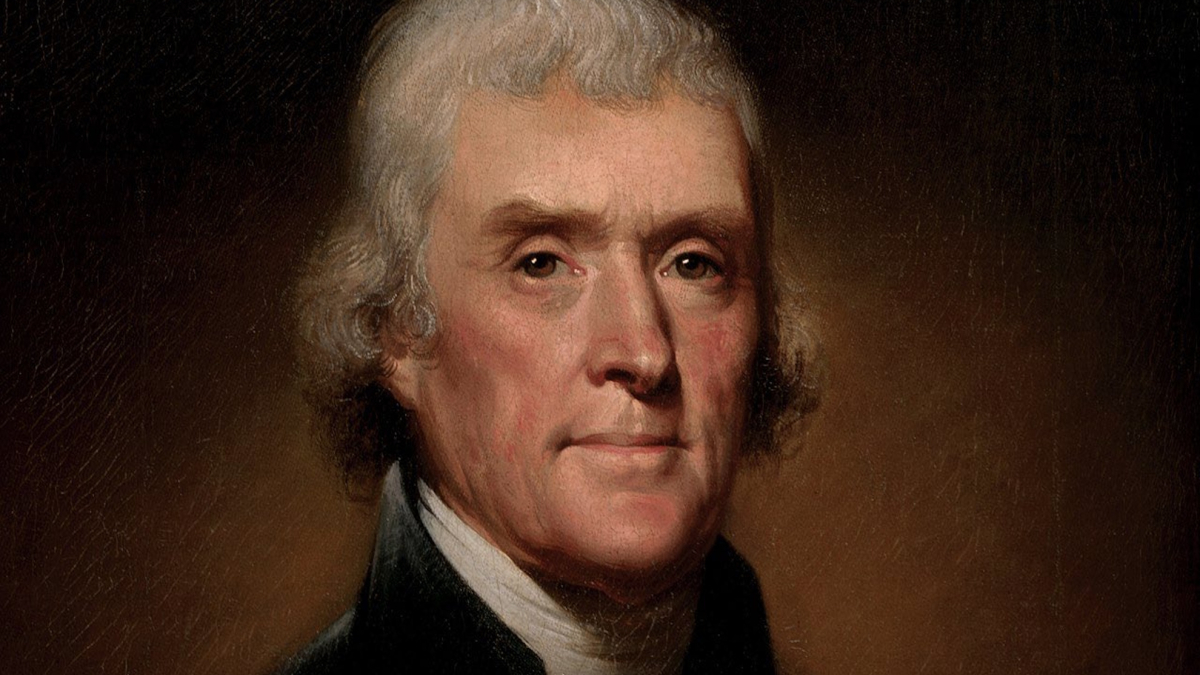
Thomas Jefferson's legacy, particularly through his work in the Letter (1787) , emphasizes civic virtue and individual rights, asserting that "The tree of liberty must be refreshed from time to time with the blood of patriots and tyrants." In today's world, where individualism and uncertainty dominate our lives, the importance of civic engagement and the pursuit of happiness are more relevant than ever. The pressures of the modern workforce and the rapid pace of daily life often leave individuals feeling lost and directionless, grappling with societal expectations that challenge their personal autonomy.
Moreover, the impact of hyperconnectivity and incessant comparisons foster anxiety, as social media platforms amplify the pressure to conform. This reflects Jefferson's belief in the necessity of understanding individual rights amidst the chaos of social change. Navigating the complexities of modern democracy calls for a renewed commitment to his principles, highlighting the continuous need for active participation in governance and the preservation of personal freedoms.
The tree of liberty must be refreshed from time to time with the blood of patriots and tyrants.
Thomas Jefferson and the Ideals of Liberty
Thomas Jefferson (April 13, 1743 – July 4, 1826) was the third President of the United States and one of the Founding Fathers, best known for his role as the principal author of the Declaration of Independence. His tenure as a political leader occurred during a formative time in American history, as he navigated the complexities of establishing a new nation grounded in democratic ideals. Jefferson’s authority stems not only from his political achievements but also from his philosophical contributions, including robust arguments for individual liberty, rights, and the importance of education—concepts that continue to resonate today.
Jefferson's intellectual framework was shaped significantly by Enlightenment thinkers like John Locke, whose views on natural rights and governance influenced his own philosophical writings. He was a strong advocate for the separation of church and state, viewing this principle as essential for safeguarding religious freedom and ensuring government integrity. Furthermore, his commitment to education as a vital component of democracy reflects his belief in the necessity of an informed citizenry. His thoughts on civic engagement and republicanism highlight the tension between governance and individual rights, contrasting sharply with the federalist ideals of his contemporaries, such as Alexander Hamilton.
One of Jefferson's most famous phrases, "The tree of liberty must be refreshed from time to time with the blood of patriots and tyrants," encapsulates his belief in the necessity of occasional rebellion to maintain freedom and democracy. This reflects his conviction that active citizenry is paramount in defending one's rights against tyranny. Jefferson's ideologies challenge individuals to remain vigilant about the protection of their liberties, signifying that the struggle for freedom is not just historical but a continual responsibility of every generation.
In the context of the 21st century, Jefferson’s words evoke reflections on civic activism and the importance of participating in democratic processes. Today's society grapples with issues such as political polarization and social injustice, where individuals often feel disenchanted with government institutions. Jefferson's assertion serves as a call to action for citizens to engage actively in civic duties, whether through voting, advocacy, or community organizing, emphasizing that the preservation of freedom relies on the collective efforts of informed and determined citizens.