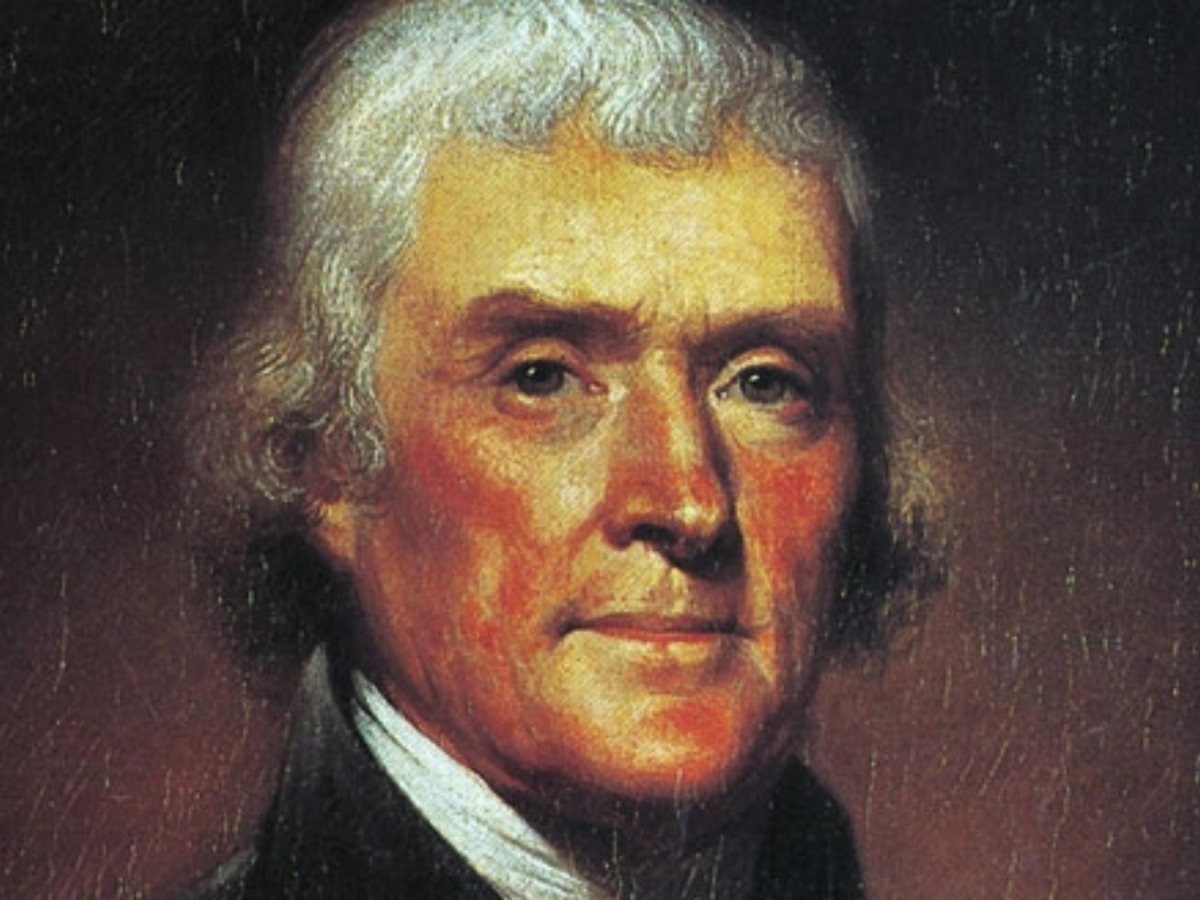
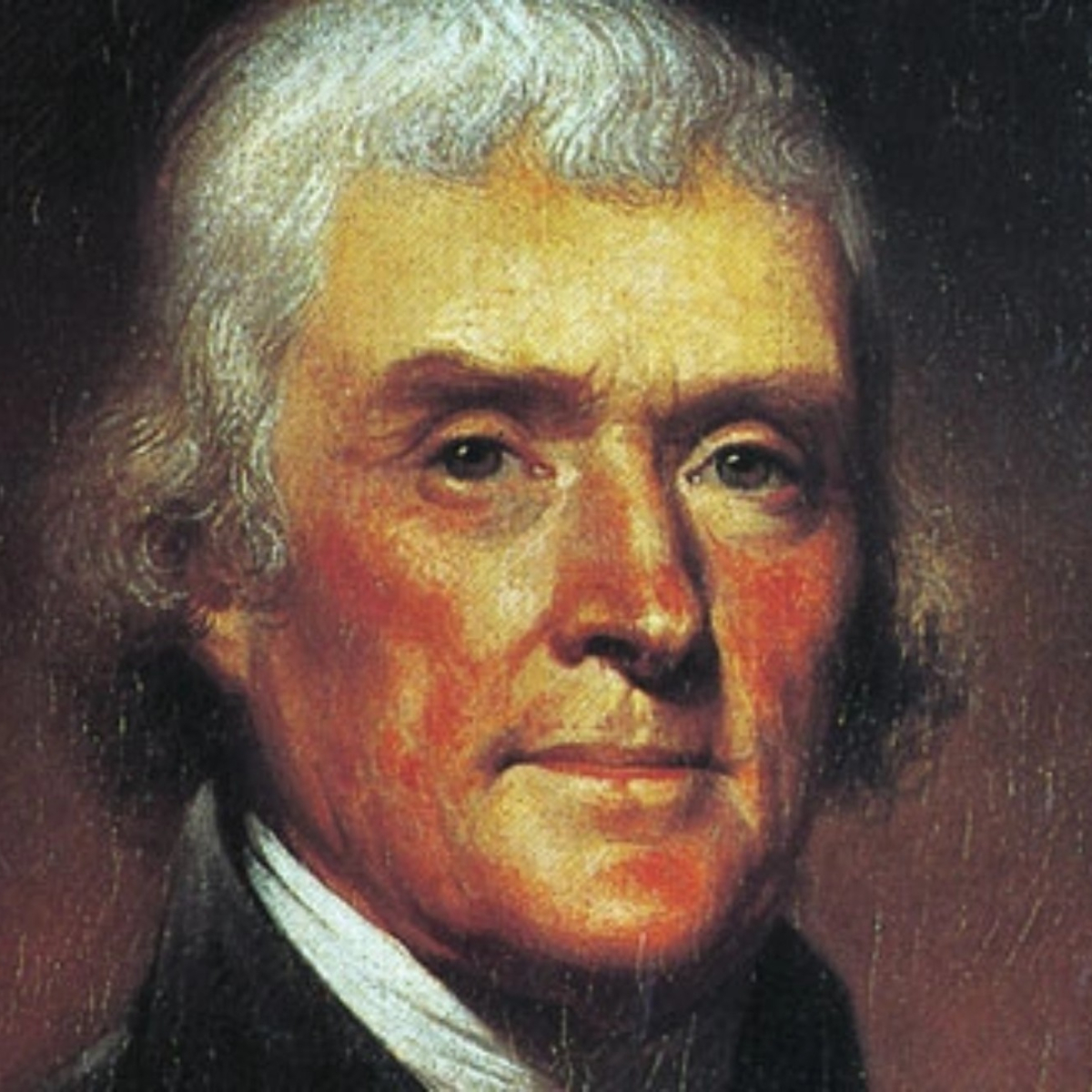
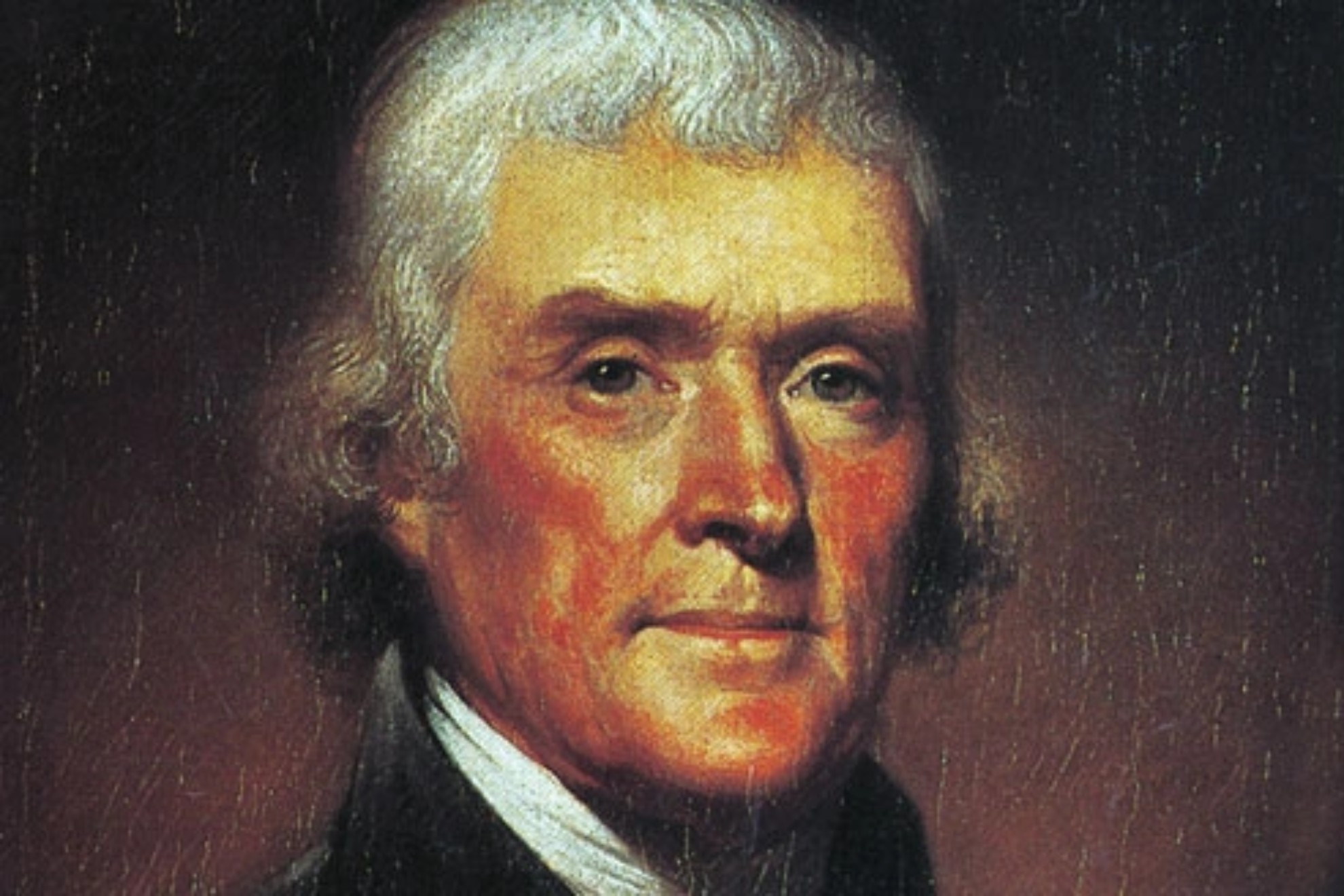
Thomas Jefferson, politician and philosopher: "When angry, count ten before you speak; if very angry, a hundred"
Jefferson's call for self-governance can inspire today's citizens seeking purpose in a world filled with disillusionment, urging us to reclaim our voices in democracy.
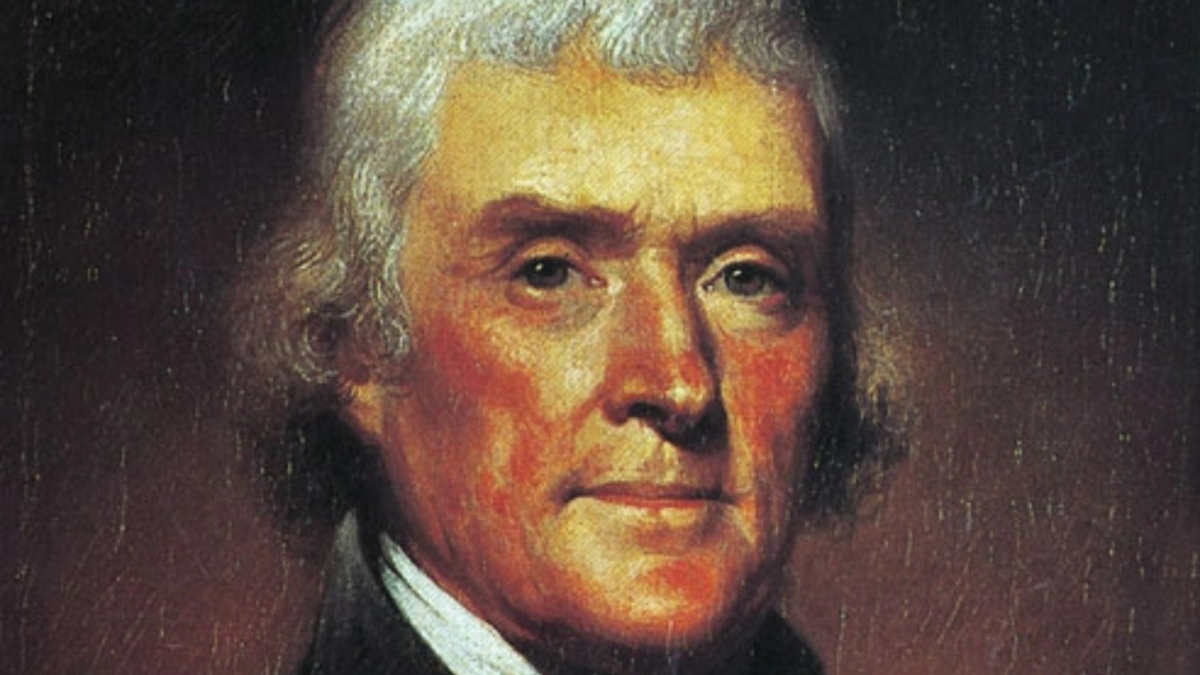
The struggle to find direction in life is a universal human experience that many face at various points. This quest often leads to feelings of frustration, as individuals grapple with their emotions and the choices they must make. In his work Rules of Conduct , Thomas Jefferson underscores the importance of self-control, suggesting that one should pause and reflect—counting to ten when angry—before responding. This insight highlights the tendency to act impulsively in moments of distress, often resulting in regret and further complicating our personal and social relationships.
Moreover, this pursuit of emotional clarity resonates with our inherent fear of making mistakes, which can paralyze decision-making. Jefferson's perspective encourages taking measured steps; by advocating patience and reflection, he promotes the idea that self-awareness leads to growth and better choices. His thoughts invite readers to confront these challenges, reminding us that true wisdom lies in understanding our emotions and responses.
When angry, count ten before you speak; if very angry, a hundred.
To understand the feeling of being lost in life, Thomas Jefferson's thought offers an especially interesting perspective. His emphasis on pursuing personal enlightenment and self-reliance reflects a central idea: the importance of individual agency in shaping one's destiny. Jefferson's belief in the power of self-governance resonates in today's search for meaning and direction in a complex world.
Thomas Jefferson: A Champion of Republicanism and Individual Rights
Thomas Jefferson (April 13, 1743 – July 4, 1826) was the third President of the United States and a key figure in American history, primarily recognized as the principal author of the Declaration of Independence. His contributions to the formation of the United States as a democratic republic are foundational, advocating for individual rights, self-governance, and the separation of church and state. Jefferson's presidency was marked by significant events like the Louisiana Purchase, which expanded the nation, and he founded the University of Virginia as a testament to his commitment to public education.
Intellectually, Jefferson’s thoughts are deeply rooted in Enlightenment principles, where reason and individual rights are paramount. His work reflects the ideas of philosophers like John Locke, emphasizing natural rights and democratic governance. Jefferson's vision of America as a "great empire of liberty" laid the groundwork for republicanism, aiming to empower citizens and ensure their participation in government. His rivalry with Alexander Hamilton exposed early partisan divides but also highlighted different ideological perspectives on governance and the role of citizens within a democracy.
One of Jefferson's notable quotes, "When angry, count ten before you speak; if very angry, a hundred," underscores his advocacy for thoughtful deliberation and self-control, important principles he believed were necessary for a functioning democracy. This perspective can be seen as a call for measured responses within political discourse and personal conduct alike, emphasizing the need for reasoned judgment over impulsiveness, a recurring theme in his political philosophy.
In today's world, the essence of Jefferson's quote resonates significantly as individuals navigate complex social and political landscapes. Whether in heated discussions about civic issues or personal disagreements, taking the time to reflect before responding can lead to more constructive dialogue. Jefferson's emphasis on self-restraint and thoughtful engagement remains relevant, reminding us that our responses can shape not only our interpersonal relationships but also the quality of democratic discourse in the 21st century.