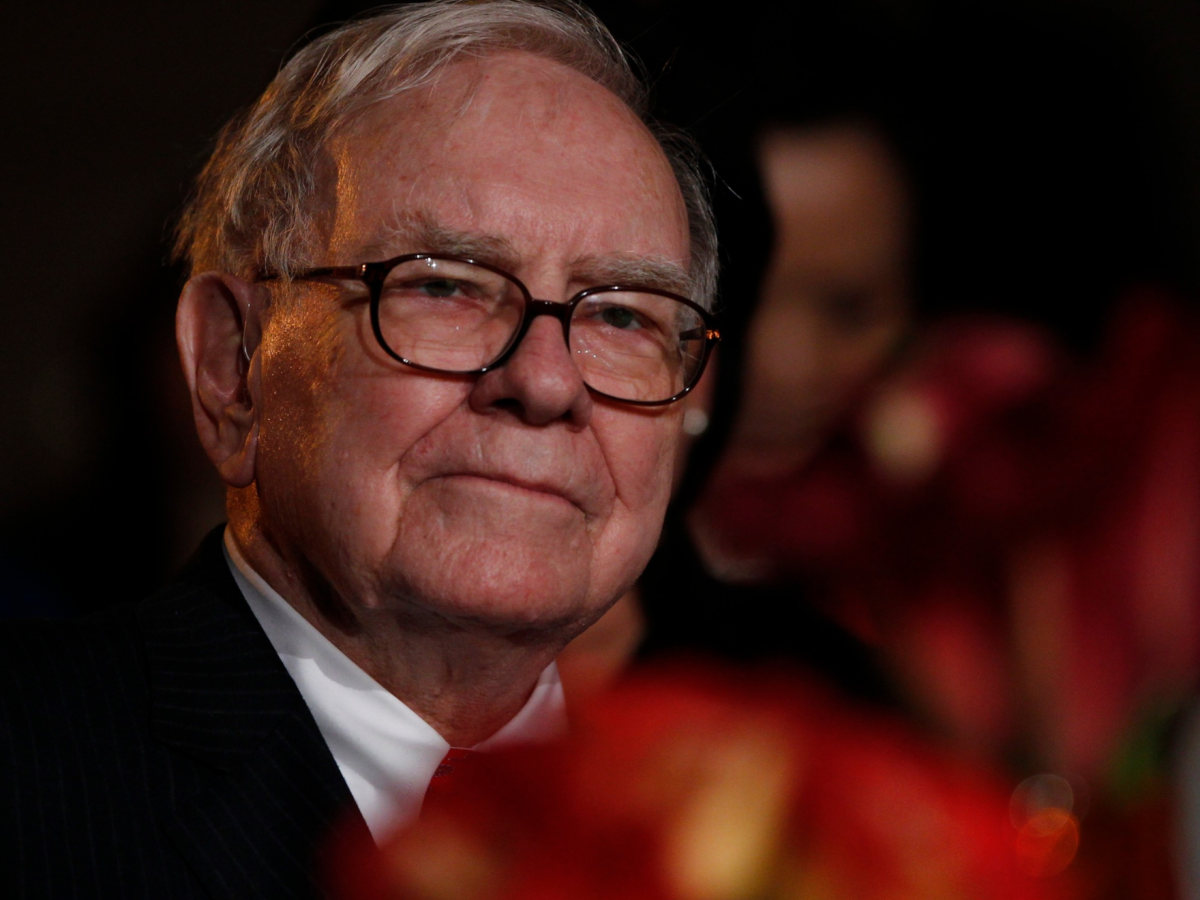
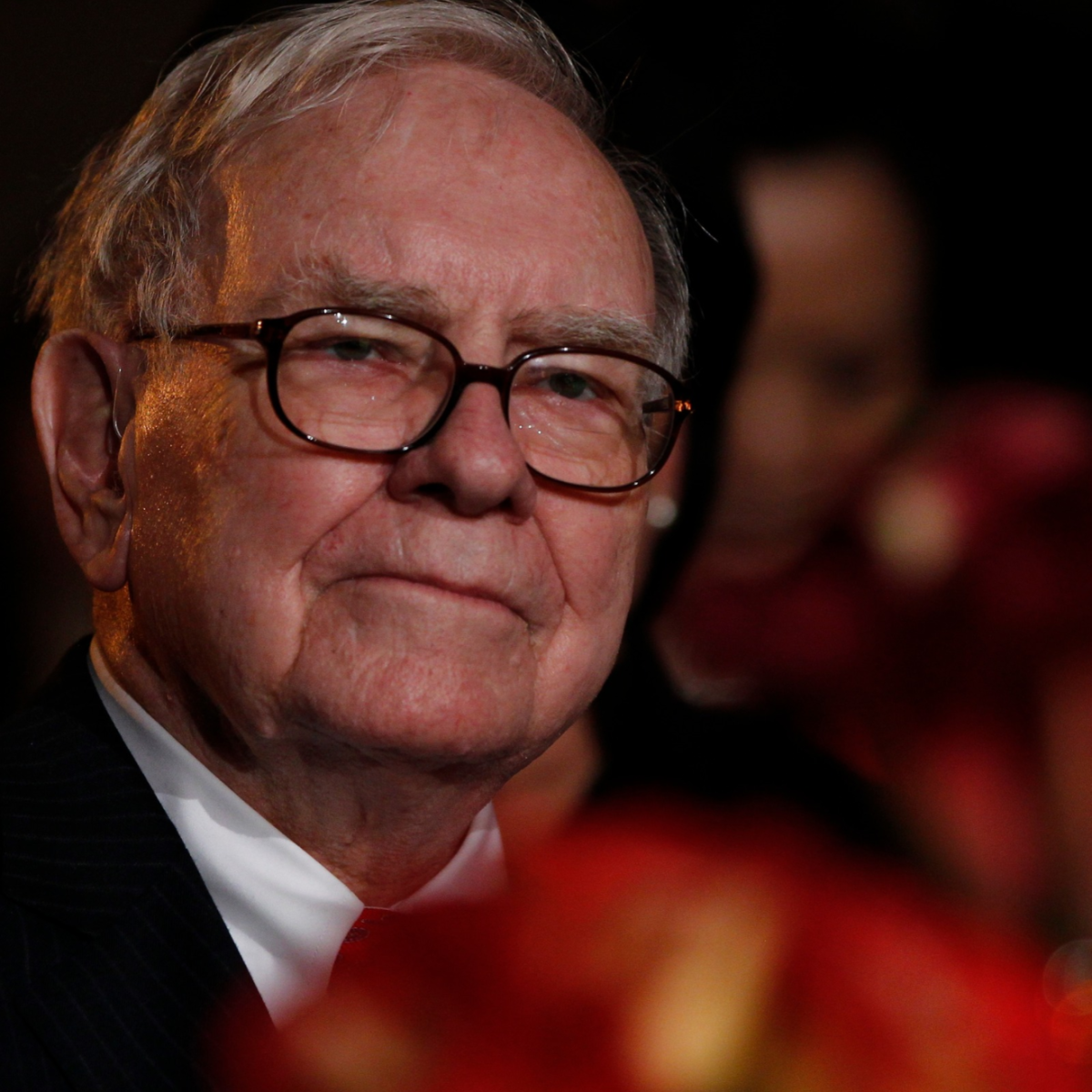
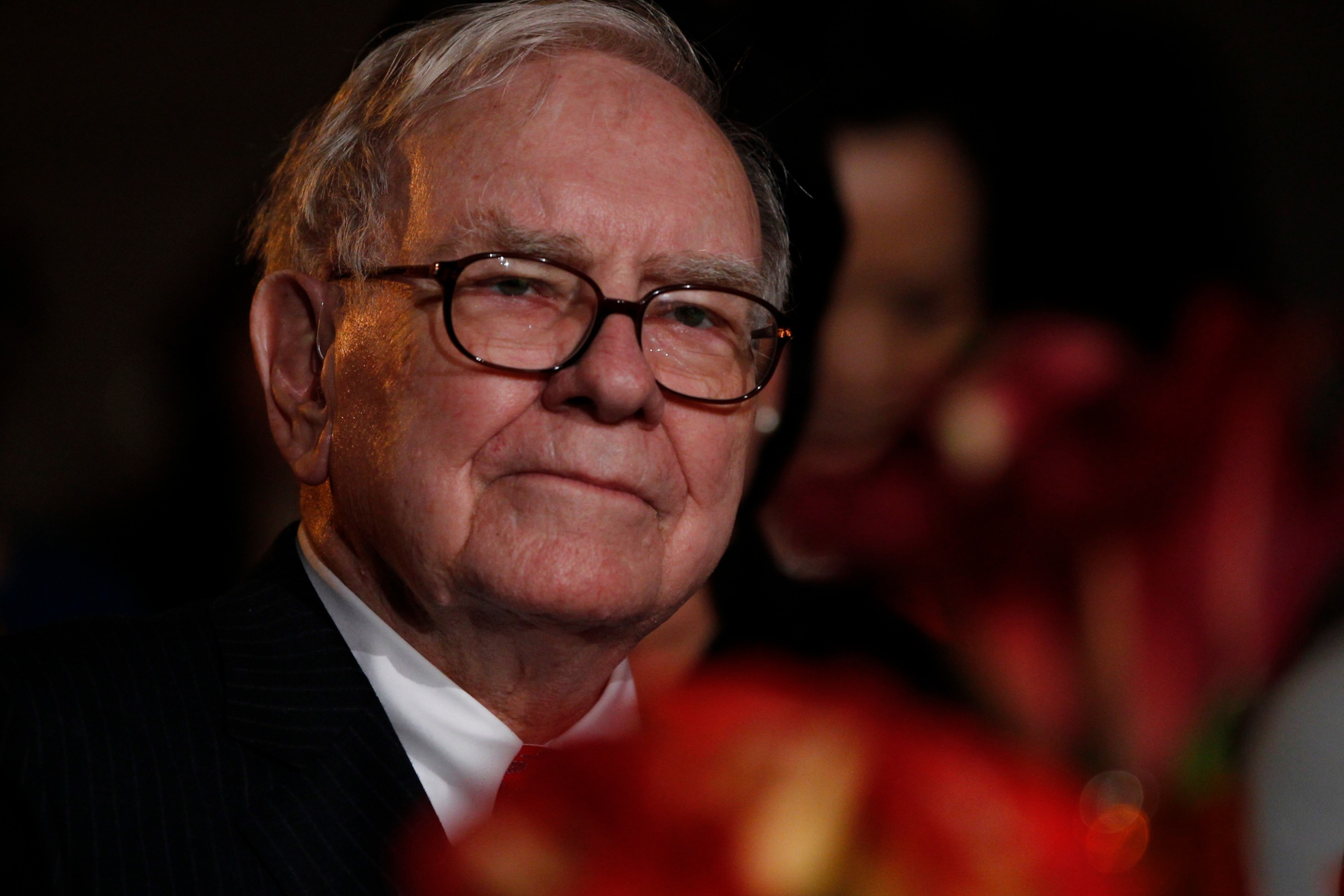
Warren Buffett, billionaire investor: "A stock market crash could be coming, but one smart move could protect investors"
The market is once again showing signs of strain, and artificial intelligence is at the center of the debate.
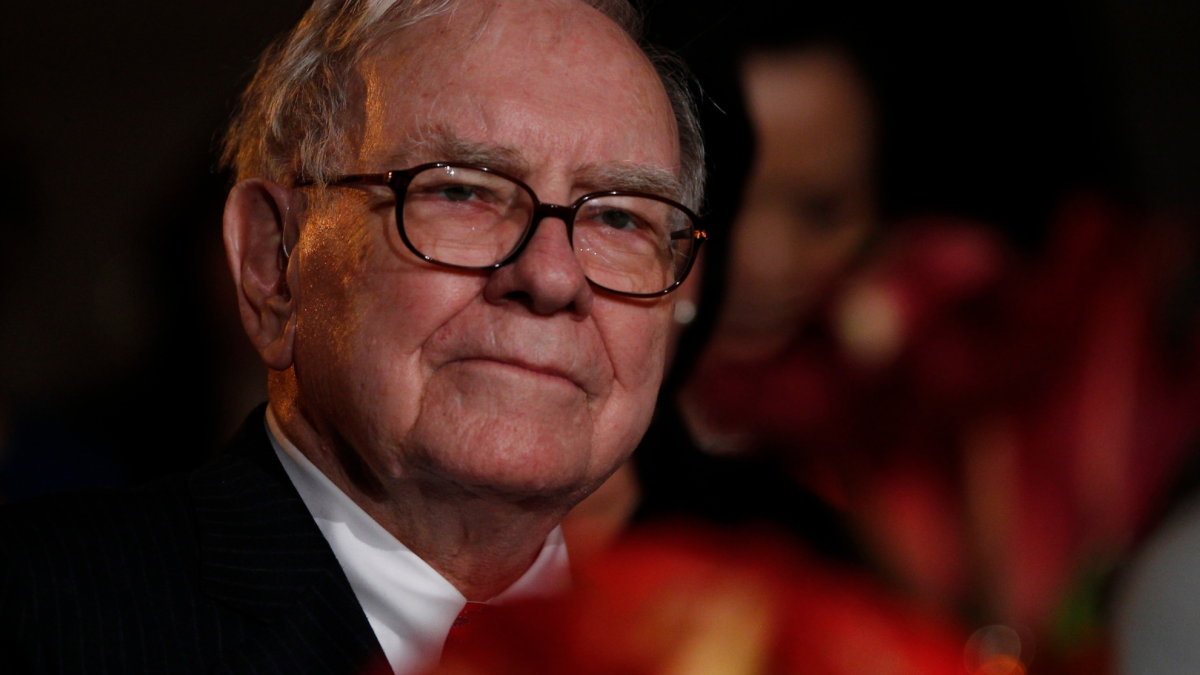
Warren Buffett returns to the debate over how to handle a possible stock market decline , although he has not predicted a new market crash.
'According to an analysis published by The Motley Fool , the S&P 500 had pulled back nearly 2% over the past week, while the Nasdaq Composite had posted a drop of more than 4%. Part of the pressure comes from the technology sector and from doubts about the enormous spending that major companies are undertaking to develop artificial intelligence infrastructure .'
That doesn't necessarily mean a crash is about to happen; it's even too early to know whether the recent volatility will be temporary or the beginning of a deeper decline. However, they are indicators worth keeping in mind.
Buffett's rule: look at the business, not just the industry
One of the ideas Buffett has repeated for decades is that an industry's potential is not enough to determine whether a company will be a good investment.
In an article published by Fortune in 1999, during the tech company boom, Buffett explained that the key was to analyze the competitive advantage of each company and, above all, its ability to maintain that advantage for a long time.
The key to investing is not assessing how much an industry will affect society, nor how much it will grow, but rather determining any company's competitive advantage and, above all, the durability of that advantage.
His reasoning is especially relevant in the current enthusiasm for artificial intelligence. A technology can transform the economy and, at the same time, not all companies related to it necessarily become good investments.
Buffett then used the image of a “moat” around a castle to describe the barriers that protect a company from its competitors. A powerful brand, lower costs, or other advantages that are difficult to replicate can allow a business to maintain its position and profits for years.
A good company can also be a bad investment if you pay too much
The other element that is often left out of conversations when an industry is in vogue is price.
Buffett has insisted that the quality of a business and the price of its shares are different matters. A company may have excellent prospects and still become a bad investment if the market demands paying too much for it.
That principle is especially important when enthusiasm leads investors to value companies based on very high future expectations. The growth of an industry does not guarantee that all of its companies will capture that growth or that their shares are being bought at a reasonable price.
That is why Buffett's philosophy is not simply about finding quality companies, but about combining an understandable business, a durable competitive advantage, and a valuation that makes sense. His letters to Berkshire Hathaway shareholders have reflected that approach for years.
“And what can an investor who doesn’t want to pick stocks do?”
Buffett has also advocated an alternative for those who do not have the time or the necessary knowledge to analyze companies individually: low-cost index funds, especially those that track the S&P 500.
The idea is not to avoid downturns. A diversified investment can also lose value when the entire market falls. The advantage lies in not depending on picking which company will be the next big winner and maintaining broad exposure to the economy.
Buffett's own philosophy does not offer a formula for knowing when the next crash will arrive either. His approach is less spectacular, but simpler: to understand what is being bought, assess the strength of the business, and not confuse a promising industry with a safe investment.
In the case of artificial intelligence, that difference can be especially important. The technology could transform entire sectors and, at the same time, some of the companies receiving the most attention today might not be the ones that end up generating the best returns for their shareholders.