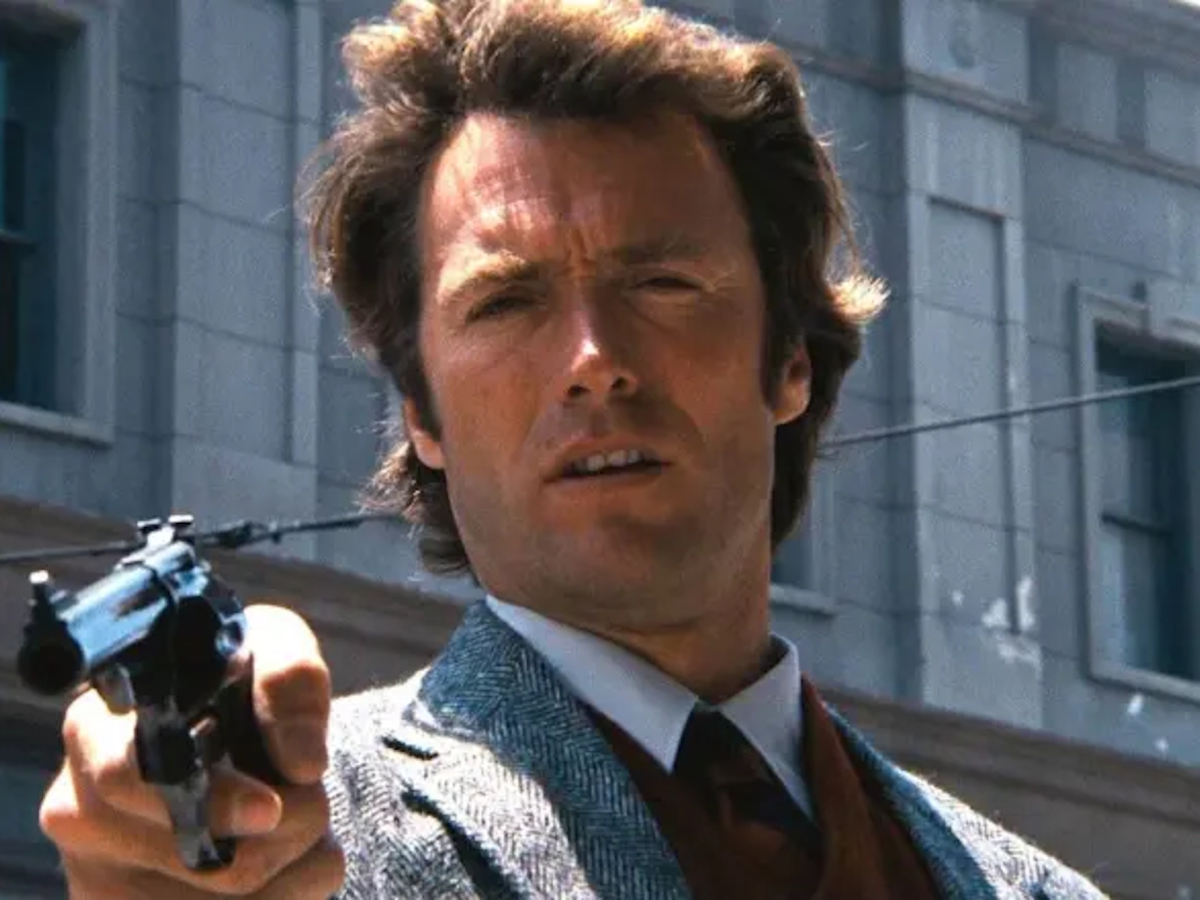
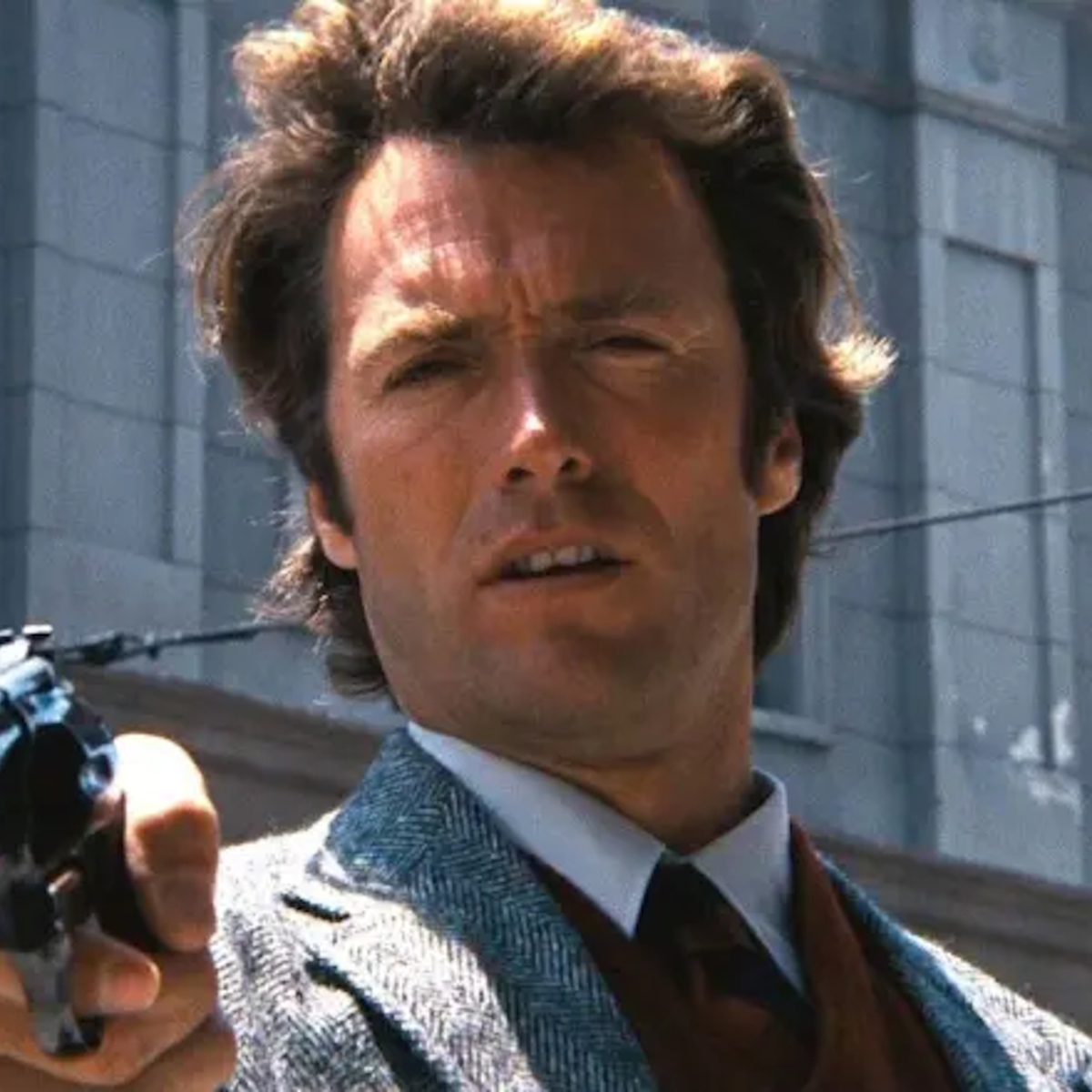
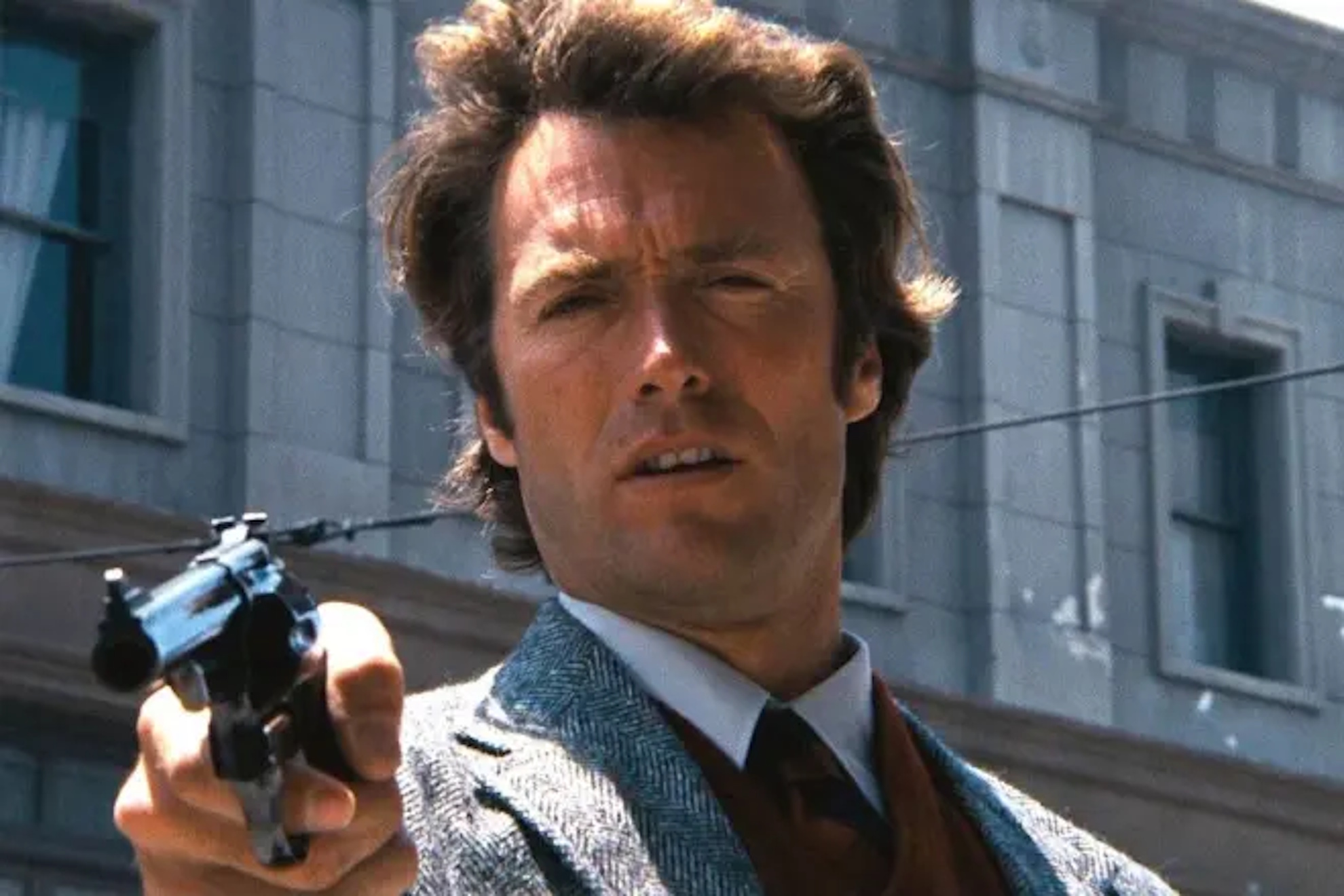
Clint Eastwood, actor: "As you get older, you're not afraid of doubt. Doubt isn't running the show. You take out all the self-agonizing"
The Hollywood legend's words offer a powerful reminder that experience does not eliminate uncertainty, but can teach us how to move forward without letting fear dictate our decisions
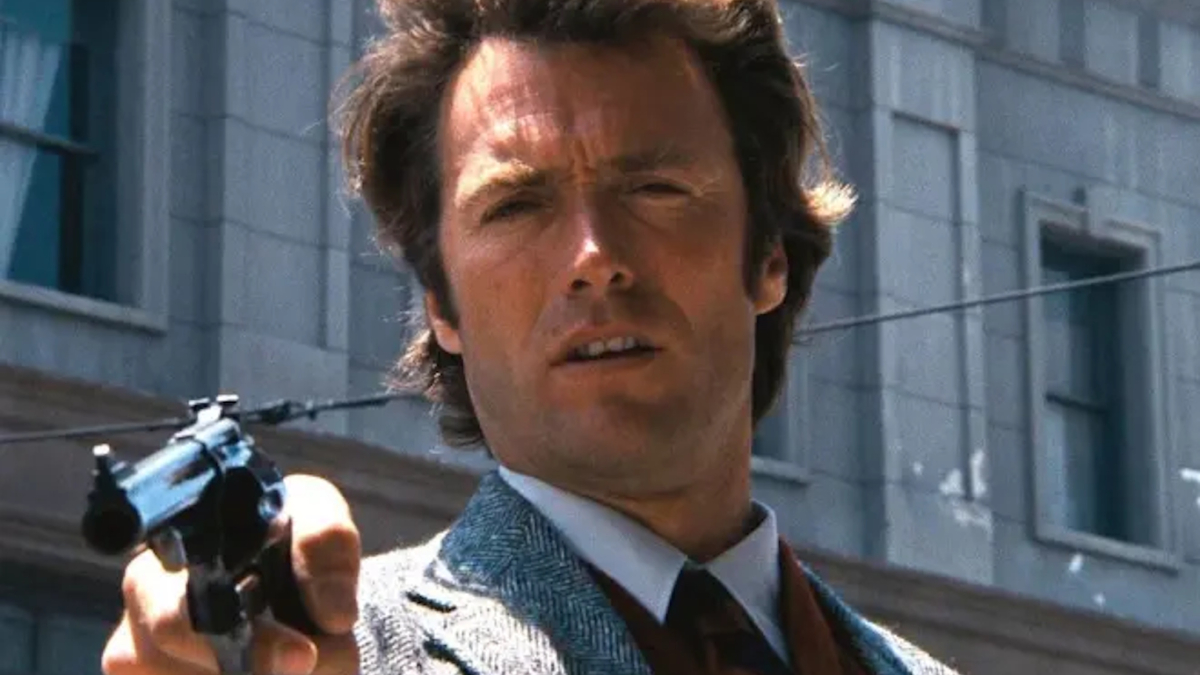
Clint Eastwood has spent decades building a reputation as one of Hollywood's most influential actors and filmmakers.
Beyond his memorable performances on screen and his success behind the camera, the veteran star has also shared a perspective on life that resonates far beyond the entertainment industry: learning to live with uncertainty rather than allowing it to take control.
His quote, "As you get older, you're not afraid of doubt. Doubt isn't running the show. You take out all the self-agonizing", captures a lesson about maturity, confidence and the value of experience.
Rather than suggesting that people eventually stop questioning themselves, Eastwood's words point towards a different possibility: becoming comfortable enough with uncertainty to keep making decisions without endlessly second-guessing every move.
The quotation has been featured by BrainyQuote and highlighted by The Times of India as a reflection on the relationship between ageing and self-confidence.
It is particularly fitting for someone whose career has involved repeatedly taking creative risks and making decisions that shaped his standing in the film industry.
For many people, doubt can become an obstacle when it develops into persistent overthinking. A decision that should take minutes can turn into days of hesitation, while the fear of making a mistake can prevent someone from pursuing an opportunity altogether.
Eastwood's message encourages a more balanced approach: acknowledge uncertainty, consider the consequences and then act without allowing every possible outcome to become a source of anxiety.
That idea is relevant at every stage of life, whether someone is changing careers, starting a new project, navigating relationships or simply trying to become more comfortable with their own choices.
How Clint Eastwood's career reflects his message about doubt
Eastwood's professional journey gives his words additional weight. Born in San Francisco in 1930, he became widely recognised through his Western performances, particularly his work with Italian director Sergio Leone in the films commonly known as the Dollars trilogy.
He subsequently established himself as a major Hollywood star through the Dirty Harry franchise, developing an on-screen persona associated with determination, restraint and independence.
However, his legacy extends well beyond acting. Eastwood also built a distinguished career as a director, taking on projects that demanded a different kind of creative judgement.
His films include Unforgiven, Mystic River, Million Dollar Baby and Letters from Iwo Jima, demonstrating his willingness to explore complex characters and difficult moral questions.
His work on Unforgiven earned him Academy Awards for directing and best picture as a producer at the 1993 Oscars. More than a decade later, Million Dollar Baby brought him further directing and best picture honours at the 2005 ceremony.
These achievements established him not simply as a screen icon but as a filmmaker capable of sustaining a successful career across multiple generations.
That progression offers an interesting parallel with the quote. Experience can provide a stronger foundation for decision-making, but it does not guarantee success or remove the possibility of failure. Instead, it can help people recognise that uncertainty is an unavoidable part of doing something worthwhile.
Eastwood's words also challenge the idea that confidence means never having reservations. Someone can be experienced and still question a decision. The difference is whether those questions help improve the outcome or become an endless cycle of self-criticism.
Why the quote resonates beyond Hollywood
The phrase "Doubt isn't running the show" is particularly striking because it does not demand that doubt disappear. Instead, it suggests that people can recognise their fears without allowing them to determine every action.
That distinction can be useful in professional and personal life alike. Self-reflection is valuable when it helps identify weaknesses, uncover mistakes or encourage better preparation. But constant self-judgement can become counterproductive when it prevents progress, even after a reasonable decision has been made.
Growing older can bring a wider perspective on these experiences. Previous setbacks may teach people that not every mistake is permanent, not every criticism deserves equal attention and not every decision needs to be made with absolute certainty.
Although maturity develops differently for everyone, accumulated experience can make uncertainty feel less threatening.
Eastwood's own career also demonstrates the importance of continuing to evolve. Moving between acting and directing required him to embrace different responsibilities, while his long filmography reflects a willingness to pursue projects beyond the roles that first made him famous.
His success does not mean that every choice was easy, but it illustrates how a career can develop when someone continues to make decisions and learn from experience.
Ultimately, the message behind Eastwood's quote is not that doubt should be ignored or that confidence guarantees the right result. It is that uncertainty does not have to become the most powerful voice in a person's mind.
His words offer a reminder that confidence can grow through experience, mistakes and the willingness to move forward despite imperfect information.
Sometimes, the goal is not to eliminate self-doubt completely, but to prevent it from becoming the force that decides what happens next.