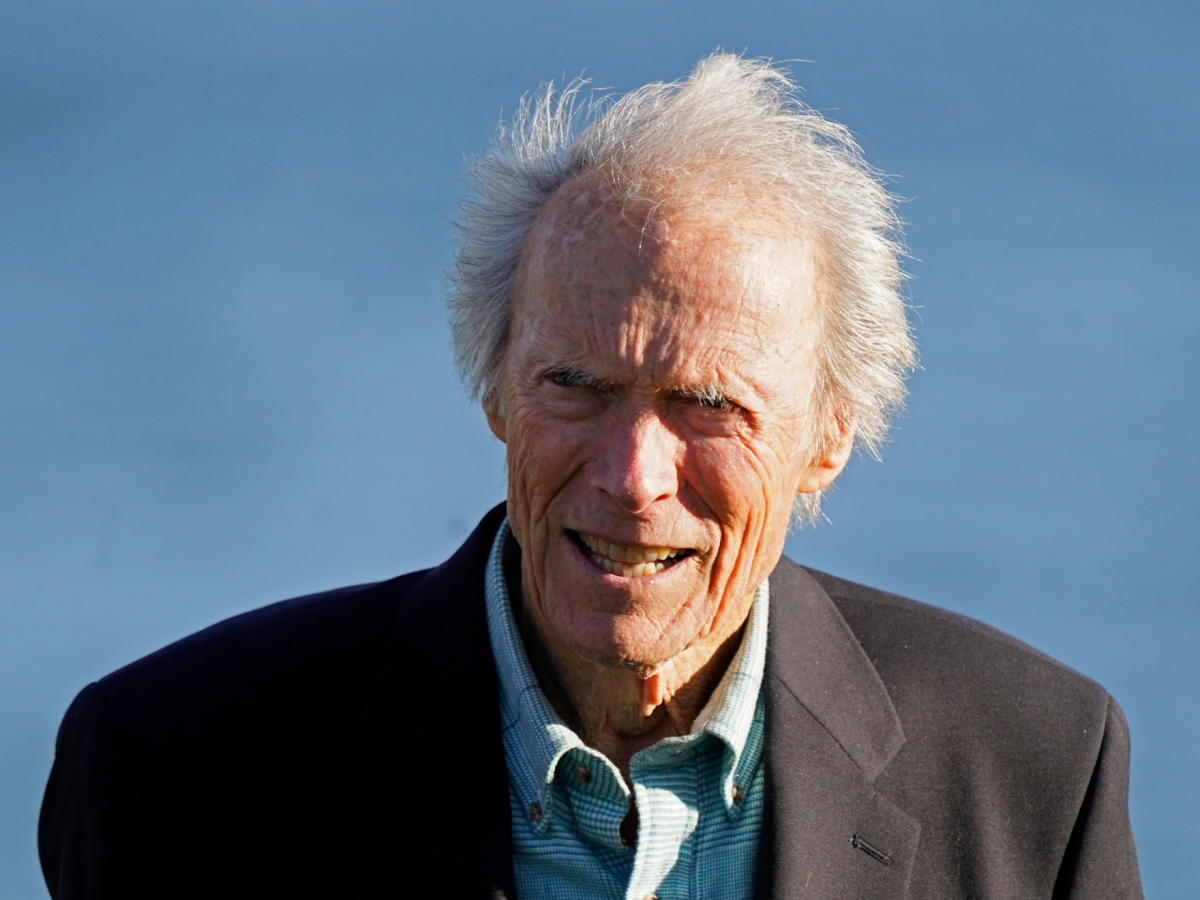
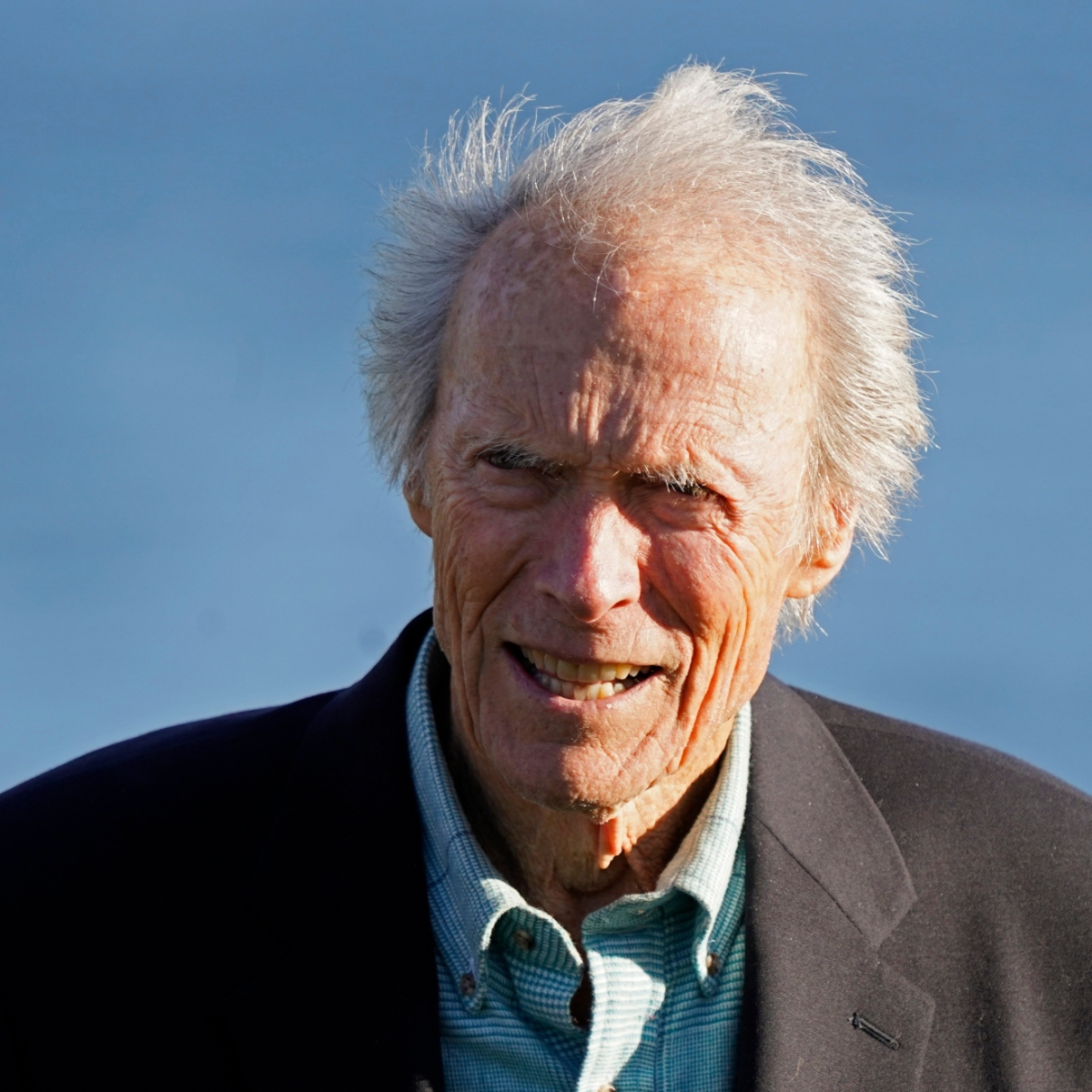
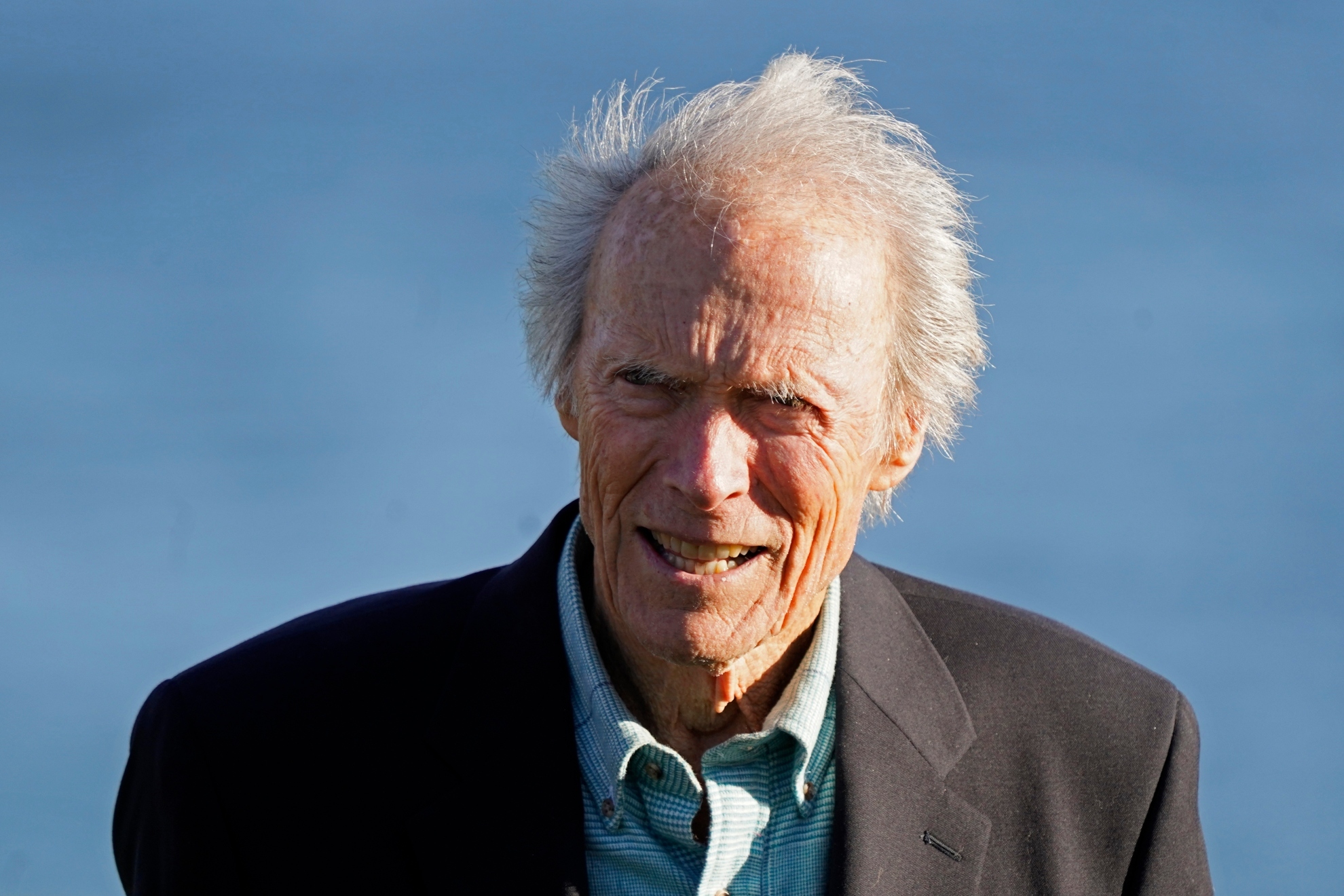
Clint Eastwood's million-dollar investment to save historic California ranch that effected historic change
The Hollywood legend stepped in when a historic Carmel ranch faced redevelopment
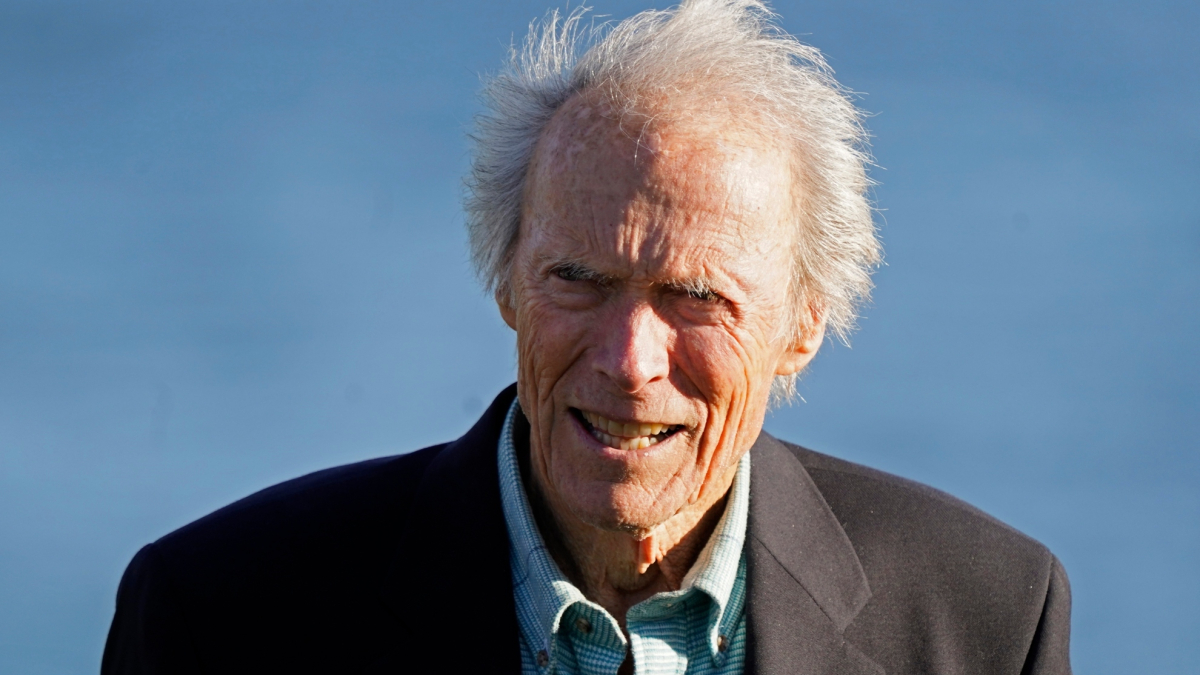
A stretch of open countryside overlooking California's Monterey Peninsula might look very different today had Clint Eastwood not intervened in a proposed development during the 1980s.
The Hollywood actor and filmmaker purchased Mission Ranch , a historic property in Carmel, after plans emerged to transform the land into a condominium complex.
Eastwood reportedly paid approximately $5 million for the site, choosing to preserve its rural setting rather than pursue the residential development that had threatened its future.
His decision eventually transformed the former dairy farm into a boutique hotel and restaurant, allowing the property to remain accessible to visitors while retaining much of its original character.
Mission Ranch 's history dates to the 19th century, when the property operated as a dairy farm in what would become one of California's most desirable coastal communities.
Its location near the Pacific Ocean made the land increasingly valuable as Carmel developed into a destination for residents, tourists and property investors.
The proposed condominium project would have dramatically altered the ranch's appearance, replacing its traditional agricultural surroundings with residential buildings.
Eastwood , who had established close ties with Carmel, purchased the property before that transformation could take place.
The acquisition represented a substantial financial commitment, particularly because his plans centered on retaining the site's historic identity rather than maximizing its potential for residential construction.
Inside the historic California ranch
Following the purchase, Eastwood oversaw Mission Ranch's transition into a hospitality destination while preserving the setting that had originally attracted visitors to the property.
The ranch now features 31 guest rooms distributed across its grounds, creating an atmosphere quite different from that of a conventional luxury resort.
Historic buildings remain central to the experience, surrounded by landscaped gardens, open pastures and views toward the coastline.
Instead of constructing a large modern hotel, the redevelopment allowed the ranch's existing architectural character to remain part of its appeal.
The property's restaurant also became an important attraction, welcoming visitors who want to experience the setting without staying overnight.
Its combination of accommodation, dining and rural scenery has helped establish Mission Ranch as a distinctive destination on the Monterey Peninsula.
Eastwood's connection to Carmel
Eastwood 's investment reflected a relationship with Carmel that developed alongside his career in the entertainment industry.
The actor has maintained longstanding connections with the coastal community, making his involvement in preserving Mission Ranch particularly significant.
Rather than allowing the property to disappear beneath a residential development, he pursued a model that combined historic preservation with commercial hospitality.
That approach enabled the ranch to continue operating while protecting much of the surrounding landscape that distinguished it from neighboring properties.
Today, Mission Ranch remains a functioning hotel and restaurant, with its agricultural history still evident in the buildings and grounds.
The property illustrates how private investment can help protect historic places while allowing them to serve new purposes.
Nearly four decades after Eastwood 's reported $5 million purchase, the ranch's continued existence offers a lasting example of a Hollywood figure influencing the character of a community far beyond the movie industry.