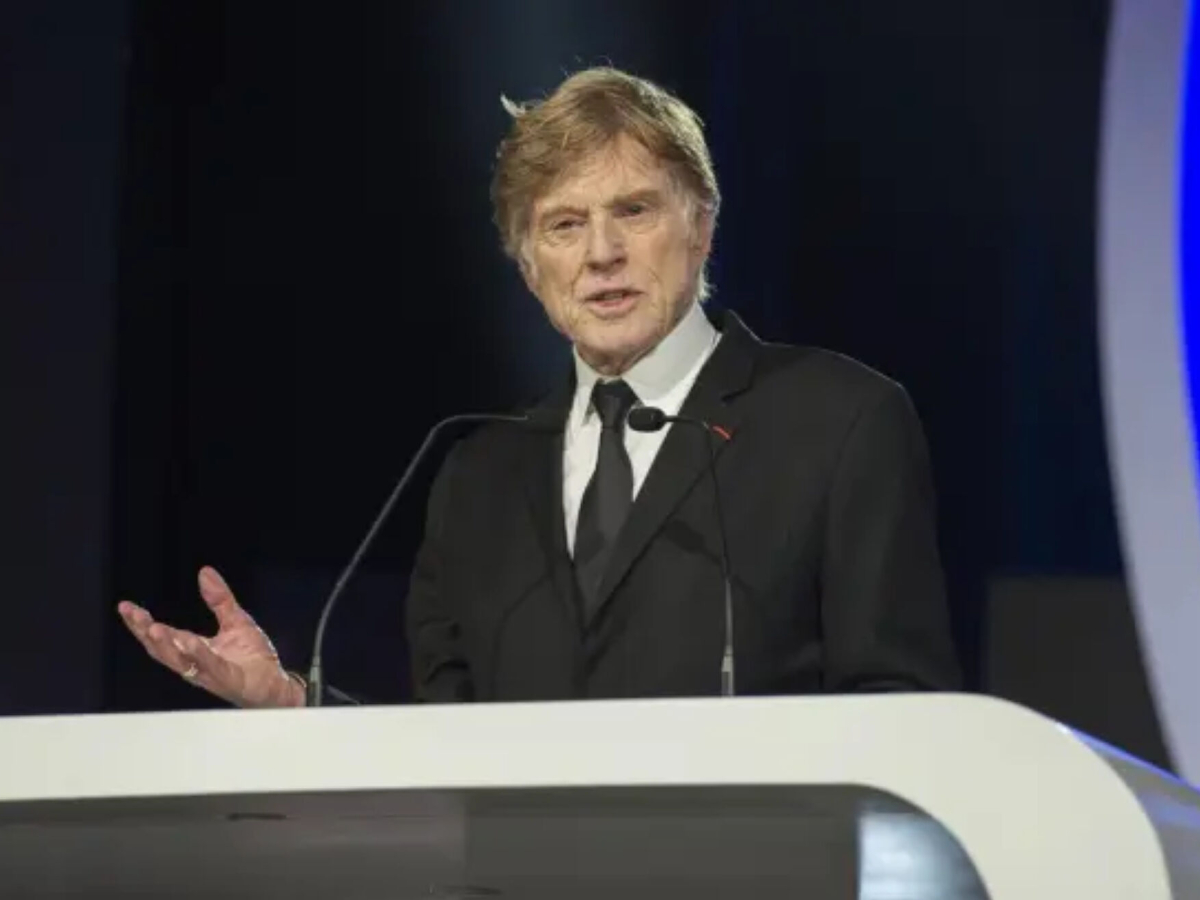
Robert Redford, American actor and director: "I have no regrets, because I've done everything I could to the best of my ability"
The Hollywood legend built a career on taking creative risks, turning down major film roles and championing independent cinema
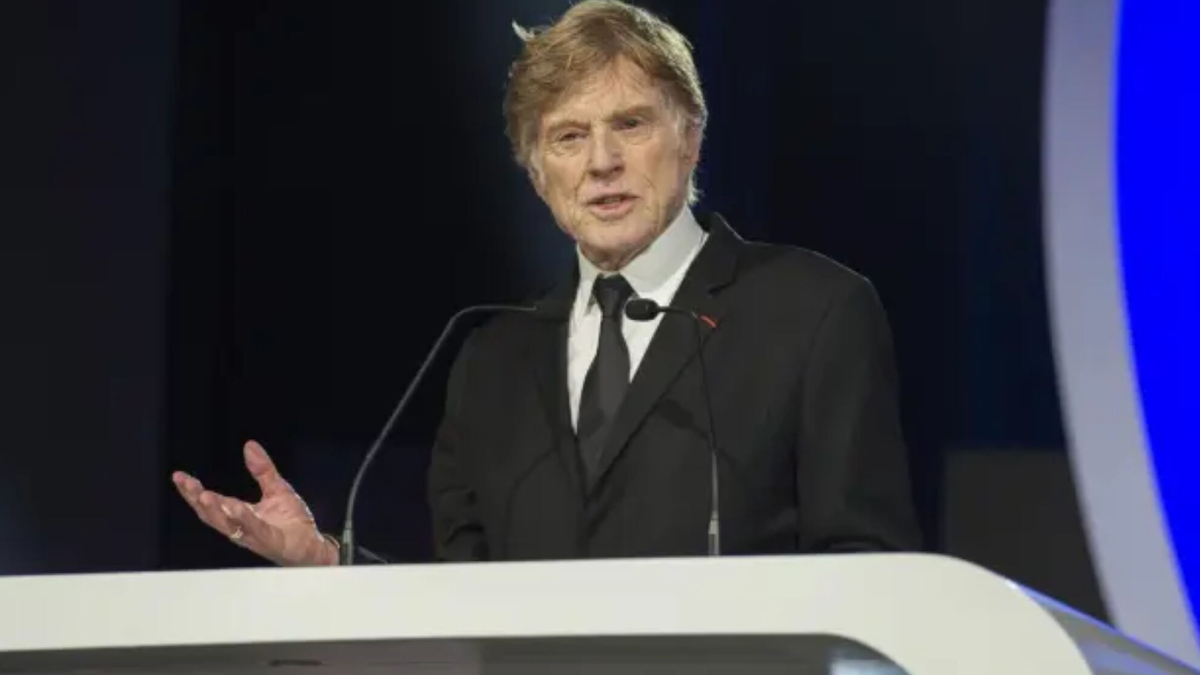
Robert Redford left behind a legacy that extended far beyond his status as one of Hollywood's most recognizable leading men.
From acclaimed performances in Butch Cassidy and the Sundance Kid and The Sting to his Oscar-winning work behind the camera, the American actor and director repeatedly demonstrated that success did not have to mean following the industry's expectations.
His outlook was captured in a reflection on regret that remains closely associated with his life and career: "I have no regrets, because I've done everything I could to the best of my ability".
Redford discussed the subject in a 2013 interview with The Boston Globe while promoting All Is Lost, a survival drama in which he played a sailor battling the elements alone. His answer was rooted in more than professional satisfaction.
He spoke about growing up in a working-class neighbourhood in Southern California and the freedom he eventually gained to make choices on his own terms.
That independence became a defining feature of his career. Rather than measure his achievements by the number of successful films he appeared in, Redford pursued projects that interested him, even when doing so meant walking away from opportunities that later became major hits.
The famous roles Redford chose not to pursue
Redford's filmography might have looked very different had he accepted some of the offers that came his way. Among the projects he turned down were The Graduate, Kramer vs. Kramer and Love Story, all of which went on to become significant titles in American cinema.
In the case of The Graduate, Redford wanted to play Benjamin Braddock, the disillusioned young man at the centre of Mike Nichols' 1967 film.
Nichols ultimately decided that Redford's polished, confident image did not fit the character, and the role went to Dustin Hoffman instead.
Redford later explained that he understood why the film was not right for him. He believed his appearance made it difficult to portray a young man who struggled with romantic rejection and uncertainty.
Although the film became a cultural landmark, the missed opportunity did not become a source of lasting bitterness.
He also declined Kramer vs. Kramer and Love Story. Looking back, he acknowledged that such films might have benefited his career commercially, but he did not believe that every successful production represented the right choice for him.
That attitude helps explain his statement about having no regrets. For Redford , making the right decision was not necessarily the same as choosing the film that would make the most money or attract the greatest attention. The work had to fit his own instincts.
There was, however, a distinction between his professional decisions and the personal experiences he wished had unfolded differently.
The personal loss behind his reflections on regret
One of the most painful memories Redford carried was the death of his mother, Martha , when he was 18.
According to Far Out Magazine, he later expressed sadness that she died before he could thank her for what she had done for him and before she could witness his eventual success.
The loss offered a more complicated perspective on his claim that he had no regrets. He could accept the choices he had made as an actor while still feeling the weight of a family tragedy that no professional achievement could reverse.
Redford's career eventually reached heights few performers achieve. He became a major star through films including The Way We Were, The Candidate and All the President's Men.
In 1980, he made his feature directing debut with Ordinary People, earning the Academy Award for Best Director as the film also won Best Picture.
His ambitions extended beyond his own performances. In 1981, he founded the Sundance Institute, helping create opportunities for independent filmmakers whose stories struggled to find support within the traditional studio system.
The Sundance Film Festival subsequently developed into an internationally recognized platform for emerging talent and independent cinema.
Redford's influence therefore cannot be measured solely by the films in which he starred. His commitment to opening doors for other artists became one of his most enduring contributions to the industry.
Why Redford regretted announcing his retirement
Despite his apparent lack of regret over missed film roles, Redford did identify one professional decision he wished he had handled differently: publicly announcing his retirement from acting.
In 2018, after completing The Old Man & the Gun, he indicated that the film would be his last as an actor. He later reconsidered the announcement, explaining to People that he should not have made such a definitive statement because circumstances could change.
"I think it was a mistake to say that I was retiring because you never know," he said.
He added that he had wanted to explore a different phase of his creative life, but the announcement risked distracting attention from the film itself. And, as it turned out, The Old Man & the Gun was not his final screen credit: he subsequently appeared in Avengers: Endgame and took on further voice work.
The distinction is revealing. Redford did not necessarily regret moving away from acting; he regretted placing a definitive label on a future that remained open to change.
Redford died on September 16, 2025, aged 89, leaving behind a body of work that spanned acting, directing, producing and advocacy.
His legacy includes both celebrated performances and the independent filmmakers who gained opportunities through the institution he established.
Ultimately, his philosophy was not that every decision would prove perfect. It was that a life should be judged by the effort, conviction and honesty brought to those decisions.
Redford's career was shaped by choices that sometimes meant saying no to Hollywood's biggest opportunities, but those decisions helped him build a path that was distinctly his own.