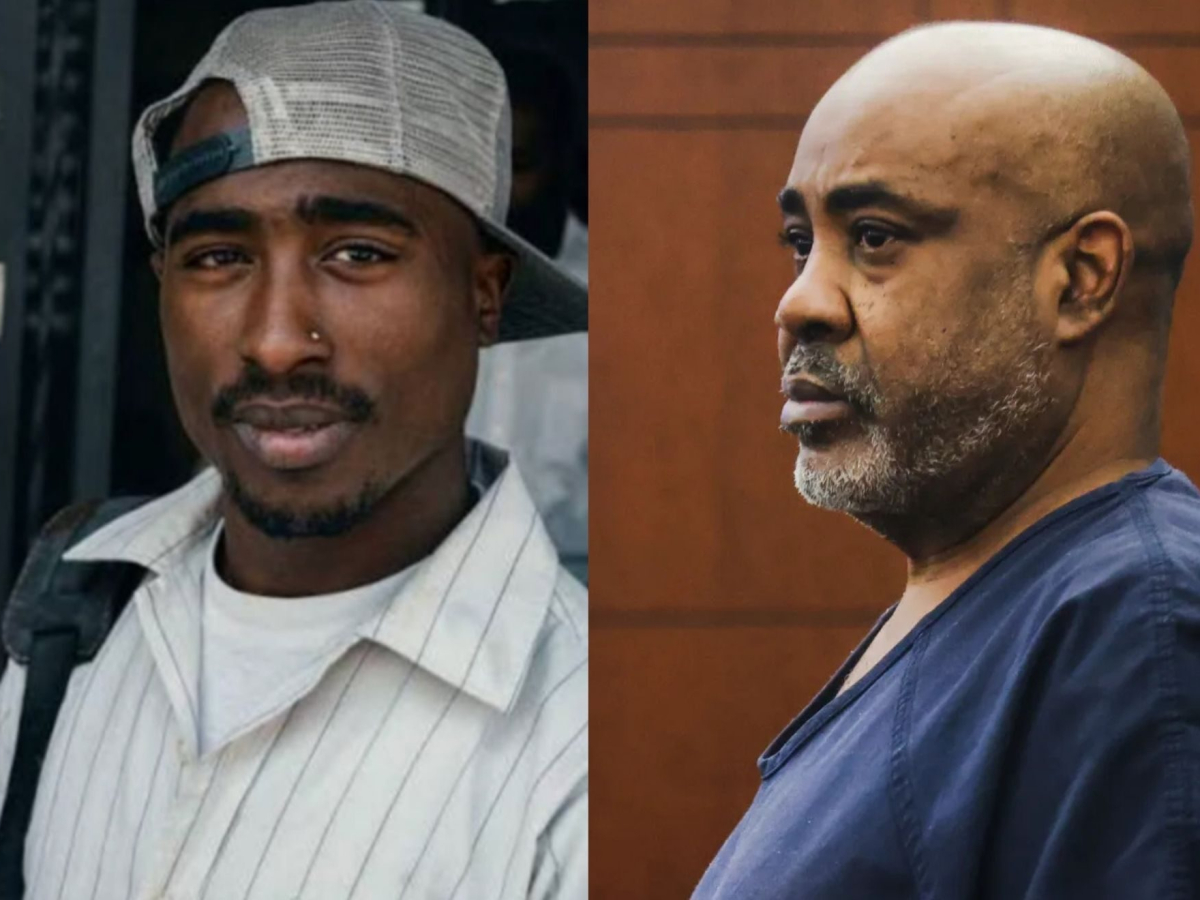
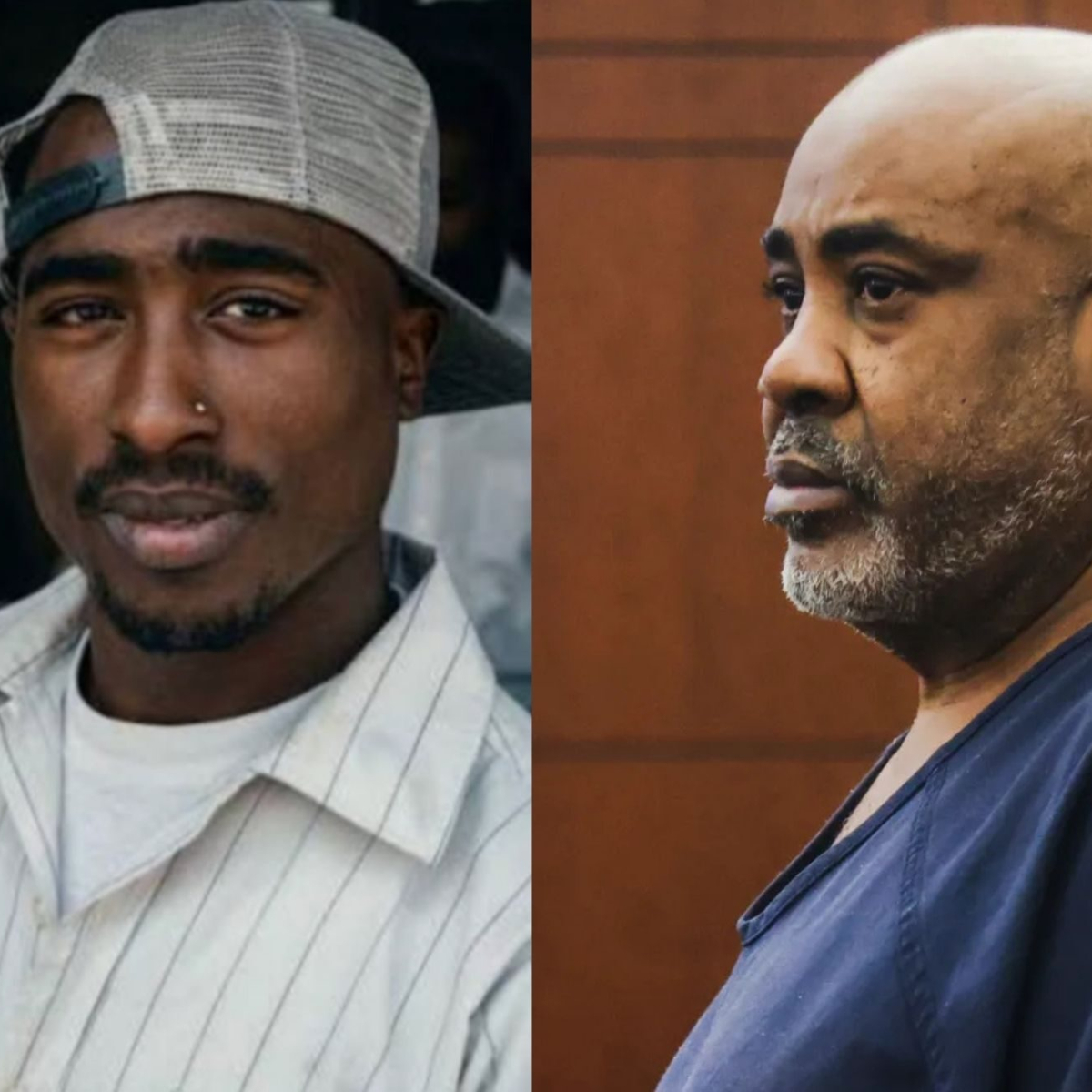
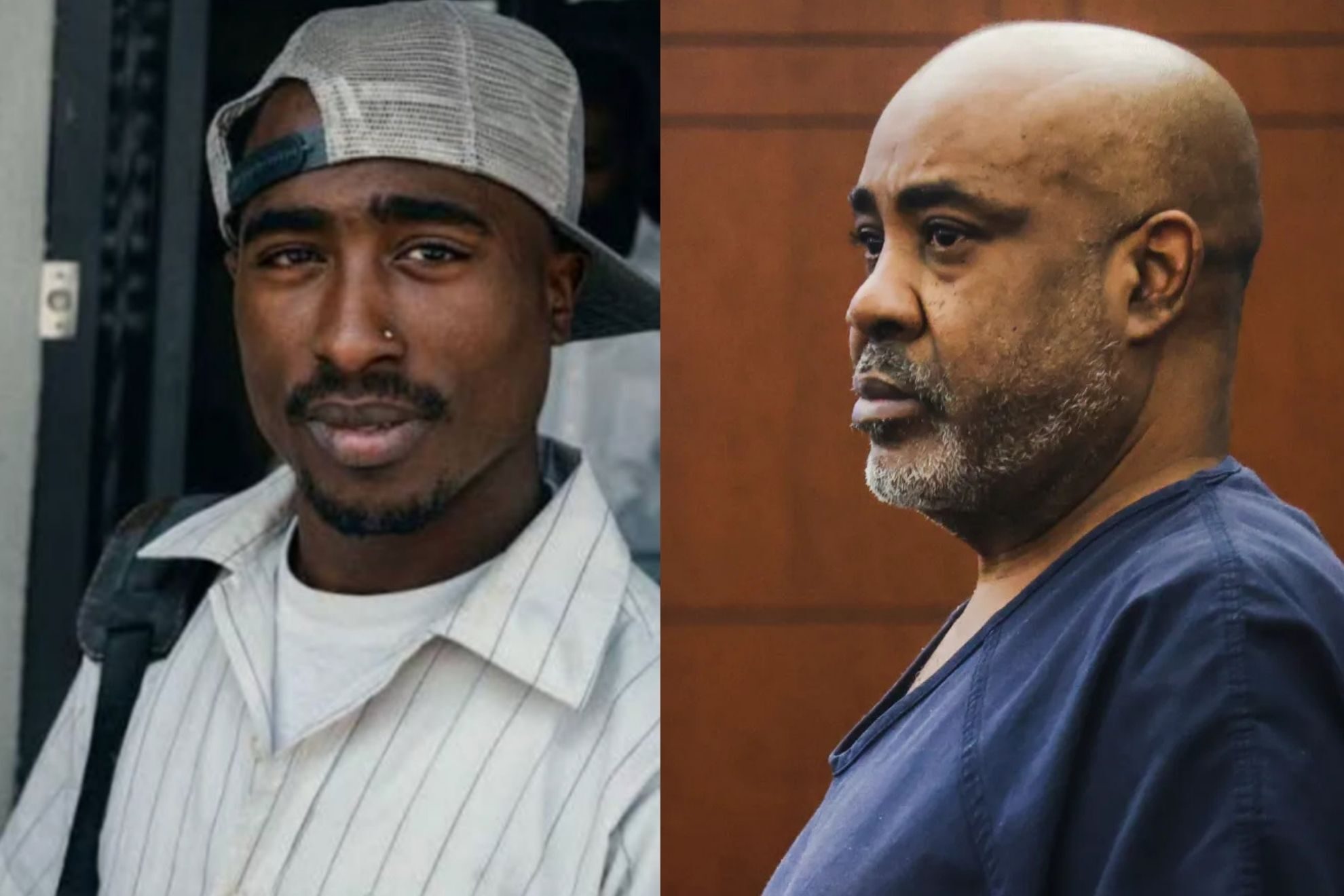
Former gang leader Duane 'Keffe D' Davis sentenced to 40 Years to life for Tupac Shakur murder
Sekyiwa Shakur described the devastating impact of losing her brother before Duane Davis received the maximum prison sentence

Thirty years after Tupac Shakur was gunned down on the streets of Las Vegas, his younger sister stood before the man convicted of arranging his murder and described a lifetime shaped by grief.
Duane 'Keffe D' Davis , 63, was sentenced Tuesday to 40 years to life in prison after an August jury verdict found him guilty of first-degree murder involving a deadly weapon.
Judge Carli Kierny delivered the sentence in Clark County District Court, bringing a significant measure of legal accountability to a case that has haunted the music industry since 1996.
"The world never forgot about him and his death," Kierny said, acknowledging the enduring significance of Shakur's murder.
Tupac's sister confronts devastating family loss
Sekyiwa Shakur delivered an emotional victim impact statement, describing her brother as a source of protection and stability whose death permanently changed her family's lives.
"He was my shining star, my prince," she told the court, recalling the night her brother was killed at just 25 years old.
Sekyiwa described the psychological consequences of losing Tupac , explaining that her grief had affected her health and relationships throughout adulthood.
"Both of my children were raised in my grief, so they have trust issues, abandonment issues, relationship issues," she said.
Her testimony also focused on personal memories of the rapper that rarely appeared in accounts of his extraordinary musical career.
"I miss my brother. I miss the scars on his head. I miss the way he ate. I miss his recipe for barbecue chicken. I miss his laugh," she recalled.
His brother, Maurice Shakur , also addressed the hearing, describing the killing as devastating for their family and for popular culture.
How Duane Davis was connected to 1996 shooting
Prosecutors argued that Davis helped organize the fatal attack following a confrontation between Shakur 's entourage and his nephew, Orlando 'Baby Lane' Anderson .
The altercation occurred at the MGM Grand following a Mike Tyson fight, hours before Shakur was shot while traveling through Las Vegas.
Although Davis wasn't accused of personally firing the fatal shots, prosecutors maintained that he supplied the weapon and played a central role in arranging the attack.
His account of the events became important evidence after he discussed the killing in his 2019 memoir, Compton Street Legend.
Davis was the only person prosecuted in connection with the murder, with the other occupants of the Cadillac linked to the shooting having since died.
Maximum sentence follows lengthy investigation
During the trial, Davis ' defense attorneys challenged the strength of the prosecution's evidence, arguing that there was insufficient physical proof connecting him to Shakur 's death.
However, following nine days of testimony, jurors deliberated for approximately three hours before finding the former gang leader guilty.
Prosecutor Marc DiGiacomo sought the maximum punishment, arguing that Davis had attempted to benefit financially from publicly discussing the killing.
The defense has indicated that it intends to appeal, meaning the legal proceedings surrounding the conviction may not yet be finished.
For Shakur 's relatives, Tuesday's sentencing represented an important moment after decades without a conviction.
Sekyiwa summarized the loss behind the public tragedy in one heartbreaking sentence: "I was the little sister that just wanted to be with her brother."