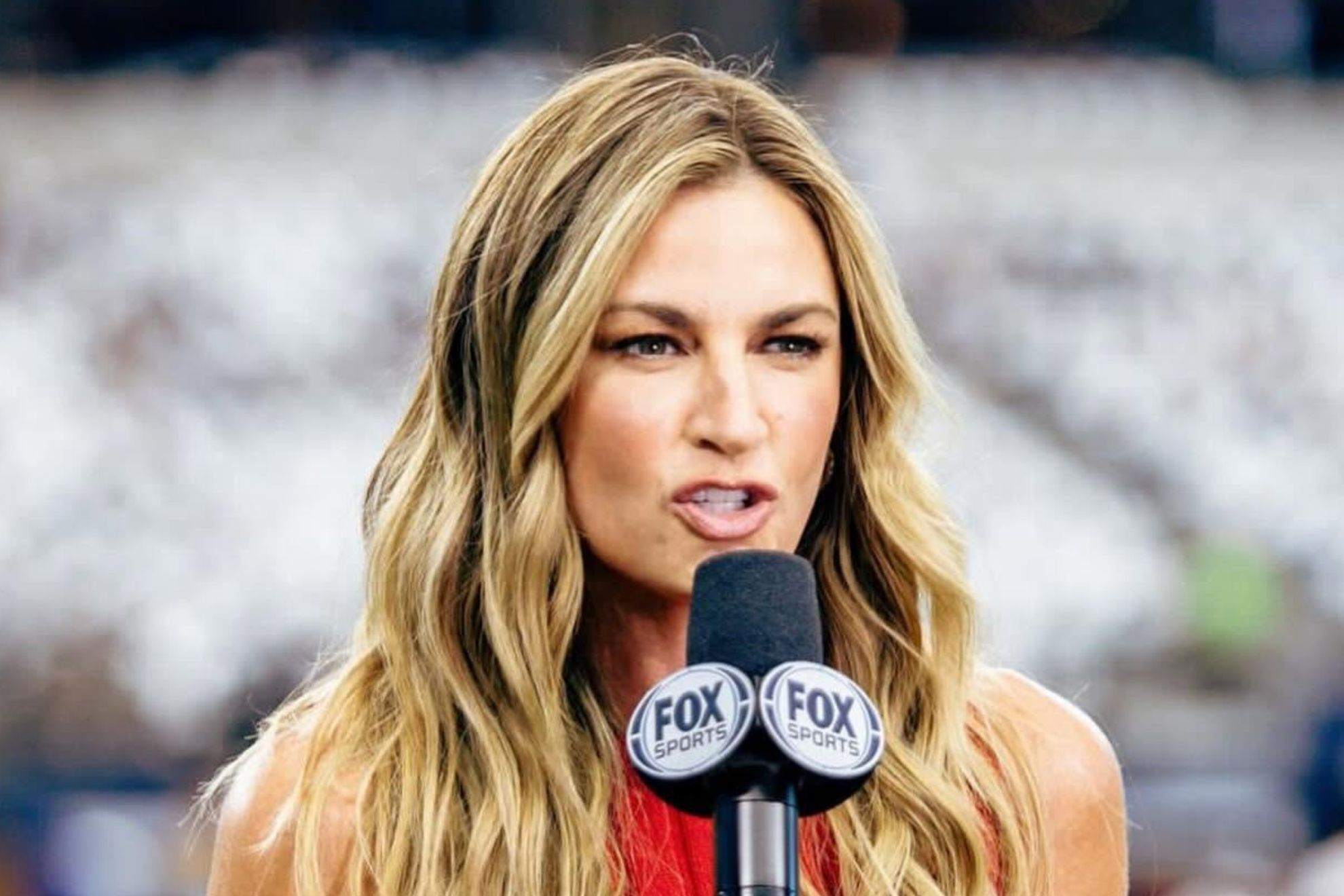
Erin Andrews’ brutal early career lesson: ‘They let me go, and they should have’
The honesty is striking coming from a broadcaster as famous as her
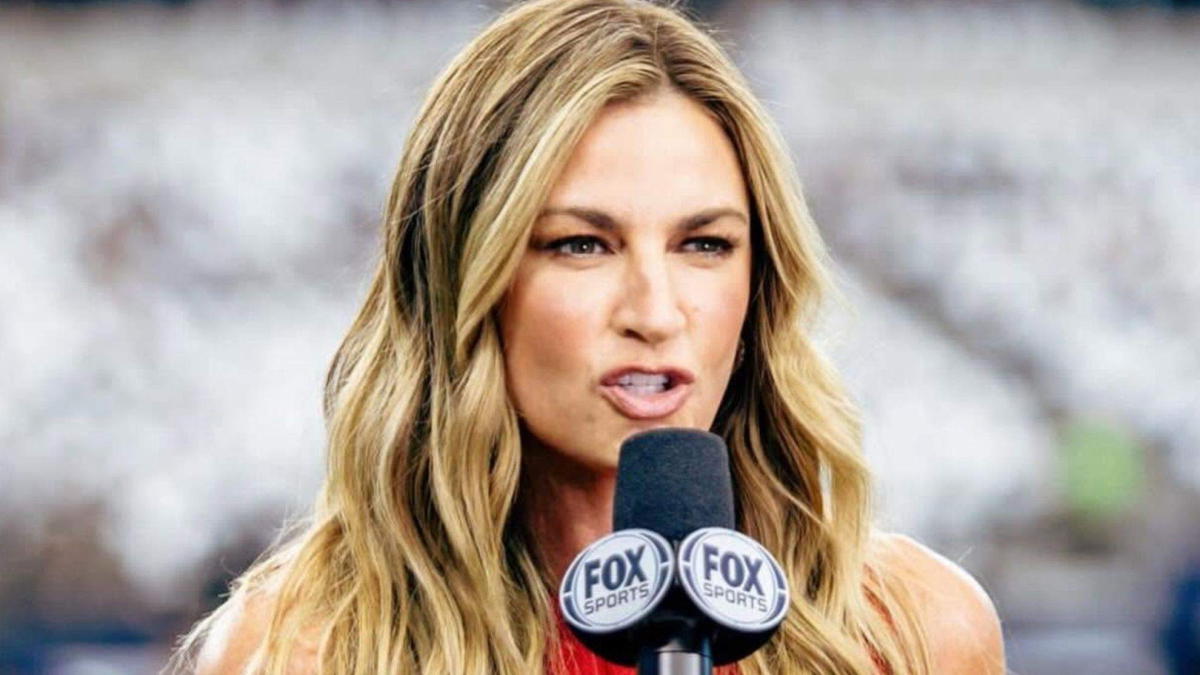
Today, Erin Andrews is one of the most recognizable figures in sports broadcasting. From NFL sidelines and Super Bowl coverage to major assignments for FOX Sports, her career has become a blueprint for aspiring broadcasters. But according to Andrews herself, the path to becoming one of sports television’s biggest stars included a difficult early chapter that nearly derailed everything.
Speaking on the Call Her Daddy podcast, Andrews candidly reflected on her time at Turner Sports , where she worked in the early 2000s covering Major League Baseball and other sports before eventually being let go.
“I got a call from Turner Sports . They had the Atlanta Braves . They had MLB at the time, and I was hosting a studio and I was freaking terrible,” Andrews admitted. “I was so, so bad. I called my dad every night and cried. I felt like I was way, you know, over my skis. I wasn’t good. I knew I wasn’t good. It was killing me.”
The honesty is striking coming from a broadcaster who has spent more than two decades at the top of the industry. Yet Andrew s did not try to soften her assessment of those early years. “They let me go after two years, and they should have,” she said. “I wasn’t put in the best position to succeed. For some reason, it wasn’t working for me.”
Andrews' responsibilities extended far beyond baseball
At the time, Andrews was still trying to establish herself in sports television. After graduating from the University of Florida in 2000 with a telecommunications degree, she landed her first full-time broadcasting role covering the Tampa Bay Lightning . She worked as a reporter for the Sunshine Network after beginning as a freelance reporter for FOX Sports Florida-South.
That opportunity eventually led to Turner Sports in 2002. While many remember the network's MLB coverage and its broadcasts of Atlanta Braves games, Andrews' responsibilities extended far beyond baseball. She also covered college football, the NHL's Atlanta Thrashers and the NBA's Atlanta Hawks.
Still, despite the variety of assignments, Andrews never felt comfortable in the role. For many young broadcasters, losing a high-profile job so early could have been career-ending. Instead, Andrews used the setback as motivation. Rather than waiting for opportunities to come to her, she aggressively pursued her next break. Andrews recalled going to a bar where broadcasters regularly gathered after games and directly asking industry insiders who she needed to speak with about working NHL playoff coverage.
The unconventional networking strategy paid off
She eventually secured a phone interview and earned a new opportunity through preparation and persistence. The timing proved especially meaningful because her roots in sports broadcasting were tied to hockey. Not long after , the Tampa Bay Lightning won the Stanley Cup in 2004, further raising the profile of the market where she had begun her career.
That same year, Erin landed what would become the defining opportunity of her professional life: a three-year contract with ESPN.
The move changed everything. At ESPN, Andrews quickly became one of the network’s most visible personalities, covering college football, college basketball and Major League Baseball . Over an eight-year run, she established herself as one of the most respected reporters in sports television before making another major career move to FOX Sports in 2012.
Looking back, the Turner Sports experience now appears less like a failure and more like a critical turning point. “Work your a-- off,” Andrews said when asked about the lesson she learned from those early struggles.
She credited both her persistence and the influence of her father, who constantly encouraged her to contact decision-makers and keep her name in front of hiring managers.
“My dad was always on me: Email them. Ask them if they’re looking for anybody new,” Andrews explained. “I tell young girls that all the time, send an email, send a text. Stay on the top of their inbox.” The mindset helped Andrews break through in an industry that has historically been dominated by men. She acknowledged that she often felt the need to prove herself because she did not have a professional playing background.