Oprah Winfrey, American media mogul and actress: "You get in life what you have the courage to ask for"
Her career was built on more than talent and timing
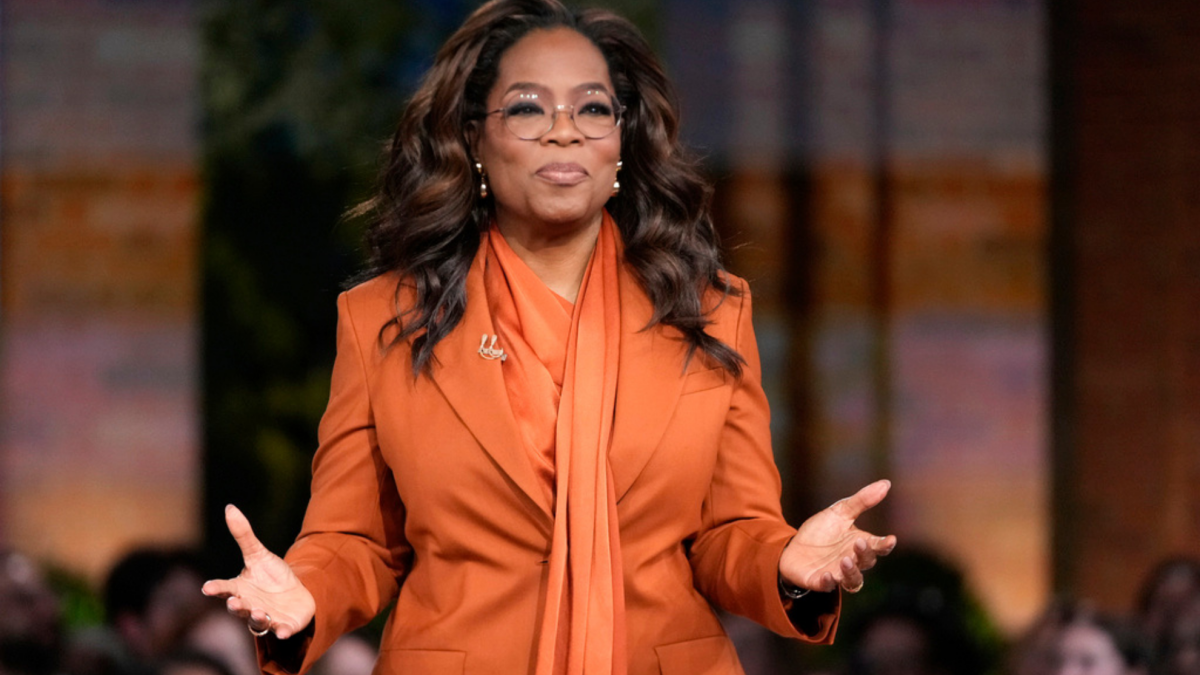
O prah Winfrey ’s success has often been explained through resilience, work ethic and timing, but one of her most enduring quotes places the emphasis on courage.
“You get in life what you have the courage to ask for,” Winfrey has said, a line that captures the uncomfortable truth behind many opportunities.
Ambition matters, but so does the willingness to say clearly what you want. That idea fits a career that expanded far beyond television hosting.
Winfrey moved from local broadcasting into national prominence, then transformed The Oprah Winfrey Show into one of the most influential programs in American television before extending her reach into movies, publishing, production and business.
Her career isn't simply a story of opportunities appearing at the right moment. It was also about recognizing when to seek more control, more responsibility and a larger platform.
Courage often begins with risk of rejection
Making a request exposes a person to the possibility of hearing no. Whether someone is asking for a promotion, backing for an idea, a better contract or another opportunity, there is always an element of vulnerability in stating what they believe they deserve.
That's what separates ambition from action. People can want more for years without ever communicating it. Winfrey ’s message suggests that progress often requires moving beyond private hopes and making those ambitions visible to the people who can help turn them into reality.
The principle isn't about expecting every request to be granted. It is about accepting that rejection is part of the process and deciding that silence carries its own cost.
Why Winfrey’s message continues to resonate
The quote remains powerful because it applies far beyond fame or business.
Someone asking for a second chance can be demonstrating the same basic courage as an entrepreneur pitching an idea or an employee requesting greater responsibility. The scale changes, but the emotional risk is similar.
Winfrey ’s own public career has long centered on the idea that people should understand their value rather than wait for others to define it. That belief gives the quote a broader meaning than simple self-promotion.
She doesn't promise that every request will succeed. But argues that some possibilities will never exist unless someone is willing to create the conversation.
Opportunity isn't always offered neatly or at the right moment. Sometimes it has to be pursued, negotiated or requested directly.
Winfrey ’s lesson is ultimately about agency. You may not control the answer, but you can control whether you ask the question.