Princess Diana, activist: "Everyone of us needs to show how much we care for each other and, in the process, care for ourselves"
Princess Diana built a lasting public legacy around compassion, humanitarian work and her determination to connect with people facing difficult circumstances

Princess Diana remains one of the most recognizable figures of the modern British royal family , but her legacy extends well beyond her status as the Princess of Wales .
Her charitable work, personal interactions with vulnerable people and willingness to highlight difficult social issues became central to the way she was remembered.
Among the many quotations attributed to Diana is a message centered on compassion and responsibility toward others: "Everyone of us needs to show how much we care for each other and, in the process, care for ourselves."
BrainyQuote lists the remark among Diana's quotations, while other collections of her words have similarly emphasized kindness, empathy and helping people in need.
The sentiment is particularly notable when viewed alongside Diana's public work. She did not simply lend her name to charitable causes.
Throughout her time in public life, she frequently met people affected by homelessness, disability, serious illness and poverty, helping bring issues that could otherwise remain outside the public spotlight to a much wider audience.
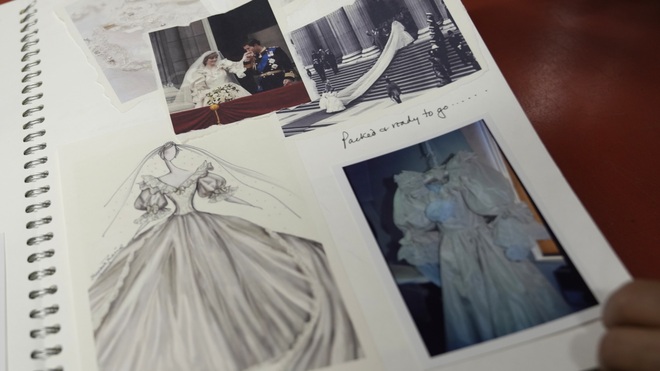
Diana was born Diana Frances Spencer on July 1, 1961, in Norfolk. She married the Prince of Wales, now King Charles III , at St Paul's Cathedral on July 29, 1981.
The couple had two sons, Prince William and Prince Harry , before their divorce was finalized in 1996. Diana died in Paris on August 31, 1997, following a car crash.
During her marriage, Diana served as president or patron of more than 100 charities. Her interests included organizations supporting homeless people, children, disabled people and individuals living with HIV/AIDS.
After her divorce, she stepped away from most of her previous patronages but continued working with several organizations, including Centrepoint, the National AIDS Trust, Great Ormond Street Hospital and the Royal Marsden Hospital.
Diana's approach to humanitarian work
One of the defining features of Diana's public role was her ability to make charitable causes more personal.
Her work with the British Red Cross offers a particularly clear example. Diana became patron of the Red Cross Youth in 1983 and later became a vice president of the British Red Cross.
The organization has recalled how she interacted directly with children and volunteers, with her public appearances helping draw attention to humanitarian causes.
Her involvement with HIV/AIDS advocacy was also significant. At a time when misinformation and fear surrounded the disease, Diana's willingness to meet people living with HIV helped challenge misconceptions about transmission and encouraged a more compassionate public conversation.
The Royal Family identifies her work with people living with HIV/AIDS as one of the major areas of her charitable activity.
Diana's humanitarian interests eventually took her onto the international stage. In January 1997, she traveled to Angola as part of a campaign against anti-personnel landmines.
She visited minefields, met survivors and used her international profile to draw attention to the continuing dangers created by weapons left behind after conflict.
Later that year, she visited Bosnia and Herzegovina and continued highlighting the consequences of landmines. The Royal Family records those visits as part of her final public engagements.
The British Red Cross has highlighted Diana's Angola visit as an important moment in bringing international attention to the landmine issue.
The Ottawa Treaty banning anti-personnel mines was subsequently signed by 122 countries in December 1997, several months after Diana's death.
That humanitarian record provides important context for the quotation about caring for others.
Diana's public life repeatedly placed emphasis on empathy and human connection, whether she was visiting a hospital, meeting people experiencing homelessness, speaking with people affected by illness or highlighting the experiences of communities affected by conflict.
Her legacy continues through charities and commemorative projects established in her memory. The Royal Family states that Diana's charitable work lives on through initiatives designed to help people in need.
Ultimately, the words "Everyone of us needs to show how much we care for each other and, in the process, care for ourselves" capture a theme that runs through much of the public record surrounding Diana: compassion was not simply something associated with her public image, but an important part of the causes she chose to support.
Although she died at only 36, Diana's humanitarian work remains part of her enduring legacy, particularly through the organizations she supported and the causes she helped bring into wider public discussion.