The $1.9 billion UK highway that promised to protect biodiversity and became an environmental nightmare
The widening of the A14 between Cambridge and Huntingdon promised to improve biodiversity by 11.5%, but thousands of trees died
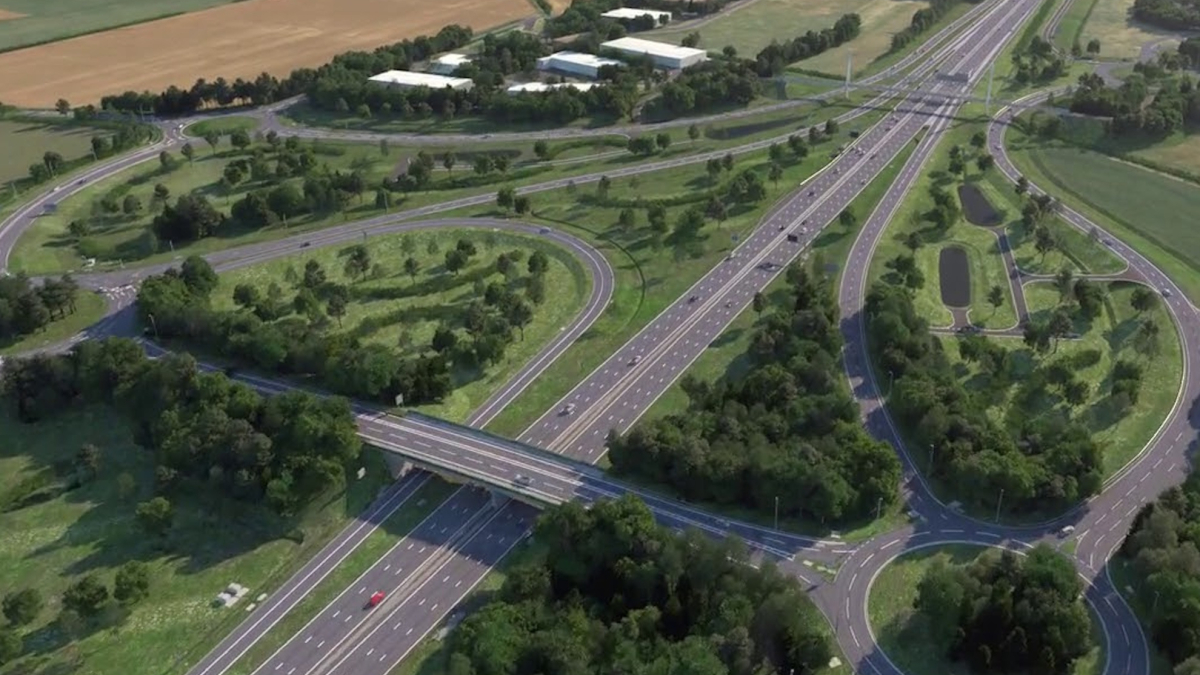
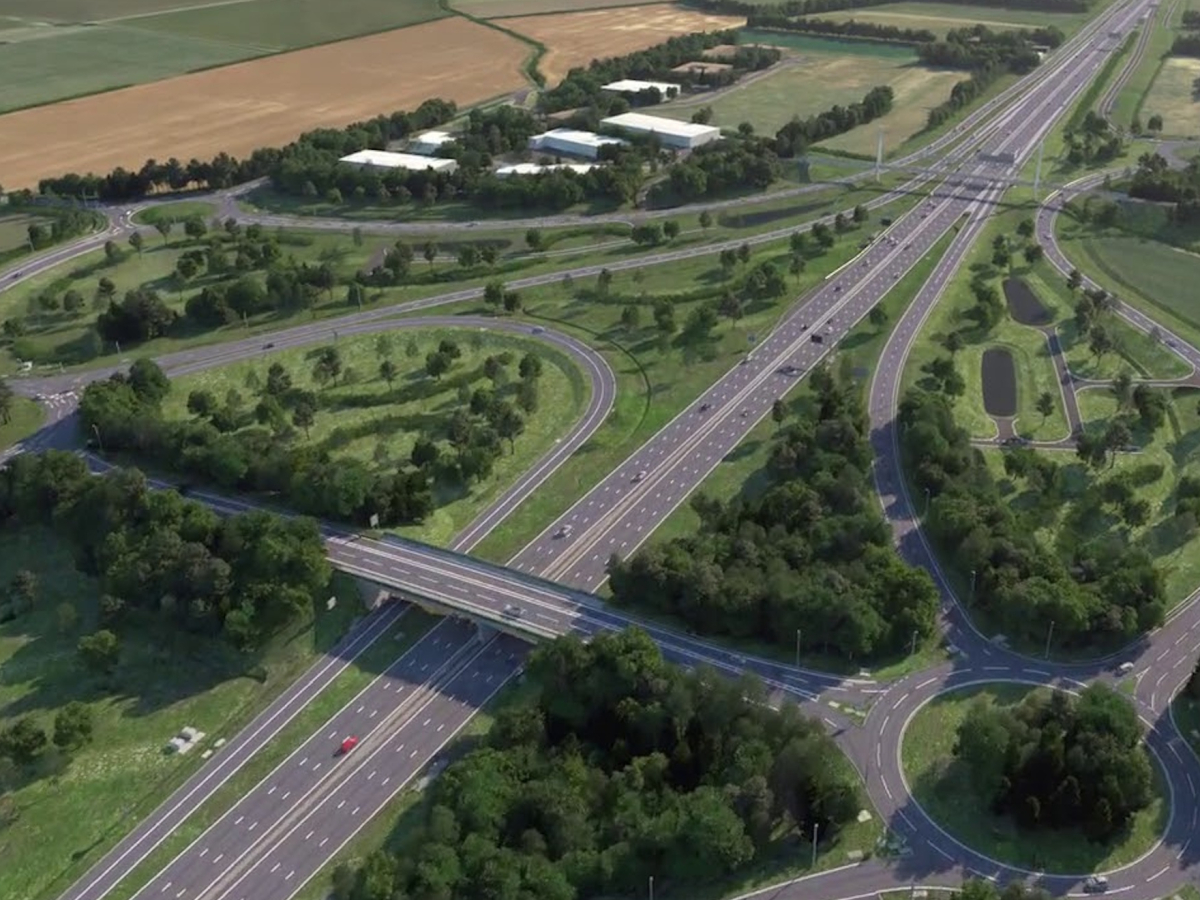
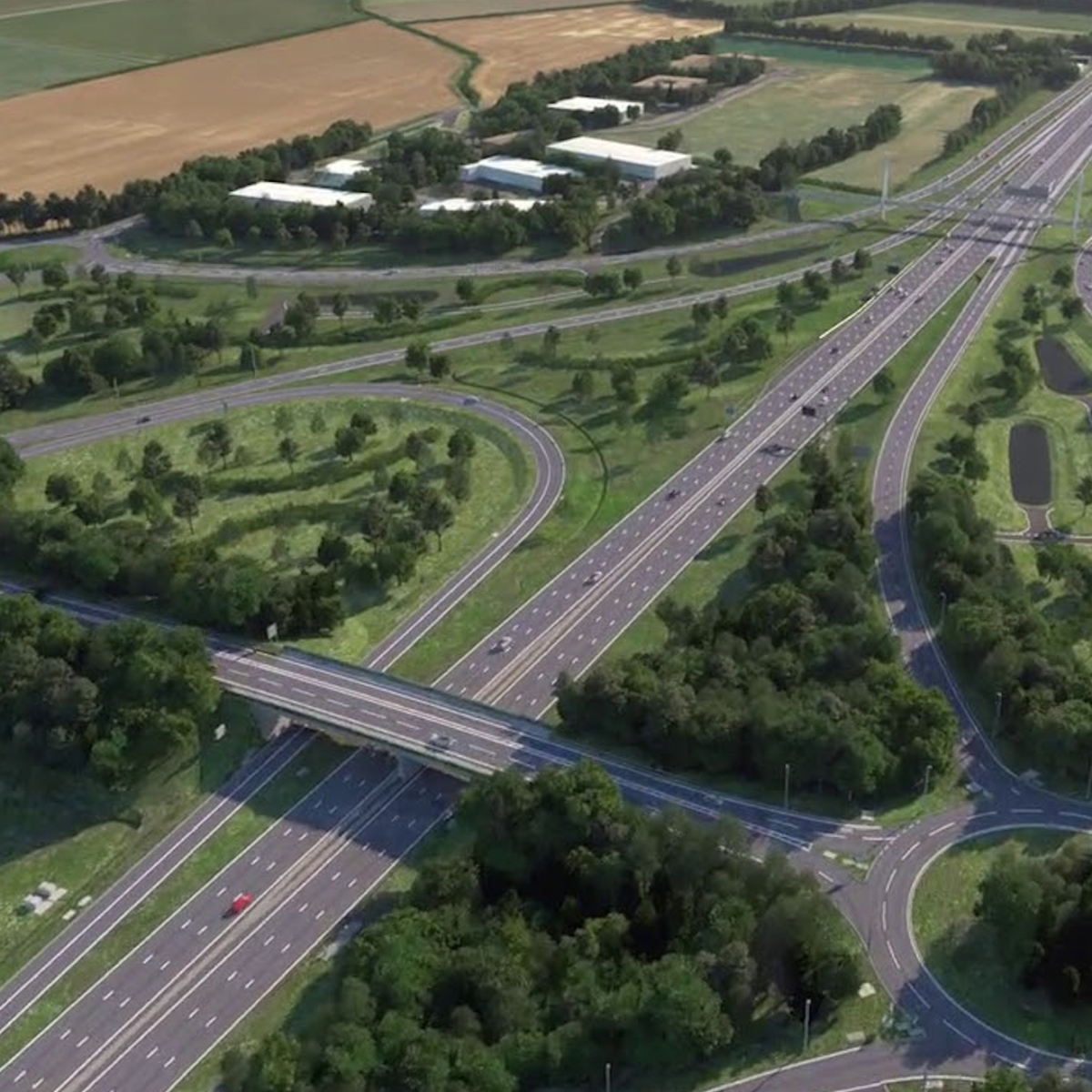
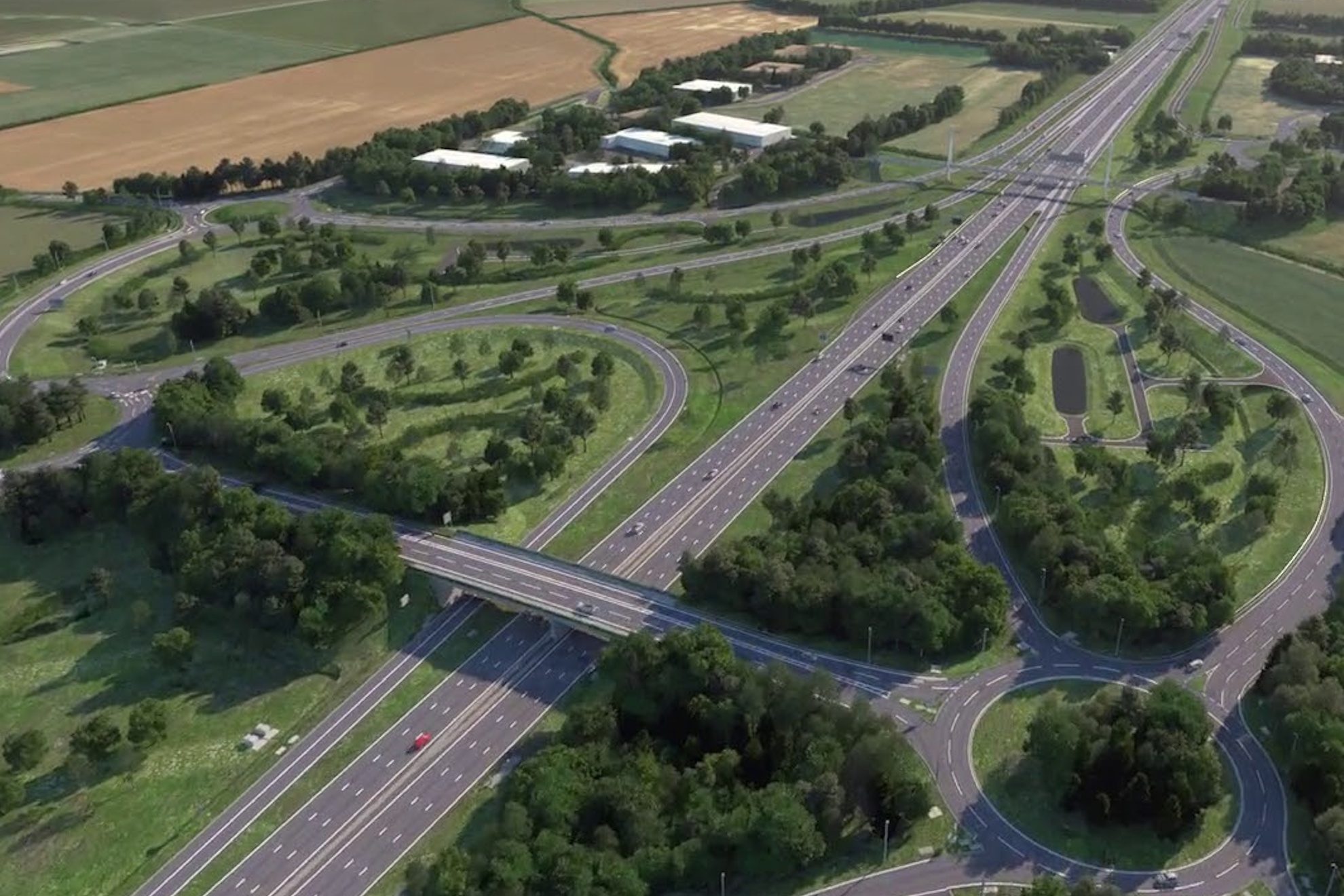
The expansion of the A14 between Cambridge and Huntingdon , in the United Kingdom , was presented as a major infrastructure project that would also improve the natural environment. However, five years after its opening, the public company responsible acknowledged that the project had left biodiversity and the environment in worse condition than expected.
Major infrastructure projects often come with promises of environmental compensation. The construction of roads, tunnels, or new routes involves altering the landscape, occupying land, and disrupting the habitats of numerous species. That is why some projects include measures to reduce that impact, such as planting trees, creating green areas, or providing spaces for wildlife. But things do not always turn out as planned. One example is the A14 , an English road whose expansion ended up becoming a particularly striking case of failure in environmental management.
The project, which connects Cambridge and Huntingdon , cost around £1.5 billion ($1.9 billion) and was inaugurated in 2020. The project envisaged an 11.5% improvement in biodiversity compared to the situation before construction. To achieve this, the public company National Highways , responsible for England’s main roads, planted approximately 860,000 trees as a measure to offset the impact of the infrastructure.
However, a large number of those specimens did not survive. An investigation published by The Guardian on July 5, 2025 reported that estimates of tree mortality were between 50% and 70% . A presentation given in 2022 to local representatives had already indicated that 70% of the specimens had died. Subsequently, a project official suggested that the figure could be around 50%.
The trees died and new replanting attempts also failed
The The Guardian investigation described stretches of the road where plastic tree guards still stood lined up along the roadside, but with no living specimens inside them. It also pointed to problems with other environmental mitigation measures: some animal crossings were dry and filled with debris, while several ponds created to support wildlife had accumulated mud and sediment.
Among the explanations offered by those responsible for the project was the choice of species unsuitable for the land and planting in places that did not meet the necessary conditions. A National Highways official acknowledged that the wrong trees had been planted in the wrong locations. He also admitted that two previous replanting attempts had failed again.
The company launched a new campaign between the autumn of 2023 and the spring of 2024, during which it planted another 165,000 trees and shrubs . According to National Highways, a subsequent survey showed that nearly 90% of those new specimens had survived. However, Cambridgeshire County Council said it had not received enough information to know where the plantings had been carried out and to verify their results.
The British Parliament also questioned the use of public money
The case regained prominence in April 2026, when the British Parliament reported new concerns about the management of the project. According to the Environmental Audit Committee, the then chief executive of National Highways, Nick Harris , had apologized for the inaccuracy of statements made to the committee in November 2025.
Specifically, it had initially stated that the costs of the replanting, estimated at £2.9 million , had been covered by the contracting companies. However, the Government confirmed that the money came from public funds. Parliament also recalled that, in August 2023, it had already been reported that 45% of the trees originally planted had died.
The Secretary of State for Transport expressed concern about the lack of precision and transparency in that appearance. In addition, she announced that new conditions were being studied for collecting and disseminating environmental information on major road works once they had been completed.
The A14 case thus raises a question that goes beyond the survival of the trees: how to verify that the environmental measures promised to compensate for a major infrastructure project are actually being fulfilled . The road was completed, but the actions intended to improve biodiversity did not achieve the expected results. And, years later, the British authorities are still reviewing what went wrong and how to prevent it from happening again.