VA Benefits Lawyer: For which claims do you need one and how much can they cost?
Veterans can handle many claims without an attorney, but legal help may become especially valuable after a denial
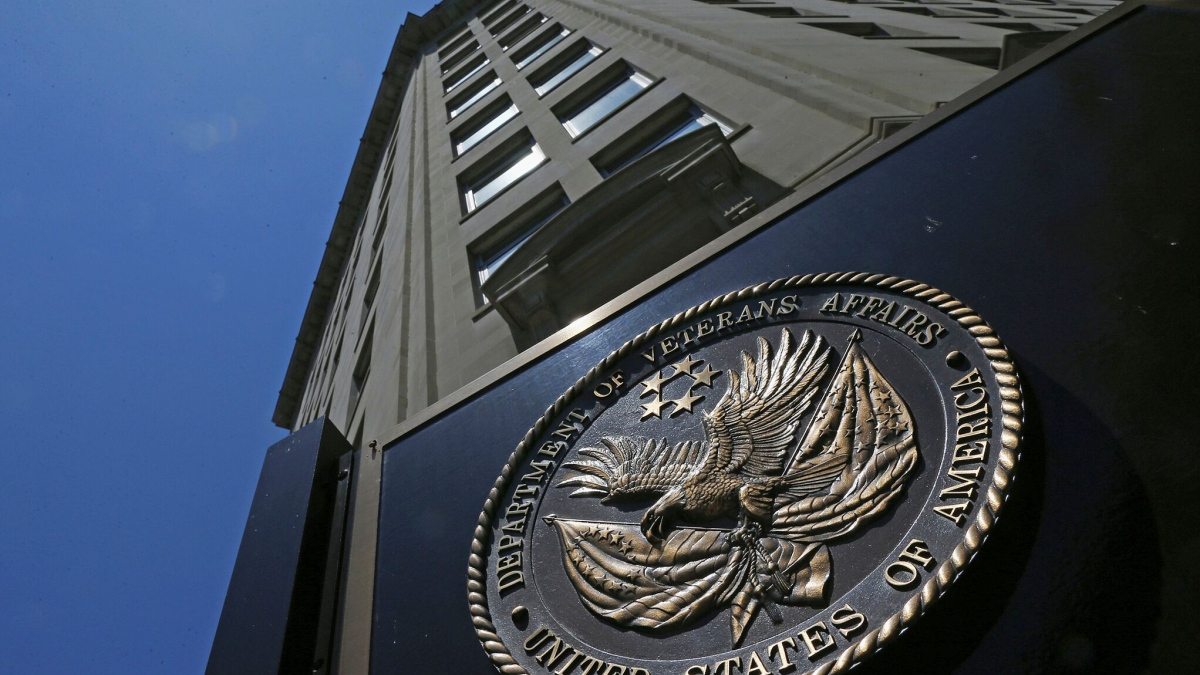
Applying for VA disability benefits does not automatically mean a veteran needs a lawyer. The Department of Veterans Affairs allows veterans to file claims themselves and also offers free assistance through accredited Veterans Service Organizations , or VSOs.
However, a VA -accredited attorney or claims agent can become particularly useful when a claim is denied, evidence is difficult to obtain, or the veteran needs to challenge the VA's decision.
The distinction is important because legal representation is not generally something veterans need to pay for when filing an initial claim. VA says accredited VSO representatives provide their services on benefit claims for free.
Accredited attorneys and claims agents, meanwhile, are generally permitted to charge for representation after VA has issued a decision on the initial claim and the other legal requirements have been met.
For many straightforward cases, hiring an attorney from the beginning may not be necessary. A veteran with clear service records, a documented medical diagnosis and strong evidence connecting the condition to military service may be able to file without paid representation.
VA itself provides resources for veterans to file disability claims and says an accredited attorney, claims agent or VSO representative can help with the process.
The situation can become more complicated when the medical evidence is incomplete or the connection between a current condition and military service is disputed.
DisabilitySecrets identifies missing diagnoses, incomplete medical records, psychiatric or otherwise difficult-to-document conditions and an unclear service connection as circumstances in which legal assistance may be particularly helpful.
An attorney can also assist with gathering records, developing evidence, handling communications with VA and preparing arguments for an appeal.
When a VA benefits lawyer can make the biggest difference
A lawyer may be especially valuable after VA has denied a claim or awarded a disability rating that the veteran believes does not accurately reflect the severity of the condition.
At that point, the case can move into one of several decision-review pathways, including a Supplemental Claim, Higher-Level Review or appeal to the Board of Veterans' Appeals.
The Board appeal process has specific deadlines. Generally, a veteran has one year from the date on the VA decision letter to request a Board Appeal.
If the Board ultimately rules against the veteran, an appeal to the U.S. Court of Appeals for Veterans Claims generally must be filed within 120 days of the Board's decision.
That is one reason veterans may choose to bring an attorney into the case after an initial decision.
A lawyer familiar with veterans law can review the evidence, identify potential errors in the VA's decision and determine which review option may be appropriate. DisabilitySecrets also notes that representation can be particularly useful once a case reaches the appeals stage.
However, hiring an attorney is not a requirement. VA allows veterans to represent themselves, and accredited VSOs can provide assistance without charging fees. VA's official representative search tool can be used to locate accredited VSOs, attorneys and claims agents.
How much does a VA disability lawyer cost?
The cost structure for VA disability attorneys is different from the traditional hourly model many people associate with lawyers.
Attorneys handling VA disability appeals commonly work under contingency arrangements, meaning their compensation is tied to a successful result and past-due benefits rather than requiring a conventional upfront retainer.
VA's current rules are particularly important when looking at fees. VA says an accredited attorney or claims agent can charge only after VA has made a decision on the initial claim, the veteran and representative have signed a fee agreement, and the appropriate appointment form has been submitted.
When VA directly pays an attorney or claims agent from a veteran's past-due benefits, the fee is generally limited to 20% of those benefits. VA's latest published fee data also states that a valid fee agreement and VA accreditation are required for this arrangement.
For example, if a successful appeal produces $30,000 in past-due benefits and the applicable fee agreement provides for a 20% fee, the representative's fee would be $6,000, leaving $24,000 of that back-pay amount for the veteran before any other applicable deductions or withholdings.
VA's rules also allow different fee structures in certain circumstances, so veterans should never assume that every law firm uses exactly the same arrangement.
VA guidance says fee agreements can be based on a fixed fee, hourly rate, percentage of benefits recovered or a combination, although additional restrictions apply when a representative wants VA to pay the fee directly from past-due benefits.
That makes the written fee agreement particularly important. Before signing, veterans should establish the percentage or other fee arrangement, when the fee becomes payable, what happens if the attorney is dismissed or withdraws, and whether any expenses are treated separately.
Do veterans need an attorney for every VA claim?
No. The choice depends heavily on the complexity and stage of the case.
A simple initial claim supported by strong military and medical documentation may be manageable without a paid lawyer. A veteran can also seek free assistance from an accredited VSO. VA specifically says VSO services on benefit claims are always free.
Legal representation becomes more compelling when a claim has already been denied, when the evidence is contested, when the veteran is seeking a higher rating, or when the case reaches the Board or federal court.
Attorneys can also be useful where the veteran has difficulty establishing the relationship between a current disability and military service or where the record contains significant gaps.
Most importantly, veterans should verify that anyone offering paid assistance is actually accredited by VA . VA says attorneys and other representatives generally must be accredited to assist with the preparation, presentation and prosecution of VA benefit claims.
Ultimately, a VA benefits lawyer is not an automatic requirement. For some veterans, a free VSO representative may provide everything they need.
For others, particularly those facing a complicated denial or appeal, the value of experienced legal representation can come from navigating the rules, developing the evidence and protecting important deadlines.
Understanding those differences, and the fee arrangement before signing anything, can help veterans decide whether paying for legal representation makes sense for their particular claim.