California prepares for El Niño: What you need to know
The state has activated emergency measures over a phenomenon that could change weather conditions in the coming months.
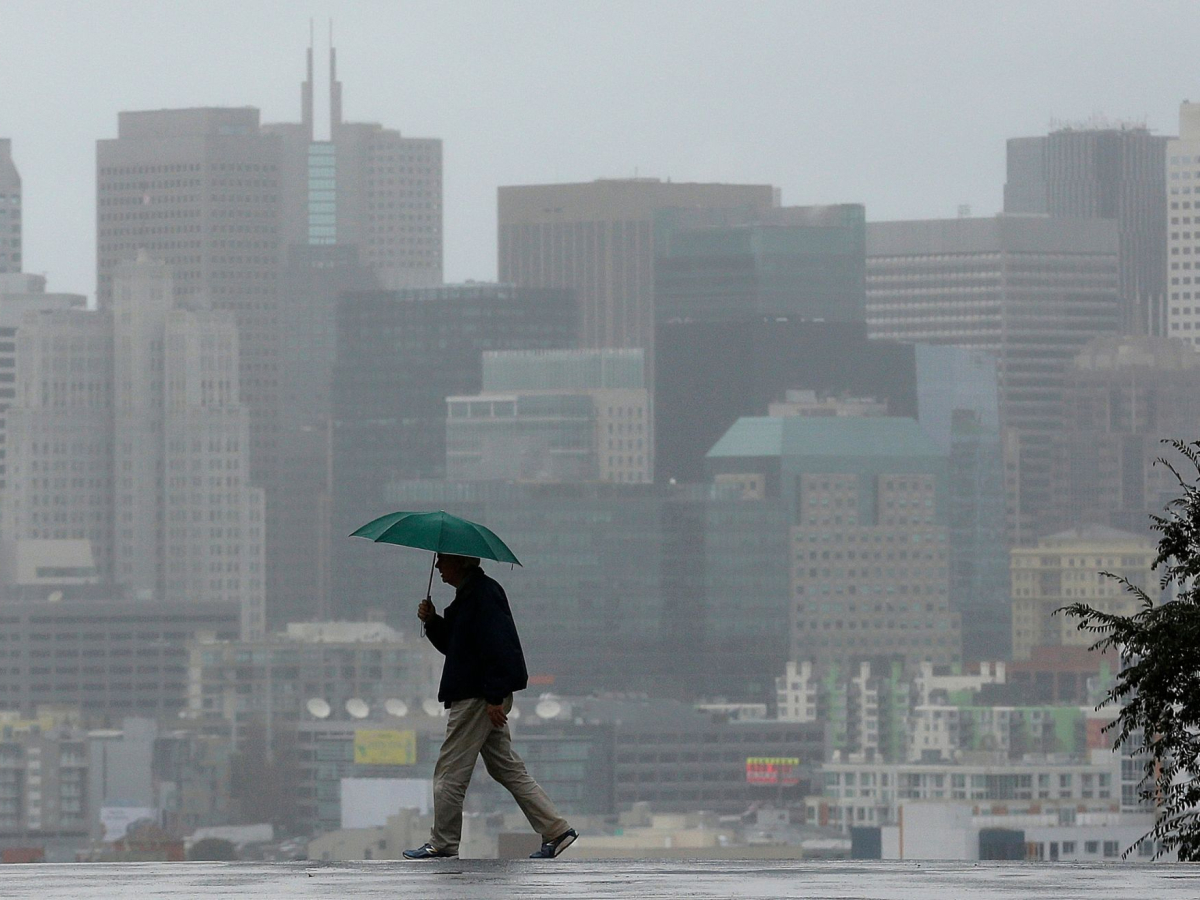
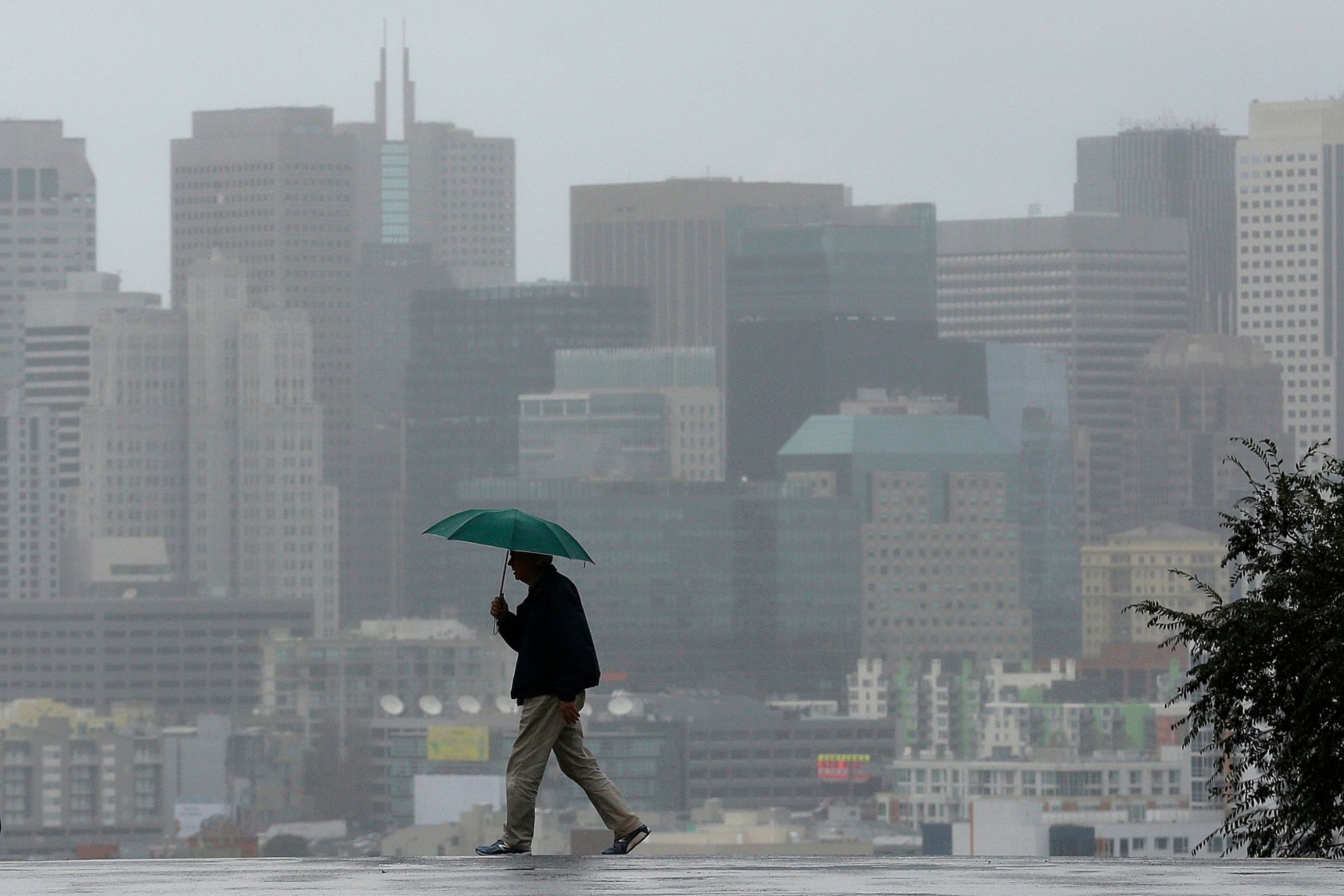
California has just made a decision that is putting the focus on what lies ahead . Governor Gavin Newsom declared a state of emergency over a climate phenomenon that could bring challenging conditions in the coming months. The reason? El Niño is gaining strength, and forecasts are keeping authorities on alert.
California is preparing before conditions get worse
Newsom’s declaration is aimed at getting the state ready to respond to possible storms, flooding and other effects associated with the phenomenon.
The timing also comes with an interesting detail: fall officially begins on September 22 , just as California enters a time of year when weather conditions can begin to change significantly.
There is also some recent history behind the state’s decision to act now. Santa Barbara County has experienced several storms in recent weeks, while some homes in Orange County have suffered flooding and significant damage.
The situation has also reached the coast. Laguna Beach, Dana Point and Carlsbad have declared states of emergency over erosion caused by extreme conditions, adding another concern as California approaches its wetter months.
But what exactly is El Niño?
El Niño occurs when surface waters in the central and eastern equatorial Pacific become warmer than usual. That change can alter atmospheric circulation and, in turn, weather conditions in different parts of the world.
Normally, trade winds push warm surface water across the Pacific toward Asia and Australia. When El Niño develops, those winds weaken or can even reverse direction, allowing more warm water to move eastward .
And that is where California comes into the picture, because changes in the Pacific can eventually have consequences much closer to home.
How can you prepare for El Niño?
The recommendation is simple: don’t wait for the rain to start before thinking about what to do.
Preparation measures include signing up for local alert systems, knowing the flood risk in the area where you live, identifying evacuation routes and having a family plan in case a road is closed or you need to leave your home.
It is also important to stay informed about weather conditions before traveling. And if a road is flooded, the guidance is clear: never drive through floodwater.