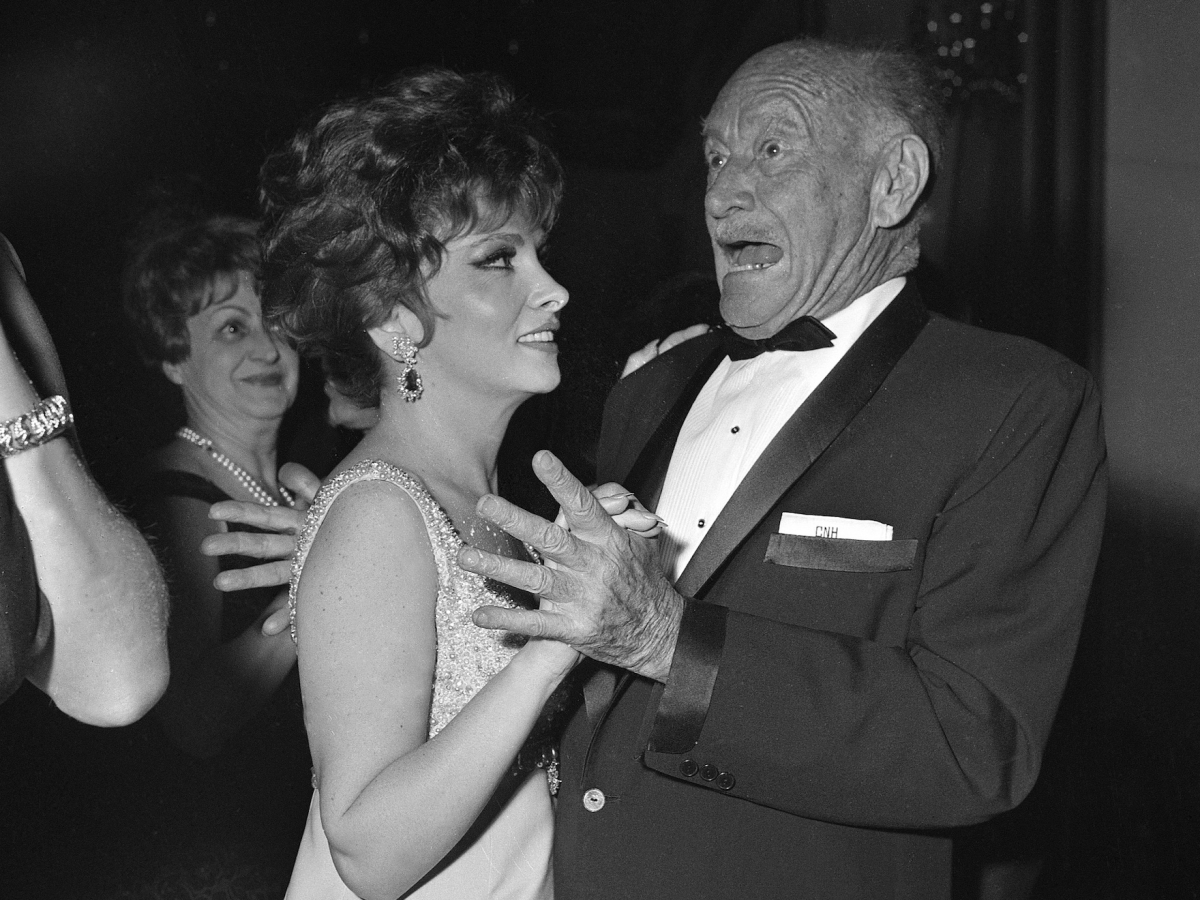
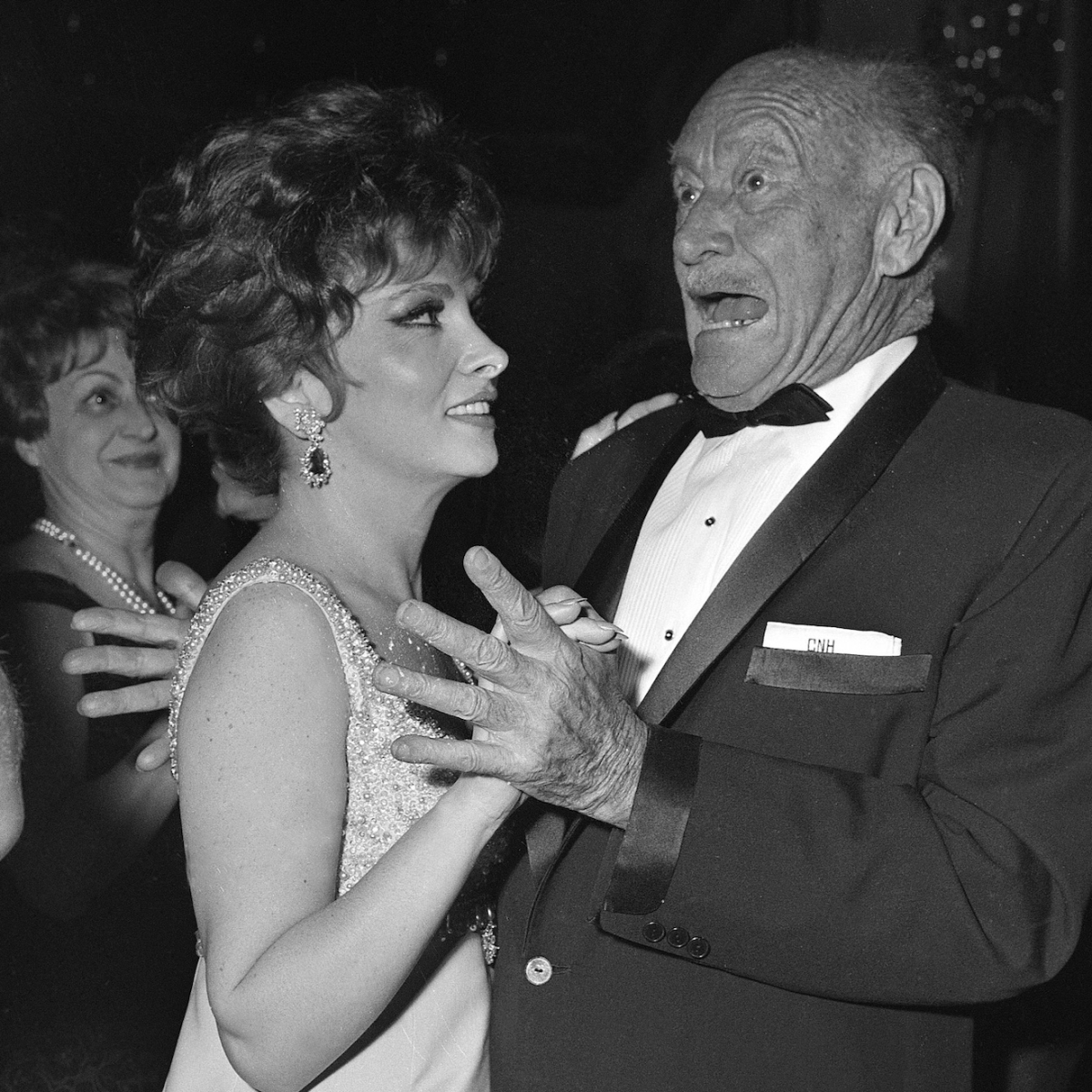
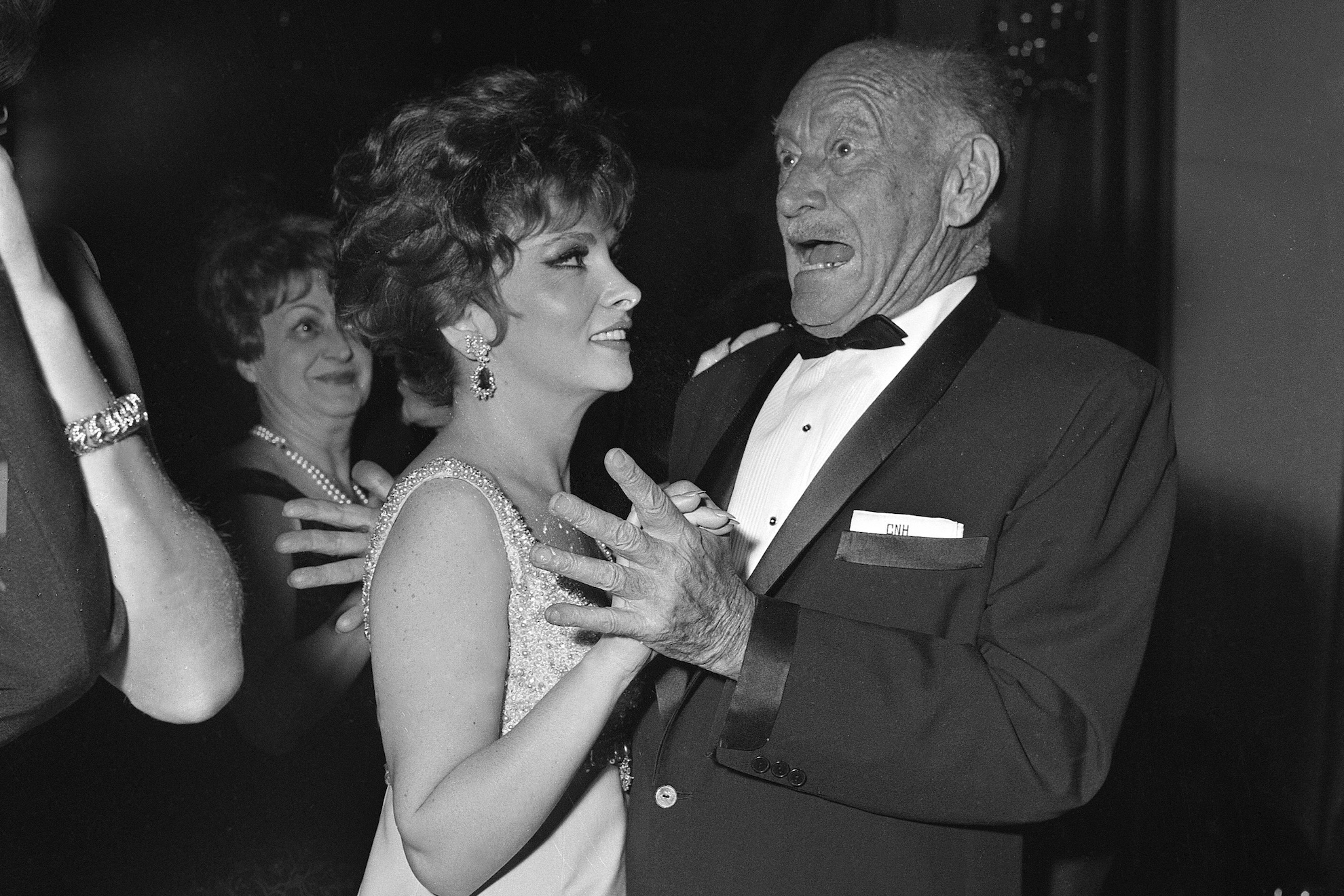
Conrad Hilton, businessman: "Success... seems to be connected with action. Successful men keep moving. They make mistakes, but they don't quit"
The hotel pioneer built a global empire by refusing to let setbacks become the end of the story
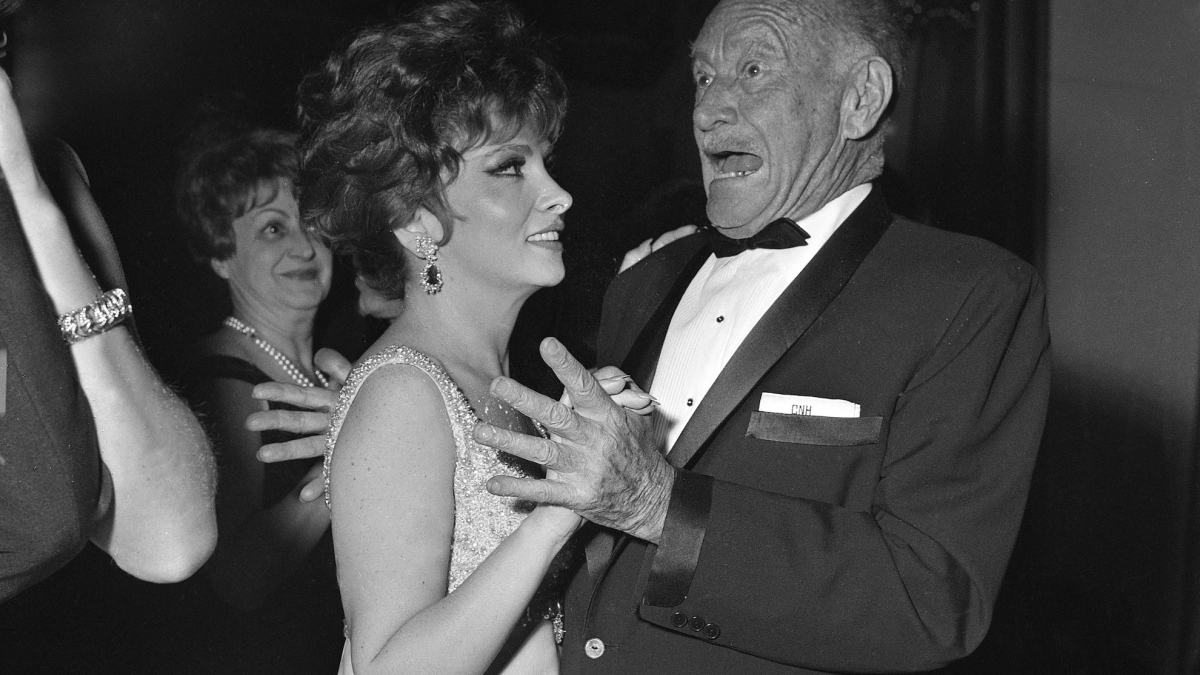
C onrad Hilton ’s career was defined as much by what he did next as by what he had already achieved.
“Success ... seems to be connected with action. Successful men keep moving. They make mistakes, but they don't quit,” Hilton said, capturing a philosophy that helps explain how a man born in territorial New Mexico went on to become one of the most influential figures in the hotel business.
Hilton ’s path was never entirely straightforward. After serving in World War I, he travelled to Texas intending to buy a bank, only to change course when he encountered a different opportunity during the oil boom.
That opportunity was the Mobley Hotel in Cisco, Texas. Hilton bought the property in 1919 after recognizing how quickly rooms were turning over, and the decision became the first step in a business career that would eventually stretch across the United States and beyond.
Acting before everything was certain
The power of Hilton ’s quote lies in its realism. He didn't argue that successful people avoid bad calls or setbacks. His point was that mistakes are part of progress, and that the defining difference comes from continuing to move when the outcome is imperfect.
That mindset was visible in the way Hilton expanded his company. He pushed into new markets, embraced hotel franchising and helped develop innovations that included an airport hotel and a multi-hotel reservation system.
His ambitions also extended to some of the most recognizable properties in the industry. The acquisition of New York’s Waldorf Astoria made national headlines, while the purchase of Statler Hotels in 1954 became one of the most significant real estate transactions of its era.
Hilton ’s approach rested on more than ambition alone. He valued timing, negotiation, financial discipline and what he described as choosing the right people for the right jobs.
He also summed up his broader outlook with another belief: “Man with God’s help and personal dedication is capable of anything he can dream.”
Legacy extended well beyond hotels
Hilton ’s definition of success was never limited to the size of his business.
In 1944, he created the Conrad N. Hilton Foundation as a vehicle for charitable work, reflecting his belief that wealth and influence carried a responsibility to help others. He later left the bulk of his fortune to the Foundation with the goal of alleviating human suffering around the world.
The organization has since awarded billions of dollars in grants and continues to support humanitarian initiatives, educational programs and international partnerships.
That part of Hilton ’s story gives his famous quote a wider meaning. He kept moving not only in business, but in the way he thought about responsibility, service and the use of success after it had been achieved.
The lesson remains strikingly simple. Mistakes didn't disqualify a person from success in Hilton ’s view. Stopping did.
That distinction is what gives his words their staying power as progress rarely depends on being flawless, but it almost always depends on continuing to move.