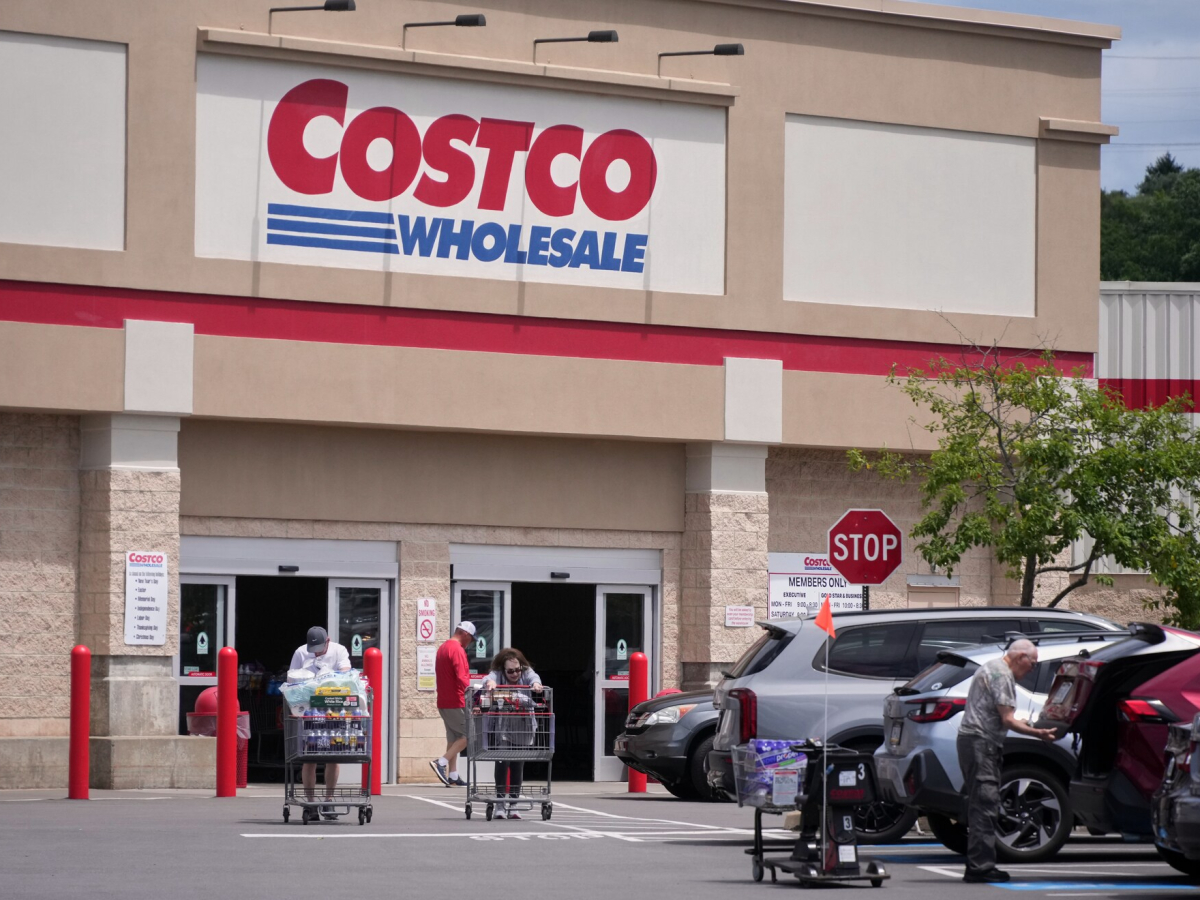
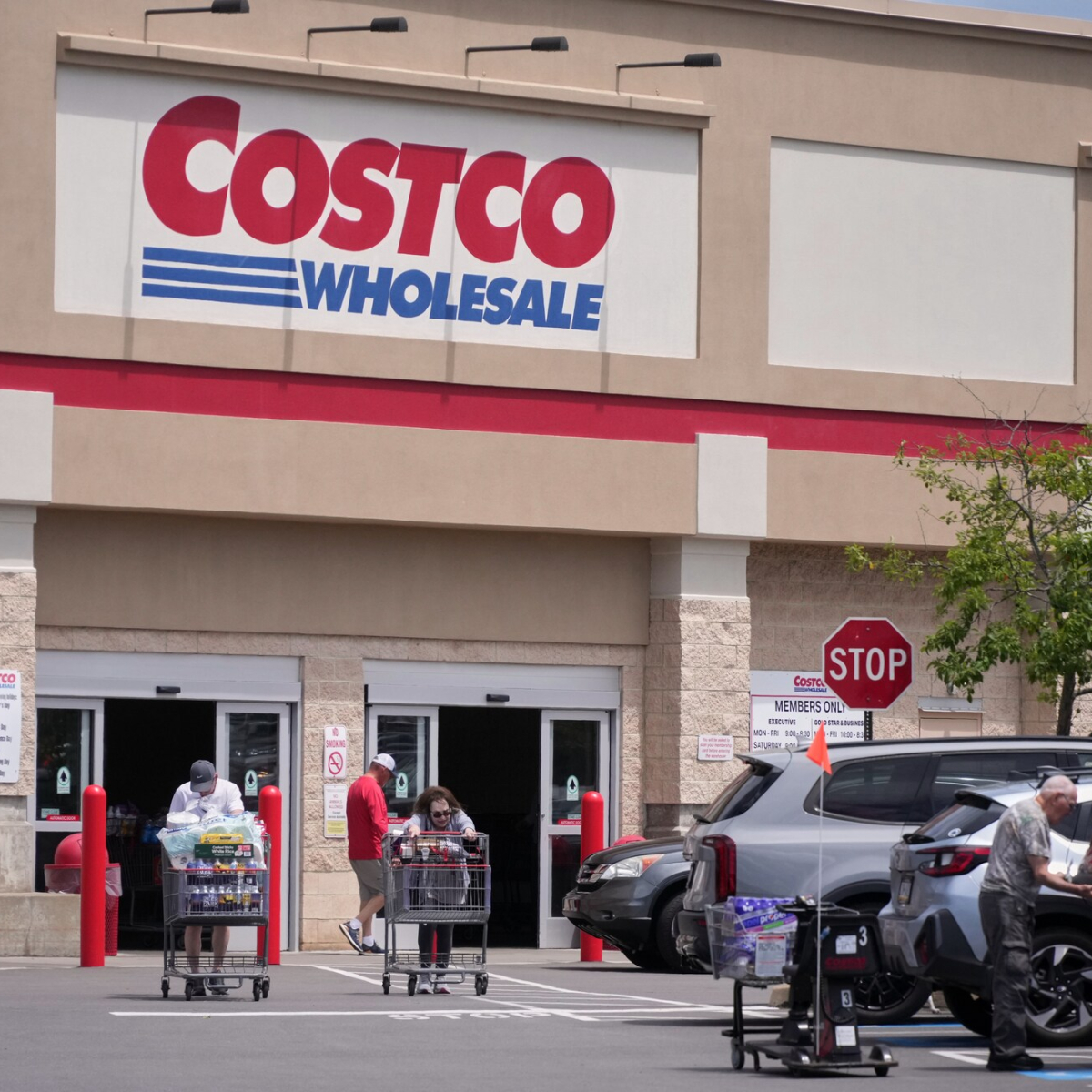
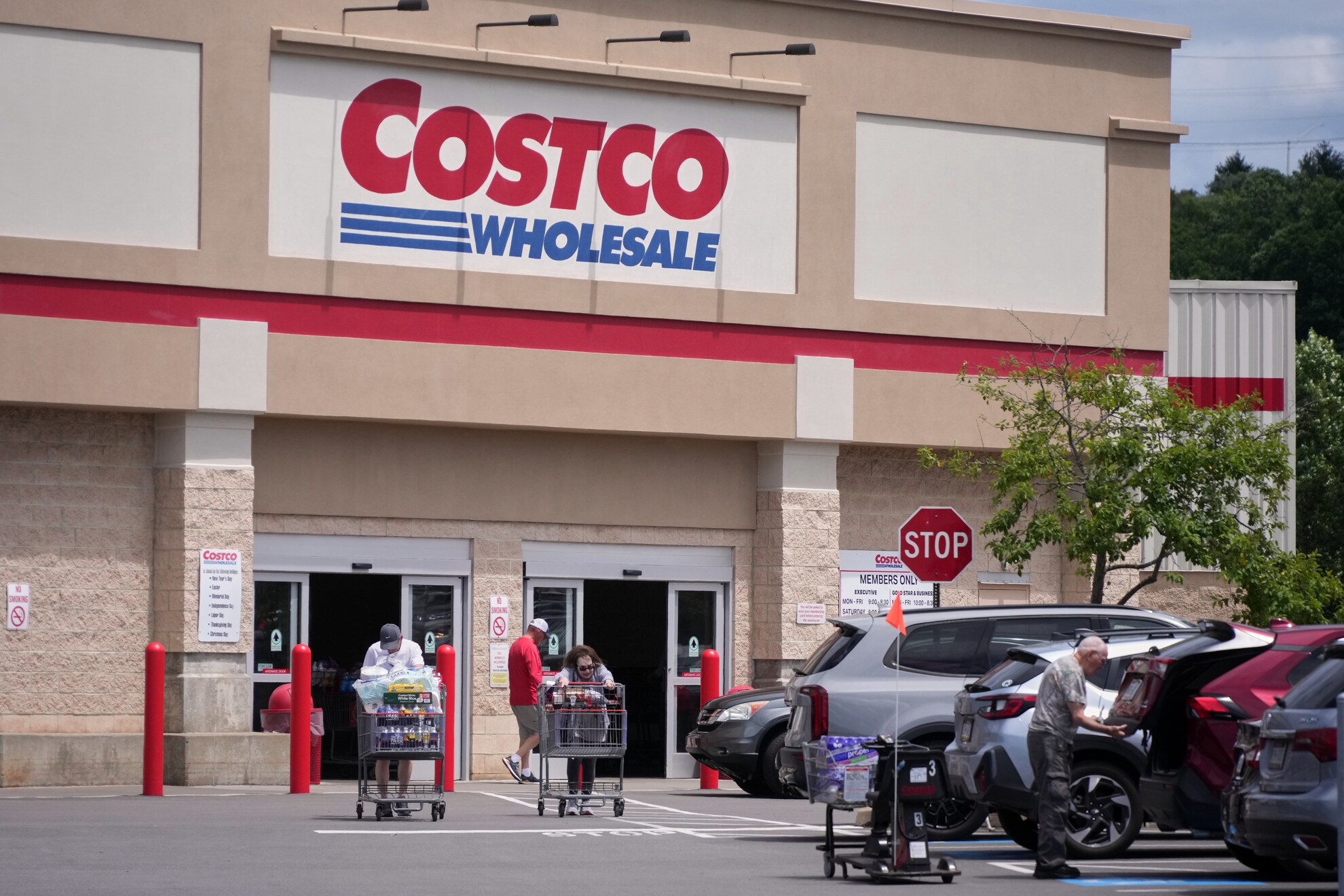
Costco Panic Buying: What is causing it besides the power outages and which products are running out?
A rapid string of nationwide tech failures, aviation ground stops, and viral social media rumors has sent shoppers rushing to warehouse clubs for backup generators and bulk essentials
Shoppers across the United States are once again crowding warehouse aisles and clearing out online inventories in a wave of emergency-preparedness buying at Costco .
According to a research note from investment firm Mizuho Securities, the surge in “pantry-loading” began in the final week of October and accelerated through mid-November.
Mizuho analyst David Bellinger estimated that Costco’s U.S. comparable sales, excluding gasoline, jumped between 11% and 12% during the last week of October, well ahead of the retailer’s 8.1% overall comparable sales gain for the month, prompting the firm to raise its price target on Costco stock from $1,100 to $1,150.
While anxieties over seasonal winter storms and localized electrical grid outages have contributed to the rush, analysts say the primary catalyst is a jarring succession of high-profile technology and infrastructure failures.
On November 12, a widespread Microsoft 365 outage caused by a software defect and capacity upgrade issue knocked Outlook, Teams, and Copilot offline for roughly 24 hours.
Just one day later, on November 13, overloaded air traffic control communications equipment forced the Federal Aviation Administration to issue a nationwide ground stop that halted U.S. flight departures for more than four hours and led to roughly 9,200 flight cancellations, the longest nationwide flight stoppage in 25 years.
Consumer unease deepened days later when separate technical glitches temporarily slowed transaction processing at JPMorgan Chase, delayed United Airlines departures for 90 minutes, and disrupted Apple services alongside a National Security Agency network.
Although federal leaders, including Transportation Secretary Sean Duffy, FAA Administrator Bryan Bedford , and Homeland Security Secretary Markwayne Mullin , stressed that the incidents were unrelated equipment and software faults rather than cyberattacks, viral posts on social media fueled “apocalyptic” speculation about prolonged blackouts and supply chain breakdowns.
In an email to Bloomberg, Costco Chief Financial Officer Gary Millerchip confirmed that the company observed heightened purchases of survival staples toward the end of October, “seemingly in response to a variety of concerns on social media.”
Retail analysts also note that early holiday hosting preparations and budget-conscious families buying everyday essentials in bulk have compounded the demand.
Generators, bottled water, and pantry staples are disappearing fastest
The sharpest inventory bottlenecks have hit high-ticket backup power equipment. According to Mizuho’s tracking of Costco’s e-commerce storefront, 21 of the 26 higher-priced generators offered online were completely sold out by Sunday evening, November 15, including a $7,000 Kohler standby generator.
Many households have turned to whole-home and portable power units to ensure refrigerators, medical devices, and heating systems stay operational if digital infrastructure glitches ever spill over into the power grid.
Alongside generators, Millerchip and retail analysts identified several core categories experiencing rapid sell-through both in stores and online:
- Bottled water and hydration supplies: Multi-pack cases of drinking water have been among the first pallets cleared from warehouse floors.
- Shelf-stable pantry foods: Bulk bags of rice, canned vegetables, proteins, and long-shelf-life emergency food kits have seen sustained spikes in order volume.
- Power and household necessities: Disposable batteries, flashlights, and bulky paper goods, including bath tissue and paper towels, are flying off shelves as shoppers build multi-week household buffers.
Mizuho analysts noted that the emergency-preparedness wave is unlikely to remain confined to Costco , projecting similar sales lifts for rival big-box and home improvement chains such as Walmart, Sam’s Club, Home Depot, and Lowe’s.
Emergency planners emphasize that while keeping a practical three-day supply of water, nonperishable food, and batteries on hand is sensible for any household, consumers should avoid impulse-buying heavy machinery, and remember that portable fuel generators must never be operated indoors or inside garages due to the lethal risk of carbon monoxide poisoning.