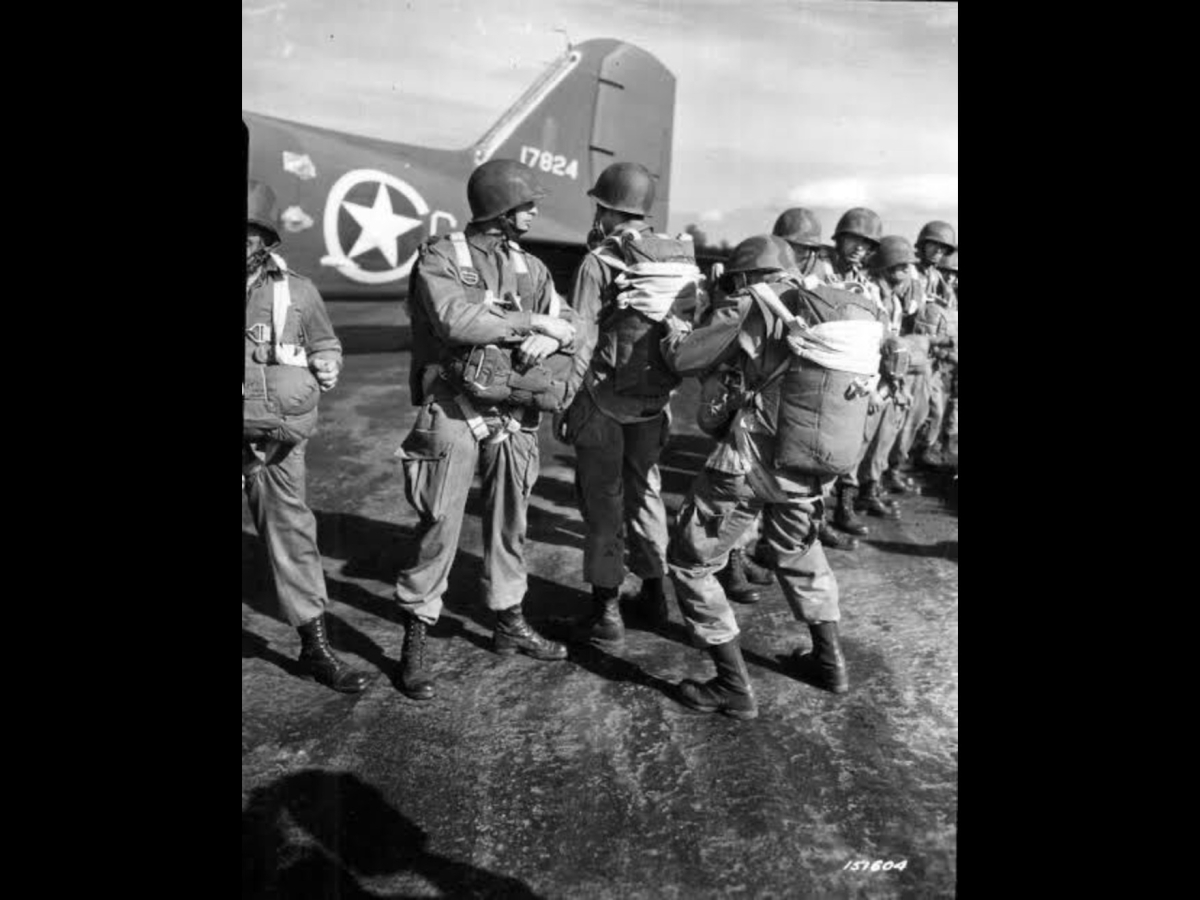
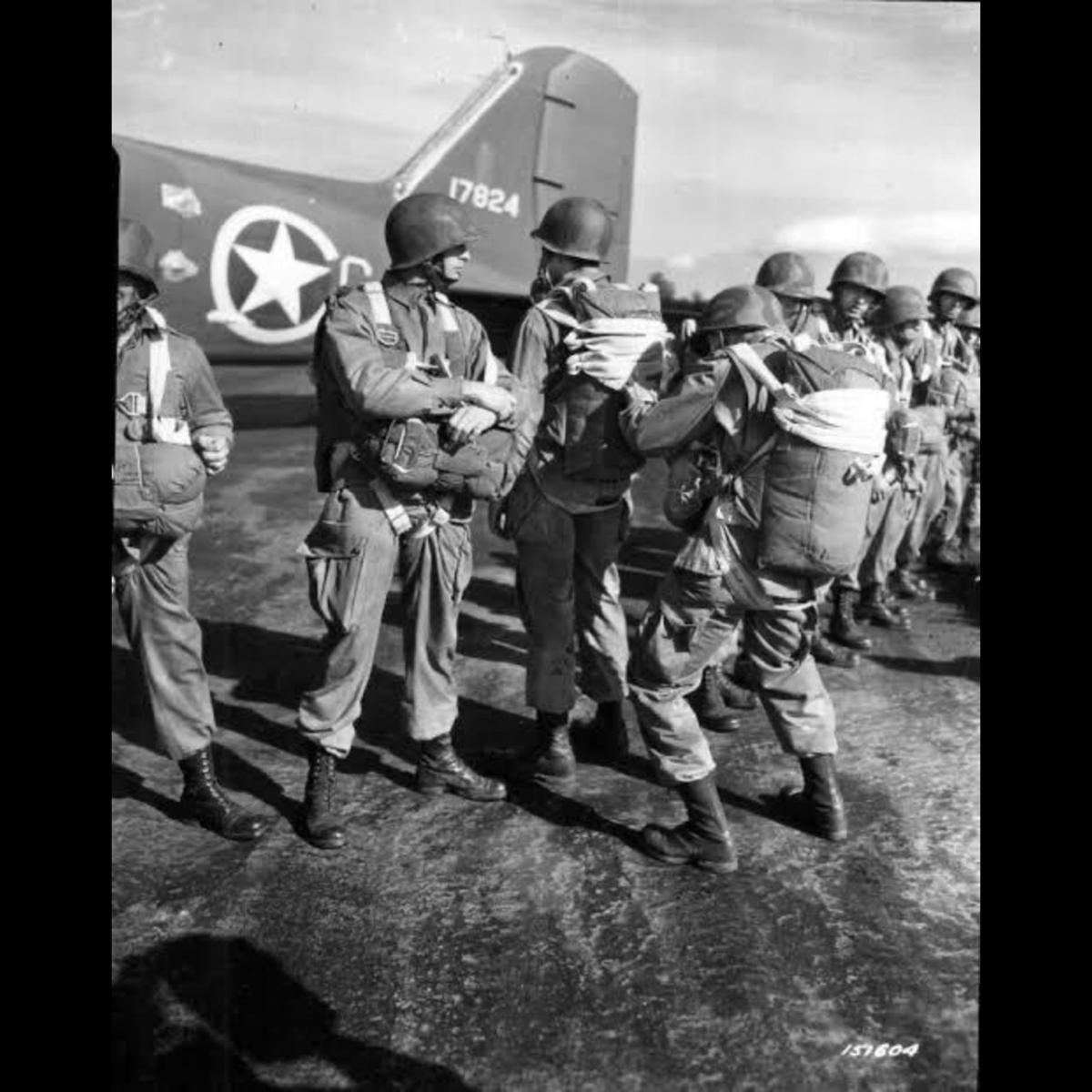
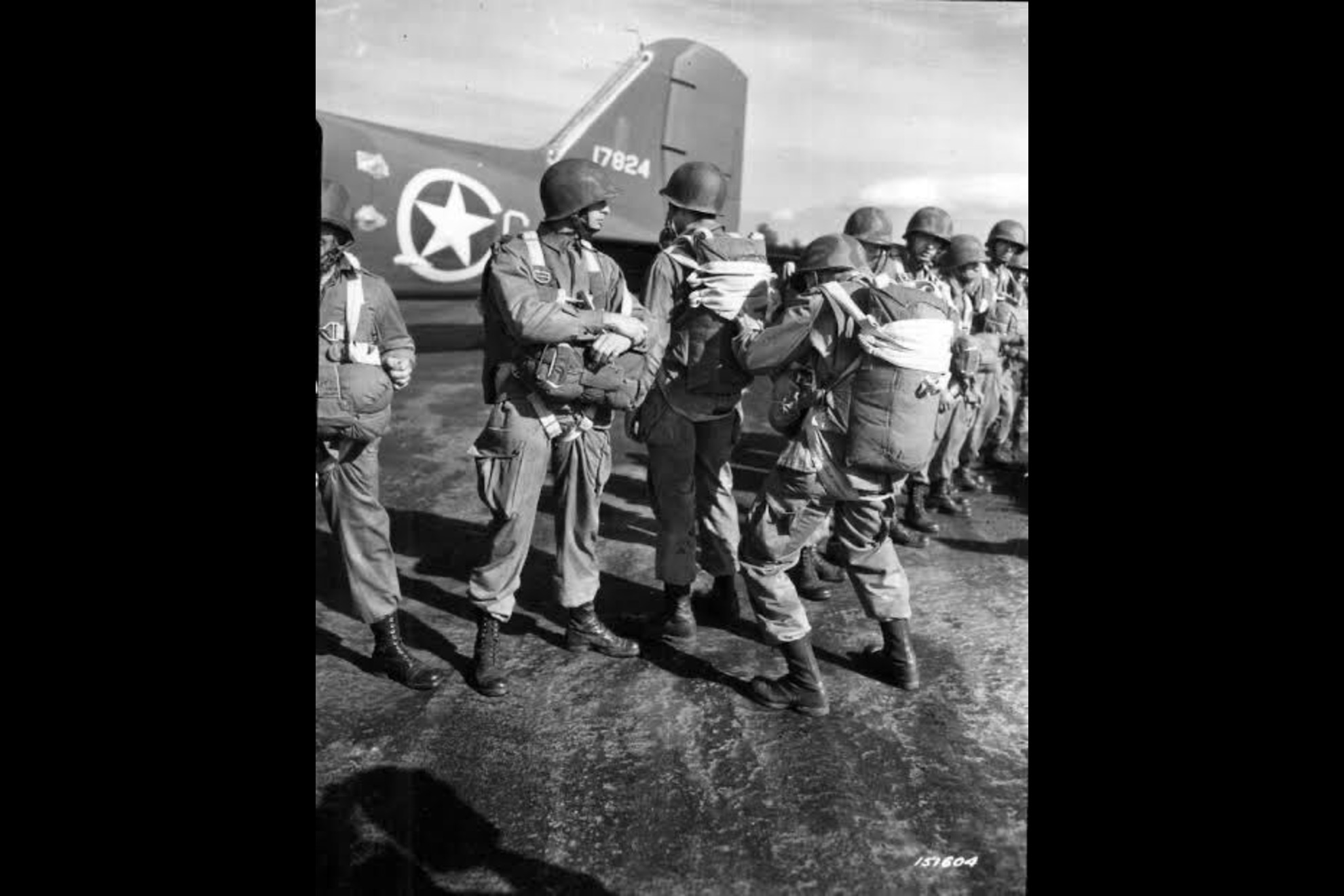
In 1943, Jim Rudy, a soldier in the Army Airborne Forces, recorded a voice message for his wife – and 74 years later, his shocked daughter found the long-lost record
A three-minute recording captured a young serviceman sharing jokes and affection with his wife shortly before heading to the front lines
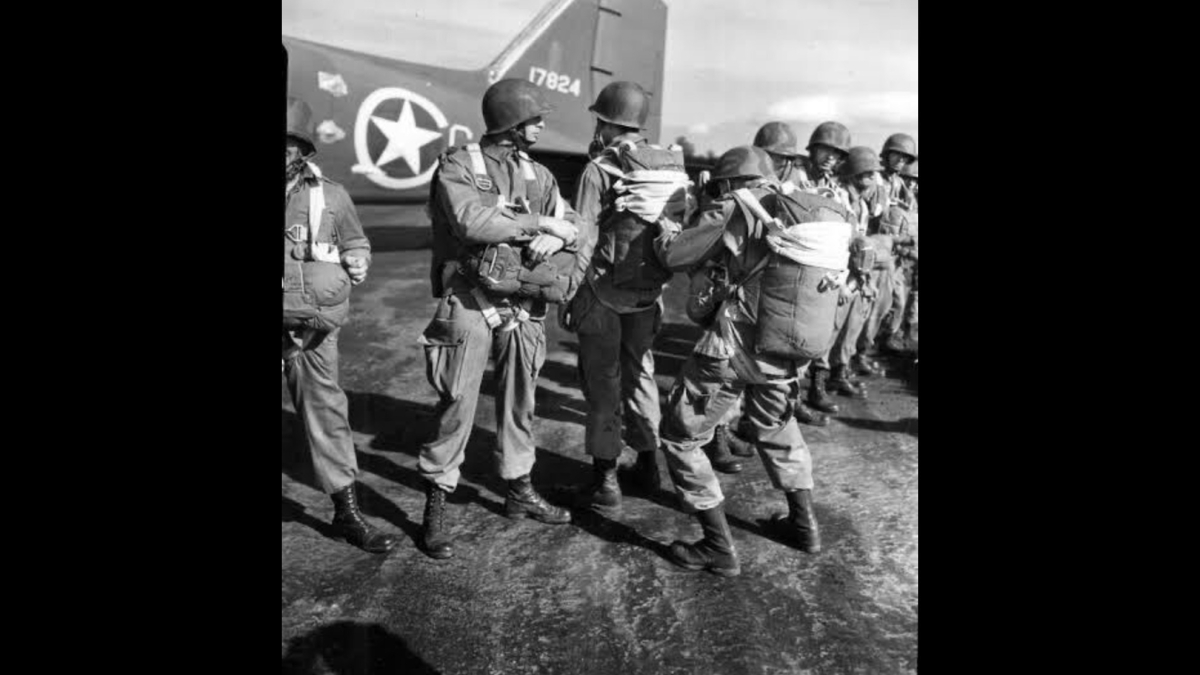
Some family treasures preserve more than memories and in 2017, Laurie Meyer discovered a small vinyl record among her family's belongings, containing the voice of her father, Jim Rudy - recorded 74 years earlier while he prepared to serve overseas during World War II . Rudy made the recording in Chicago on January 15, 1943, when he was in his early 20s and serving with the Army Airborne , and addressed to his wife, June , Meyer 's mother, the disc carried the affectionate title Love and Kisses – Jim .
Meyer remembered hearing it as a child but had long forgotten what her father had said and hoping the priceless recording could be recovered, she took the disc to Summit Video Services in Lee's Summit, Missouri where owner Chad Godfrey transferred the audio from the record and used digital software to clean it up. Discovering that the message had survived remarkably well, Godfrey , who had run the business for 12 years, said he had encountered only three similar World War II recordings described the audio as perfect, giving Meyer an opportunity to hear her father's young voice again after decades without the recording. Meyer listened alongside the KSHB 41 Action News team on a Thursday afternoon in March 2017 as the message lasted approximately three minutes, with Rudy explaining that he hoped the unusual greeting would make June happy because it was something different from receiving a letter. His humor quickly emerged as Rudy joked that his wife could simply switch him off if she did not enjoy listening, before revealing how much he missed her. At one point, he delivered a particularly touching confession as he lovingly said, “I am starving for your love and affection.”
A forgotten tradition of wartime communication
The recording also captured the ordinary details that made it so personal as Rudy joked that his pizza had frozen to his trousers in the bitter winter cold of a Chicago January, before explaining that he was running out of things to say and space on the record. He ended by calling June “honey” and promising to write to her again the following night. Meyer had described her father as a popular, much-loved man, and hearing his younger self speak with such warmth and playfulness was an emotional experience. Rudy 's disc was part of a wider practice during World War II , when recorded messages offered servicemen another way to communicate with loved ones as the Smithsonian explains that phonograph recordings became an additional option for military personnel sending messages home. The American Philatelic Society has also documented how Pepsi-Cola provided recording booths for servicemen, allowing them to create personal greetings for their families whilst Coca-Cola reportedly operated similar promotions, and relatives often played the recordings repeatedly. What began as a forgotten record became a lasting connection between generations, preserving a few minutes of love before he went to war.