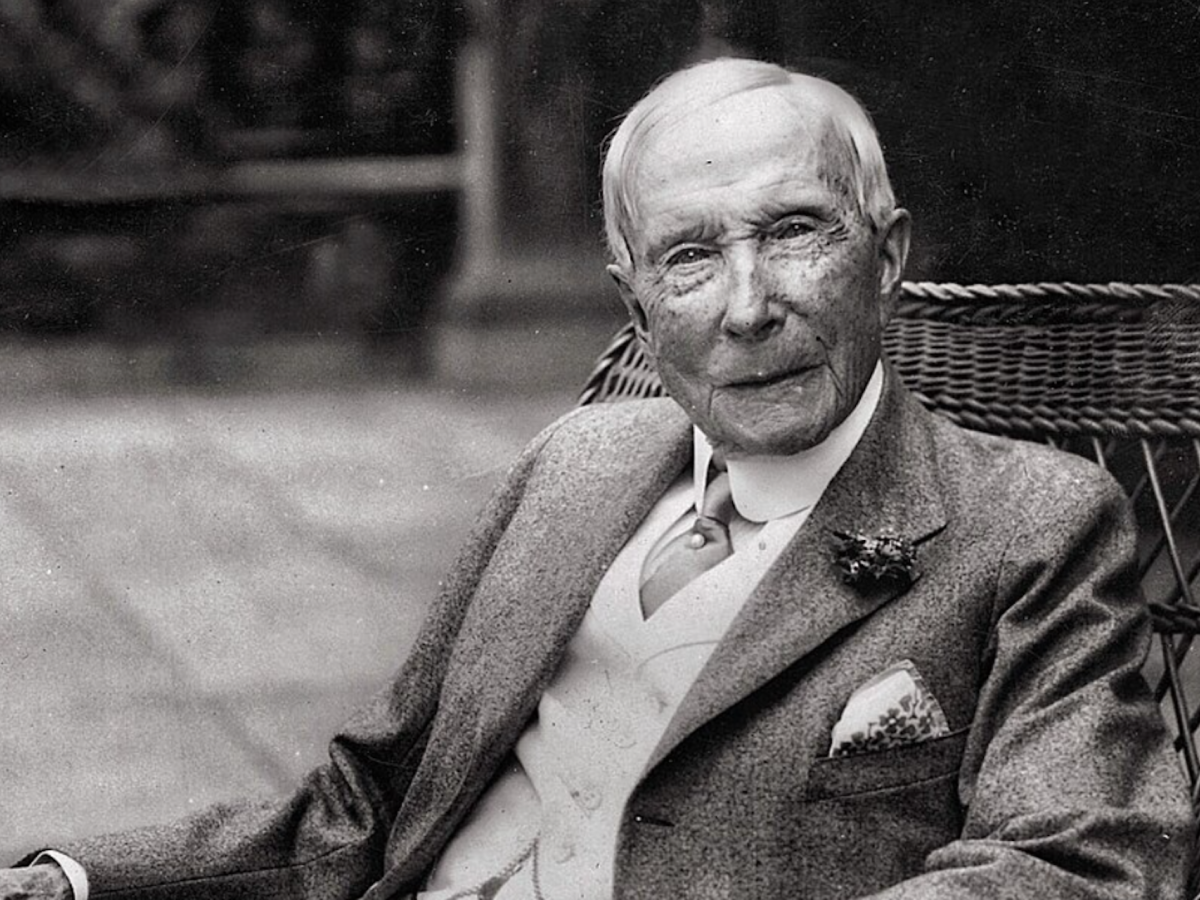
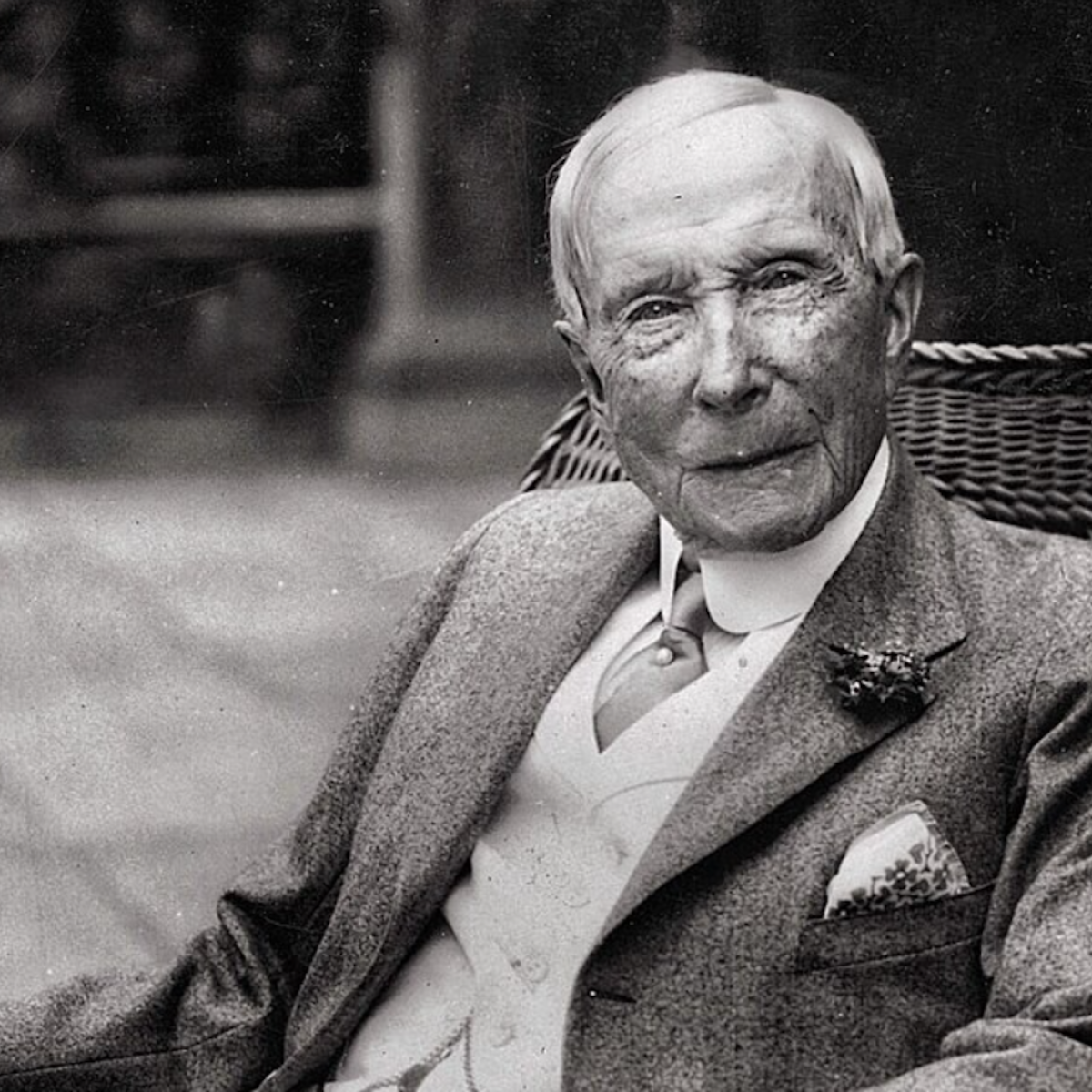
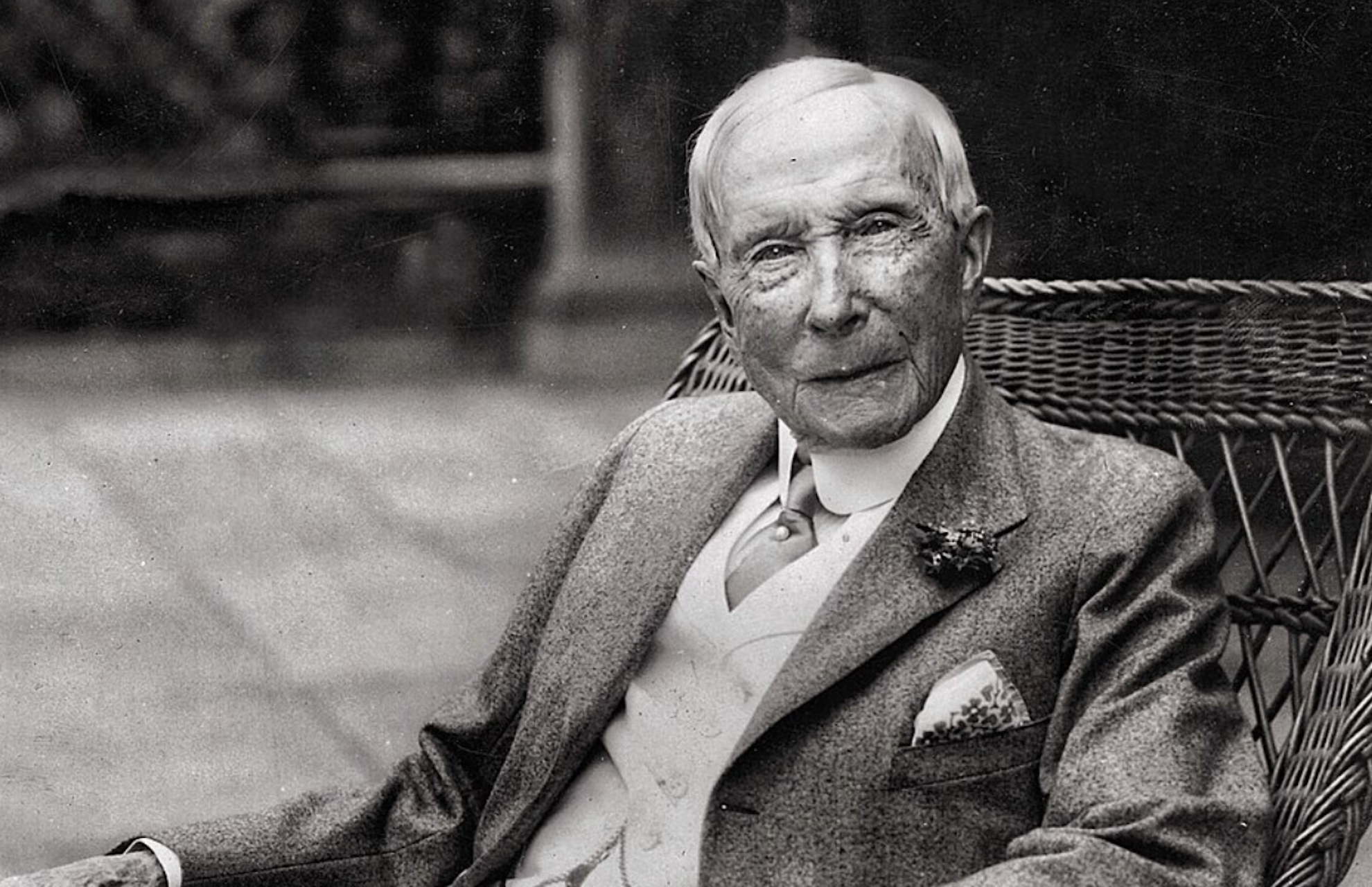
John D. Rockefeller, American businessman and philanthropist: "Don't be afraid to give up the good to go for the great"
The famous motivational saying encourages people to move beyond familiar success in pursuit of greater ambitions
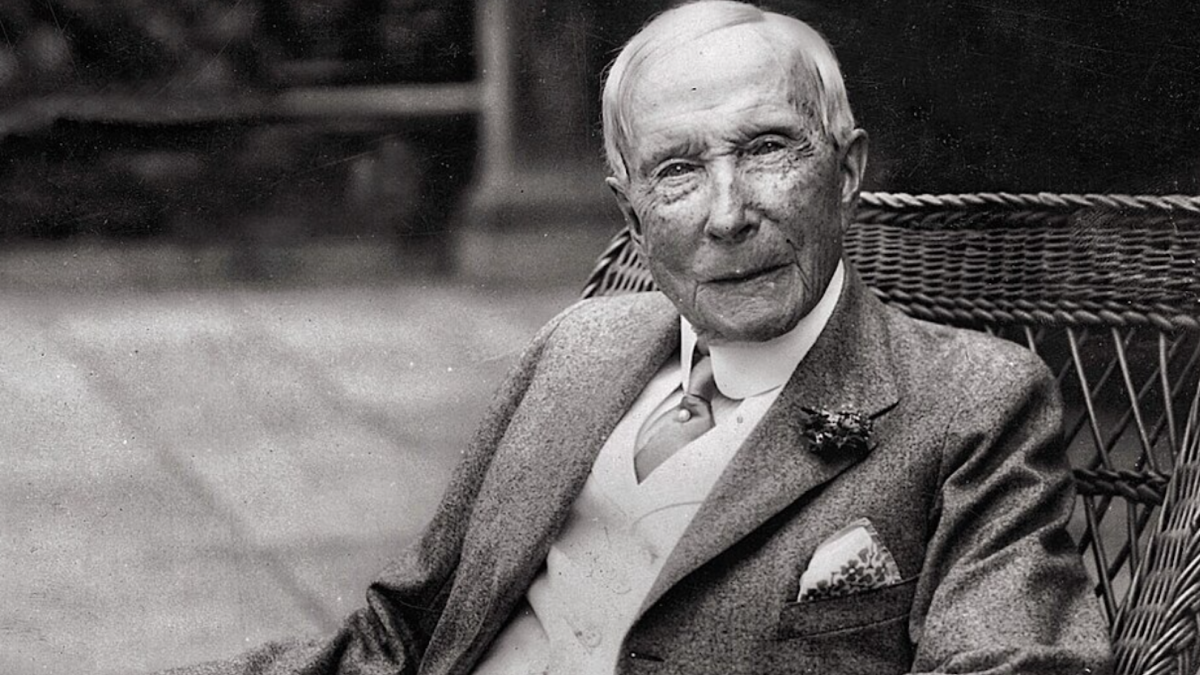
“Don't be afraid to give up the good to go for the great” is a popular expression about ambition, personal development and the difficult decisions that can separate ordinary achievements from extraordinary ones.
The message is straightforward: reaching a satisfactory level of success should not necessarily mark the end of a person's ambitions.
Sometimes, making meaningful progress requires leaving behind a situation that is comfortable, rewarding or familiar to pursue an opportunity with greater potential.
The saying is commonly associated with John D. Rockefeller , the American businessman who built Standard Oil into one of the most powerful companies in the United States and later became one of the country's most influential philanthropists.
It appears under his name on quotation websites, including Goodreads, and has circulated widely in discussions about business and personal achievement.
However, there is an important distinction between a quote's popularity and the evidence supporting its authorship. The saying's connection to Rockefeller has not been firmly established, and quotation researchers have questioned whether he actually said it.
That uncertainty does not diminish the idea's appeal. Its central lesson remains relevant to people considering a career change, entrepreneurs looking to expand their businesses or anyone who believes their current circumstances no longer reflect their full potential.
The thinking behind the quote and Rockefeller's remarkable career
Rockefeller's life offers a compelling backdrop for a saying about ambition, although there is no verified evidence that he personally expressed this particular sentiment.
Born in New York in 1839, Rockefeller began his professional life in bookkeeping before entering the oil-refining industry during the 1860s. In 1870, he helped establish Standard Oil, a company that would grow to dominate much of the American petroleum business.
His approach centred on efficiency, organisation and controlling different stages of the oil industry.
Standard Oil expanded rapidly, acquiring competitors and developing an extensive network of refineries, transportation arrangements and distribution operations. By the late nineteenth century, it had become an industrial powerhouse.
Rockefeller's business methods were also controversial. Critics challenged the company's concentration of economic power and its treatment of competitors.
In 1911, the U.S. Supreme Court ruled that Standard Oil violated federal antitrust law, resulting in the breakup of its parent corporation.
His legacy, therefore, is more complicated than a simple story of success. He was an exceptionally effective business builder, but his rise also became a defining example in the debate over monopolies, competition and corporate power.
The quote's message is particularly interesting when considered in that context. The idea of abandoning what is already working in favour of something better can apply to business strategy, but it should not be confused with taking risks indiscriminately.
Successful decisions often require research, patience and an understanding of what could be lost as well as gained.
For an entrepreneur, this might mean replacing an outdated business model with a more sustainable one.
For an employee, it could involve pursuing a new position that offers greater responsibility or opportunities to learn. In personal life, it might mean recognising that a comfortable routine no longer supports long-term goals.
Why the quote continues to resonate
One reason the saying has endured is that it challenges the tendency to become satisfied with achievements once they arrive. Reaching a goal can bring stability and confidence, but it can also make change feel unnecessarily risky.
The phrase encourages people to assess whether their current situation is genuinely the best option available or simply the easiest one to maintain. That distinction matters because progress sometimes requires giving up short-term comfort for a potentially greater long-term reward.
Still, the message should not be interpreted as an instruction to abandon every successful arrangement in search of something bigger.
A good opportunity can be worth protecting, and not every new possibility will produce a better outcome. The most useful interpretation is to remain open to improvement while weighing the risks carefully.
There is also a question of attribution. Wikiquote lists “Don't be afraid to give up the good to go for the great” among disputed Rockefeller quotations. Its research notes that an early published appearance identified the country singer Kenny Rogers, while the connection to Rockefeller emerged later. The saying's precise original author remains uncertain.
That makes it more accurate to describe the line as widely attributed to Rockefeller rather than a verified quotation from him.
Rockefeller himself left a substantial written record, including his 1909 memoir, Random Reminiscences of Men and Events.
Yet the famous wording has not been established as part of that work. This is a useful reminder that familiar quotations can become attached to celebrated figures over time, even when the original source is missing.
Ultimately, the enduring value of the saying lies in the question it asks of its audience: is a satisfactory result enough, or is there a realistic opportunity to achieve something better?
Whether the words originated with Rockefeller , Kenny Rogers or another unidentified author, they capture a challenge faced by people in almost every field.
Growth requires recognising when an existing achievement has served its purpose and deciding, with care and conviction, whether the next opportunity is worth pursuing.