Just a few hours to evacuate: How an unstable volcano in Spain could trigger megatsunami on the US East Coast
Researchers have debated whether a catastrophic Canary Islands landslide could generate destructive transatlantic waves
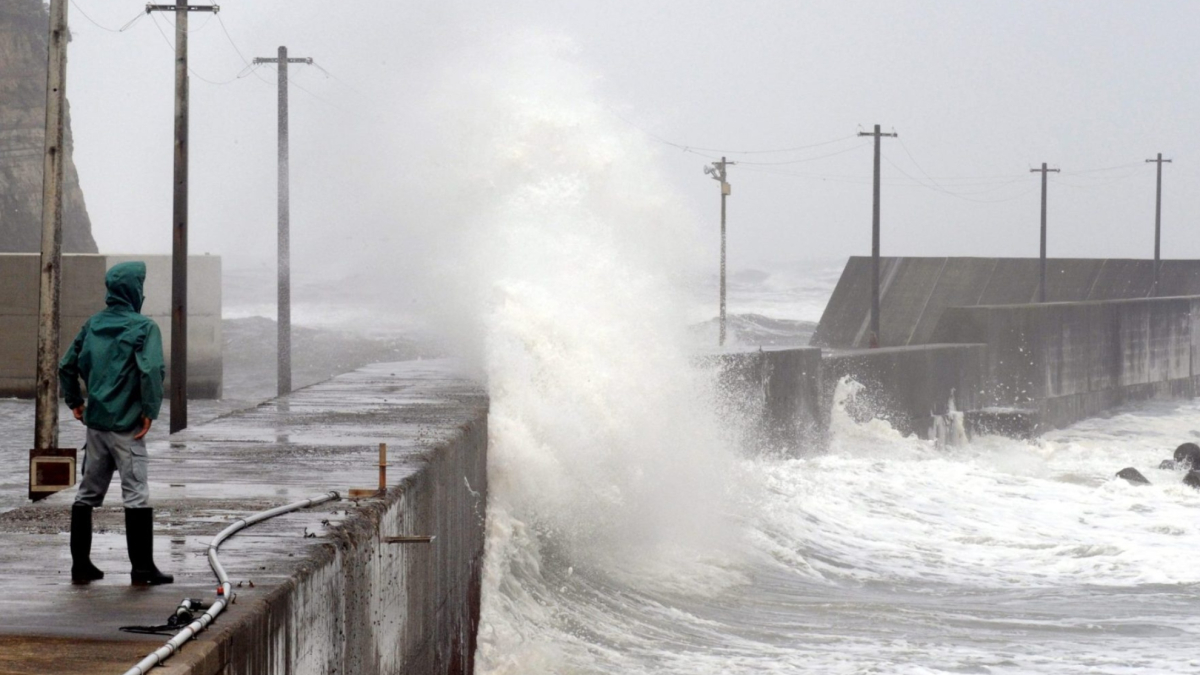
Millions of Americans living along the East Coast could face a devastating natural disaster if part of a volcano in Spain's Canary Islands collapsed into the Atlantic Ocean, according to a scientist who has spent decades studying the possibility.
Professor Bill McGuire , a British volcanologist, has renewed concerns about Cumbre Vieja on La Palma, where the western flank has long attracted attention because of its geological instability.
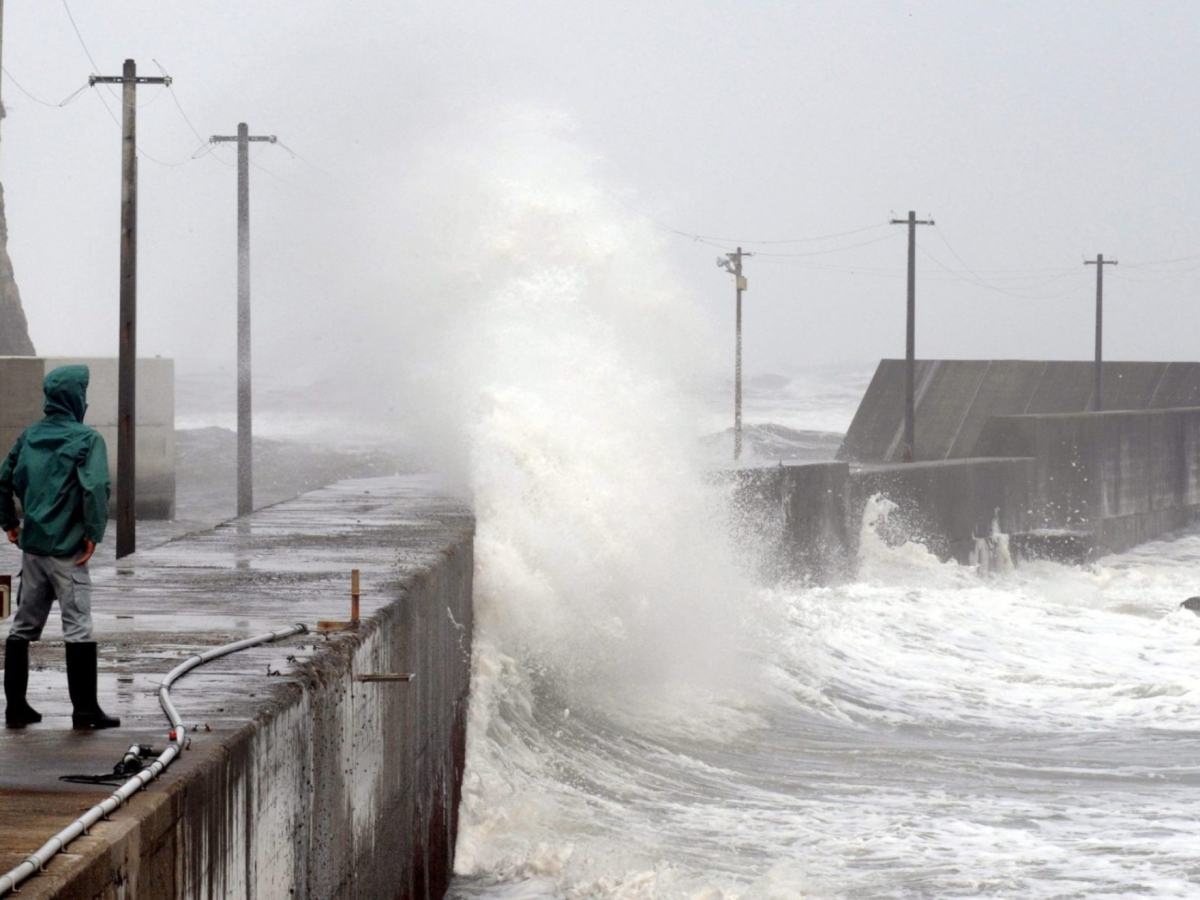
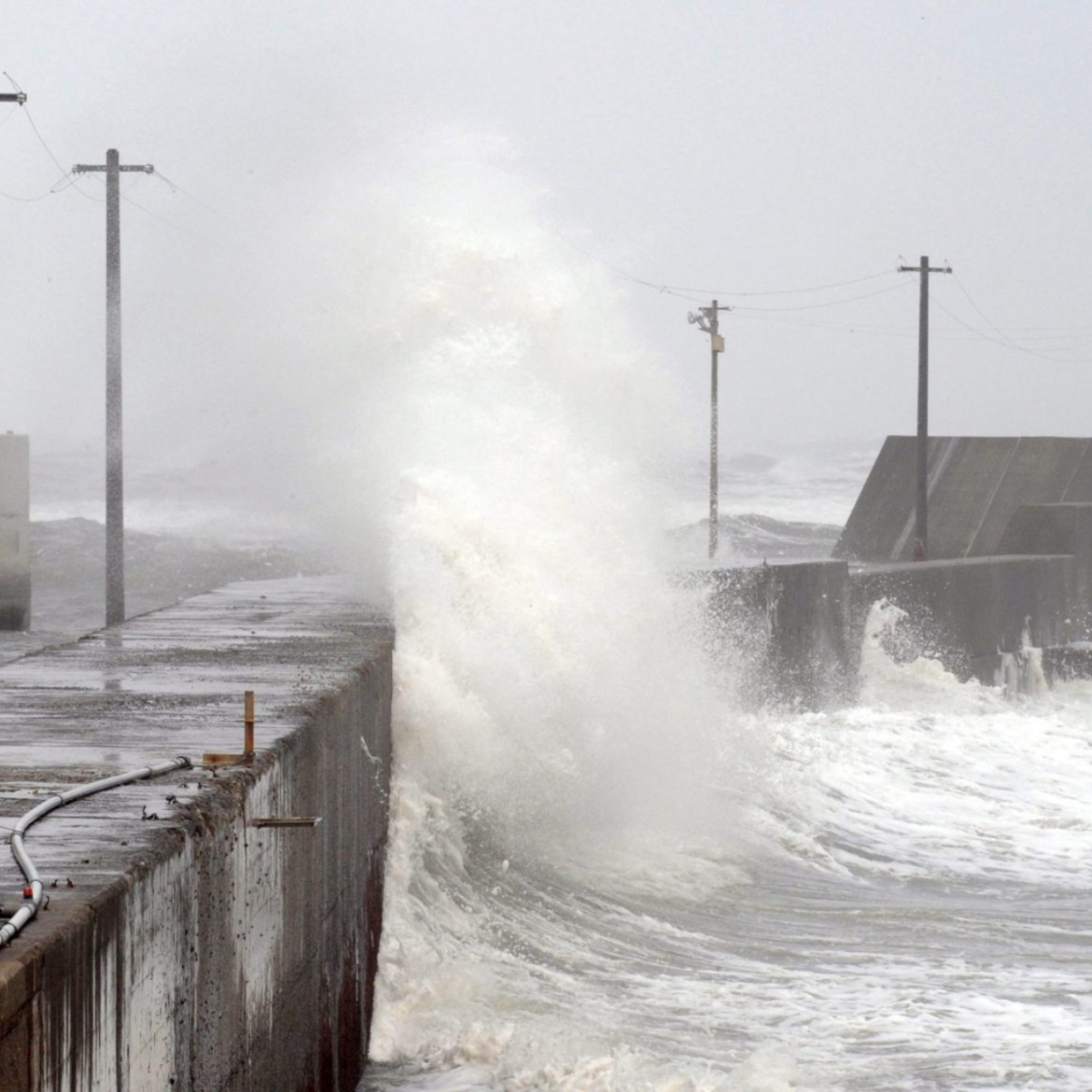
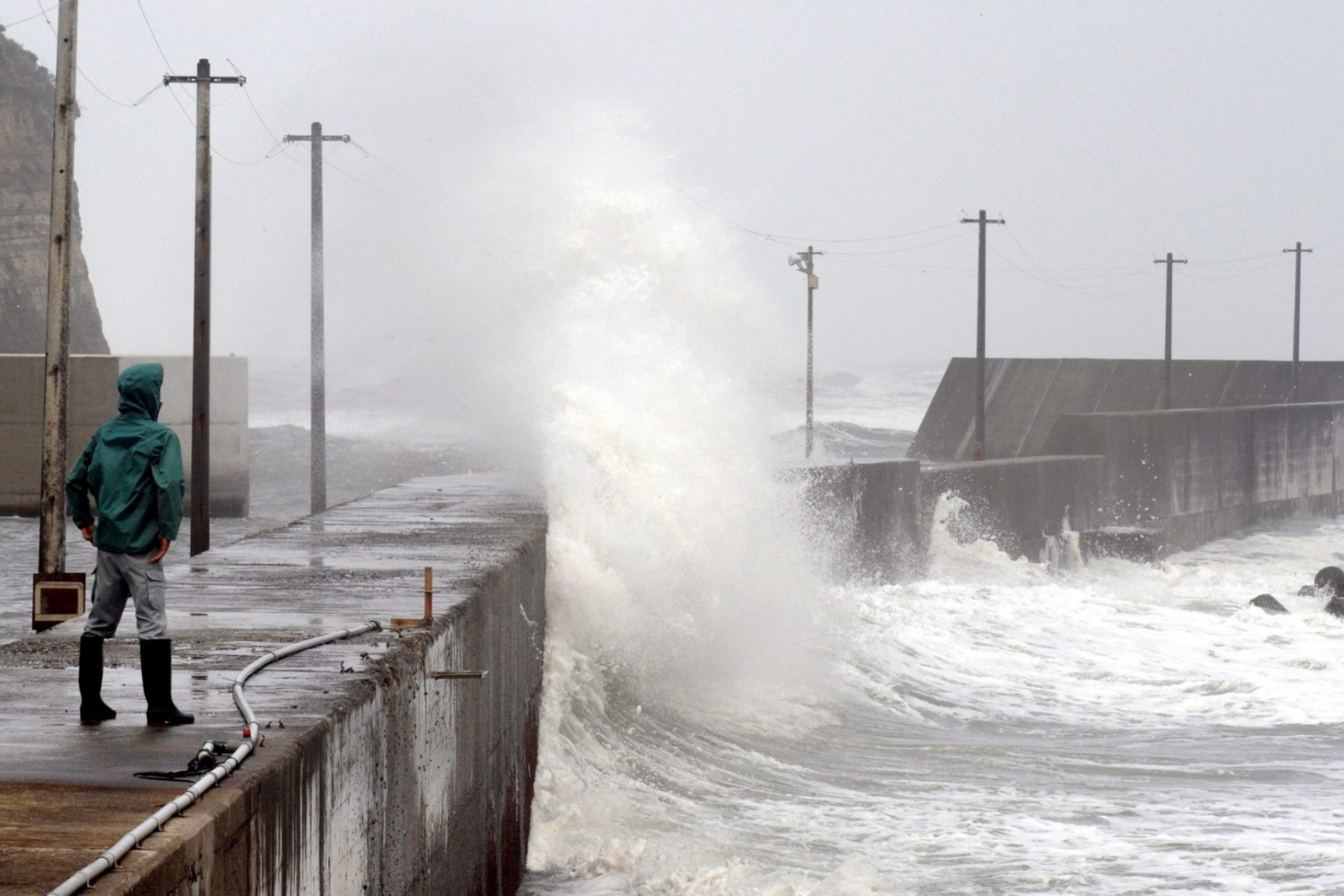
Unlike a conventional volcanic eruption, the scenario involves an enormous section of the mountainside breaking away and plunging into the sea, displacing enough water to generate a powerful tsunami.
McGuire believes such a collapse could produce waves reaching approximately 65 feet along parts of the United States coastline, with some simulations suggesting they could arrive within nine hours.
The warning has attracted considerable attention because of the limited time that might be available for emergency evacuations once a tsunami began crossing the Atlantic.
However, the scenario remains highly disputed, and there is no evidence that such a collapse is imminent or that coastal communities currently face an emergency.
McGuire 's concerns stem partly from fractures that developed along Cumbre Vieja 's western flank during an eruption in 1949, raising questions about the long-term stability of the volcanic ridge.
Research conducted during the 1990s suggested that parts of the mountainside were moving slowly toward the ocean, potentially creating conditions for a major landslide over geological timescales.
"Based on extensive studies, I expect this part of the flank will eventually crash into the North Atlantic, launching a megatsunami in the process," McGuire wrote in BBC Science Focus.
One early computer simulation suggested that an enormous collapse could create waves hundreds of meters high near La Palma before sending destructive energy across the Atlantic.
Under that extreme scenario, waves approximately 20 meters high could reach Florida within nine hours, potentially threatening densely populated coastal areas.
McGuire acknowledged the uncertainty surrounding the timing of such an event, suggesting that it could occur centuries or even millennia from now.
Why scientists disagree about danger to US East Coast
Despite the alarming projections, other researchers believe the potential consequences have been exaggerated by early models that assumed an enormous section of the volcano would collapse simultaneously.
More recent simulations have generally predicted substantially smaller waves reaching North America, with some estimates suggesting heights of approximately three to seven feet.
The US Geological Survey has also emphasized that a catastrophic collapse of Cumbre Vieja is unlikely in the foreseeable future.
Nevertheless, volcanic landslides can produce deadly tsunamis, as demonstrated when Indonesia's Anak Krakatau volcano partially collapsed in December 2018, killing more than 400 people.
McGuire argues that the destructive potential of these events makes continued monitoring essential, particularly on islands with active volcanoes and steep coastlines.
Modern technology allows scientists to track ground movements, seismic activity and changes in volcanic structures that could indicate developing instability.
Although a future collapse remains possible, no reliable prediction establishes when it might happen or how large the resulting waves would be.
The distinction is crucial: the nine-hour estimate describes a hypothetical tsunami's travel time, not an imminent evacuation deadline for Americans living along the East Coast.