Leonid Meteor Shower 2026: When will the peak be visible in the USA and what's the best way to see it?
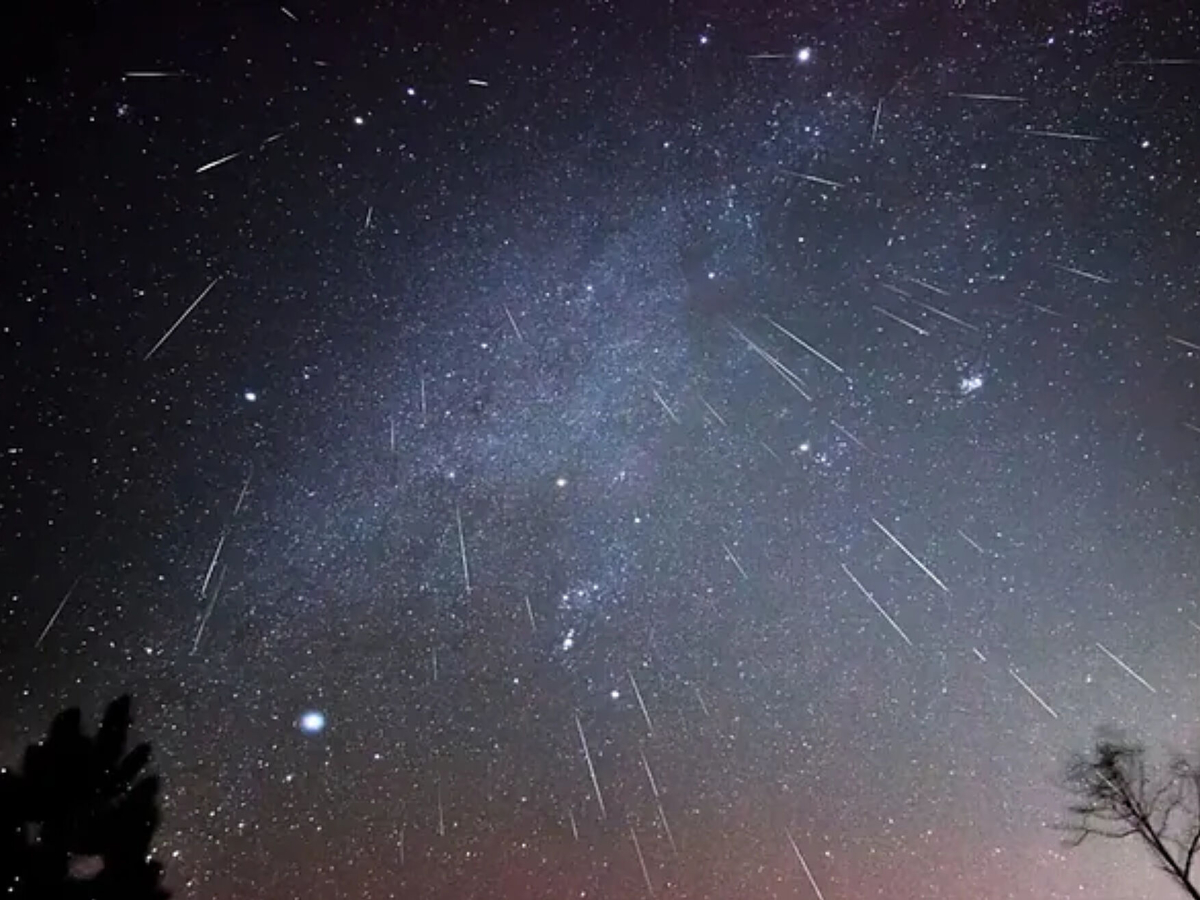
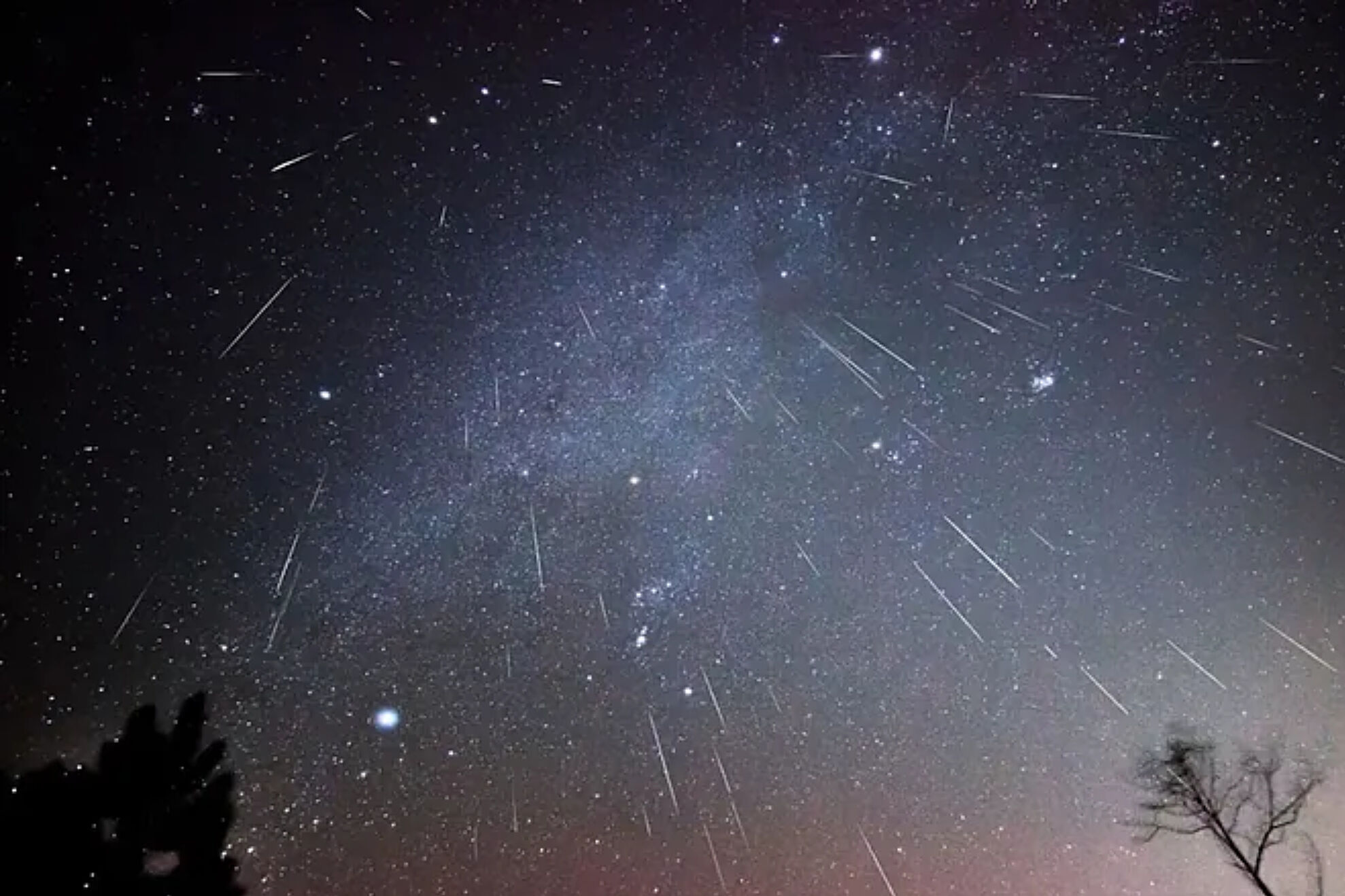
November's Leonid meteor shower is approaching its annual peak, offering skywatchers across the United States an opportunity to see bright shooting stars
A stronomy enthusiasts have another reason to look toward the night sky this November as the 2026 Leonid meteor shower prepares to reach its peak.
The annual event is expected to be most active around November 17–18, with observers across the United States having a chance to catch the display before sunrise.
According to predictions based on the International Meteor Organization's calendar, the shower could produce approximately 15 meteors per hour under ideal conditions.
The predicted maximum is around 6:45 p.m. Eastern Time on November 17, although the best opportunity for American viewers to spot the meteors will come later, during the overnight hours and into the morning of November 18.
NASA also identifies November 17 and 18 as the key mornings for watching the Leonids, recommending that observers head outside after the Moon has set.
The meteor shower is active from November 6 through November 30, meaning it is possible to see occasional shooting stars outside the main peak. However, activity is expected to be strongest around the middle of the month.
The Leonids are particularly interesting because of their speed. Their meteors travel through Earth's atmosphere at approximately 44 miles per second, making them among the fastest regularly observed meteor showers. Some produce bright flashes, colorful trails and occasionally spectacular fireballs.
Where and when to watch the Leonids in the United States
For American skywatchers, the most promising viewing period will be between midnight and dawn on November 18. Observers can also try the early hours of November 17, although the overnight period following the predicted maximum is particularly important.
The shower gets its name from the constellation Leo, which is the apparent origin point, or radiant, of the meteors. Leo rises in the eastern sky during the night, becoming better positioned for viewing as the early morning approaches.
However, observers should not concentrate exclusively on that constellation. Meteors can appear anywhere across the sky, and looking slightly away from the radiant can make their trails appear longer.
There is also an additional attraction this year. Mars and Jupiter will appear close together in the region of Leo, giving viewers another interesting feature to look for while waiting for shooting stars. Jupiter will be particularly bright, while Mars can be recognized by its reddish appearance.
According to NASA's November skywatching guide, the two planets will be especially close around November 15 and 16, providing an additional reason to observe the morning sky.
How to get the best view of the meteor shower
The most important factor is finding a location away from artificial lighting. City lights can make faint meteors difficult to see, so heading toward rural areas, open countryside or designated dark-sky locations can significantly improve the experience.
Moonlight should be less troublesome during the best viewing hours in 2026. The Moon reaches its first-quarter phase on November 17, but it is expected to set around midnight, leaving darker skies during the hours when the Leonids are best positioned.
NASA recommends giving your eyes approximately 30 minutes to adjust to the darkness. Avoid checking your phone frequently, since its bright screen can interfere with night vision.
You do not need a telescope or binoculars to enjoy the display. In fact, using the naked eye is preferable because it allows you to take in a much wider section of the sky.
A reclining chair, warm clothing and a blanket can also make the experience more comfortable. November temperatures can fall considerably overnight, particularly in rural locations.
It is worth checking the local weather forecast before heading out, as cloud cover can completely obscure the display. Patience is important too: even under excellent conditions, the Leonids are not expected to produce a constant stream of meteors.
Why the Leonid meteor shower happens
The annual display occurs when Earth passes through debris left behind by comet 55P/Tempel-Tuttle. As the small particles enter our atmosphere at enormous speeds, friction and compression heat the surrounding air, creating the bright streaks commonly called shooting stars.
The comet takes approximately 33 years to complete an orbit around the Sun. When Earth encounters particularly dense concentrations of its debris, the Leonids can produce extraordinary meteor storms.
One of the most famous displays occurred in 1966, when observers reported thousands of meteors during a spectacular outburst. The most recent major Leonid storm occurred in 2002, although it was less impressive than the 1966 event.
No comparable storm is expected in 2026. Nevertheless, the annual shower remains an attractive opportunity for anyone interested in astronomy.
With the peak approaching, November 17–18 is the date to remember. Finding dark skies, allowing your eyes to adjust and looking upward before sunrise will give American viewers the best chance of enjoying this year's Leonids.