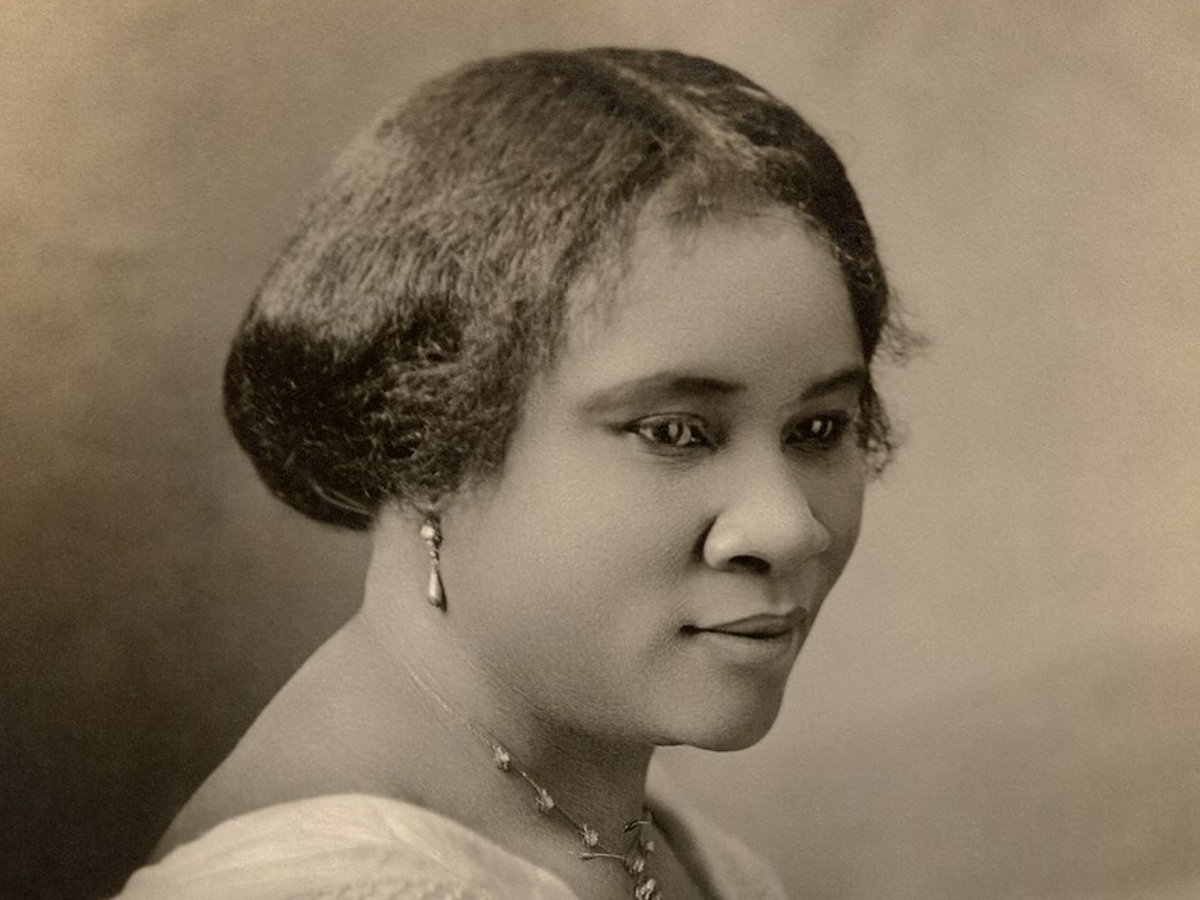
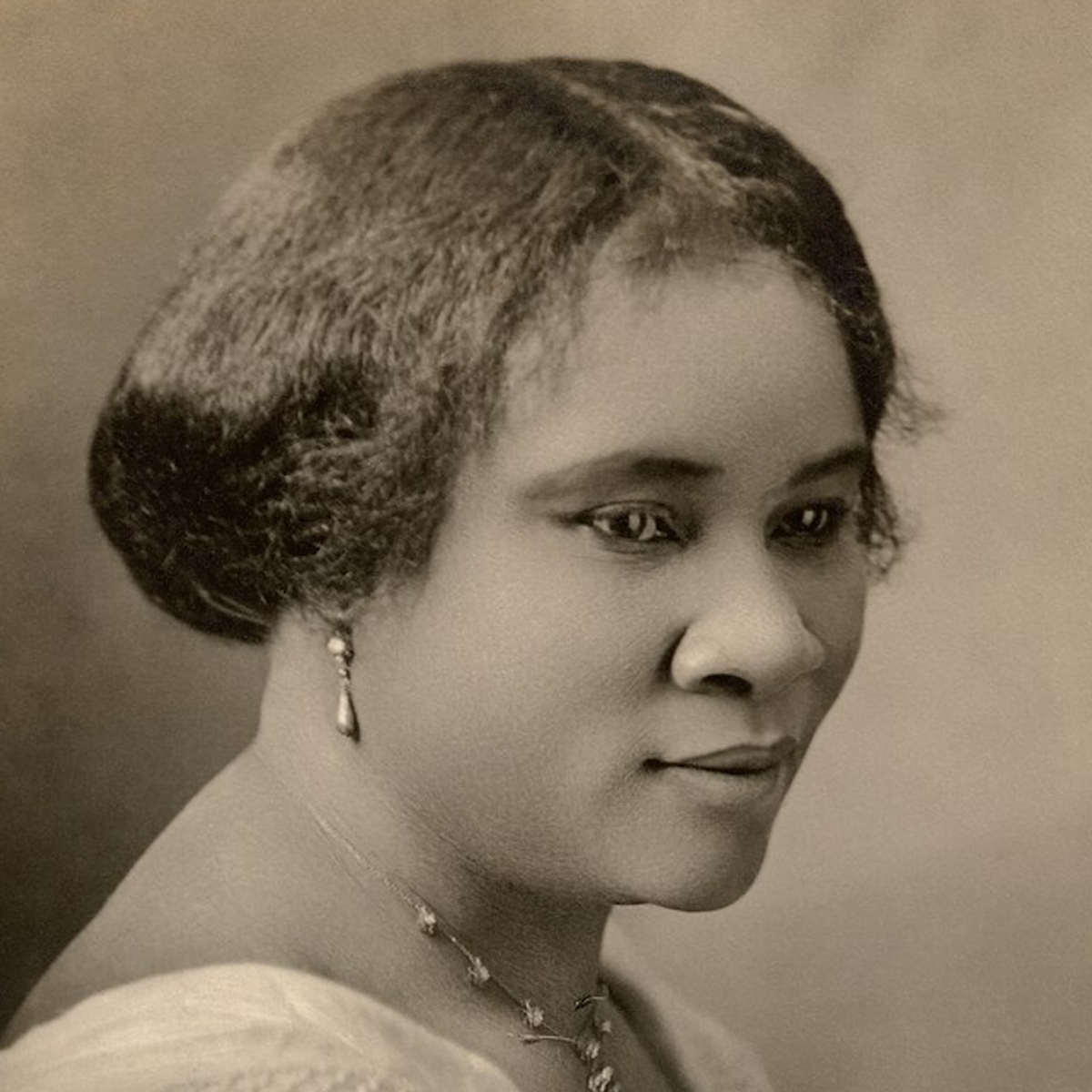
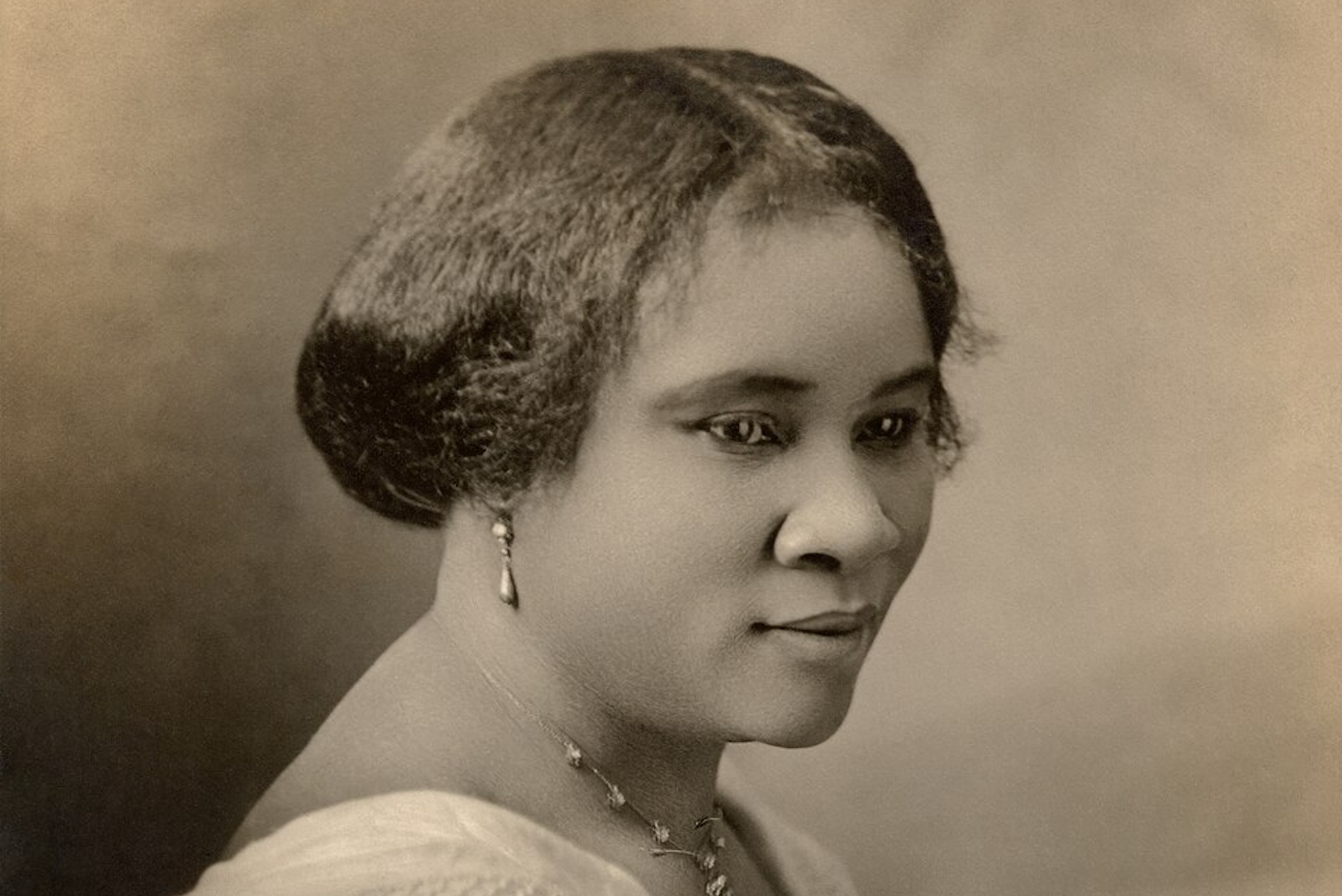
Madam C.J. Walker, self-made millionaire: "Don't sit down and wait for opportunities to come. Get up and make them"
Born into poverty and orphaned as a child, Walker turned persistence into one of America’s most remarkable entrepreneurial stories
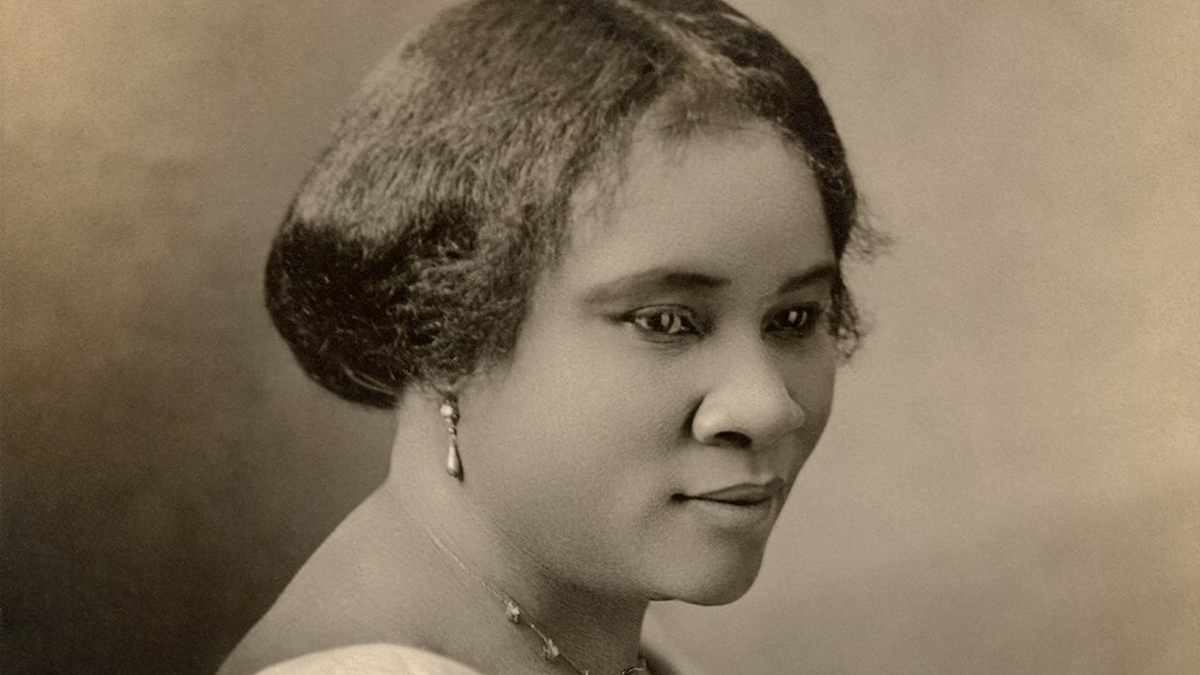
Madam C.J. Walker ’s most famous advice sounds simple because the struggle behind it was anything but.
“I had to make my own living and my own opportunity. But I made it! Don’t sit down and wait for the opportunities to come. Get up and make them,” Walker told her sales agents, according to historical accounts of her business career.
Those words became a concise expression of how she had already lived her life.
Born Sarah Breedlove in Delta, Louisiana, in 1867, Walker was the daughter of formerly enslaved parents who worked as sharecroppers. She was orphaned at seven, spent part of her childhood working in cotton fields and received little formal education.
By 14, she had married Moses McWilliams while trying to escape an abusive home environment. Their daughter, Lelia , later known as A’Lelia Walker , was born in 1885, but Walker was widowed two years later and forced to begin again as a young mother.
Opportunity was something Walker learned to create
She eventually moved to St. Louis, where her brothers had established themselves as barbers, and found work as a laundress. The wages were modest, but Walker saved enough to help educate her daughter and began forming relationships with black women connected to St. Paul A.M.E. Church and local civic organizations.
Those relationships mattered because they exposed her to women who were teachers, business owners and community leaders. Walker’s great-great-granddaughter and biographer, A’Lelia Bundles , has described that environment as an important source of encouragement and possibility during a period when Walker’s options were severely constrained.
Her later rise in the hair-care industry was dramatic. Walker built a business around products and grooming methods aimed at black women, trained thousands of sales agents and created employment opportunities that allowed many women to earn money independently.
She once summarized that rise in unmistakably direct terms: “I am a woman who came from the cotton fields of the South. From there I was promoted to the washtub. From there I was promoted to the cook kitchen. And from there I promoted myself into the business of manufacturing hair goods and preparations.”
Why Walker’s words still carry weight
The enduring appeal of Walker ’s quote comes from the fact that it wasn't written from a place of comfort.
She lived through poverty, widowhood, racial discrimination and economic exclusion before becoming a successful entrepreneur. Her message about creating opportunity therefore was not abstract inspiration as it was rooted in a lifetime of refusing to let circumstance make every decision for her.
Walker ’s influence also extended beyond personal wealth. She used her success to support charitable causes, educational initiatives and black institutions, while encouraging other women to see business ownership as a route to independence. That's why the quote still resonates more than a century later.
Walker ’s lesson was not that opportunity is easy to create. It was that waiting for permission, luck or ideal conditions can become its own obstacle, and that sometimes the first step toward changing a life is deciding to move before the opportunity has arrived.