Mamdani sets a date for the end of New York’s iconic horse-drawn carriages: And they’re already thinking about making them electric!
The closure will affect around 200 workers, including license owners, drivers, and stable staff, and they are considering electric carriages and pedal-assisted electric bicycles
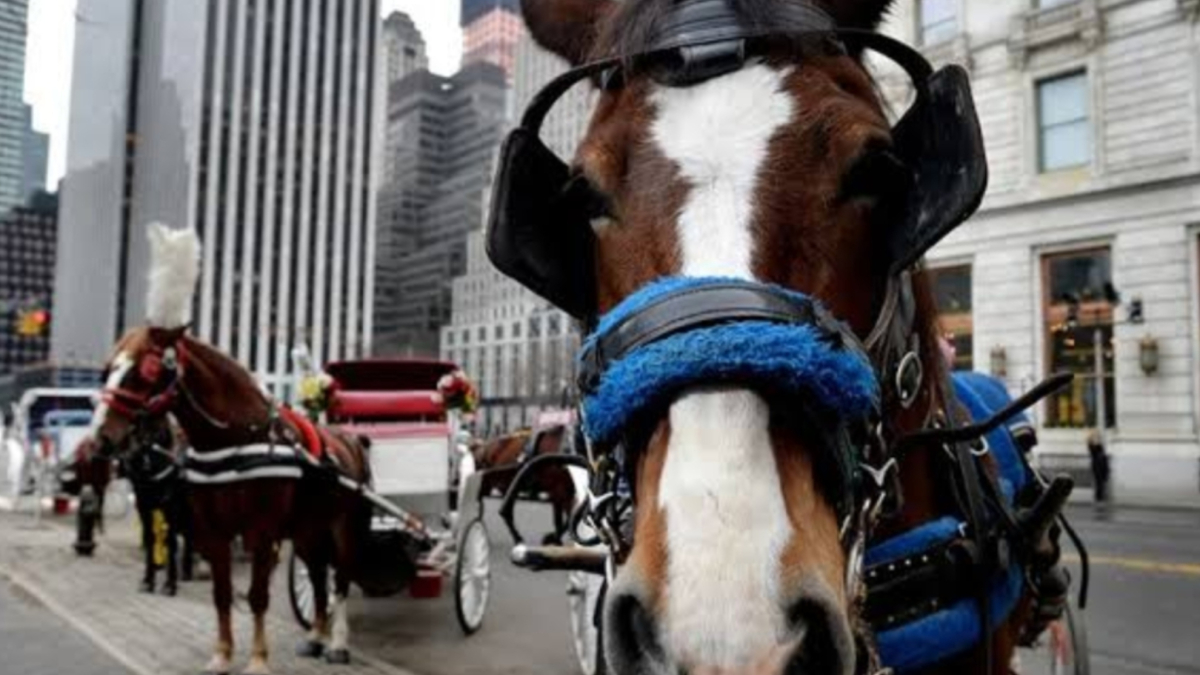
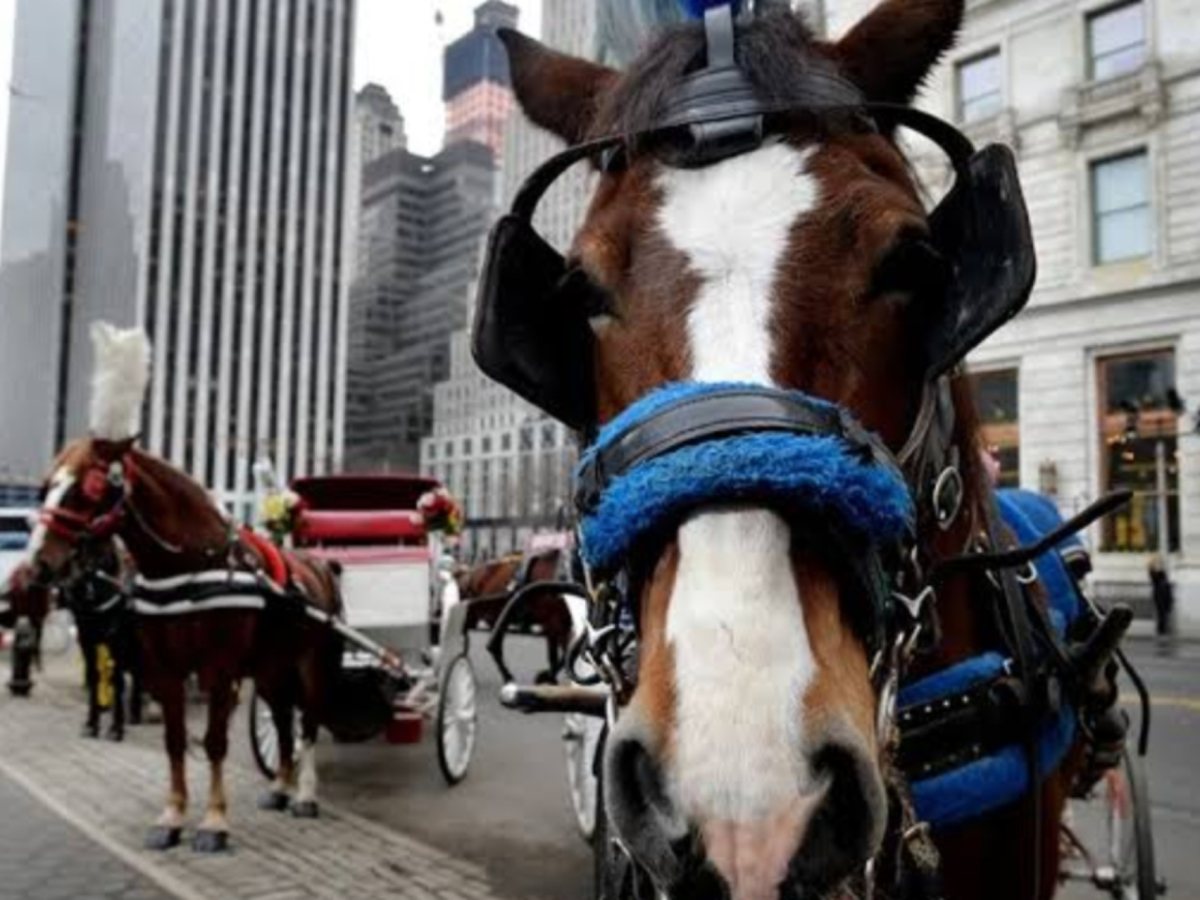
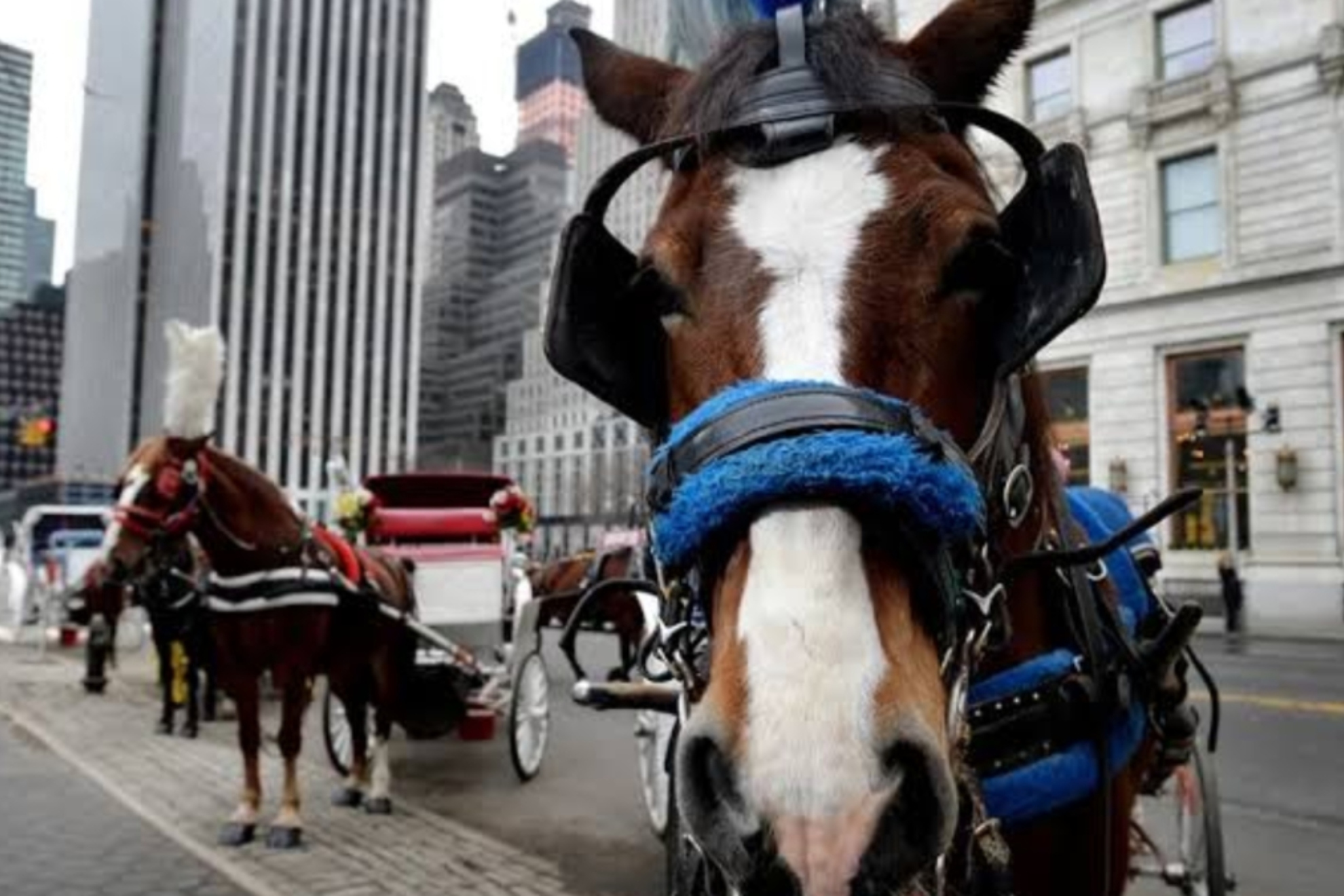
New York’s traditional horse-drawn carriages already have an expiration date. Mayor Zohran Mamdani has signed the law that will bring this historic tourist activity to an end as of June 1, 2028 , putting an end to an image inseparable from Central Park for a century and a half.
"For 150 years, horse-drawn carriages have been a regular feature of Central Park. Today we close that chapter," the councilman said after signing a rule that had received majority support from the City Council. The new legislation, dubbed the "Romanch Law" , was created in memory of Romanch Mahajan , an 18-year-old young man who died last June in a carriage accident inside Central Park. It was the first fatal accident recorded in the history of this activity, a fact that accelerated the debate over the future of the sector.
The closure will affect around 200 workers , including license holders, drivers, and stable staff. Therefore, the City Council has announced a financial and professional support plan to facilitate the transition for those who depend on this industry to make a living.
The alternative is already on the table
The city will also study the use of electric carriages and pedal-assist electric bicycles as a possible replacement within Central Park, in addition to assessing the circulation of similar electric vehicles in the areas surrounding the park.
The measure has been welcomed by animal rights organizations such as PETA and NYCLASS , which had been calling for an end to this activity for years. PETA also announced a donation of $50,000 earmarked for the retirement and care of the horses affected by the closure.
The decision comes after years of controversy and several incidents involving animals collapsing in the middle of the street, a debate that has ultimately led to the end of one of New York’s most recognizable sights.