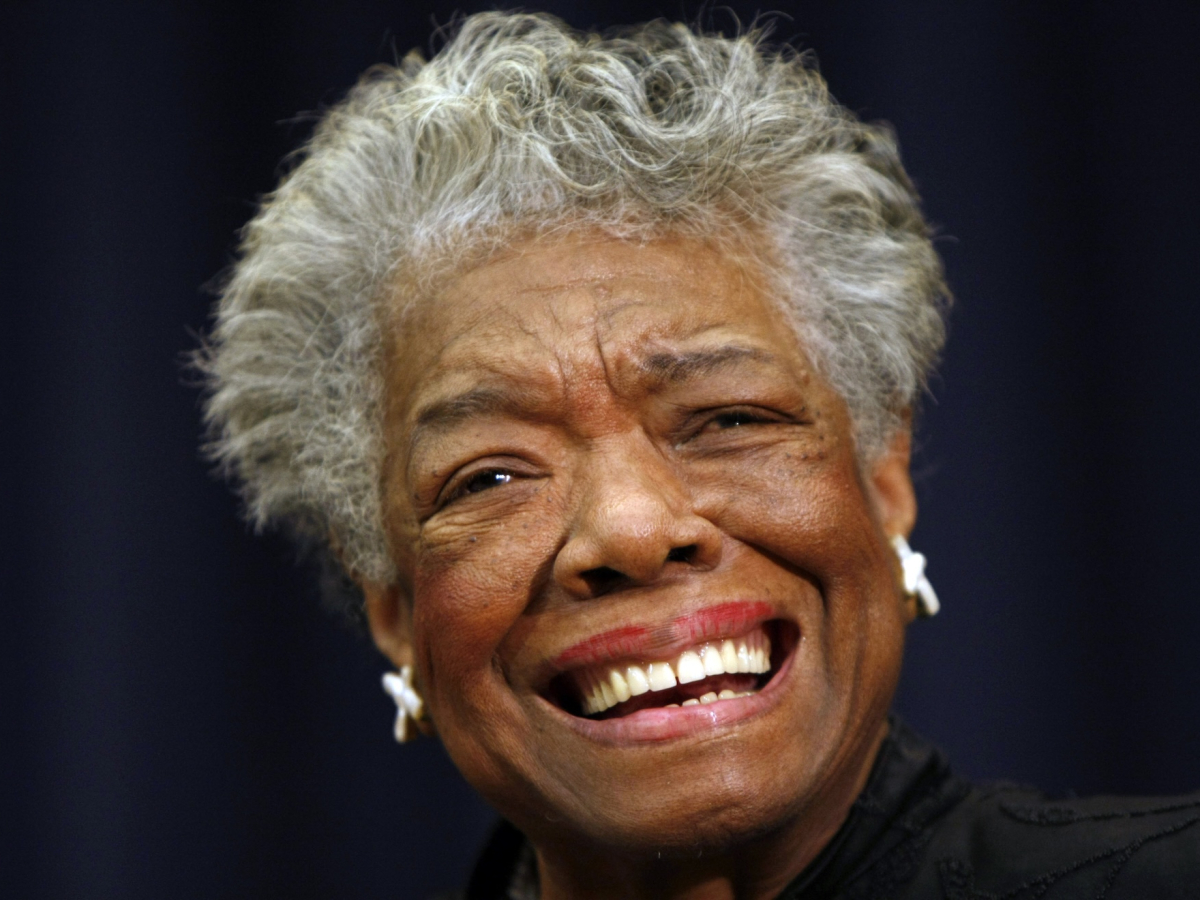
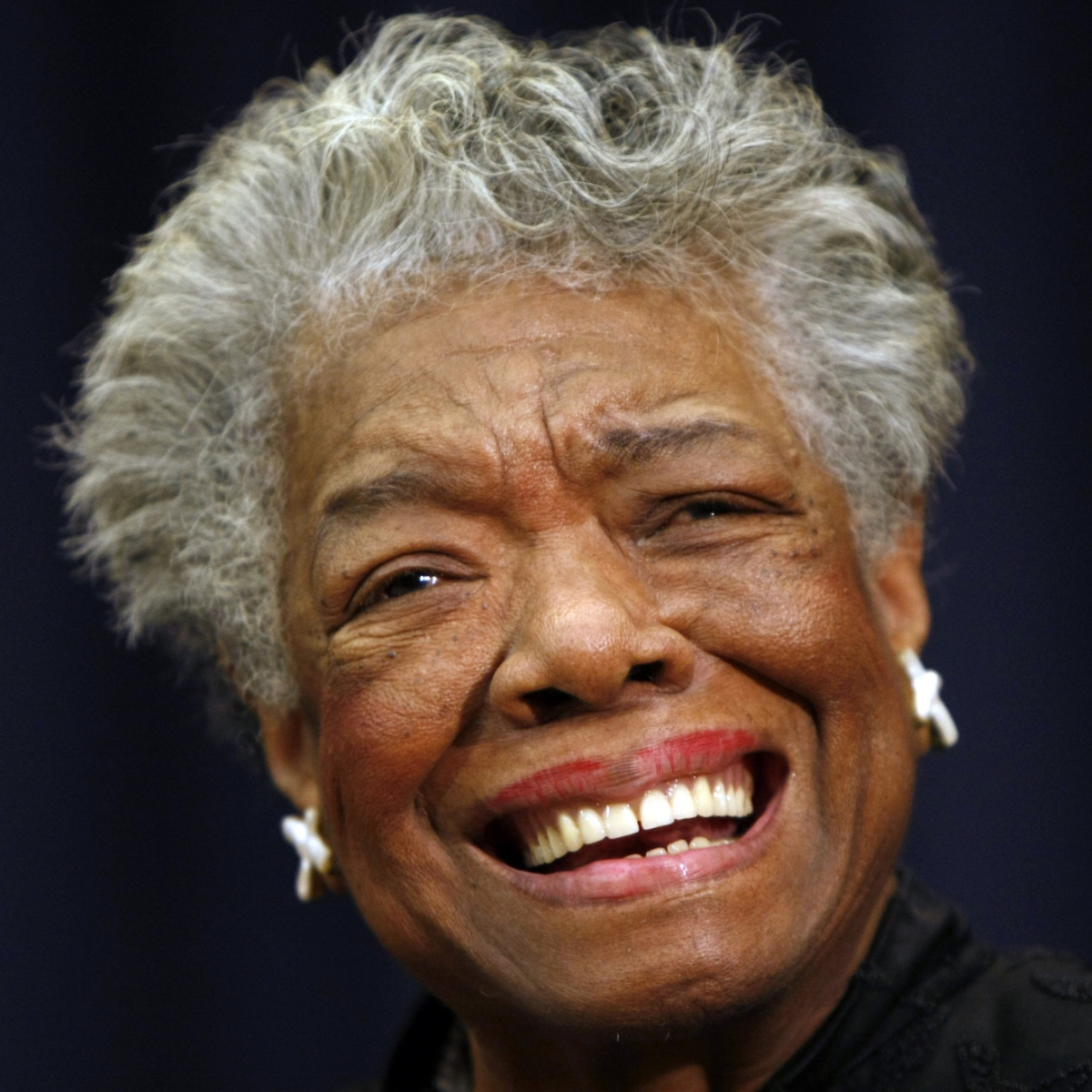
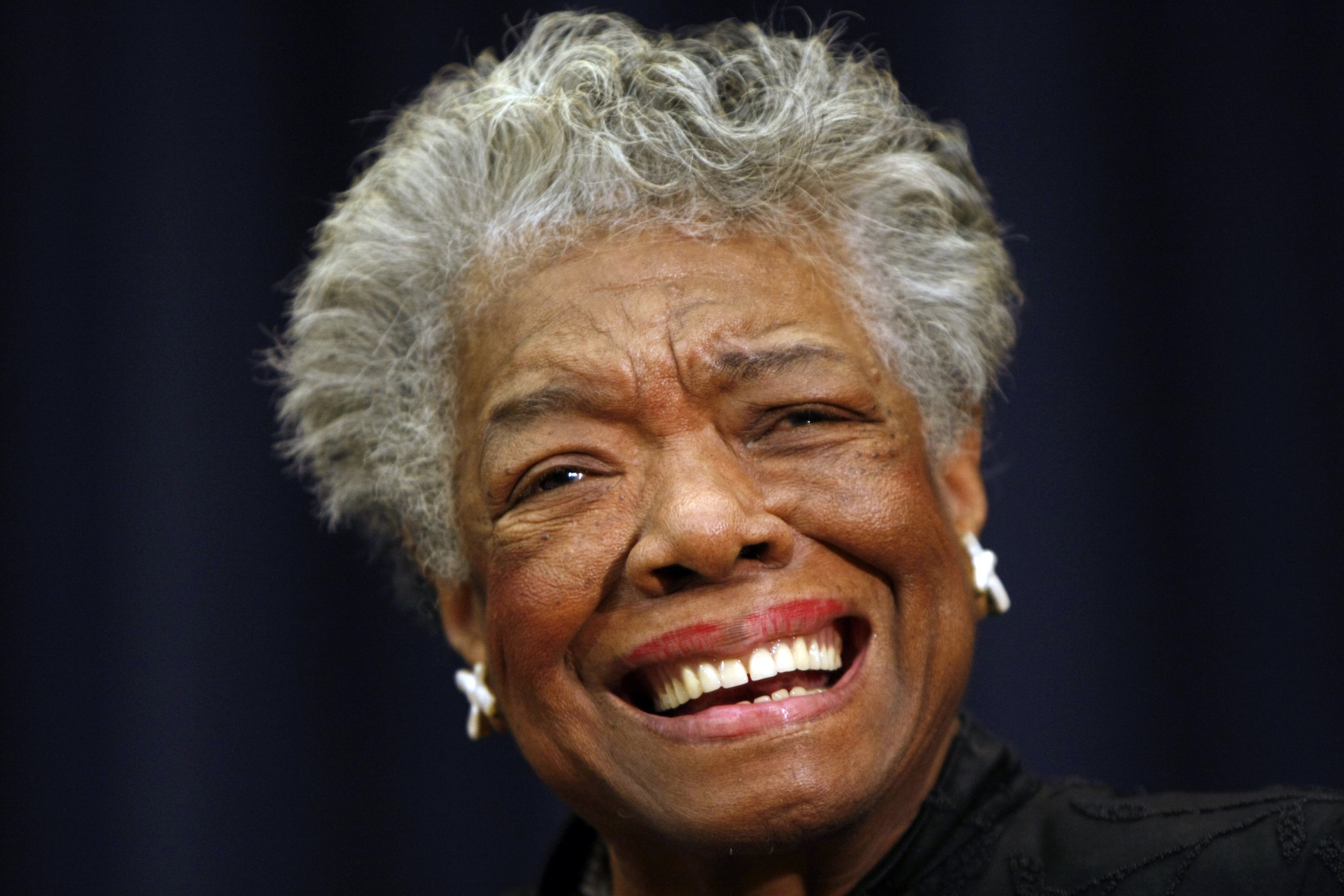
Maya Angelou, American poet and civil rights activist: "I can be changed by what happens to me, but I refuse to be reduced by it"
The inspirational message about overcoming adversity remains one of the most widely shared quotations associated with Angelou, whose writing explored identity, dignity and the strength to keep moving forward
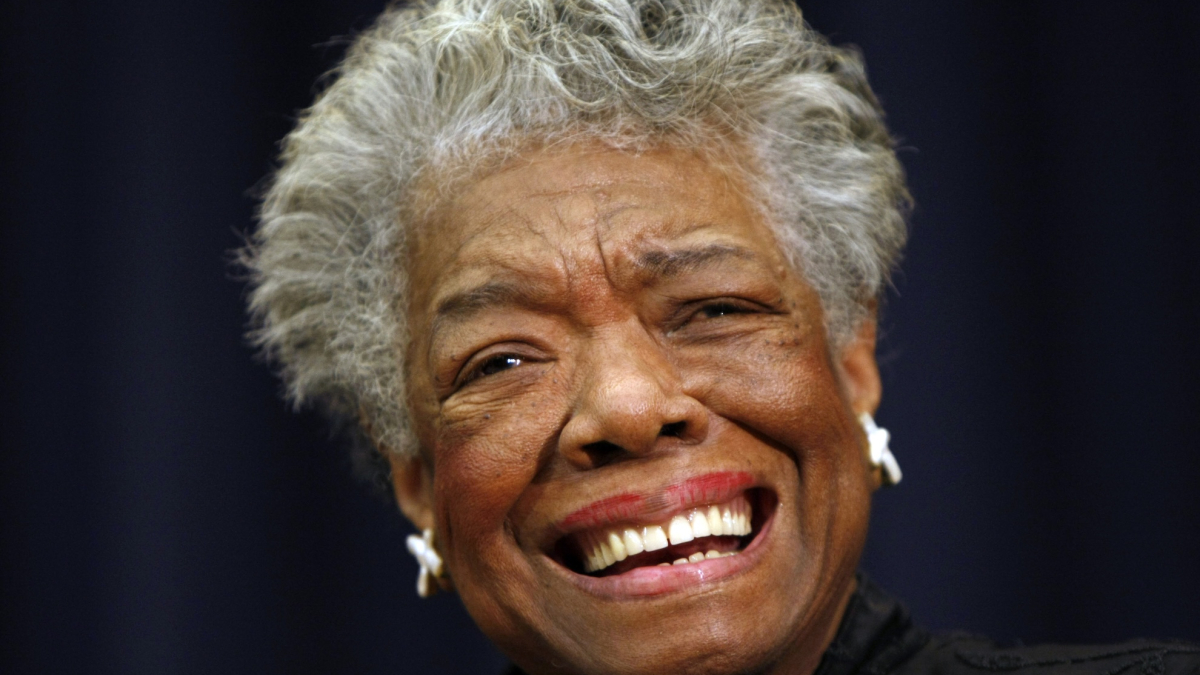
Few writers have expressed the importance of personal resilience as powerfully as Maya Angelou .
The American poet and civil rights activist is remembered for her reflections on overcoming hardship, and one of the sayings most frequently attributed to her captures that philosophy: "I can be changed by what happens to me, but I refuse to be reduced by it".
The message speaks to an experience familiar to many people: difficult events can leave a lasting mark, but they do not have to define an individual's entire life.
It recognizes that suffering, disappointment and injustice can influence someone's outlook without taking away their ability to decide who they want to become.
There is, however, an important detail about the wording. The version in the headline is widely circulated as an Angelou quotation, but Goodreads identifies it as a popular misquotation of a passage from her 2008 book Letter to My Daughter.
The wording in the book is: "You may not control all the events that happen to you, but you can decide not to be reduced by them."
Although the two versions are not identical, they communicate the same central idea. Angelou's original passage places the emphasis on the difference between what happens to a person and how that person responds.
It does not suggest that people can avoid pain or simply choose to forget difficult experiences. Instead, it encourages them not to allow those experiences to erase their sense of self.
How Maya Angelou's own experiences shaped her message
Understanding the quotation becomes particularly meaningful when considering Angelou's life. Born Marguerite Johnson in St. Louis, Missouri, on April 4, 1928, she experienced racism, instability and trauma during her childhood.
After suffering sexual abuse as a young girl, she became largely silent for several years. Literature, poetry and the support of people around her eventually helped her find a way to express herself again.
Her experiences became an important part of her literary voice. In 1969, she published I Know Why the Caged Bird Sings, the first volume of her autobiographical series.
The book described her childhood and adolescence, including the racism and abuse she endured. Its success established her as a major literary figure and helped bring the experiences of Black women into a wider public conversation.
Angelou's contribution extended beyond literature. During the civil rights movement, she worked with the Southern Christian Leadership Conference (SCLC), serving as its northern coordinator.
She also had connections with prominent activists including Martin Luther King Jr. and Malcolm X . Her work reflected a commitment to equality, dignity and the belief that individuals could help bring about meaningful change.
A legacy built around courage and self-worth
Angelou continued to write poetry, autobiographies and essays throughout her career. Her poem "Still I Rise" became one of her best-known works, with its defiant message of perseverance in the face of prejudice and attempts to undermine someone's dignity.
Another major public moment came in 1993, when she read "On the Pulse of Morning" at President Bill Clinton' s inauguration. She became the first African American woman to write and deliver a poem at a presidential inauguration, bringing her words to a national and international audience.
Her achievements were recognized with numerous honors, including the Presidential Medal of Freedom, awarded by President Barack Obama in 2010. Angelou died on May 28, 2014, at the age of 86, but her books and speeches continue to reach new generations.
The quotation associated with her name remains relevant because it offers a perspective that goes beyond simply telling people to be strong.
It acknowledges that life can change someone, sometimes profoundly, while insisting that adversity does not have to determine their value or limit their future.
That is the lasting power of Angelou's message: people cannot always choose what happens to them, but they can continue to shape the person they become.