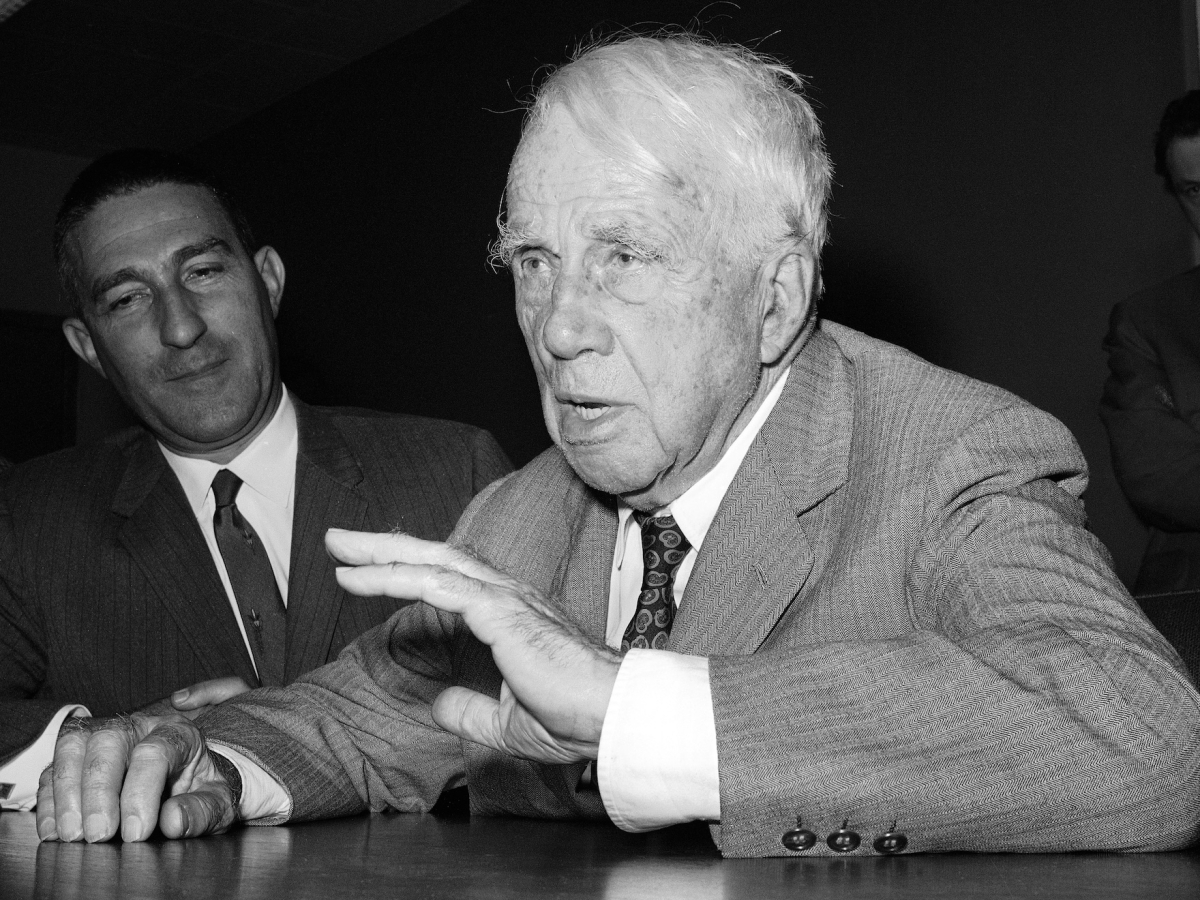
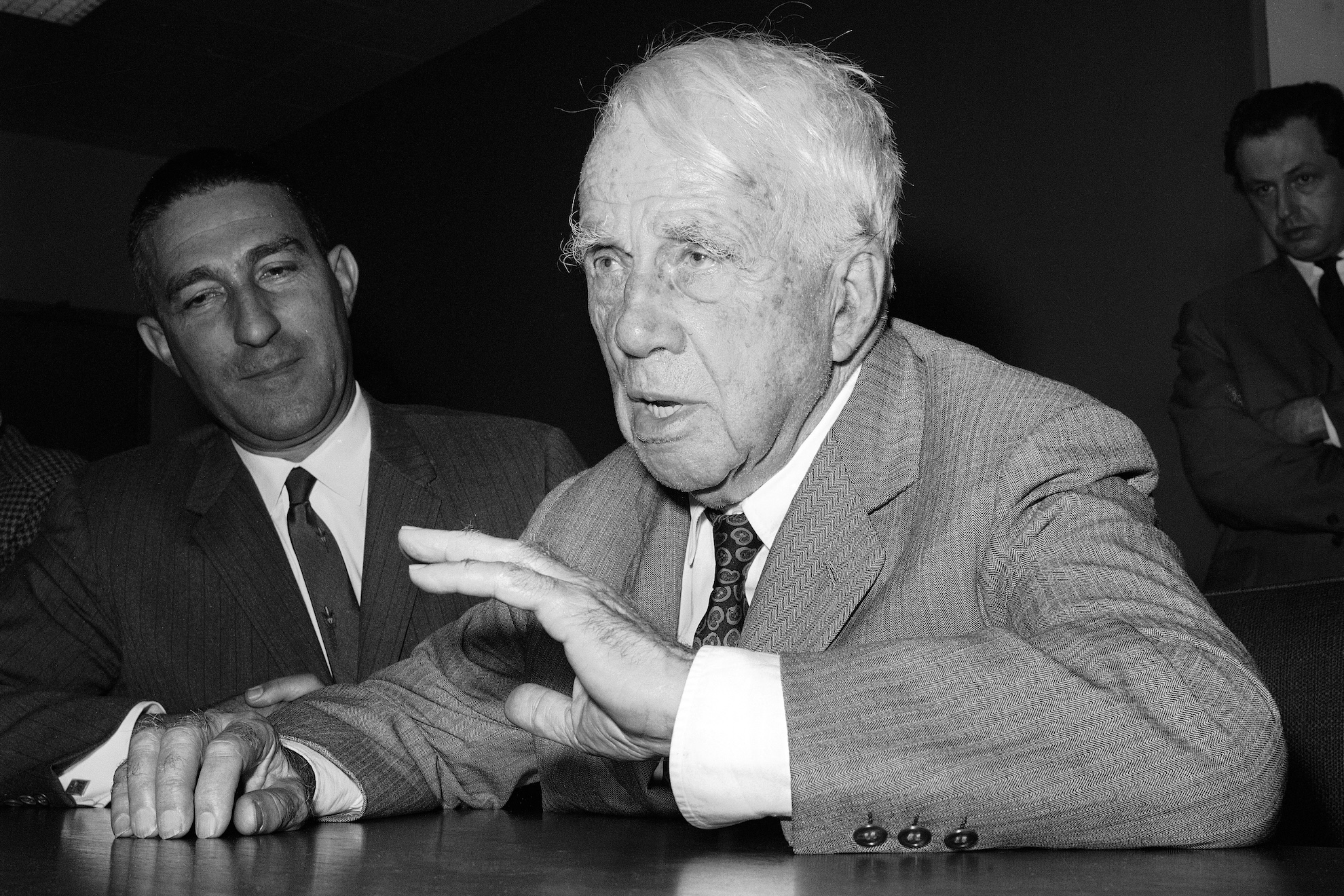
Robert Frost, American poet: "By working faithfully eight hours a day you may eventually get to be boss and work 12 hours a day"
Frost’s sharp joke about becoming the boss still feels painfully accurate
Career ambition is often sold as a straightforward trade of work hard now, earn more responsibility and eventually enjoy the rewards of having made it.
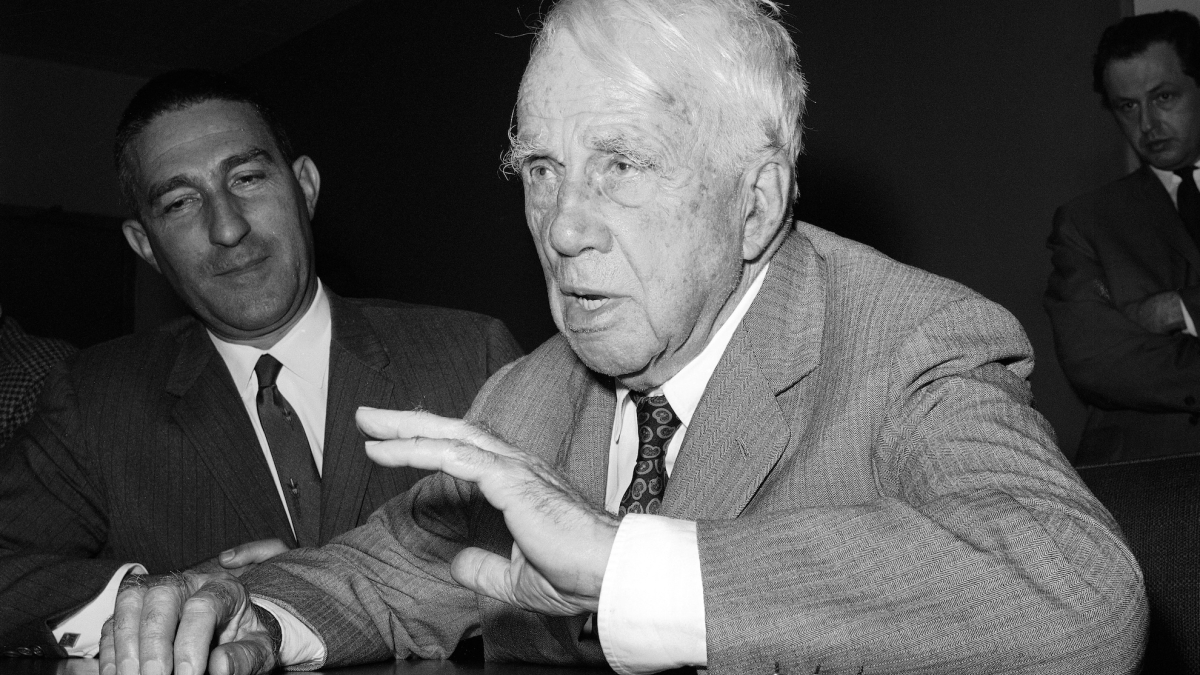
A line widely attributed to Robert Frost turns that idea upside down in a single sentence: “By working faithfully eight hours a day you may eventually get to be boss and work twelve hours a day.”
The joke works because the payoff is the opposite of what people expect. Promotion is supposed to represent progress, yet Frost ’s version ends with the successful worker putting in even more time than before.
It's funny because it feels familiar. Even decades later, the line captures a reality of professional life that is easy to overlook: moving up often means carrying more pressure, not escaping it.
A higher title can bring better pay, more influence and greater control over decisions. It can also bring longer hours, more difficult choices and responsibility for problems that once belonged to someone else. Employees are usually judged on their own work.
Managers and executives are judged on the performance of teams, budgets, deadlines and outcomes that may depend on dozens or hundreds of other people. That's where Frost ’s humor becomes more than a punchline.
The person working eight hours imagines the promotion as a destination. The boss discovers that the destination comes with another workload attached.
That doesn't suggest that advancement is pointless. It suggests that advancement has a cost.
Defining success for yourself
The sharper message isn't simply about working longer hours. It's about questioning what people mean when they say they want to “get ahead.”
A promotion can be deeply rewarding when someone wants leadership, influence or a larger challenge. The same role can feel like a bad bargain to someone whose priorities are time, flexibility or separation between work and home.
That distinction matters because career progress is often treated as universal. More money is assumed to be better. More authority is assumed to be better. A bigger title is assumed to be better.
Frost’s joke forces a different question
Hard work matters, but so does knowing what it is leading toward. Years of steady effort aimed at a conventional reward, only to reveal that the reward may demand even more effort.
That doesn't make hard work foolish. It makes intention important. Working eight hours a day to eventually work 12 may be a worthwhile exchange if the extra responsibility brings purpose, satisfaction or opportunity.
It becomes less appealing when the goal was supposed to be greater freedom. That is why the quote continues to resonate. It's not really mocking work. It's mocking the idea that success comes without trade-offs.