September 11, 25 years later: the attack that changed the world and whose consequences still endure
A quarter century has passed since the attacks that claimed the lives of 2,977 people and triggered a global war on terror that transformed world geopolitics
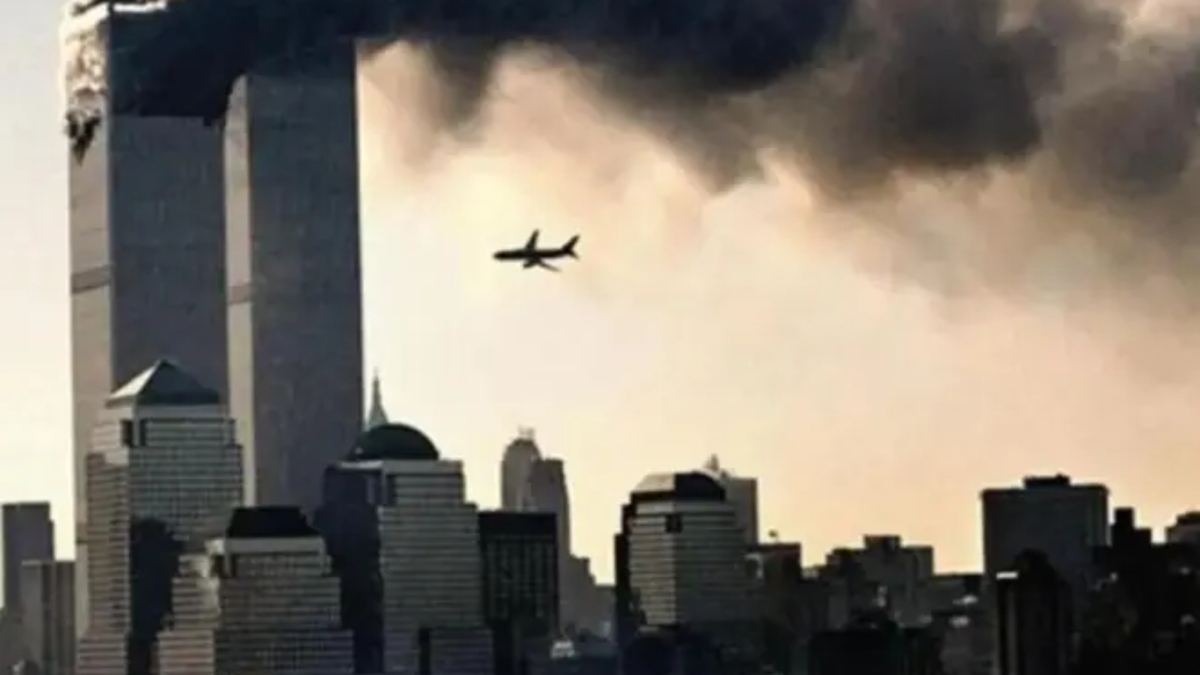
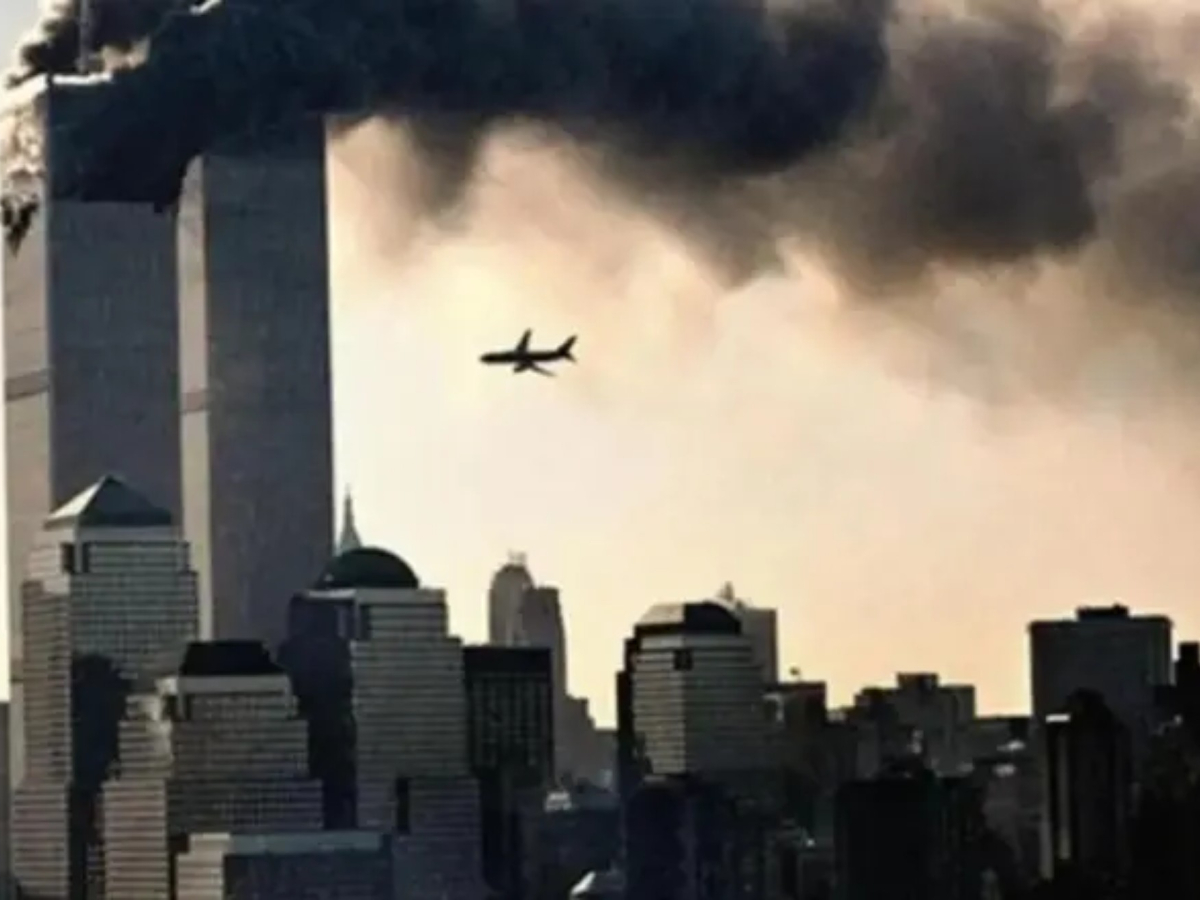
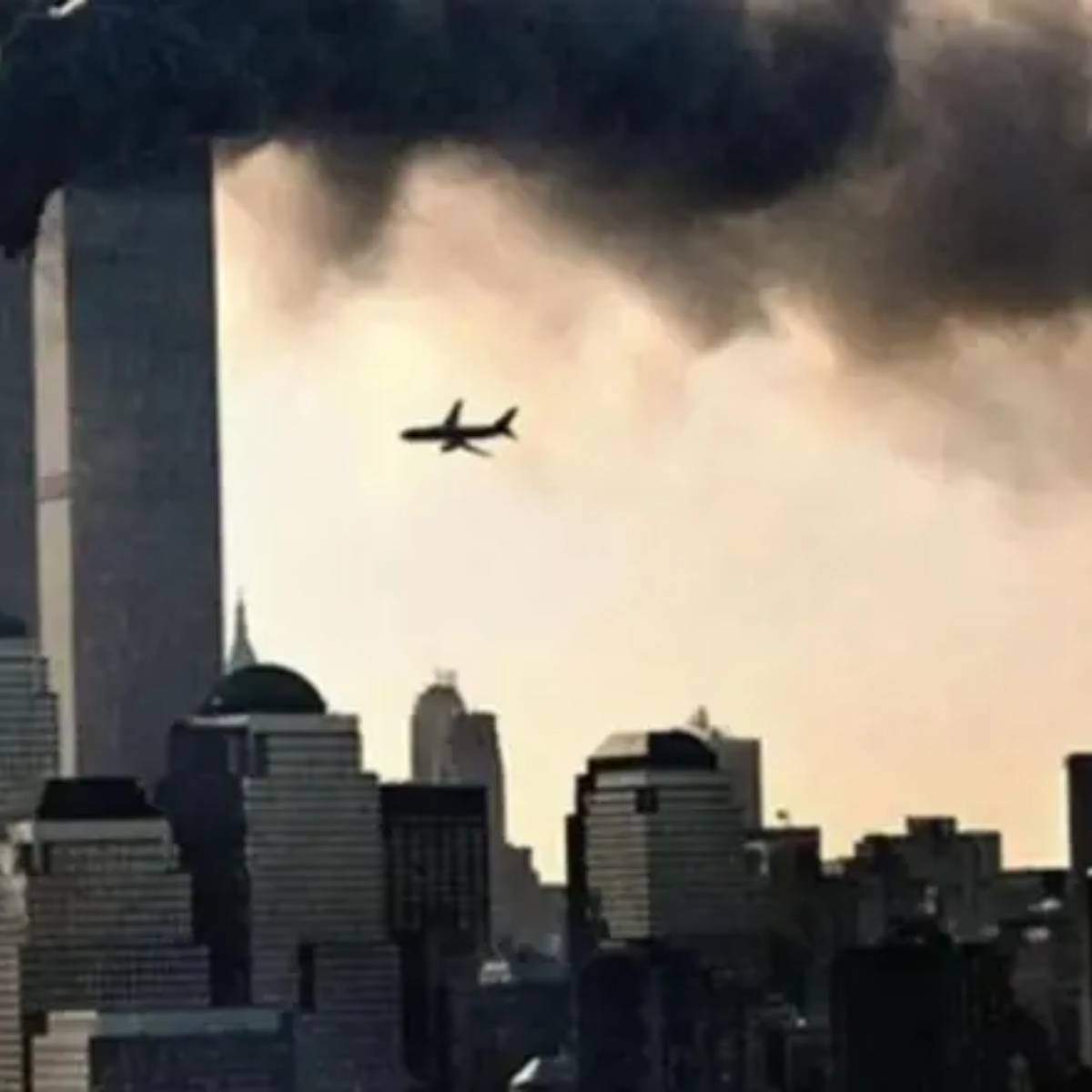
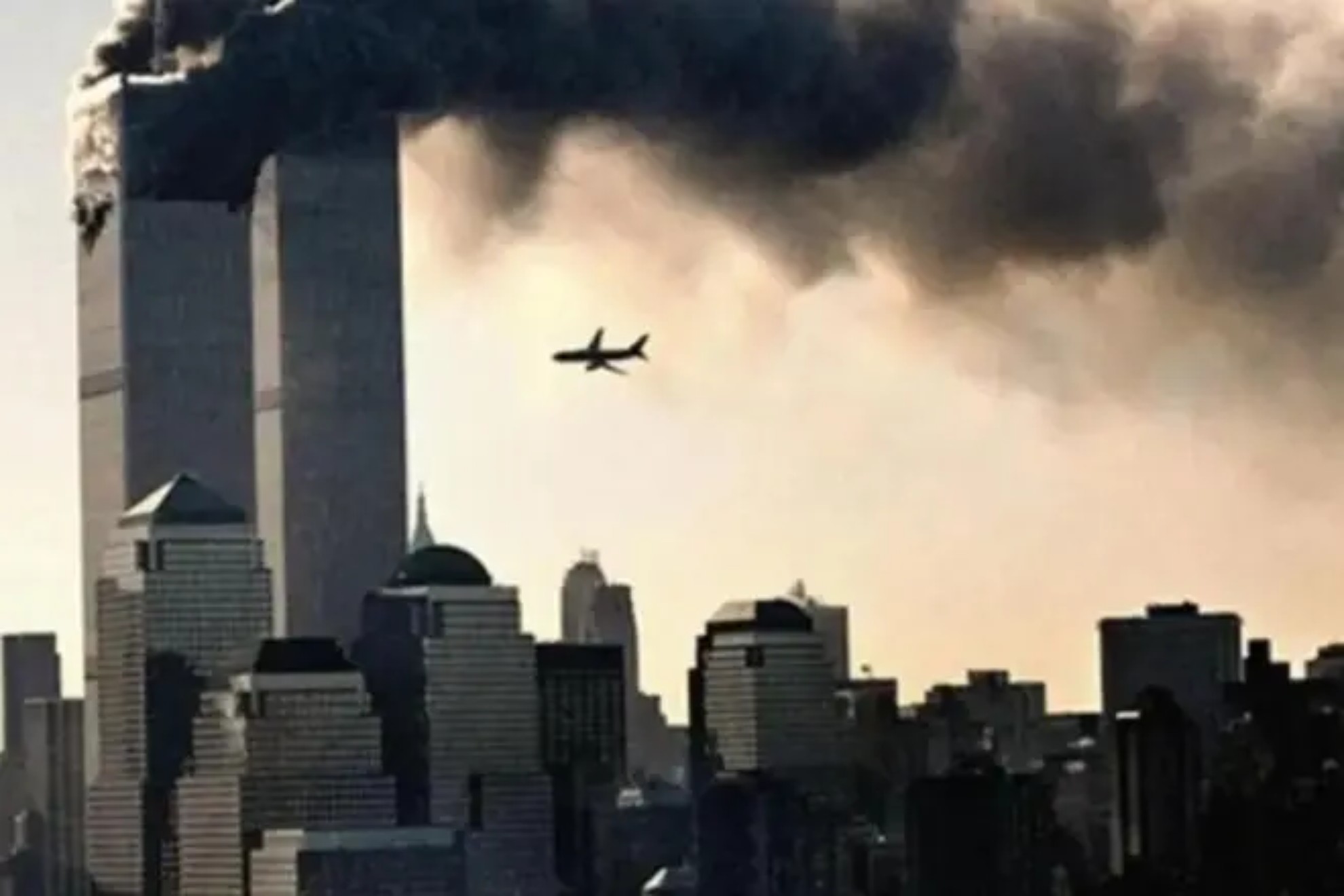
On September 11, 2001, the world stood still for a few minutes. At 8:48 a.m. local time in New York, a commercial airplane crashed into the North Tower of the World Trade Center. Fifteen minutes later, a second plane struck the South Tower. What initially seemed like an accident became, before the television cameras, one of the most traumatic episodes in recent history.
A quarter of a century later, the images of the Twin Towers collapsing remain part of the collective memory, but the consequences of that day go far beyond New York. 9/11 triggered a profound transformation in international politics, security, relations between the West and the Middle East, and the very nature of the terrorist threat.
The official death toll rose to 2,977 people. Of those, 2,753 died at the World Trade Center and another 224 were killed when two other planes crashed into the Pentagon and in Pennsylvania.
In Spain, the first impact occurred when there were barely 12 minutes left until 3:00 p.m. While a sunny morning was beginning in New York, within a few minutes the Manhattan sky was covered by a gigantic cloud of dust and smoke.
But the attacks did not end at the Twin Towers. A third plane crashed into the Pentagon and a fourth aircraft went down in a field in Shanksville, in Pennsylvania, after the passengers rebelled against the hijackers. It is believed that the target was another symbol of American power, although it never reached it.
George W. Bush's response: a war without borders
U.S. President George W. Bush interpreted the attacks as a declaration of war. In his memoir, "Decision Points," he compared what happened to Pearl Harbor and assumed that he had to lead a new phase aimed at protecting the United States.
The response came quickly. On October 7, 2001, less than a month after the attacks, the United States began bombing Afghanistan, where the Taliban regime was sheltering Al Qaeda and Osama Bin Laden, identified as the main person responsible for the attacks.
The intervention initially succeeded in expelling Al Qaeda from the country, but it did not put an end to the conflict. Two decades of war, thousands of victims, and enormous destruction left Afghanistan plunged into a situation of extreme fragility. In August 2021, the Taliban recaptured Kabul, symbolically closing a circle that had begun after 9/11.
The second major consequence of that policy came approximately a year and a half later with Iraq. The United States led an invasion in 2003 to overthrow Saddam Hussein arguing that the regime possessed weapons of mass destruction. Those weapons were never found, and the evidence used to justify the military intervention turned out to be false.
The fall of Saddam Hussein gave way to years of violence, instability, and terrorism. The U.S. withdrawal in 2011 left a scenario in which Al Qaeda was able to reorganize, and from which the self-proclaimed Islamic State (ISIS) would later emerge.
The human and economic consequences of that war on terror were enormous. According to the study Costs of War, produced by the Watson Institute for International and Public Affairs at Brown University, the United States' wars in Afghanistan, Iraq and Pakistan have incurred an approximate cost of four trillion dollars.
The death toll in those three conflicts is estimated at between 272,000 and 329,000 deaths, although the figures are subject to different estimates and do not include all the indirect consequences resulting from decades of violence.
The legacy of 9/11 also cannot be understood solely through the wars. The attacks ushered in a new era of security checks, surveillance, and counterterrorism. In airports, at borders, and in intelligence services, the post-9/11 world came to be marked by a постоянная concern about the terrorist threat.
From Al Qaeda to the Islamic State
The invasion of Iraq also had a consequence that would end up shaping international security during the following years. The destabilization of the country favored the emergence and expansion of new jihadist groups.
Al Qaeda maintained significant operational capacity for years, but began to lose prominence after the death of Osama Bin Laden in 2011 and the advance of counterterrorism operations. At the same time, ISIS gained ground until it became a global threat, especially from 2014 onward, when it broke away from Al Qaeda and expanded its activities.
Their strategy also incorporated a new dimension: the recruitment and radicalization of individuals in Western countries. The so-called "lone wolves" carried out attacks using vehicles, knives, and other rudimentary means, making it more difficult to prevent attacks that did not necessarily require large terrorist structures.
A quarter of a century later
25 years later, 9/11 continues to be much more than the date of an attack. It was the starting point of a new geopolitical era whose effects are still felt in much of the world.
The Twin Towers are no longer part of New York's skyline, but their absence remains one of the most powerful symbols of the 21st century. Afghanistan and Iraq continue to bear the consequences of those interventions, jihadist terrorism has evolved, and international politics continues to be shaped by the decisions made in the months and years following that September 11.
The world that woke up that morning in 2001 no longer exists. And a quarter of a century later, the wounds opened that day have still not fully healed.