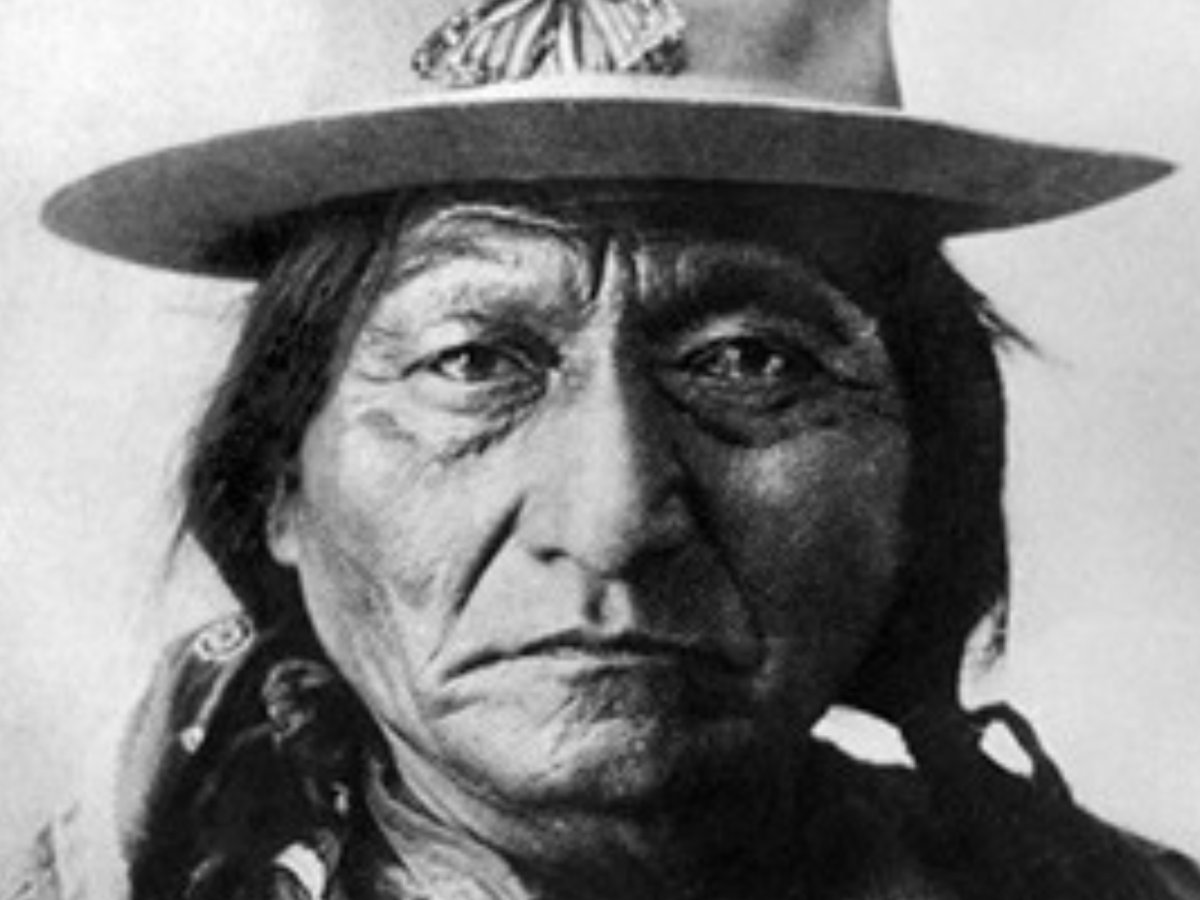
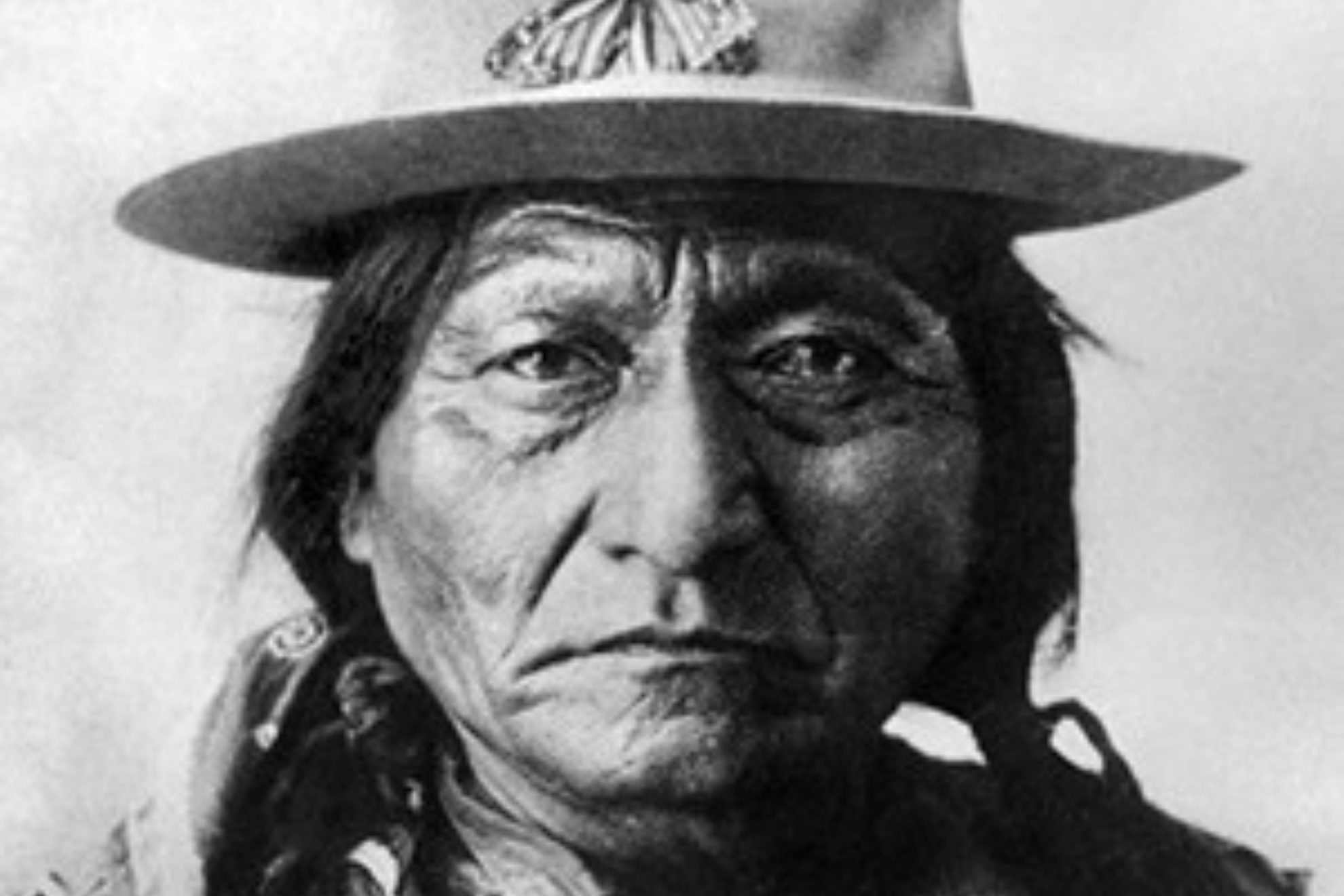
Sitting Bull, Legendary Native American Leader: “Let us put our minds together and see what life we can make for our children”
Sitting Bull was a pivotal figure in the Indians' resistance against the United States government in the 1800s.
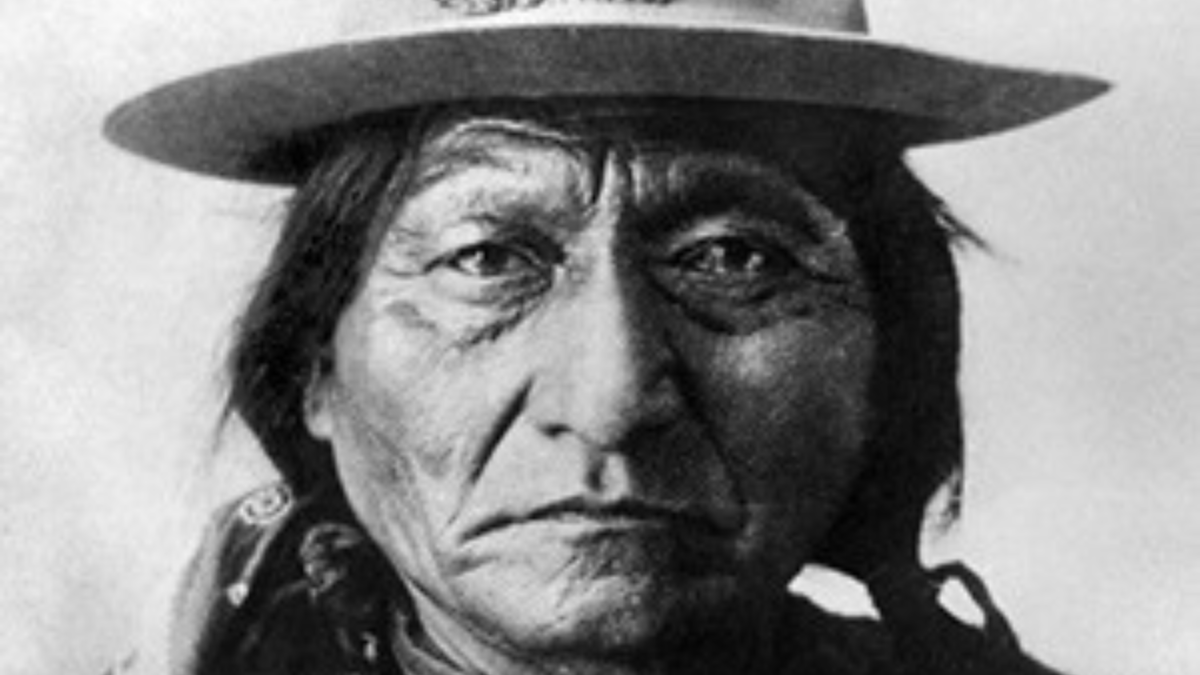
If you do a Google search of the most famous Native Americans in history, Sitting Bull is the name at the top of the list. Sitting Bull was a spiritual leader and chief for the Hunkpapa Lakota tribe, and became renowned for his efforts of resistance against the United States government and its new policies in the 1800s.
Sitting Bull was born sometime around 1831 . It's unclear exactly where he was born. Many believe it was along the Grand River in South Dakota , though his great-grandson once suggested he was born along the Yellowstone River in Montana . The first name given to him was actually " Jumping Badger ", and his nickname was " Slow " due to his careful nature. He was later named " Buffalo Bull Who Sits Down " by his father at 14 years old, but Americans commonly refer to him as Sitting Bull .
As he grew older, Sitting Bull became involved in conflicts with United States army parties and other tribes . His most famous conflict came in 1876 , dubbed the Battle of the Little Bighorn . The U.S. Army began treating those living off the Great Sioux Reservation , which included Sitting Bull's Lakota tribe. Thus began the Great Sioux War of 1876 .
The Battle of the Little Bighorn took place on June 25-26, 1876 in Montana. Sitting Bull had a vision of a Native American victory over the United States and their allied Crows and Arikaras tribes . Sitting Bull's vision came true, as the Lakota , Dakota , Northern Cheyenne , and Arapaho tribes handed their opponents a major defeat.
Sitting Bull was ultimately pressured out of the United States not long after, though. After being chased out due to not surrendering, as American military forces continued to cover more ground, Sitting Bull and his band went North to Canada . He remained in exile for four years, before returning to the United States in 1881 and surrendering .
He settled in the Standing Rock Reservation , then joined Buffalo Bill's Wild West show in the mid-1880s. In his mid-50s, U.S. agent James McLaughlin ordered Sitting Bull's arrest, out of fear he was soon to flee the reservation. A standoff took place on December 15, which resulted in bloodshed and the death of Sitting Bull via gunshot by Indian agency police at his home .
While many inspiring quotes from Sitting Bull continue to fortify his legacy, one stands out over the rest, due to his vision of the future: " Let us put our minds together and see what life we can make for our children ."