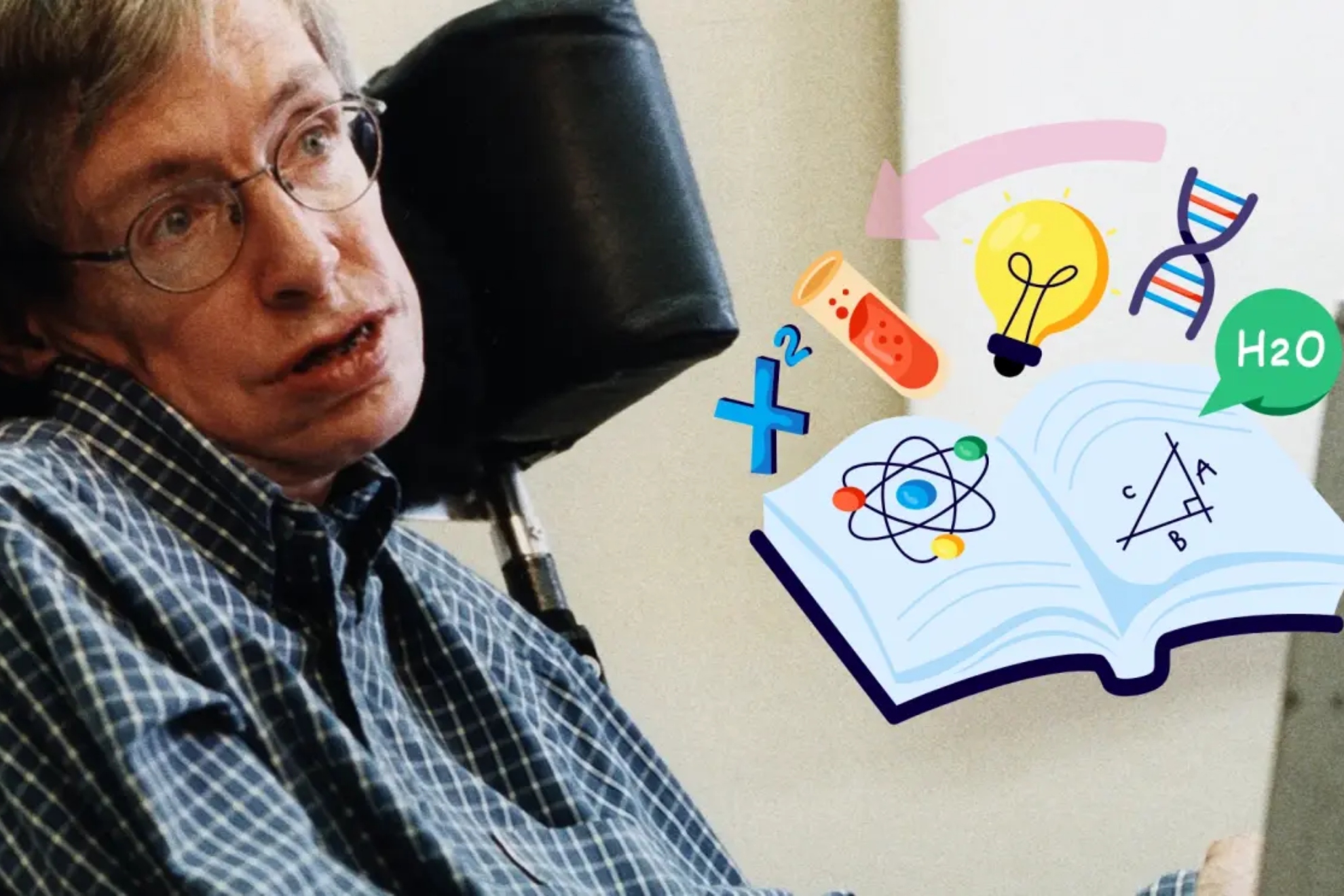
Stephen Hawking, physicist: “The greatest enemy of knowledge is not ignorance, it is the illusion of knowledge”
We share Stephen Hawking's reflection on ignorance and knowledge.
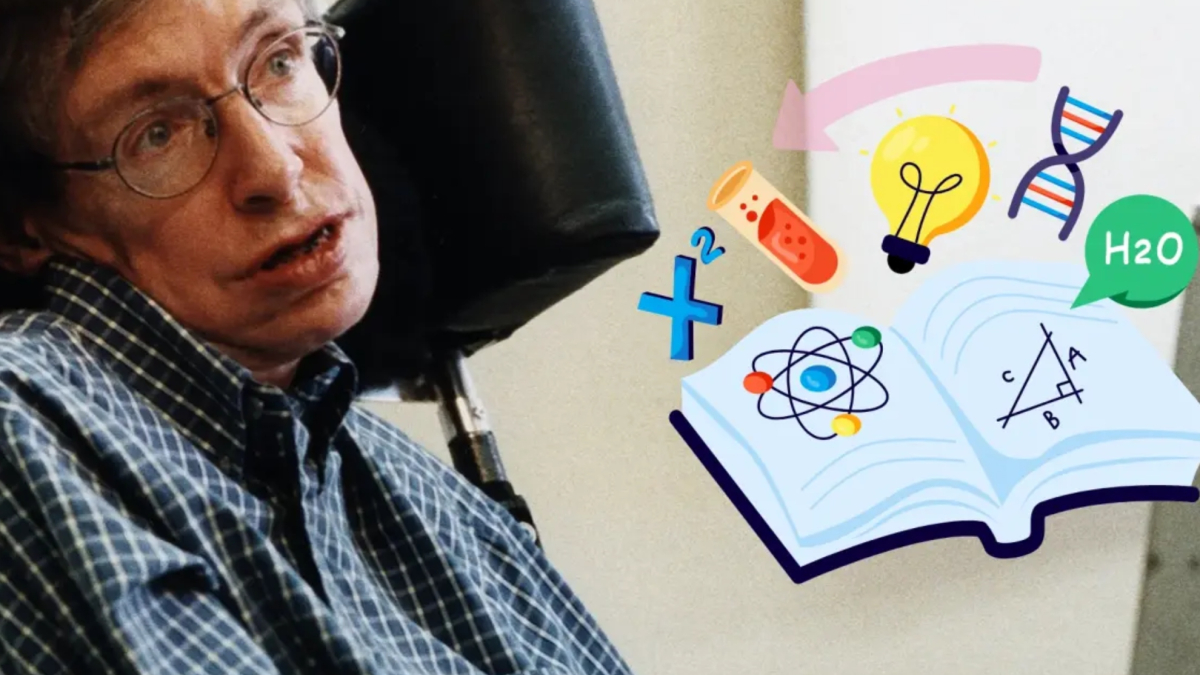
S tephen Hawking was one of the most renowned scientists of the 20th century and a fundamental figure in the study of black holes, cosmology, and the origin of the universe. In addition to his contributions to theoretical physics, his reflections on science, learning, and the limits of knowledge continue to spark interest among students, researchers, and readers around the world.
One of the phrases attributed to him states: “The greatest enemy of knowledge is not ignorance, it is the illusion of knowledge” . This reflection invites us to think about the importance of recognizing what we know, questioning our own beliefs, and maintaining an open attitude toward the possibility of being wrong.
The phrase draws a distinction between being unaware of a subject and believing it is fully understood. While ignorance can motivate a person to investigate and learn, the false sense of knowing can prevent them from seeking new information or considering other explanations.
“What does this Stephen Hawking quote mean?”
The phrase “The greatest enemy of knowledge is not ignorance, it is the illusion of knowledge” relates to the importance of recognizing the limits of our understanding. Its main message is that a person can learn more when they admit they do not know something than when they are convinced they have all the answers.
Ignorance, understood as a lack of information about a matter, can be the starting point for investigating, asking questions, and acquiring new knowledge. In contrast, the illusion of knowledge appears when someone believes they have mastered a subject without having enough arguments, experience, or evidence to support that confidence.
For example, a person may read a headline about a scientific discovery and assume they fully understand its implications. However, knowing an isolated fact is not the same as understanding the research process, the evidence that supports it, or the limitations of its conclusions.
This difference is also observed in everyday life. When someone is convinced that they are always right, they may reject other people's opinions, ignore information that contradicts their beliefs, and stop questioning their own decisions. As a result, their opportunities to learn decrease.
The phrase attributed to Stephen Hawking therefore invites us to practice intellectual humility. This concept consists of recognizing that our knowledge is limited and that even the ideas we consider correct may need revision when new evidence appears.
Stephen Hawking was born on January 8, 1942, in Oxford, England, and died on March 14, 2018, in Cambridge. He was a British theoretical physicist, cosmologist, and science communicator who made significant contributions to the study of black holes and the universe.
He studied at the University of Oxford and later developed his academic career at the University of Cambridge, where he researched issues related to general relativity, gravity, and the origins of the cosmos. His work helped deepen understanding of some of the most complex phenomena in the universe.