The consequences of 9/11, this is the fee you pay on an airline ticket since the attacks on the Twin Towers
Money that is allocated to air transport security
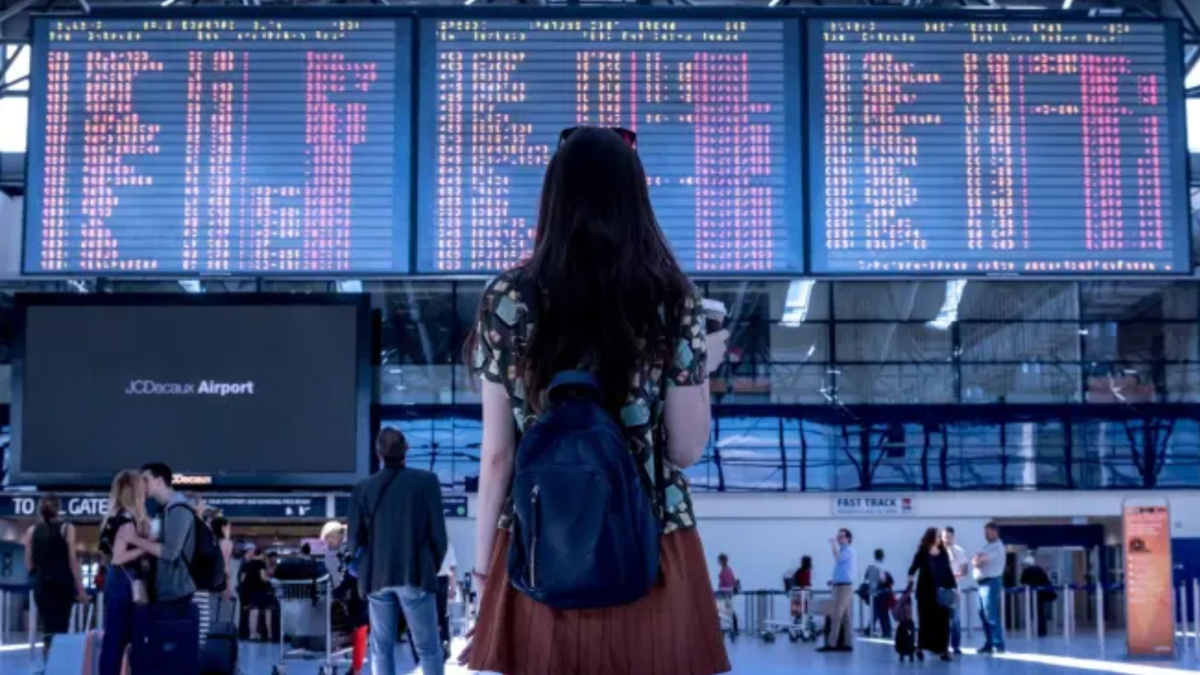
Just a few minutes before 3:00 p.m. in Spain, 25 years ago, the world changed. The terrorist attacks of 9/11 brought about a total change in people's lives. One of the most important was air travel. The hijacking of the planes that crashed into the Twin Towers and the Pentagon marked the starting point of a new reality in the ways of traveling; from that moment on, the rules for boarding planes changed, and that is something we have all noticed.
From the weeks following the attacks, the security of countries, that of airports and of the airlines themselves underwent a drastic change in the name of security and with the aim of preventing situations like those that occurred that morning of September 11, 2001, from happening again.
The first to take measures were the Americans who, through the Transportation Security Administration (TSA, its acronym in English) , implemented a ‘security fee to help fund the increased cost of security in the country’s air transportation’, which is how it is described on the website of the United States Department of Homeland Security.
Fee applied to flights originating in the United States
In this way, and as has been reported on the website for 25 years, the cost of plane tickets on routes originating in the land of the stars and stripes has a security fee called 'TSA' added to the ticket price.
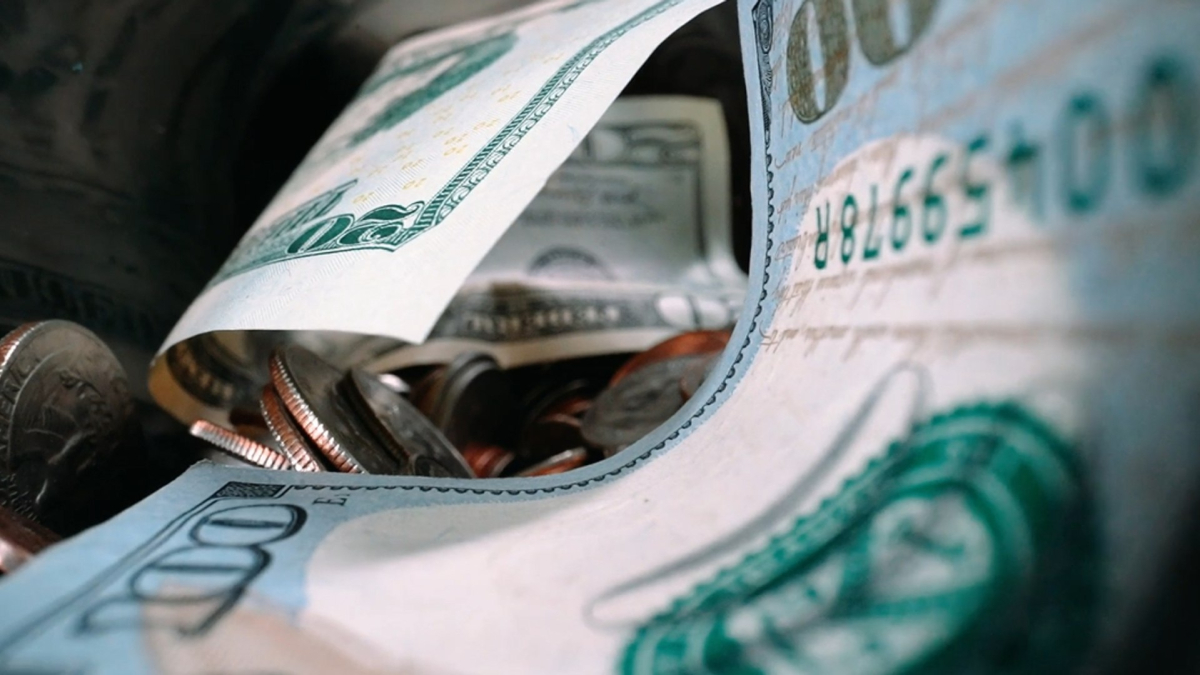
Its amount is $5.60, a little less than 5 euros, money that is collected and goes directly into the coffers of the U.S. Treasury and is used to pay for part of the security measures implemented over the last 25 years. It is no small amount, since in the accumulated total for all flights in 2025, revenue reached nearly $4 billion . Money that is used to pay the salaries of officers who screen passengers and baggage, so-called Air Marshals, and to invest in new security systems such as scanners and security arches.