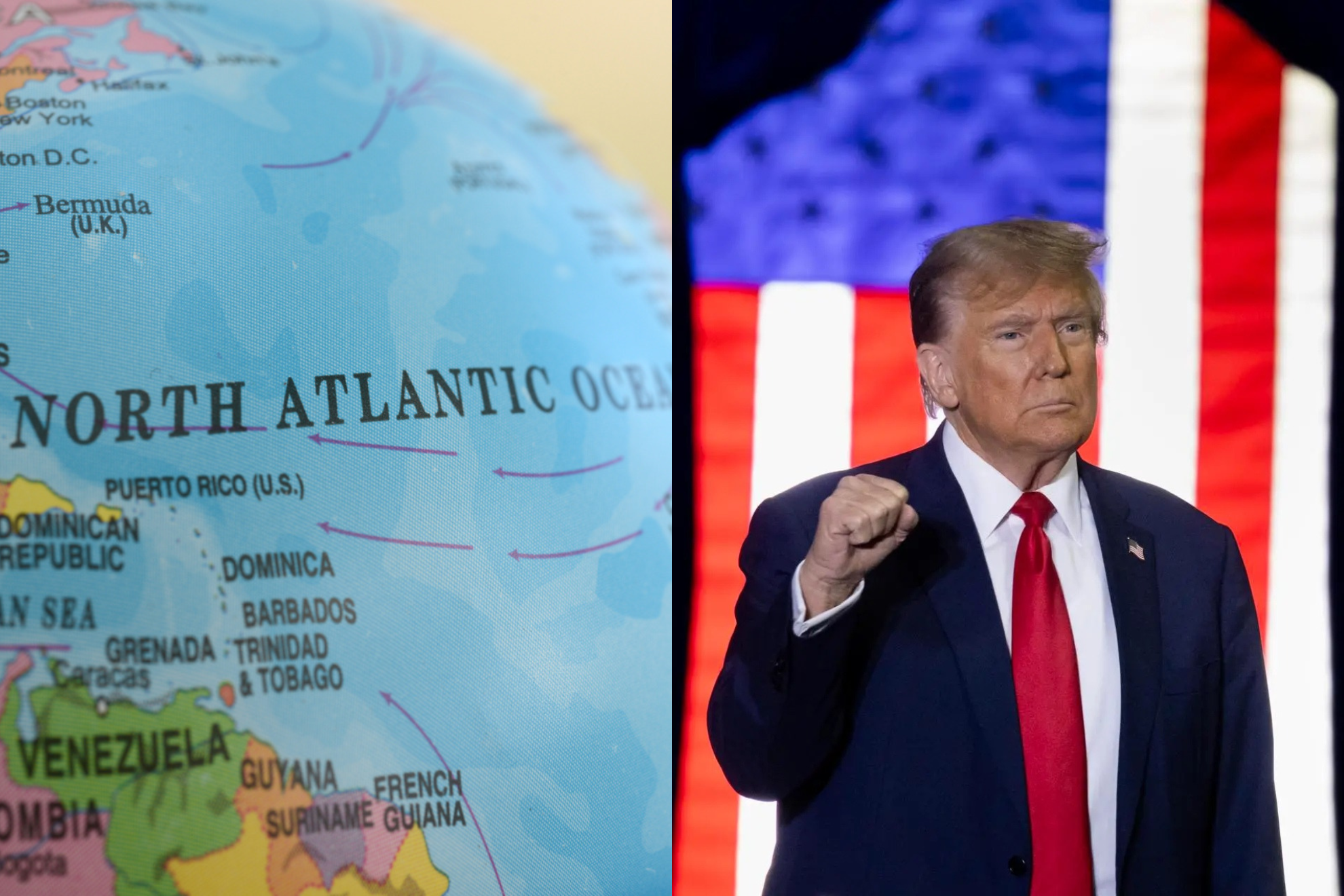
Trump called Google to change the name of the Atlantic and give it his surname: "We’ll call it the Trump Ocean"
The president claims that Google's CEO rejected the request
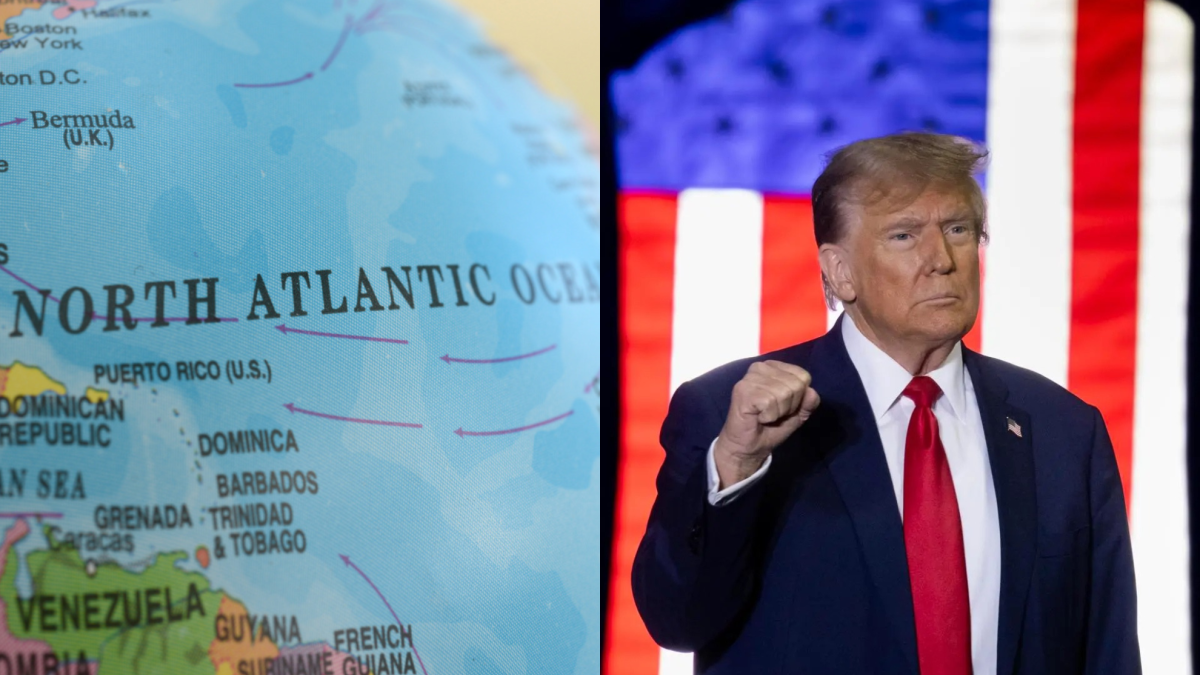
After the Gulf of America , Donald Trump has set his sights on a much bigger target. The President told his supporters that he tried to change the name of one of the planet's great oceans , and that the response he received was not what he expected.
During a rally, Trump said that he contacted Google to ask that Google Maps rename the Atlantic Ocean as the “ Trump Ocean ” . According to his version, he spoke with the company's CEO, Sundar Pichai , to whom he directly put forward the proposal.
Google to Trump: “Please, don’t ask us to do that”
But this time the answer was negative . Trump explained that the company told him that the oceans are different because they span many countries. Recounting the response he received, the president summarized it this way: “Please don't ask us to do that.”
The president said he would let the refusal pass and that the Atlantic would continue to be called that. Although he clarified that it was a joke , he also acknowledged that, thinking it over, it seemed to him that “it was not a bad idea.” In addition, he floated other options, such as calling the Pacific the “Trump Ocean” or using the name “Ocean of the Americas” .
From the Gulf of Mexico to the Gulf of America
It is not the first time Trump has pushed for a geographic name change. At the beginning of his second term, he signed an executive order to rename the Gulf of Mexico as the Gulf of America , and on that occasion Google Maps did apply the change for users in the United States.
The president maintains that back then a single phone call was enough for the company to agree, and he even claims they told him it was “a great idea” . He also boasts about the commercial success of the new name, such as the sale of Gulf of America caps.
Google has already explained on other occasions that the geographic names on its platform are based on official sources and that it applies specific policies for places whose names vary between countries.