A uranium processing plant left radioactive waste for decades in a Colorado river: since 2009, more than 17 million tons have been removed by train
A mountain of waste beside the river
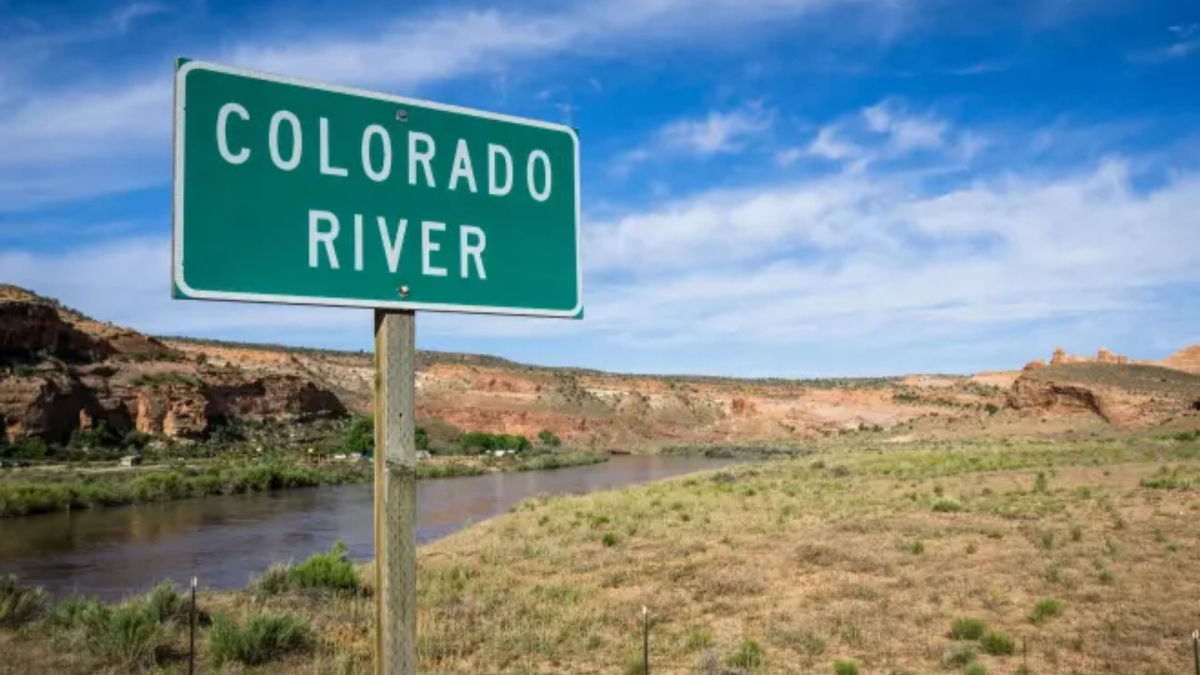
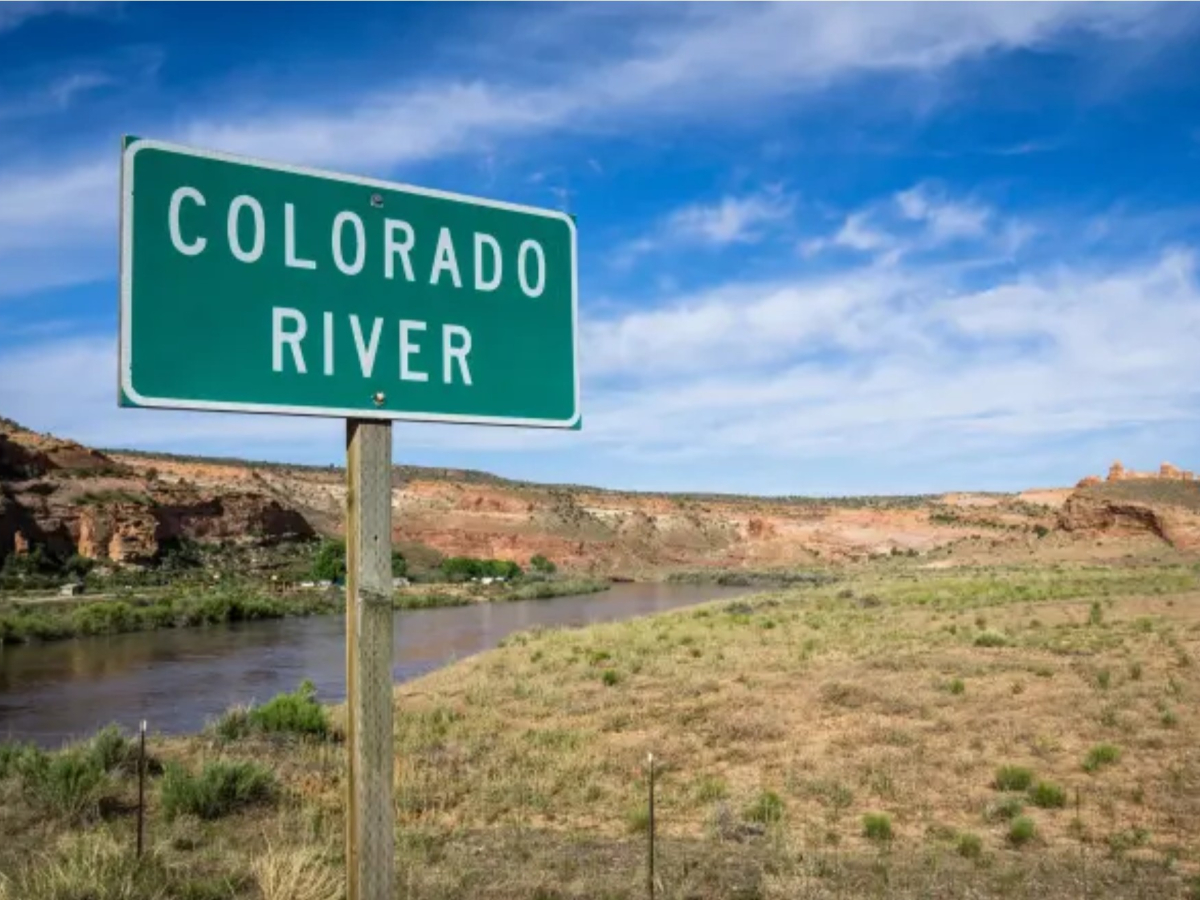
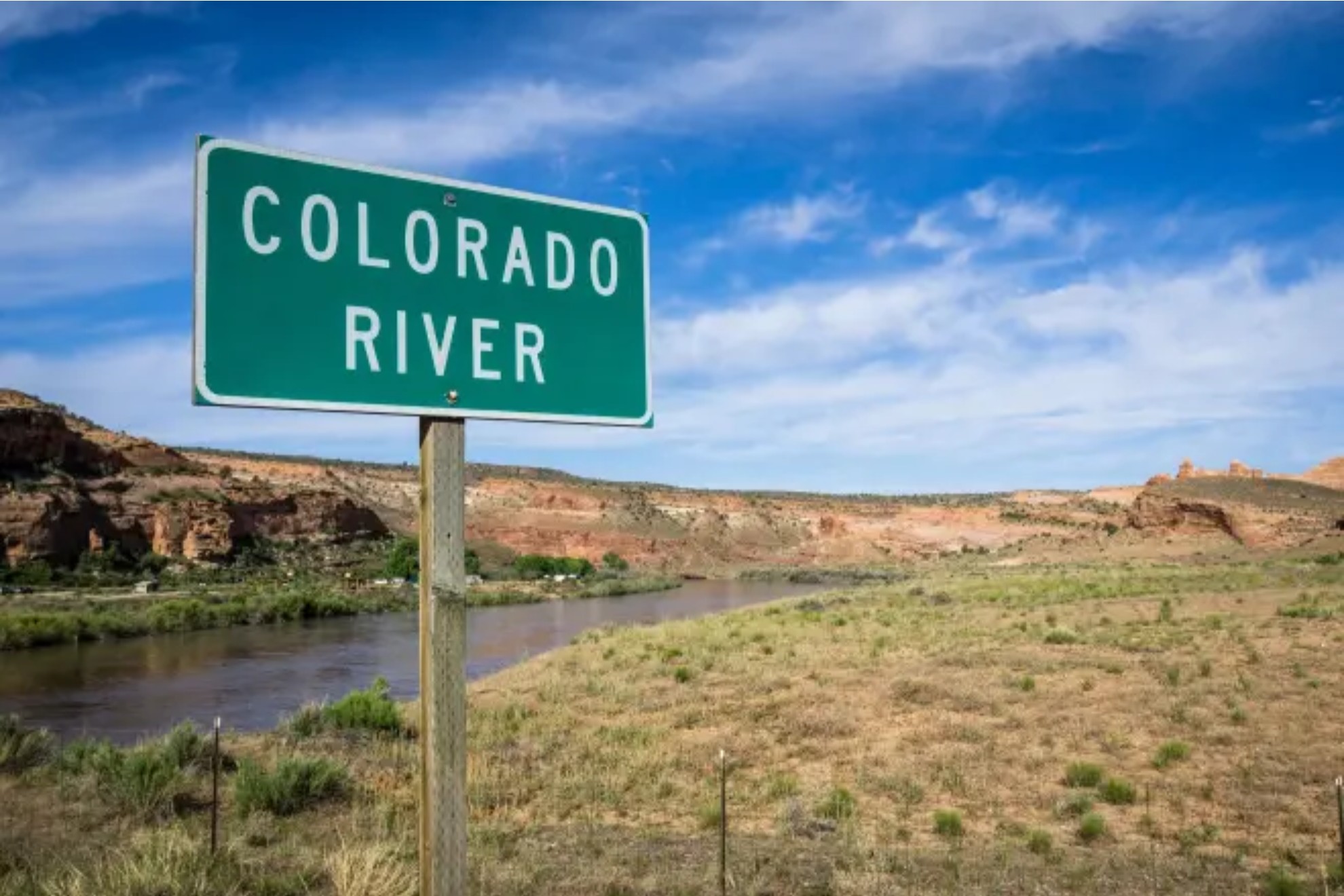
For decades, a huge mountain of radioactive waste remained just a few meters from the Colorado River . Its origin was an old uranium processing plant located near Moab , in Utah , and removing that nuclear legacy has become one of the great environmental cleanup operations in the United States .
Since 2009, trains have transported more than 17 million tons of uranium waste to a disposal site located approximately 30 miles from the original site. The goal is to move this material away from the river and prevent the contaminants from continuing to pose a threat to the environment.
The problem began more than half a century ago
The Moab plant began operating in 1956 , during the expansion of the uranium industry in the Cold War . There, ore was processed to obtain uranium concentrate, leaving behind enormous amounts of waste known as tailings.
When the facility closed, those residues remained piled up next to the Colorado River. The problem was not only the size of the artificial mountain. The contaminants could reach the groundwater , while the river’s proximity made any movement of the materials an environmental concern.
Now, the landscape is changing thanks to an operation that uses the railroad as a fundamental component. The waste is removed, conditioned, and loaded onto railcars to make the journey to Crescent Junction. There, it is stored in a facility specially designed to isolate it and reduce the risk of water or erosion dispersing it.
Not everything is done yet at the Moab mill
The volume already removed gives an idea of the scale of the problem: 17 million tons are equivalent to a gigantic amount of material that for decades remained next to one of the most important rivers in the western United States.
But there is still work to be done. The operation also includes the recovery of affected land and measures aimed at controlling groundwater contamination.
The U.S. Department of Energy expects to complete the main tasks of the project in 2029 . Until then, trains will continue removing from the former site waste that remained there for decades.
The cleanup of Moab is, ultimately, the slow dismantling of a legacy from the nuclear era: a mountain of waste that for years was part of the Colorado River landscape and is now disappearing car by car.