What’s next for Lindsay Clancy? Lawyer vows to fight a second murder trial following explosive mistrial
Lindsay Clancy’s first murder trial ended without a verdict after a jury remained deadlocked, leaving prosecutors with a major decision and her defense preparing for another legal battle
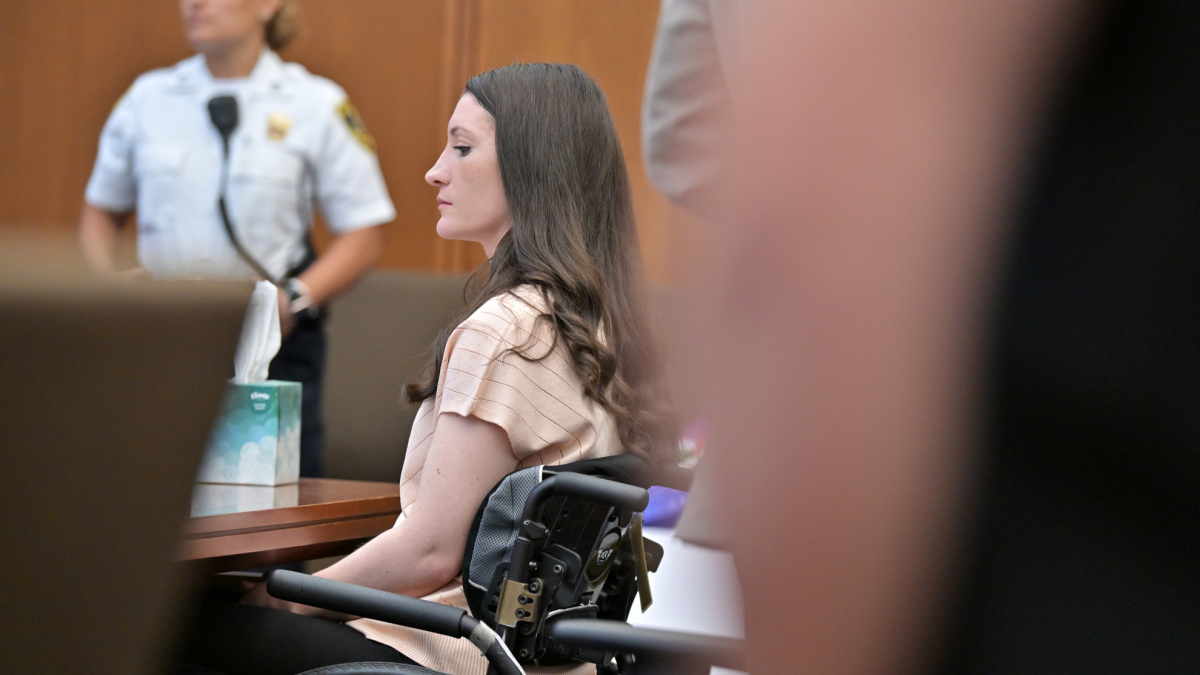
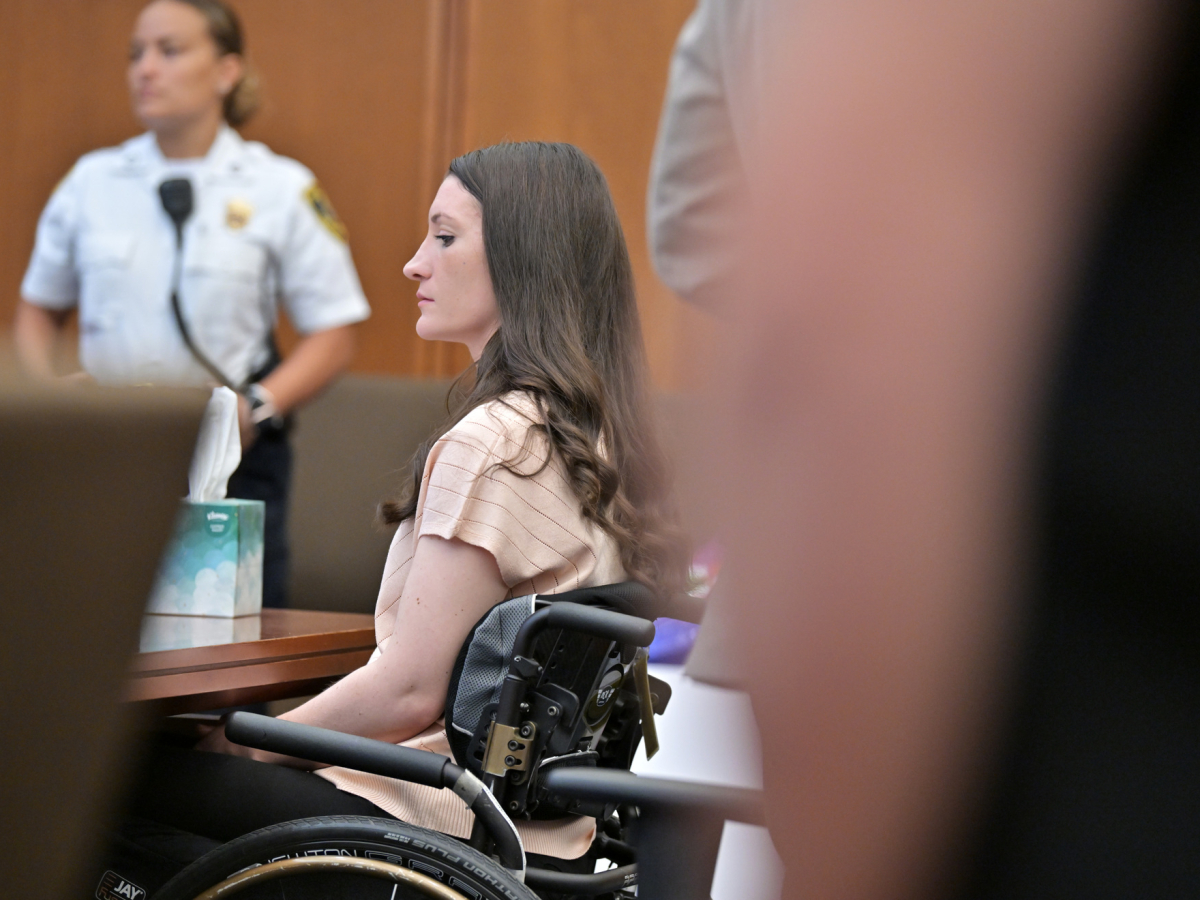
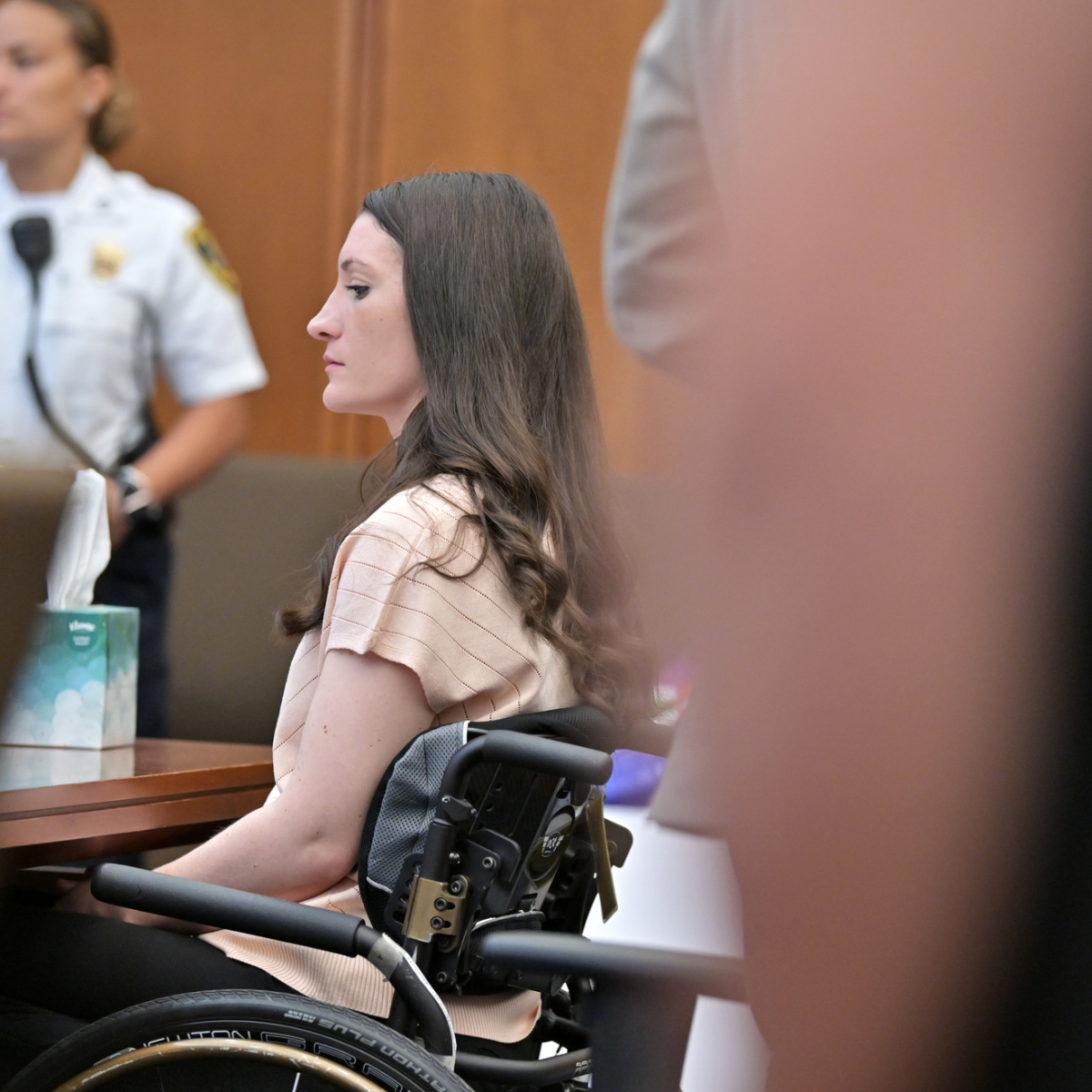
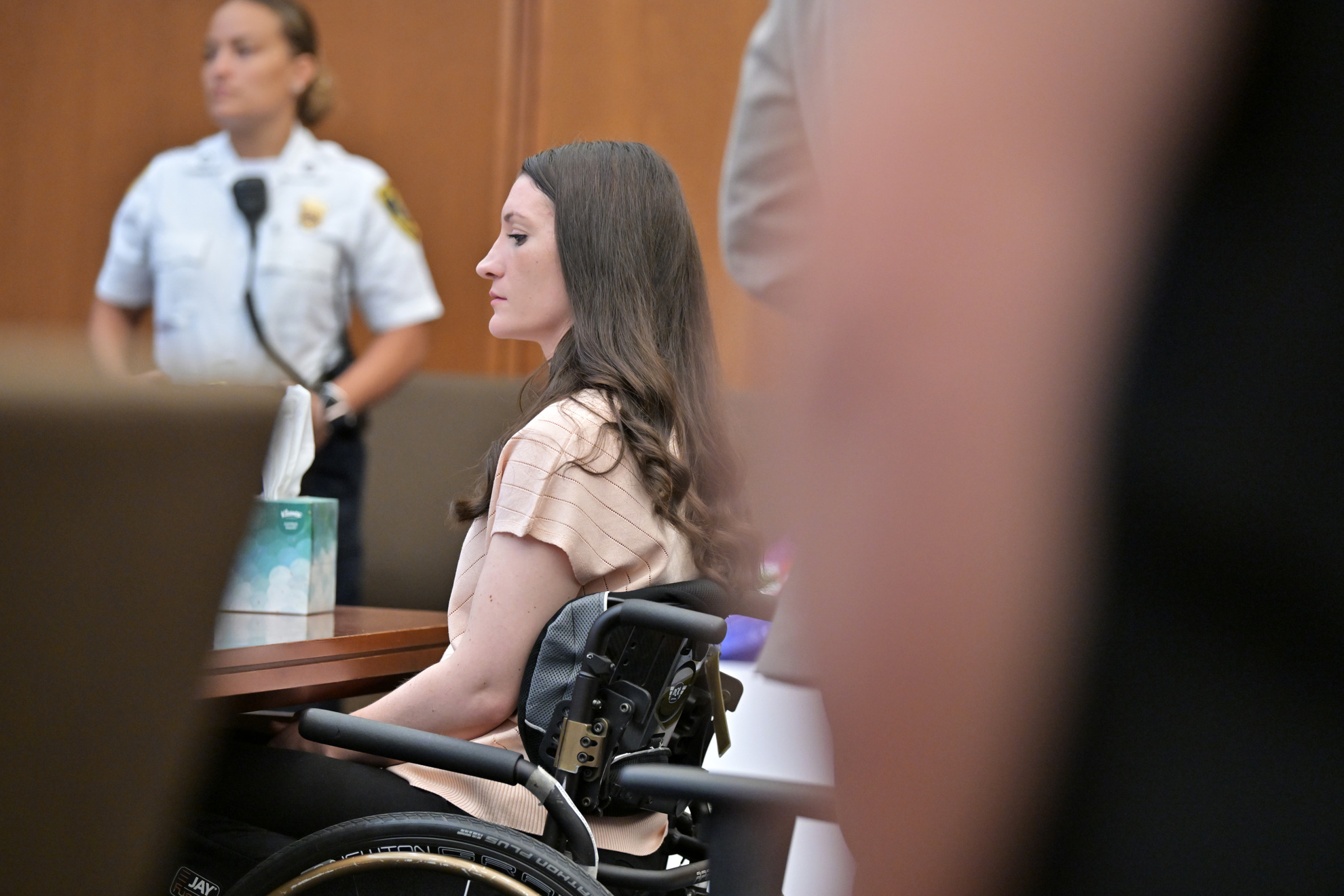
L indsay Clancy ’s closely watched murder trial has ended without a verdict, but the legal fight surrounding the Massachusetts mother is far from over.
After nearly six weeks of testimony and more than 38 hours of jury deliberations, Judge William Sullivan declared a mistrial on Friday, September 4, after the 12-person panel could not reach a unanimous decision over whether Clancy was criminally responsible for the deaths of her three children.
The mistrial means Clancy has not been convicted or acquitted. The charges remain unresolved, and prosecutors now face the decision of whether to put the case before another jury.
The dramatic conclusion followed an extraordinary final day in court. Defense attorney Kevin Reddington made a last-minute attempt to prevent the mistrial after the jury repeatedly reported that it was unable to reach an agreement.
Reddington had argued that one juror was preventing the panel from reaching what he said would have been a not-guilty verdict.
According to reports from the proceedings, the jury foreperson indicated that one member had acknowledged having doubts but would not apply the legal standard of reasonable doubt to the case.
Reddington had previously described the situation by saying one juror “refuses to listen to the law on reasonable doubt.”
The judge declined to remove the juror or conduct another individual inquiry. Sullivan then moved toward declaring a mistrial, prompting Reddington to seek emergency intervention from the Massachusetts Supreme Judicial Court.
Sullivan granted the defense approximately one hour to pursue that appeal. The emergency request was ultimately rejected, clearing the way for the mistrial to be formally declared.
Why the next court date could be crucial for Lindsay Clancy
The immediate question is whether prosecutors will attempt to retry Clancy .
Plymouth County District Attorney Timothy Cruz has not committed publicly to a second trial. Following Friday’s ruling, prosecutors indicated that no decision had been made, leaving open several possibilities, including a retrial, negotiations over the case or another legal resolution.
A retrial would effectively restart the criminal proceedings with a new jury. The prosecution would once again have to prove beyond a reasonable doubt that Clancy was criminally responsible for the deaths of her children.
The defense, meanwhile, is expected to continue challenging the prosecution’s case and Clancy’s continued prosecution. Reddington has already indicated that he remains prepared to represent her if the case returns to trial.
He has also sharply criticized the juror whom he believes prevented the first trial from producing a verdict.
Speaking after the mistrial, Reddington said, “It's a very sad case,” and described Clancy as “a fantastic, wonderful individual.” He also said his client was “not good” emotionally and argued that she had been “robbed” by the lone juror.
He later indicated that a retrial could present its own challenges, particularly when it comes to selecting an impartial jury after the enormous publicity surrounding the case.
He said he would want the same 11 jurors who appeared to favor his client to return, although a future trial would ordinarily require a new jury.
At the center of the case remains the question of Clancy’s mental state on January 24, 2023.
Clancy has acknowledged that she strangled her three children, Cora, Dawson and Callan , but her defense has argued that she was suffering from severe postpartum psychosis and therefore should not be held criminally responsible.
Prosecutors presented a fundamentally different account. They argued that Clancy understood what she was doing and had taken deliberate steps before the killings, including sending her then-husband out of the home to run an errand.
Expert psychiatric testimony became a major battleground during the trial, with the two sides offering sharply different interpretations of her mental health.
The case has also drawn attention well beyond the courtroom because of its focus on postpartum mental illness and the difficulties surrounding diagnosis and treatment.
For now, Clancy remains in custody at Tewksbury Hospital, and Friday’s mistrial does not mean she is free or that the criminal case has disappeared. The next significant date is September 29, when the court is scheduled to address the future of the proceedings.
Until then, prosecutors will have to weigh the strength of their case, the outcome of the first trial and the possibility of putting the families involved through another lengthy proceeding.
The first trial may be over, but the questions surrounding Lindsay Clancy’s responsibility for the deaths of her children remain unanswered.