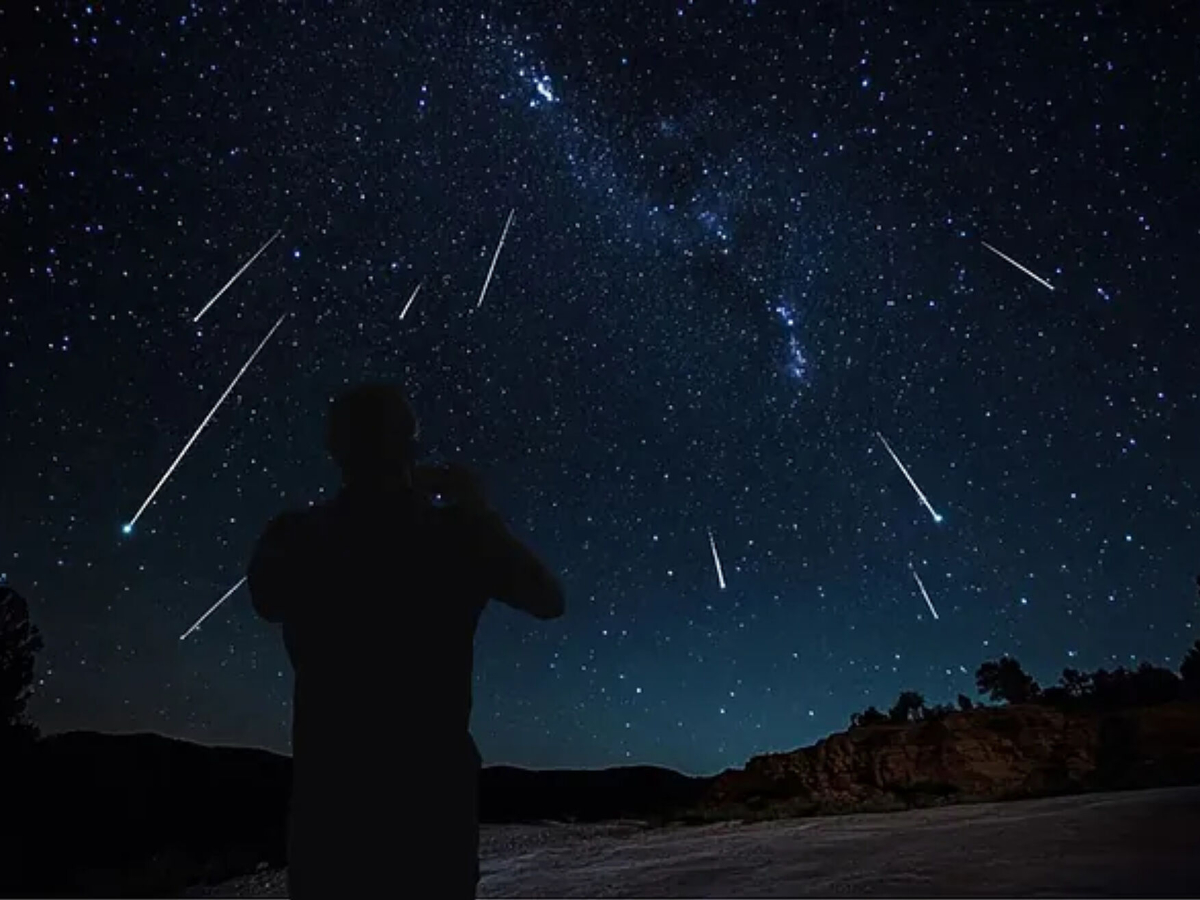
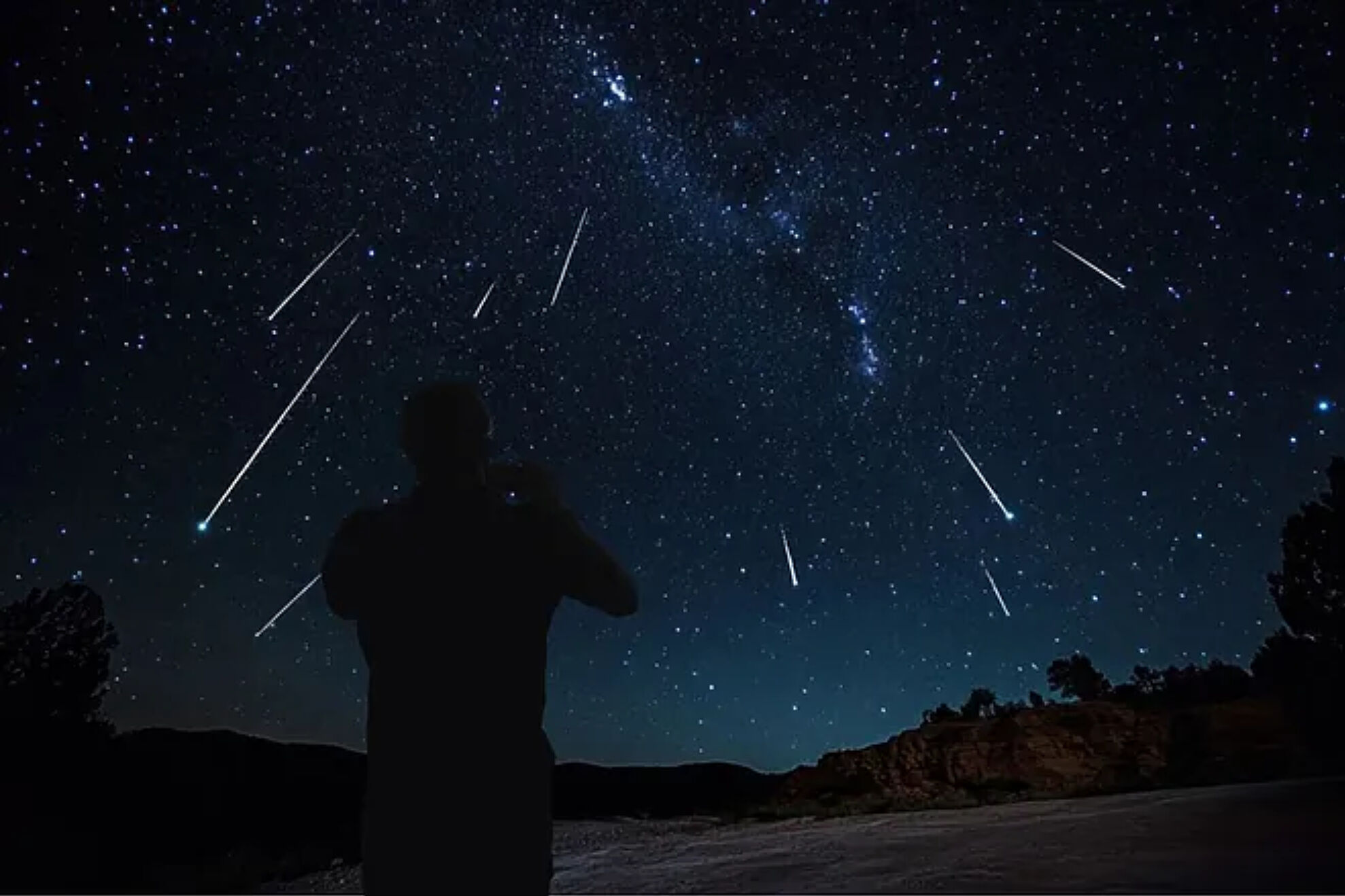
What time is the Leonid meteor shower most visible today, and which is the best way to see it in the US?
The annual meteor shower reaches its predicted peak on Tuesday evening for Americans hoping to spot the shooting stars
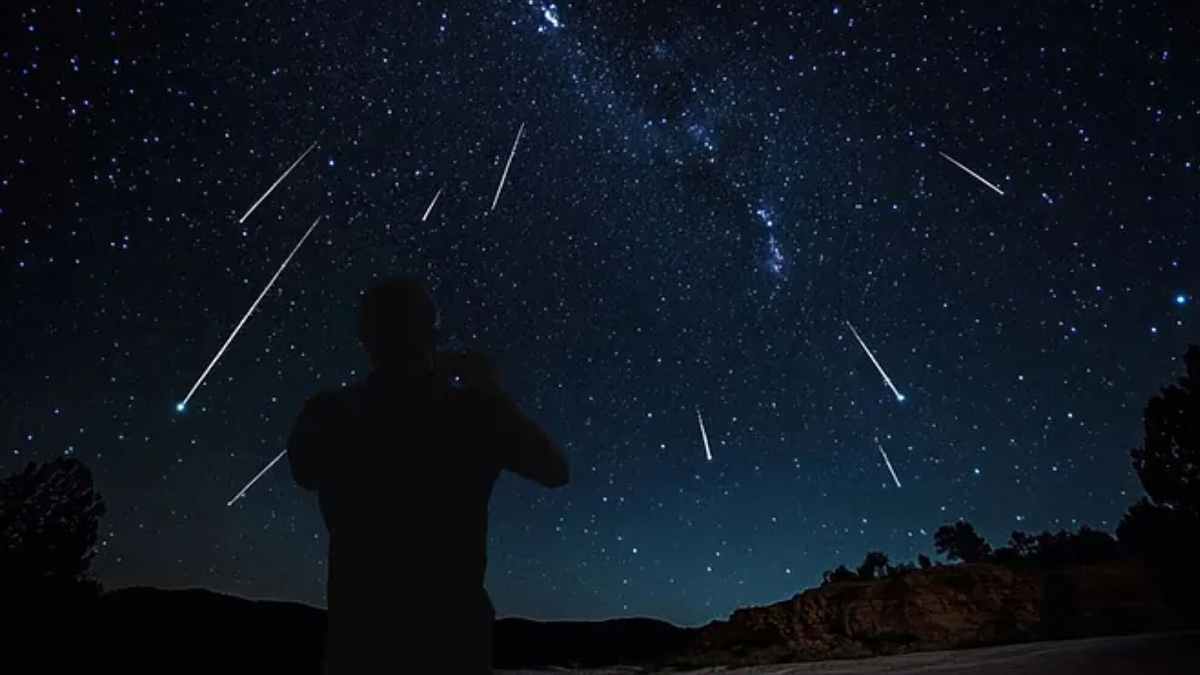
The Leonid meteor shower reaches its predicted peak around midnight UTC on Wednesday, November 18, giving skywatchers across the United States a chance to catch one of the year's best-known annual displays – though the strongest viewing comes later than the exact peak. In the US, the astronomical peak falls at 19:00 ET/16:00 PT on Tuesday, November 17, although those are the predicted peak times, not necessarily the best hours to watch from the ground as observers should aim for approximately 2am to 5am local time on Wednesday.
That moment is when Leo has climbed higher and the radiant is better positioned as the few precious hours before sunrise generally provide the best opportunity, provided skies remain clear and local viewing conditions are favorable as darkness will make a major difference. For example, the more rural parts of Utah , Arizona , Nevada and New Mexico can offer excellent conditions away from city lights, but any location with a clear, wide view and little artificial illumination can work well, thus getting away from brightly lit urban areas is key. Under ideal conditions, the Leonids can produce around 15 meteors an hour, although the number visible will depend on cloud cover, light pollution and how dark your location is. The Moon is expected to set around midnight, reducing its interference later in the night. The shower is caused by debris left along the orbit of comet 55P/Tempel-Tuttle . Earth passes through this stream every November, and tiny particles enter the atmosphere at roughly 71 kilometers per second, heating up and creating the bright streaks commonly called shooting stars.
What is the best way to watch the Leonid meteor shower?
The simplest approach is also the most effective: watch with your naked eyes as telescopes and binoculars narrow the amount of sky you can see, while Leonid meteors may flash across almost any direction, not just the area around their apparent starting point. Although the shower appears to emerge from the constellation Leo in the eastern sky, there is no need to stare directly at it. Keep your gaze broad, perhaps facing east or southeast, and look slightly away from the radiant to catch longer streaks as they cross the sky. Arrive 20 to 30 minutes before you plan to start watching so your eyes can adapt to the darkness, and avoid checking your phone or using bright lights; if a torch is essential, a red-light setting will help preserve night vision and make it easier to spot fainter meteors. Choose a comfortable spot and give yourself time. A reclining chair, warm clothing, a blanket and a hot drink can make an extended session easier, particularly if you plan to stay outside for an hour or more. Patience is important when waiting for individual meteors.