Who is Pete Hegseth, the United States Secretary of Defense who has expelled trans people from the military
Some Navy and Marine Corps commanders have disobeyed the order and are looking for ways to keep the affected people in the ranks
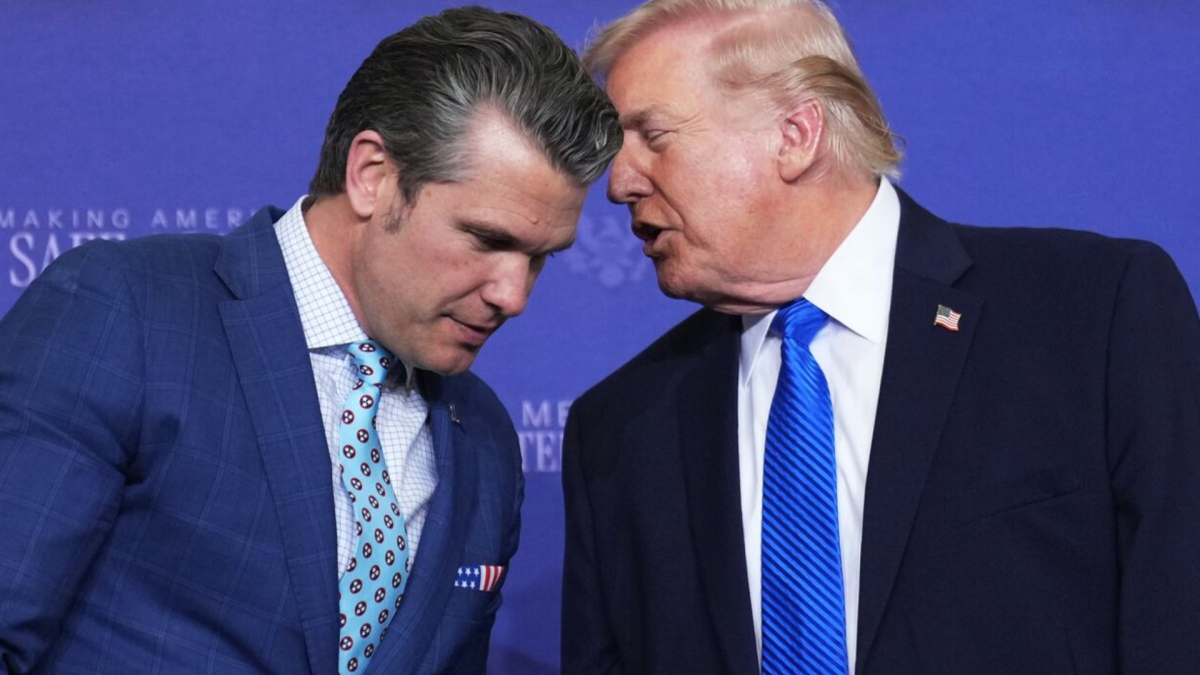
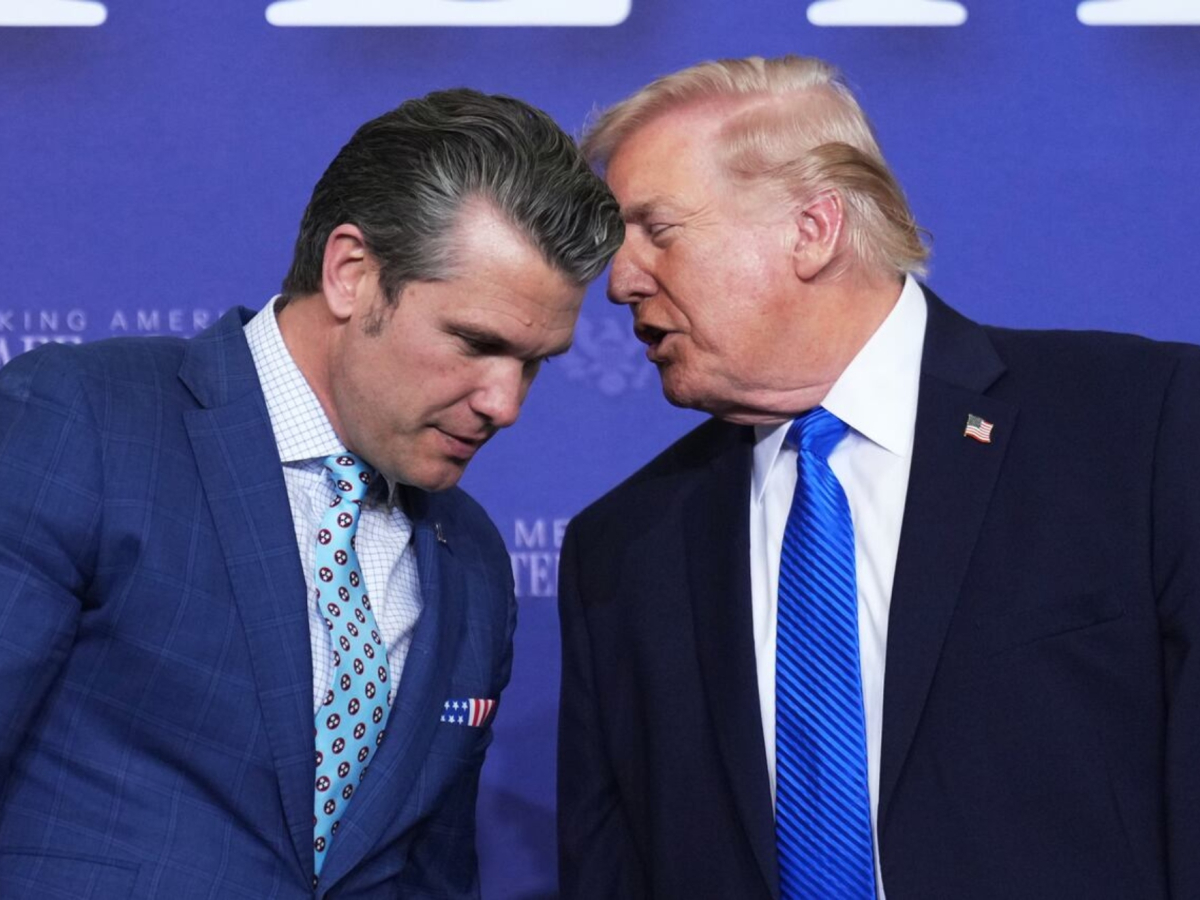
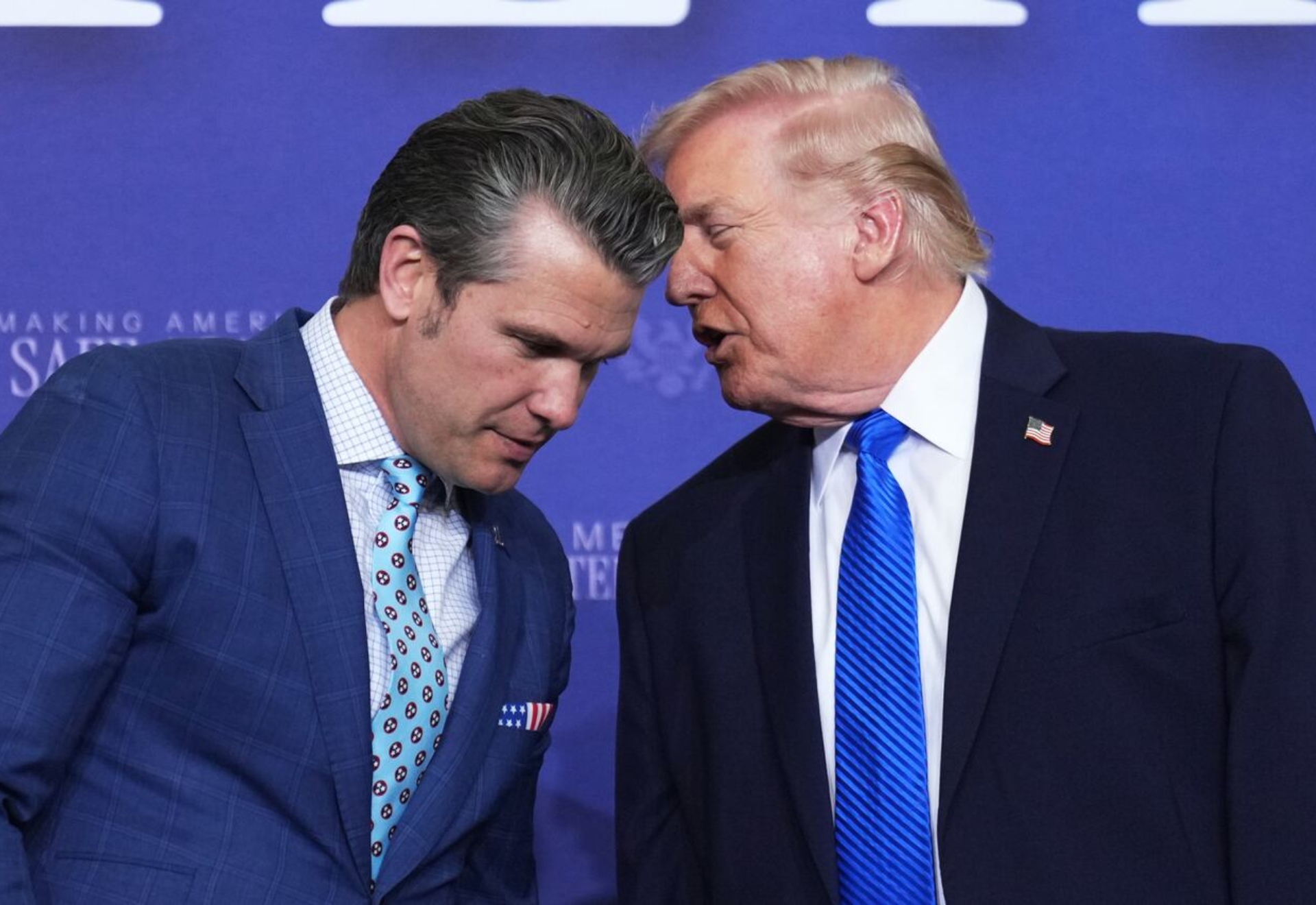
Pete Hegseth , an Army National Guard veteran with Bronze Star decorations for his deployments in Iraq and Afghanistan , first came to public attention mainly as a host on Fox News , a media outlet aligned with Donald Trump , before being appointed Secretary of Defense by the current President.
Known for his alignment with the hardline conservative wing and his critical stance against progressive policies within the Armed Forces , the head of the Pentagon restructured military policy under the premise that service should be reserved for those who meet traditional standards of physical and mental fitness . During a mass event before sailors and Marines, the secretary of Defense used a derogatory term to announce that he would expel transgender soldiers , pushing a strict bureaucratic review process to carry out their removal.
The Navy and the United States Marine Corps, against Pete Hegseth's decision
The directive designed by the Pentagon seemed inflexible: a mechanism whereby separation boards were required to process discharges without hesitation . To carry out the measure, extremely rigid instructions were issued under which board members were told to "circle certain words" that would certify a trans status in order to proceed with automatic dismissal. However, just a few steps from the auditorium where Hegseth spoke, at Quantico Base, the boards tasked with enforcing those orders were doing the opposite . What the Government had envisioned as a meteoric purge has run headlong into the troops' own judgment.
The ban argues that transgender people represent a costly burden on military effectiveness . However, the practical implementation in the Navy and the Marine Corps has taken an unexpected turn. Instead of meekly complying with the expulsion directives, the boards rebelled and voted in favor of allowing them to stay , prioritizing their colleagues' professional performance over ideological mandates. This phenomenon of veiled insubordination stands in sharp contrast to the pattern seen in the Army or the Air Force, where most hearings have resulted in immediate dismissals.
'The contradiction between the Pentagon's rhetoric and the reality of the military courts has become evident. While high-ranking officials point to diversity as an operational obstacle, in the Marines' hearings passionate defenses of group cohesion have emerged. In the case of Sergeant Damien Contreras , the review board decided to strike the clause on a history of hormone therapy from his findings sheet and include the phrase "remains qualified" in order to keep him on active duty, valuing his decade of impeccable service above the restrictions imposed by the administration.'
Legal experts and former military lawyers point out that this institutional brake reflects a deep sense of camaraderie. Former Air Force lawyer Rachel VanLandingham praised the judges' stance in The New York Times, noting that the boards are saying "they are not going to play that game" , refusing to endorse incoherent records or proceedings they consider outright unfair. This quiet resistance exposes a growing gap between the directives issued by the top brass and the values of loyalty on the front lines.
When the fulfillment of duty is above any directive: this is the devastating message
Although the number of favorable rulings is small and they could be overturned by politically appointed secretaries, the message sent by the Navy and the Marine Corps is devastating . In the Navy, where the percentage of diverse personnel is estimated to be higher than in other branches, career officers have argued that their subordinates have always carried out their duty impeccably. The troops are choosing to protect the effectiveness of their units rather than submit to arbitrary impositions.
The attempt to homogenize the armed forces through sweeping dismissals thus encounters an unexpected obstacle: the very judgment of military personnel who prioritize merit in the fulfillment of duty . In the Marine Corps, whose motto is Semper Fidelis, the respect earned after years of service and deployments carries more weight than the directives of a purge imposed from Pentagon offices.