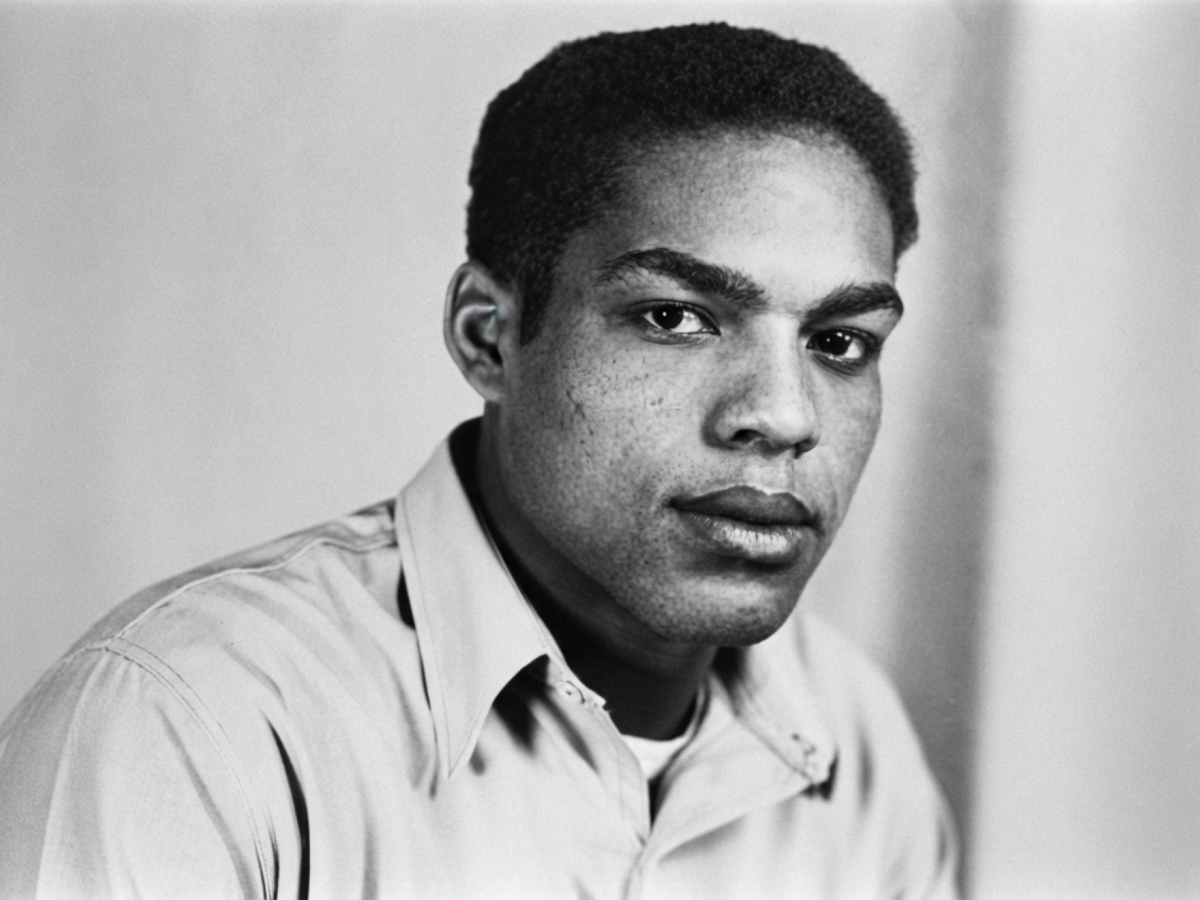
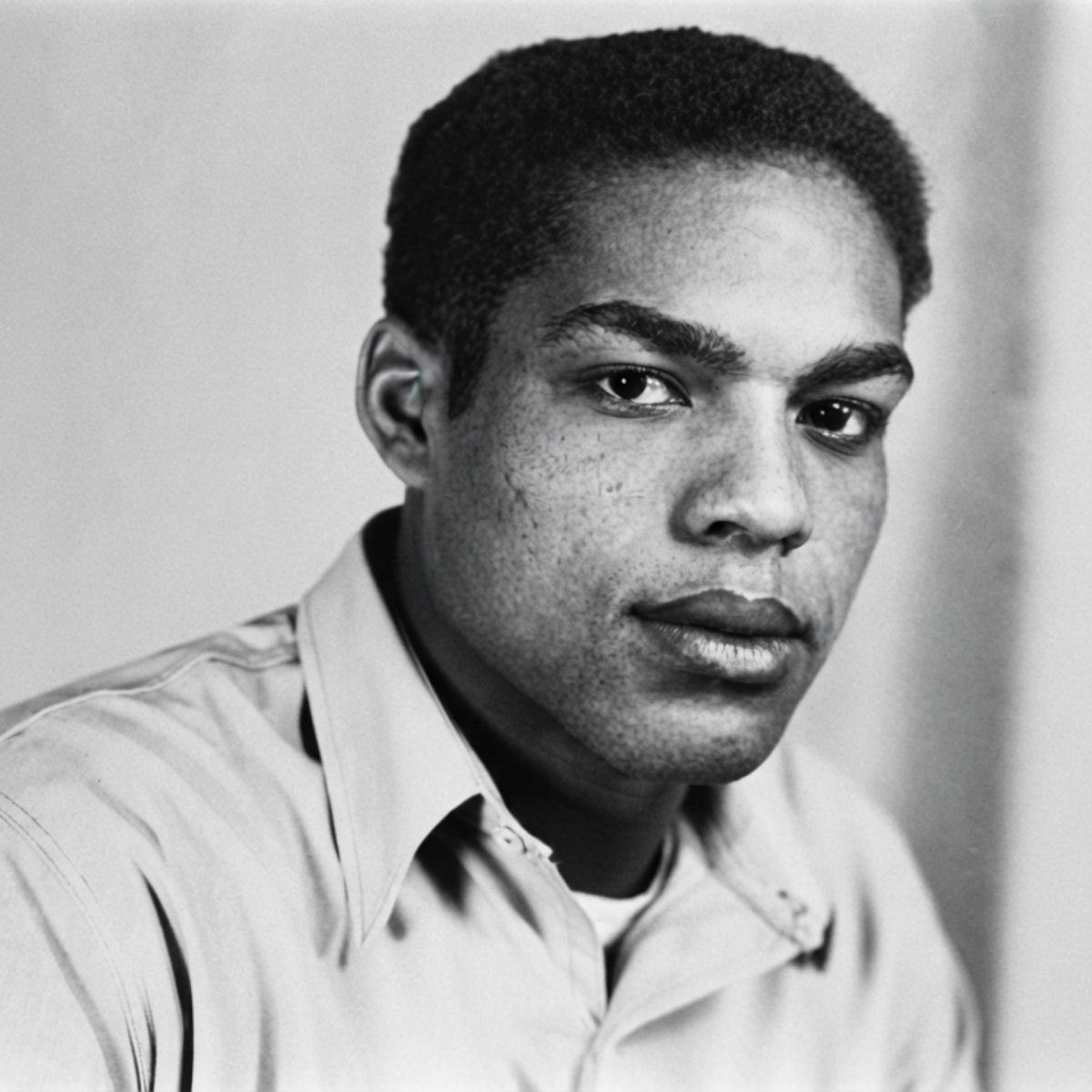
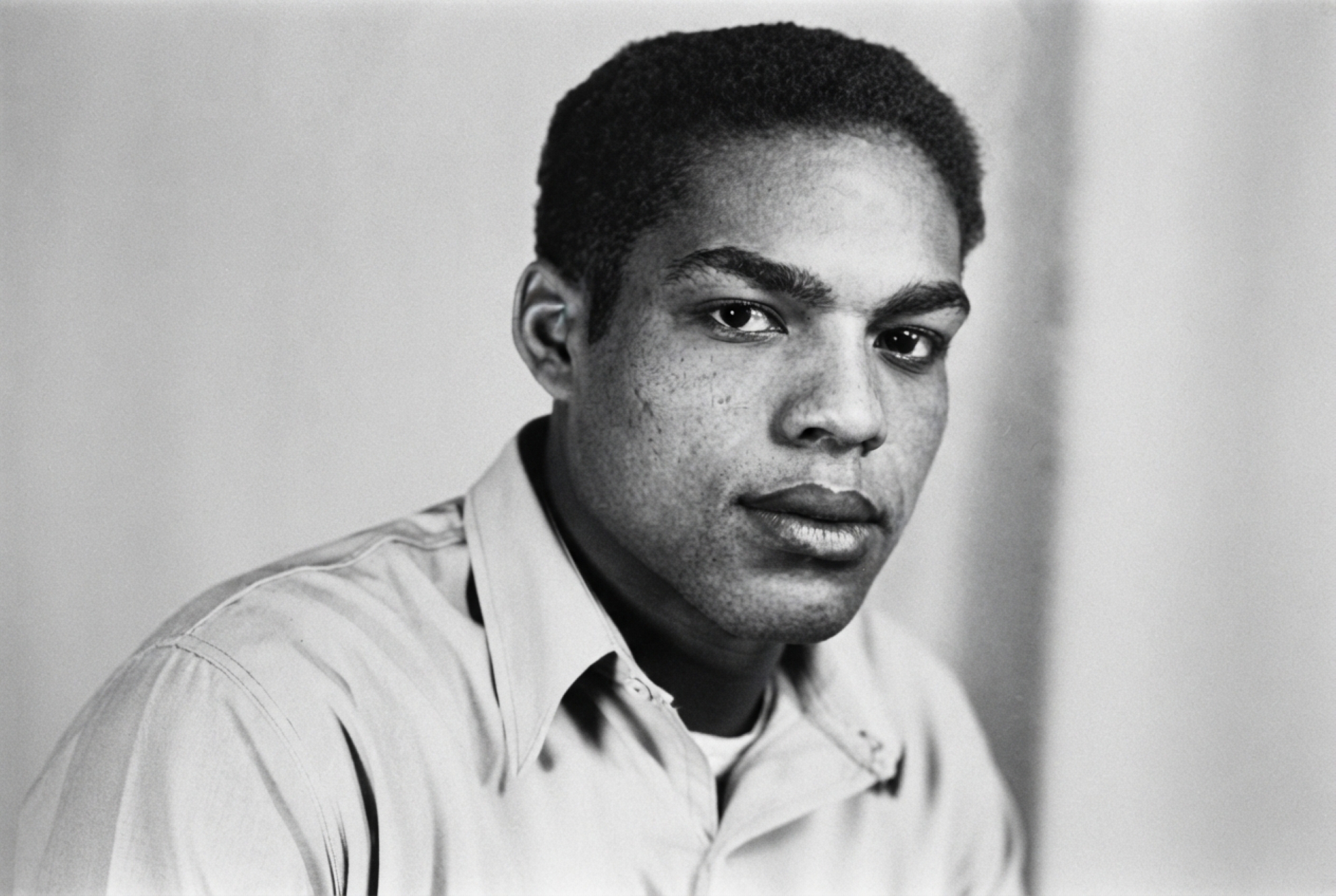
Who was John Bennett? The last soldier executed in the United States 65 years ago
Army Private John Bennett was hanged at Fort Leavenworth's military prison in Kansas after being convicted of rape
Capital punishment within the U.S. military has a long and complex history, historically reserved for severe offenses such as murder, treason, and rape during times of war or active service.
Throughout the twentieth century, military executions carried out by the armed forces were subject to intense scrutiny, particularly regarding how capital punishment was administered across different racial groups .
While the ultimate penalty was theoretically designed to maintain military discipline and punish the most heinous crimes, historical data and legal reviews have repeatedly highlighted deep systemic disparities in how these death sentences were handed down and enforced.
The Tragic Case of Private John Bennett
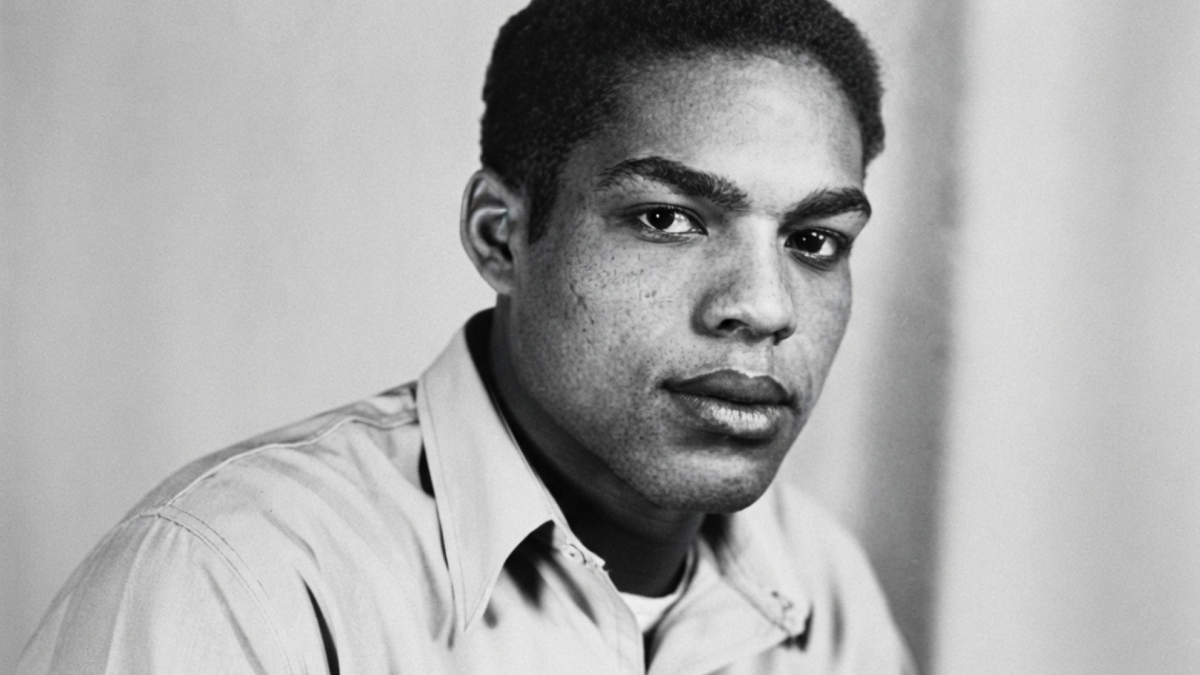
Marking a sobering milestone in American jurisprudence, it has now been exactly 65 years since the U.S. military last carried out a death sentence on a service member. On April 13, 1961 , Army Pvt. John Bennett was hanged at the military prison at Fort Leavenworth, Kansas, after being convicted of raping and attempting to kill an 11-year-old Austrian girl .
At 26 years old , Bennett’s execution generated very little media fanfare at the time, but looking back through a modern lens, the case exposes glaring racial inequalities and legal shortcomings.
Bennett was an African-American soldier , the victim was white, and his legal representation during the trial was described by historians as brief and ineffective.
Legal experts have noted that during the six-year span between Bennett’s conviction and his eventual execution, eight other Black soldiers faced the death penalty, while six white prisoners on military death row managed to escape execution, with President Dwight Eisenhower commuting four of those sentences and the court sparing two.
Furthermore, historical archives and legal reviews reveal that Bennett suffered from underlying mental health problems that likely would have spared him under contemporary standards of justice, yet his defense counsel never introduced his psychological background during the trial.
Legal scholars, such as Yale Law School professor Eugene R. Fidell , have long pointed out that the military death penalty disproportionately targeted African-American service members.
Statistics compiled by legal experts show that during World War II , when Black troops accounted for less than 10% of the total Army, 55 out of the 70 soldiers executed in Europe were Black .
Following President Harry Truman ’s 1948 order desegregating the armed forces, that racial disparity actually widened; between 1954 and 1961 , 11 of the 12 service members executed by the military were African-American .
A comprehensive 2012 study analyzing military capital cases between 1984 and 2005 further confirmed that minority defendants were twice as likely to receive the death penalty as white defendants, a disproportionate rate significantly higher than that found in civilian courts.
As the decades have passed since John Bennett walked to the gallows in the Fort Leavenworth boiler room, federal and military systems have largely moved away from capital punishment, leaving his execution as a dark and defining final chapter in the history of American military capital punishment.