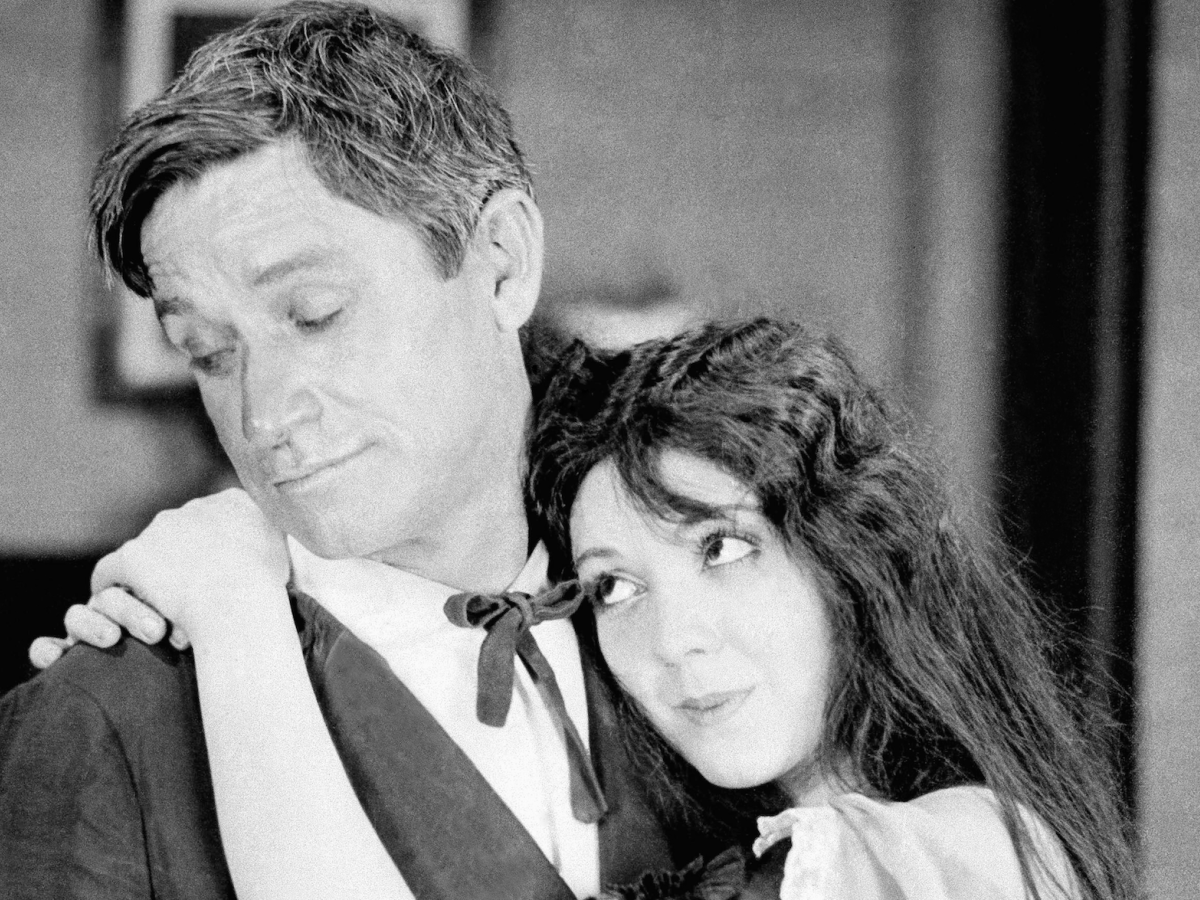
Will Rogers, Actor: "Good judgment comes from experience, and a lot of that comes from bad judgment"
The celebrated American entertainer became famous for his sharp observations about everyday life, although historical research suggests this particular saying may not have originated with him
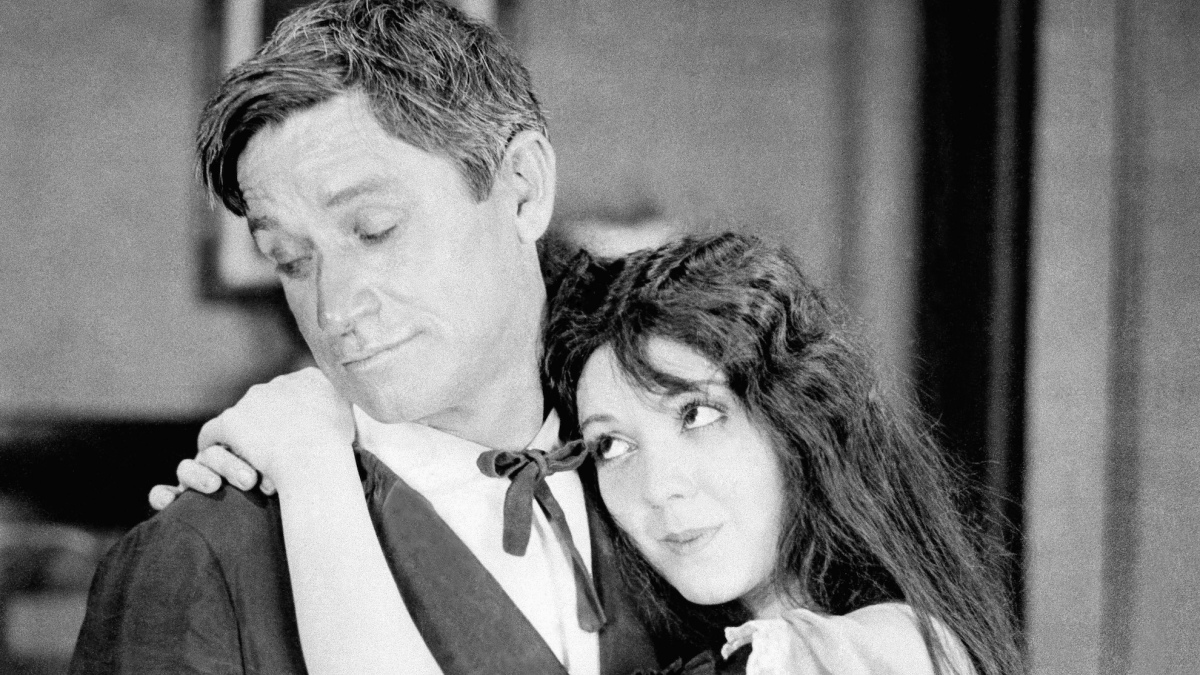
W ill Rogers remains one of the most recognizable American humorists of the early 20th century, remembered for turning everyday experiences into memorable observations about human behavior.
The saying, "Good judgment comes from experience, and a lot of that comes from bad judgment," is frequently attributed to the actor and comedian, capturing the kind of practical wisdom that made his humor so popular.
Its message is straightforward: people rarely develop sound judgment without making mistakes along the way. Experience is often gained through decisions that do not work out, and learning from those moments can help prevent similar errors in the future.
The quote also offers a reminder that mistakes do not necessarily represent failure. They can become valuable lessons, provided someone is willing to recognize what went wrong and make a different choice next time.
However, there is an important qualification to the attribution. Although the expression is widely circulated under Rogers' name, research into its origins has not established that he actually said it.
Quote Investigator traced an earlier version to a newspaper report published in 1932, in which the saying was presented as an anonymous observation. Rogers was still alive at the time, but there is no documented evidence connecting him to its creation.
Will Rogers built a career on humor and everyday wisdom
Born William Penn Adair Rogers on November 4, 1879, near Oologah in what was then Indian Territory, the entertainer grew up on a ranch in a Cherokee family. His early life helped shape the cowboy image that would become central to his public identity.
Rogers initially developed his skills as a trick roper, traveling with Wild West shows and performing internationally. He eventually moved into vaudeville, where audiences became just as interested in his remarks between tricks as they were in his rope work.
His career expanded significantly after joining the Ziegfeld Follies in 1915. He became a Broadway attraction before moving into motion pictures, appearing in more than 70 films.
His ability to transition from silent pictures to talking movies helped him remain a major Hollywood star.
But acting was only one part of his influence. Rogers also became a successful newspaper columnist and radio personality.
His syndicated writing reached millions of Americans, while his broadcasts allowed audiences to hear the conversational delivery that had made him popular on stage.
According to the Smithsonian, his newspaper column appeared in more than 550 publications, and he wrote over 3,600 columns during his career. His humor frequently addressed politics, public figures and the contradictions of American society.
The saying about judgment fits the broader image of Rogers as a commentator who valued common sense and the lessons people gained through everyday life. Nevertheless, the Will Rogers Memorial Museum warns that some quotations are incorrectly attributed to him.
Quote Investigator's research found that the expression circulated anonymously before later versions became associated with Rogers and other public figures. It also appeared in Rita Mae Brown 's 2001 novel Alma Mater, where it was described as an old saying.
Rogers died on August 15, 1935, in an airplane crash in Alaska alongside aviator Wiley Post. He was 55.
His legacy as an entertainer and social commentator remains considerable. Even if the judgment quotation cannot reliably be credited to him, its enduring popularity reflects the appeal of the practical, experience-based wisdom associated with his public persona.