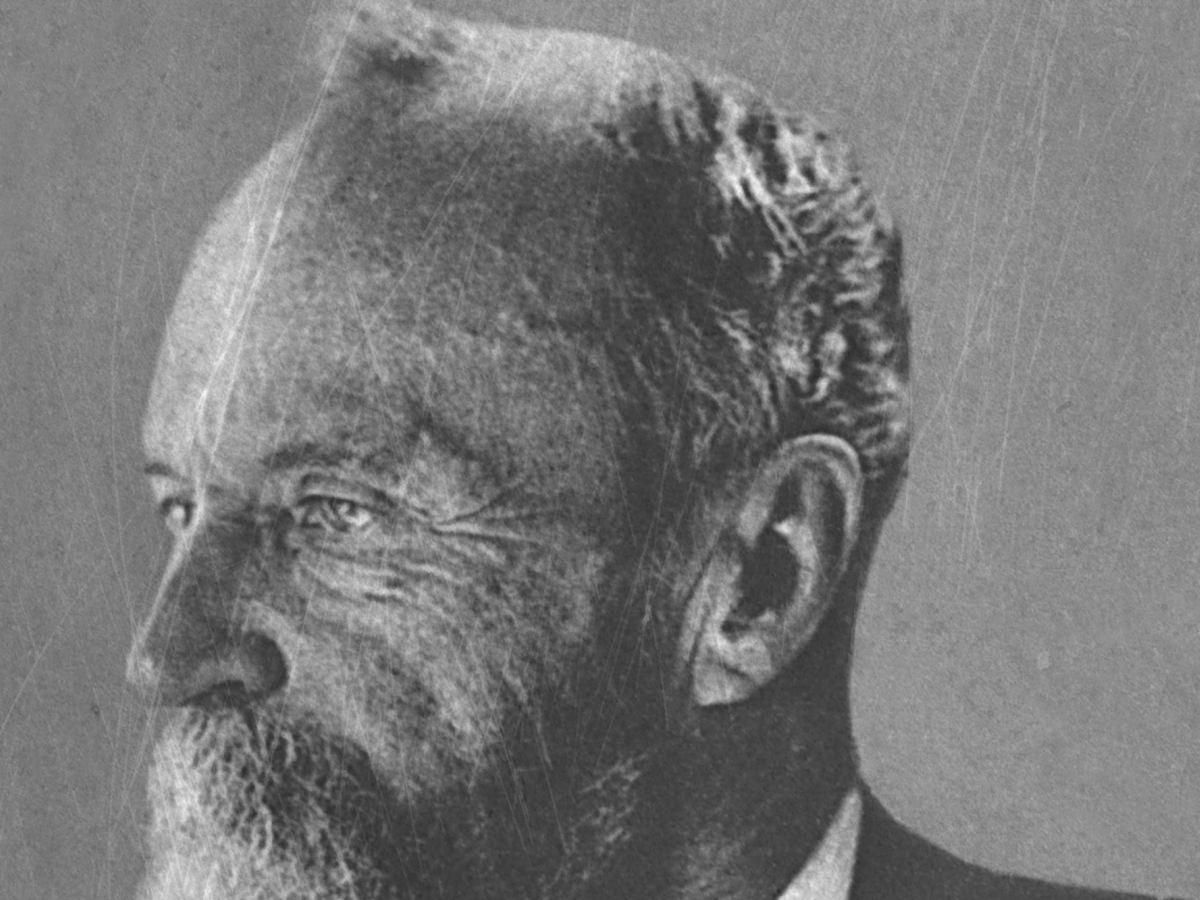
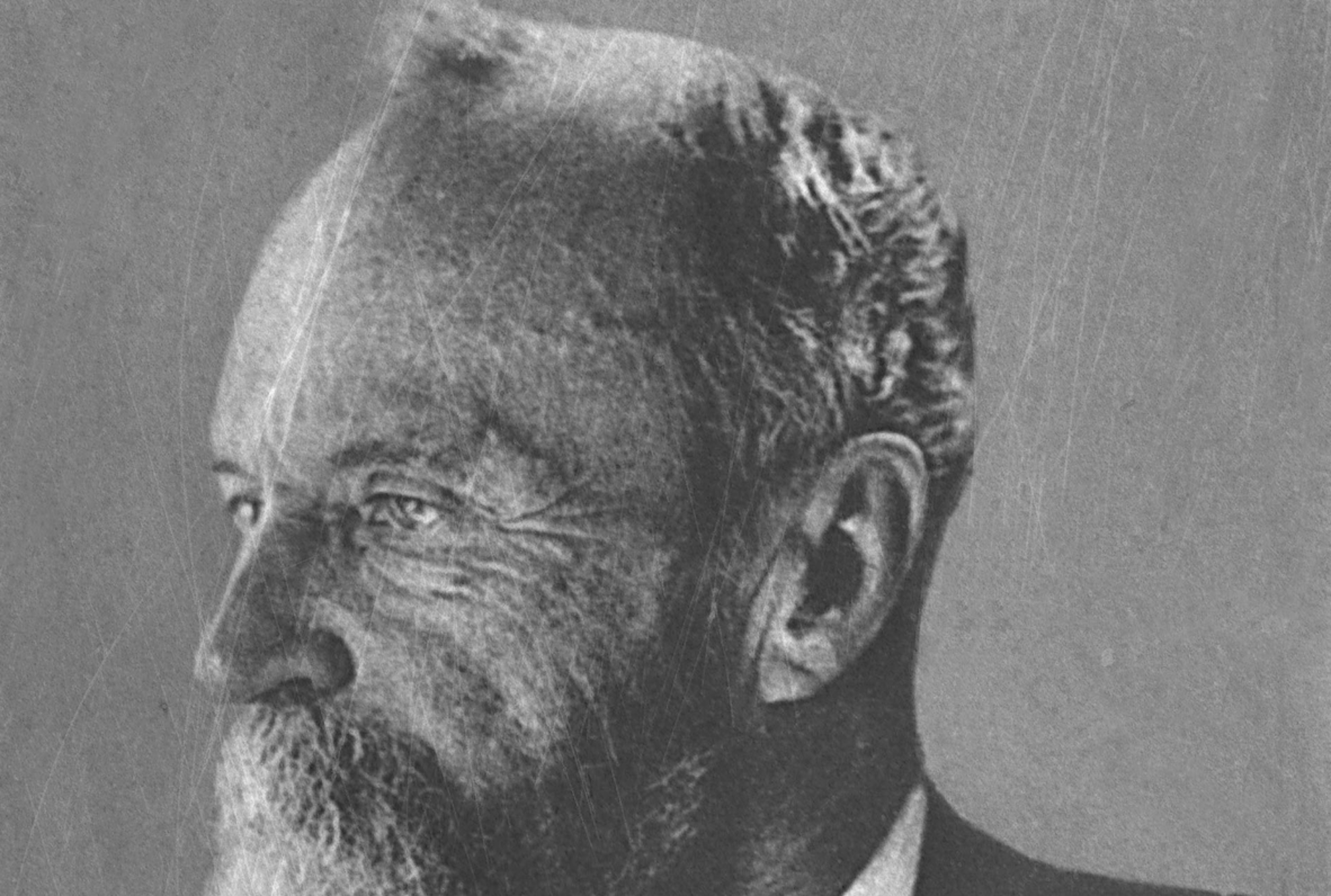
William James, Philosopher and psychologist: "The great use of life is to spend it for something that will outlast it"
The influential American thinker believed that a meaningful existence should be measured by more than personal success
What makes a life worthwhile? For American philosopher and psychologist William James , the answer was not simply the pursuit of wealth, recognition or individual happiness.
Instead, he emphasized the importance of contributing to something with a value that extends beyond one's own existence.
His famous reflection, "The great use of life is to spend it for something that will outlast it," captures an idea that remains relevant more than a century after his death. It encourages people to consider the consequences of their actions and the kind of legacy they hope to leave behind.
The quotation is commonly associated with James , and research into its origins has traced an earlier version to a letter he wrote to Polish philosopher Wincenty Lutoslawski on November 13, 1900.
In that letter, the wording was recorded as: "The great use of a life," James said, "is to spend it for something that outlasts it." The letter was subsequently documented in the second volume of The Thought and Character of William James , edited by Ralph Barton Perry and published in 1935.
The central message is straightforward: a person's contribution can continue to matter long after their lifetime has ended.
That contribution does not necessarily have to involve a major historical achievement. Supporting others, sharing knowledge, creating something meaningful or working toward a better society can all represent ways of building a lasting legacy.
A thinker who helped shape modern psychology and philosophy
Born in New York City on January 11, 1842, James became one of the most influential intellectual figures in American history. Although he initially studied medicine at Harvard, his interests developed into psychology and philosophy, fields in which he would leave a substantial mark.
His 1890 publication, The Principles of Psychology, became a landmark work. It explored subjects including consciousness, memory, emotion, habit and the relationship between the mind and the body.
James also helped establish psychology as an academic discipline at Harvard, where he taught and influenced generations of students.
He was also a leading figure in American pragmatism, a philosophical approach that considers the practical consequences of ideas.
Rather than treating philosophy as an exercise detached from everyday life, James examined how beliefs and theories relate to human experience.
That outlook helps explain the enduring appeal of his words about spending life on something that will survive its creator. His philosophy placed considerable importance on the relationship between ideas, choices and their effects on the world.
James explored these questions in other influential publications, including The Varieties of Religious Experience (1902) and Pragmatism (1907). His work attracted attention from thinkers across different disciplines and continues to be studied today.
James died on August 26, 1910, aged 68, but his intellectual influence continued through his books, students and the development of modern psychology and philosophy.
Ultimately, his quotation offers a challenge to think beyond immediate rewards. It suggests that a meaningful life is not defined exclusively by what someone accumulates or accomplishes for themselves, but also by what they leave behind for others.
Whether through family, education, creativity, public service or personal relationships, the opportunity to make a lasting difference is available in many forms.