A 75-kilometer fracture reveals that a tectonic plate is splitting apart in the depths of the Pacific
The finding allows a close-up look at how an oceanic plate is fragmenting in one of the most tectonically active areas on the planet
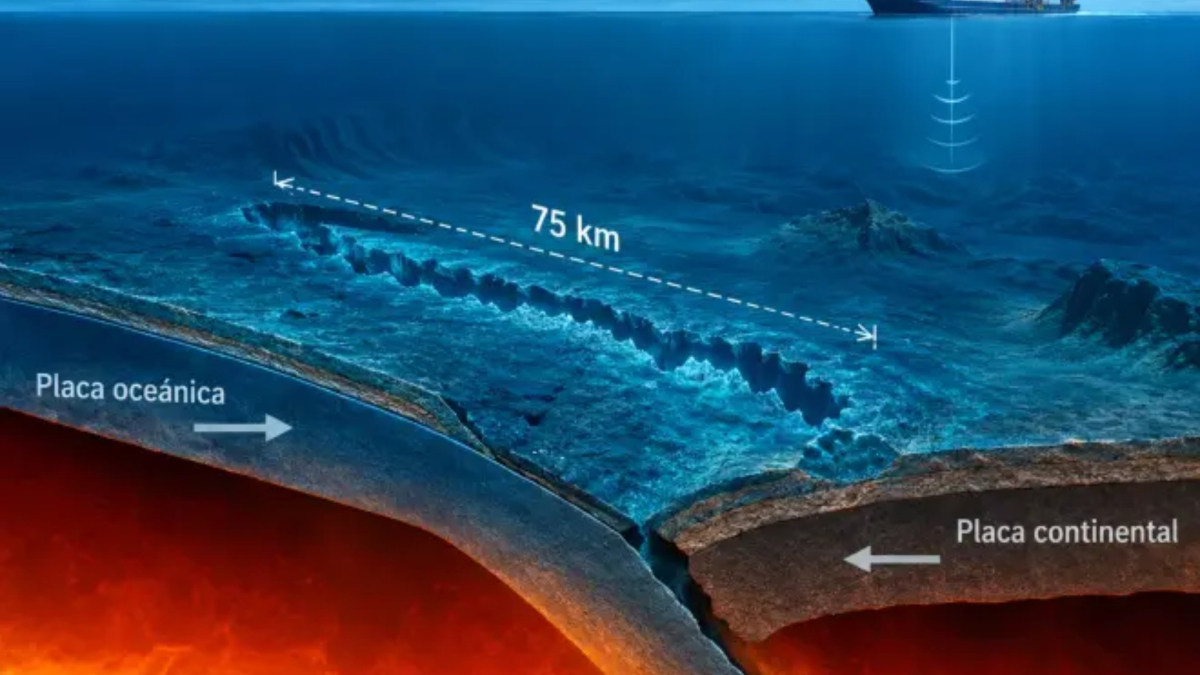
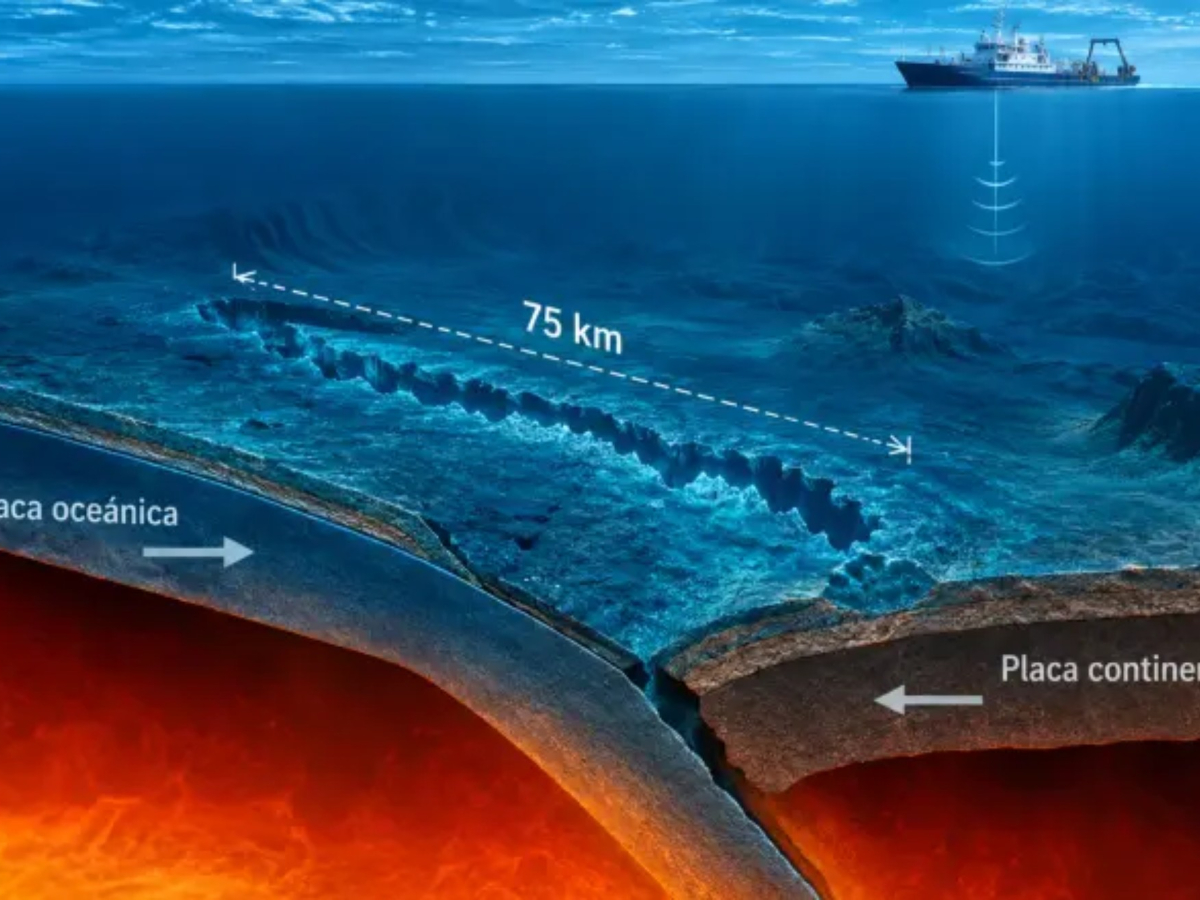
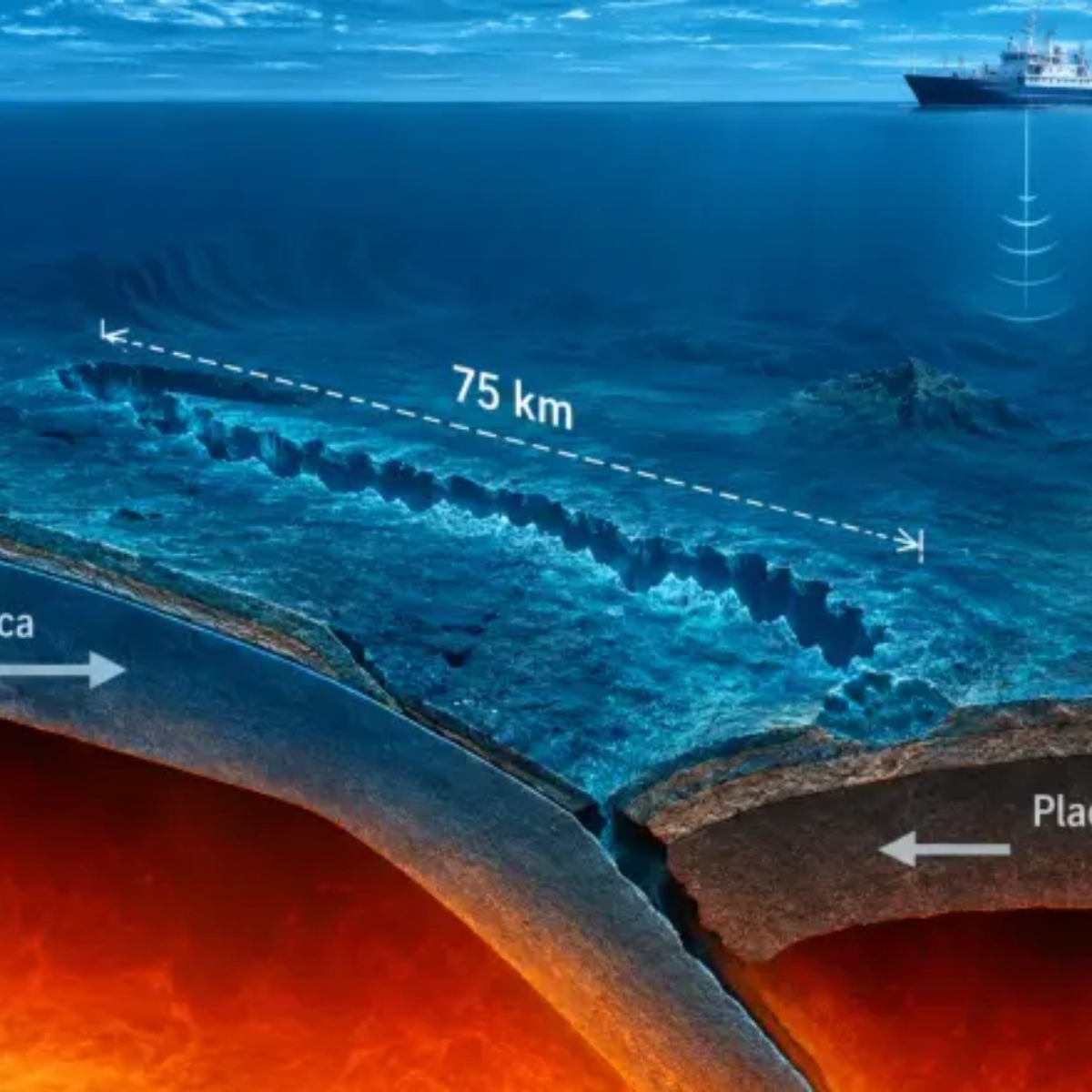
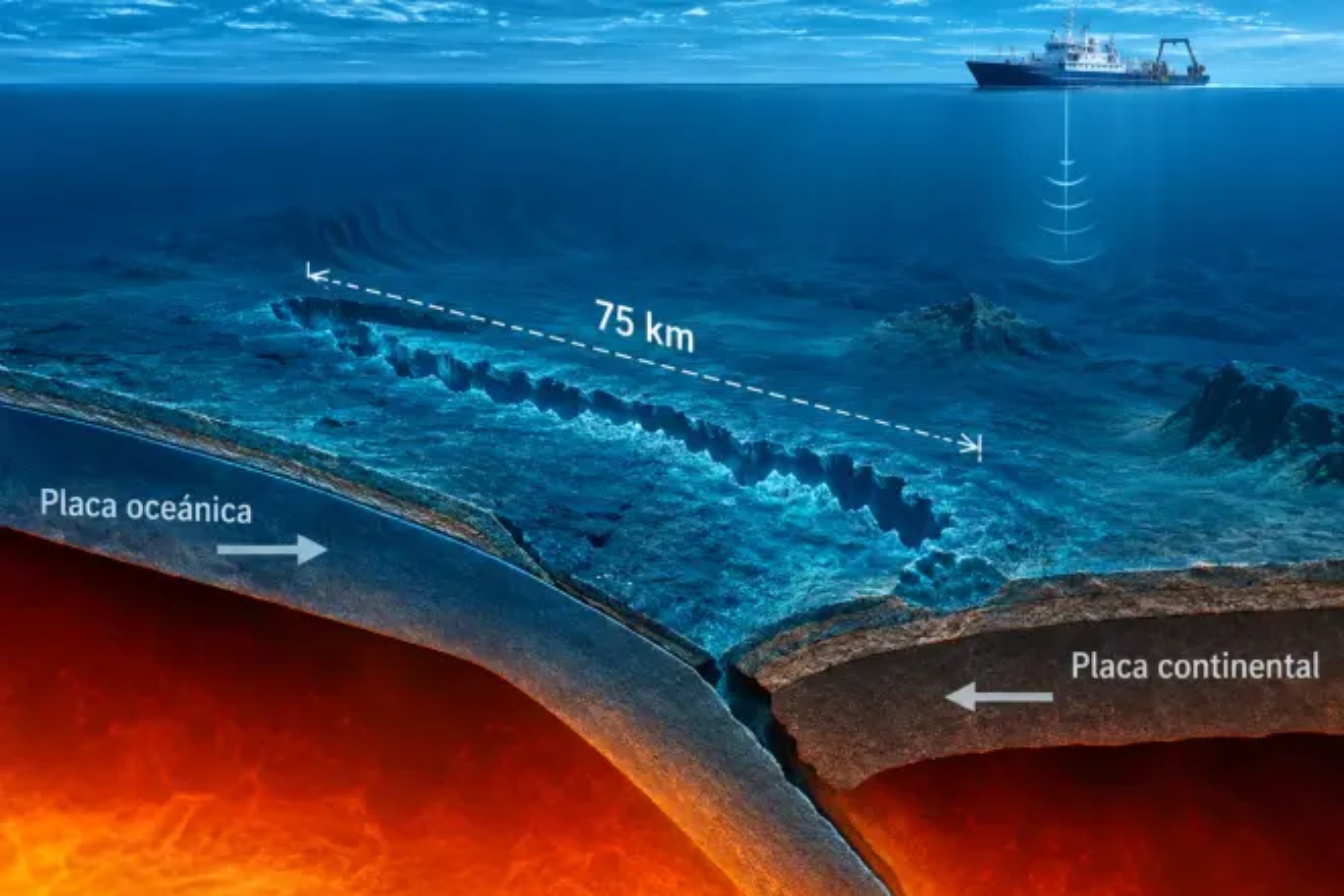
A fracture about 75 kilometers long has allowed scientists to gain a new perspective on what is happening in the depths of the Pacific Ocean . The structure is located in the Cascadia region, off the west coast of North America , where tectonic plates are subjected to enormous forces.
The discovery, reported in a study published in Science Advances , shows that the oceanic plate subducting beneath North America has a much more complex structure than previously thought . The researchers have identified large fractures and zones with different seismic behaviors.
A fracture that cannot be seen from the surface
The crack is not a gigantic opening visible on the seafloor. It is a structure located within the plate , whose existence has been reconstructed using seismic exploration techniques and sound waves.
The scientists studied the oceanic subsurface using data obtained during research campaigns in Cascadia. The resulting images reveal that the Juan de Fuca plate and other associated structures are undergoing progressive fragmentation as they move toward the Earth's mantle. The extent of the fracture, close to 75 kilometers, makes this phenomenon an especially interesting piece for understanding how oceanic plates deform.
A clue to understanding earthquakes
The significance of the discovery goes far beyond the size of the fracture. Cascadia is a region under especially close watch for its tectonic activity and its ability to generate major earthquakes.
The new observations allow the direct study of processes that until now had to be reconstructed from ancient rocks and geological structures. Fractures can alter the way stresses are distributed within a plate and provide information about submarine seismic activity.
Researchers do not consider the finding to mean that a major earthquake is about to occur imminently. Its importance lies in providing a more precise picture of the evolution of the plates and of the mechanisms involved in their rupture.
The next step will be to continue monitoring this area to determine how the fractures evolve and what relationship they maintain with seismic activity. The Pacific seabed thus once again shows that, although it may seem motionless, beneath its waters the Earth is constantly undergoing enormous transformations.