After 95 years, Adolf Hitler's alibi does not hold up: they suspect he may have participated in the murder of his niece
The documents found in the Munich archives cast doubt on where he was when this crime occurred
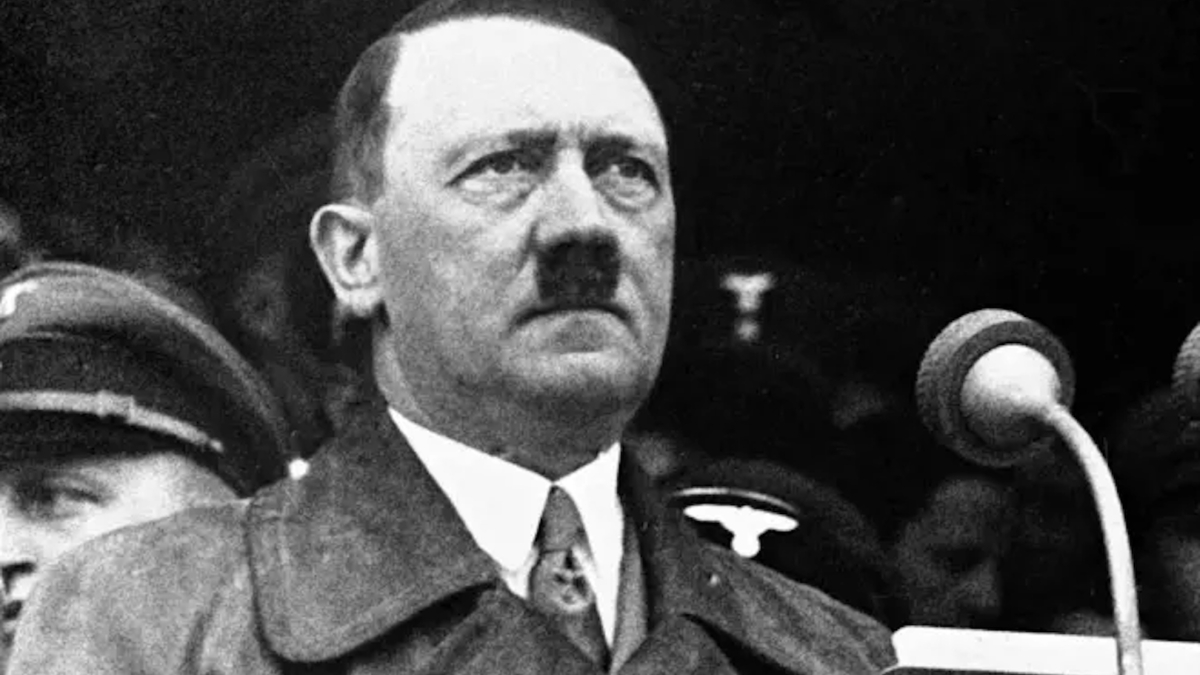
Almost a century later, historical research has called into question Adolf Hitler's official alibi regarding the death of his niece, Geli Raubal . In September 1931, the 23-year-old woman was found dead from a gunshot in the Munich apartment of the Nazi leader, with whom she lived. Although the official version classified the incident as a suicide, the press and the political opposition of the time immediately questioned that account , suspecting that the future dictator may have been involved in the tragic outcome.
'The controversy has resurfaced following the discovery of valuable documents in the Munich archives by historian Harald Sandner , as revealed by the magazine "Der Spiegel". Sandner has located two death notices and a death certificate in the civil registry dating the discovery of the body to the morning of September 18, 1931, at 10:15 a.m. This information contradicts the version maintained by Hitler , who claimed to have left the city a day earlier to avoid any link to the tragic event.'
A leaky alibi... almost a century later
The official account that exonerated the leader was based on a police report written on September 28, ten days after the death. The temporal inconsistency suggests possible manipulation to protect Hitler's public image . As historian Thomas Weber explains, the Nazi leader needed to present himself as a model of moral virtue in his rise to power, a claim that would have been destroyed if he had been directly associated with the death of his young relative.
Added to the doubts about his whereabouts is the fact that the authorities of the time never ordered an autopsy to be performed on Raubal's body . Although these documentary findings do not constitute definitive proof of homicide, they do reinforce the hypotheses circulating at the time about Hitler's responsibility. Various newspapers then suggested that the politician may have ended his niece's life or ordered her murder in order to maintain strict control over her actions.
The background of the conflict appears to have been a violent argument prior to the death. Multiple testimonies indicate that the reason for the dispute was Hitler's refusal to allow the young woman to move to Vienna to continue her singing studies . Ninety-five years later, these new clues rekindle suspicions about one of the darkest and most covered-up episodes in the dictator's personal circle.