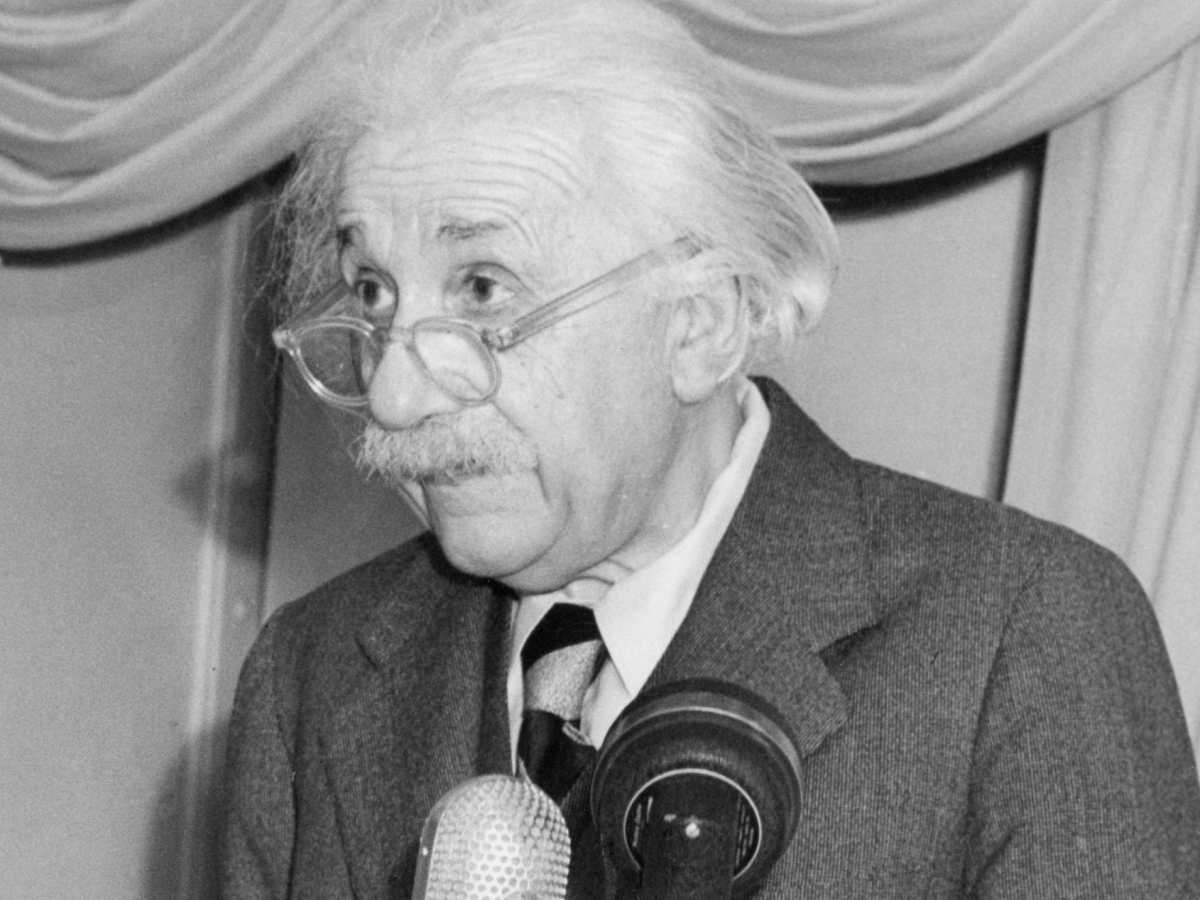
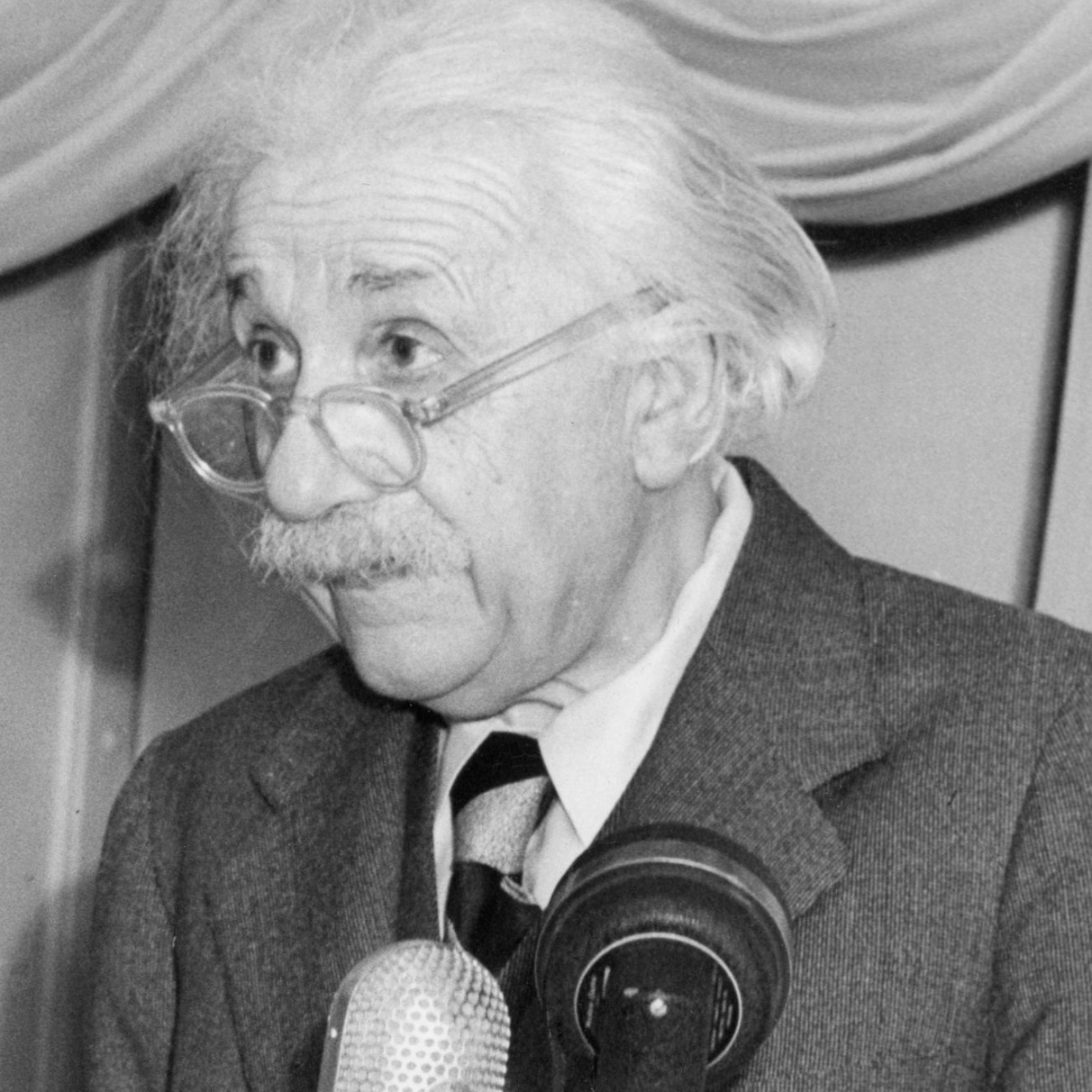
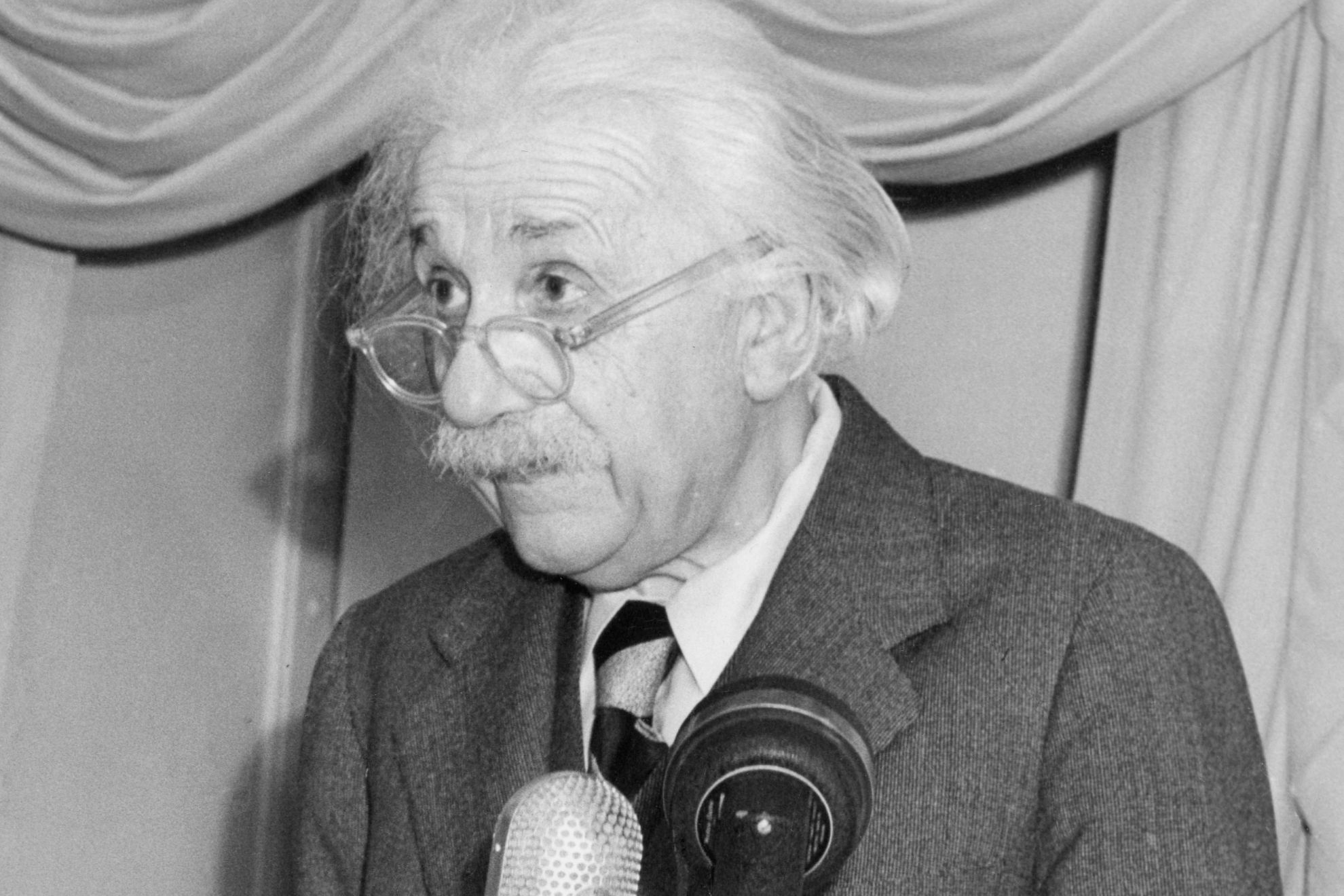
Albert Einstein, physicist: "Two things are infinite: the universe and human stupidity; and I'm not sure about the universe"
The sharp observation about human nature remains one of the most recognisable sayings associated with the celebrated physicist
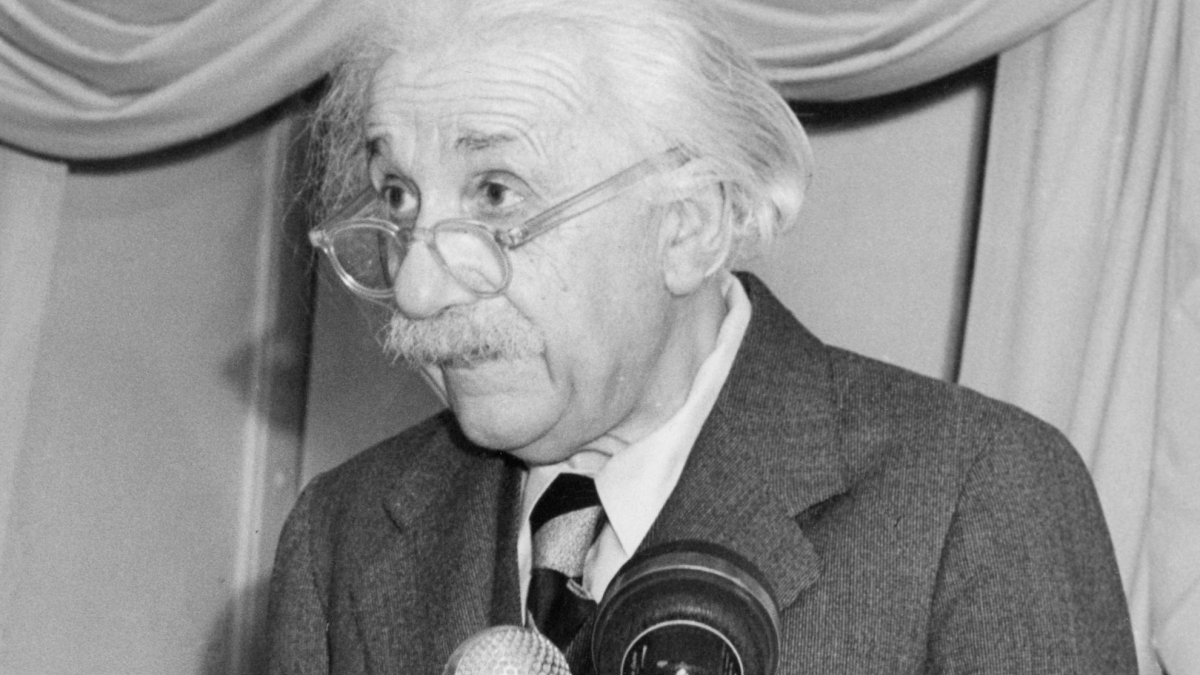
Few quotations attributed to Albert Einstein capture people's attention quite like the remark about the universe and human stupidity.
Its appeal lies in the contrast between one of science's greatest mysteries and a familiar source of frustration: the decisions people make, even when the evidence suggests they should know better.
The saying, “Two things are infinite: the universe and human stupidity; and I'm not sure about the universe”, has circulated for decades, appearing on quotation websites such as Goodreads and in collections of memorable observations.
Its humorous tone seems to fit Einstein's popular image as a brilliant scientist who could also offer an incisive perspective on everyday life.
Yet there is a complication behind the famous line. Although it is routinely credited to Einstein , researchers have not established a reliable contemporary record confirming that he actually said it.
The quotation's history is more complicated than its widespread attribution suggests, making it an interesting example of how memorable words can become attached to famous figures over time.
That uncertainty does not necessarily explain away the saying's popularity. Its message remains easy to understand, even for people who have little interest in physics.
The universe represents the vast unknown, while human stupidity represents the seemingly endless capacity to repeat mistakes, ignore evidence or act without considering the consequences.
A famous quote with a disputed history
The origins of the saying have been investigated by Quote Investigator, which examined the available historical references to establish how the wording developed.
One of the earliest versions identified appears in Frederick S. Perls's 1947 book Ego, Hunger, and Aggression: A Revision of Freud's Theory and Method. In that edition, Perls attributed a similar observation to a “great astronomer” rather than naming Einstein directly.
Decades later, Perls connected the remark to Einstein in his own writing. His 1969 book Gestalt Therapy Verbatim included a shorter version, while his 1972 work In and Out the Garbage Pail contained a longer formulation resembling the quotation familiar today.
Perls claimed to have spent an afternoon with Einstein , but the surviving evidence does not independently establish that the physicist made the remark.
The distinction matters because a quotation's popularity is not proof of its authenticity. Goodreads itself labels the saying as an attribution without a source, despite listing Einstein as the author.
The available historical record therefore supports treating the words as a famous saying associated with Einstein , rather than a verified statement from him.
Why the observation still resonates
Part of the quotation's staying power comes from its ability to describe everyday experiences in just a few words.
People encounter misinformation, impulsive decisions and stubborn disagreements in public life, workplaces and personal relationships. The saying offers a humorous way to express frustration with behaviour that appears to defy common sense.
Its reference to the universe also gives the line a particularly effective contrast. Einstein devoted much of his professional life to understanding the physical world, including the relationship between space, time, gravity and energy. The Nobel Prize in Physics was awarded to him for his explanation of the photoelectric effect, work that helped establish the foundations of quantum theory.
His scientific achievements make the quotation's contrast especially memorable, even if the attribution remains uncertain.
The cosmos presents questions that can take generations of scientific work to investigate, while human behaviour can sometimes seem inexplicable for much more ordinary reasons.
There is also a broader lesson in the remark. Intelligence and knowledge do not automatically prevent people from making poor decisions.
Recognising mistakes, questioning assumptions and listening to evidence are essential if individuals and societies are to learn from experience.
Ultimately, the quote endures because it combines humour with a recognisable truth about human nature. Its precise author may remain uncertain, but its popularity demonstrates how a short, witty observation can survive for generations.
And while scientists continue investigating the scale and nature of the universe, the saying invites readers to reflect on a different mystery: why people sometimes persist in doing things they know are unwise.