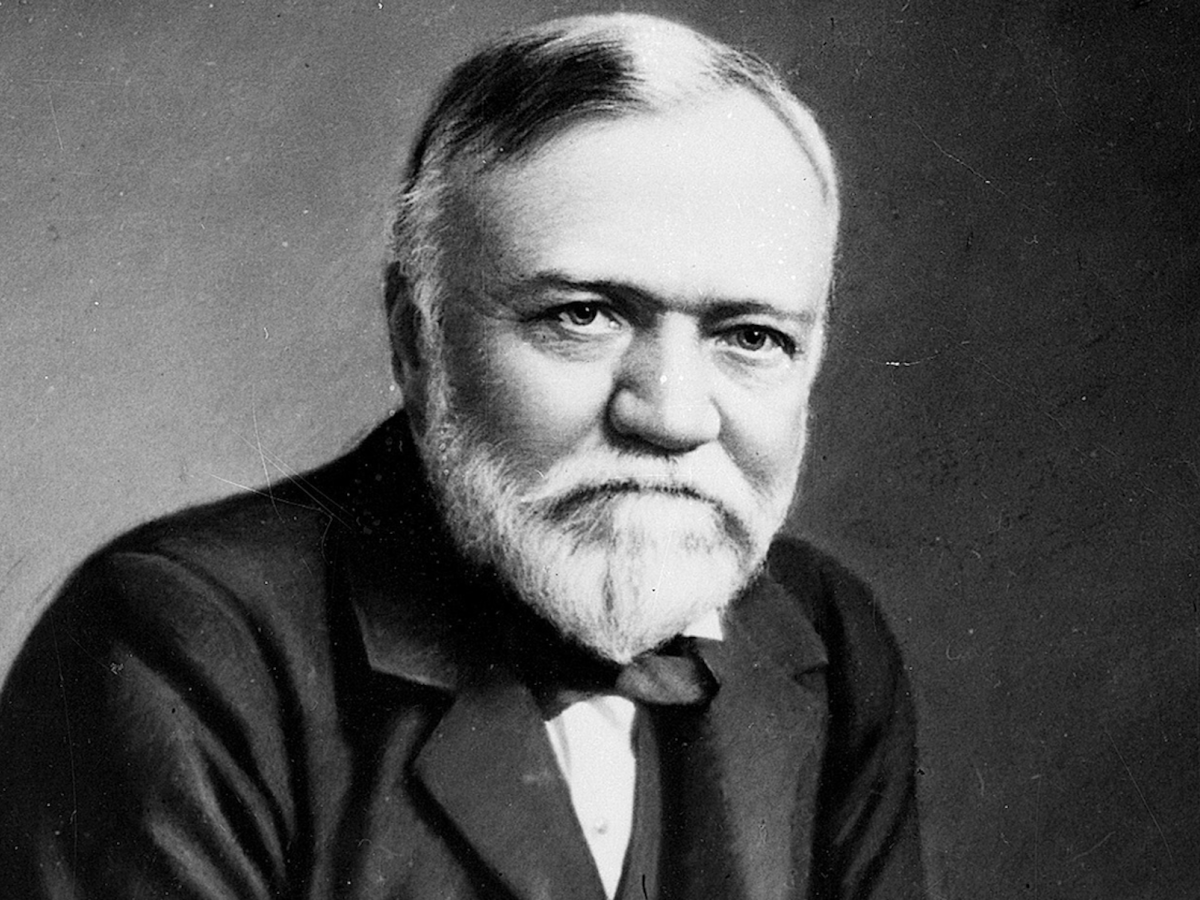
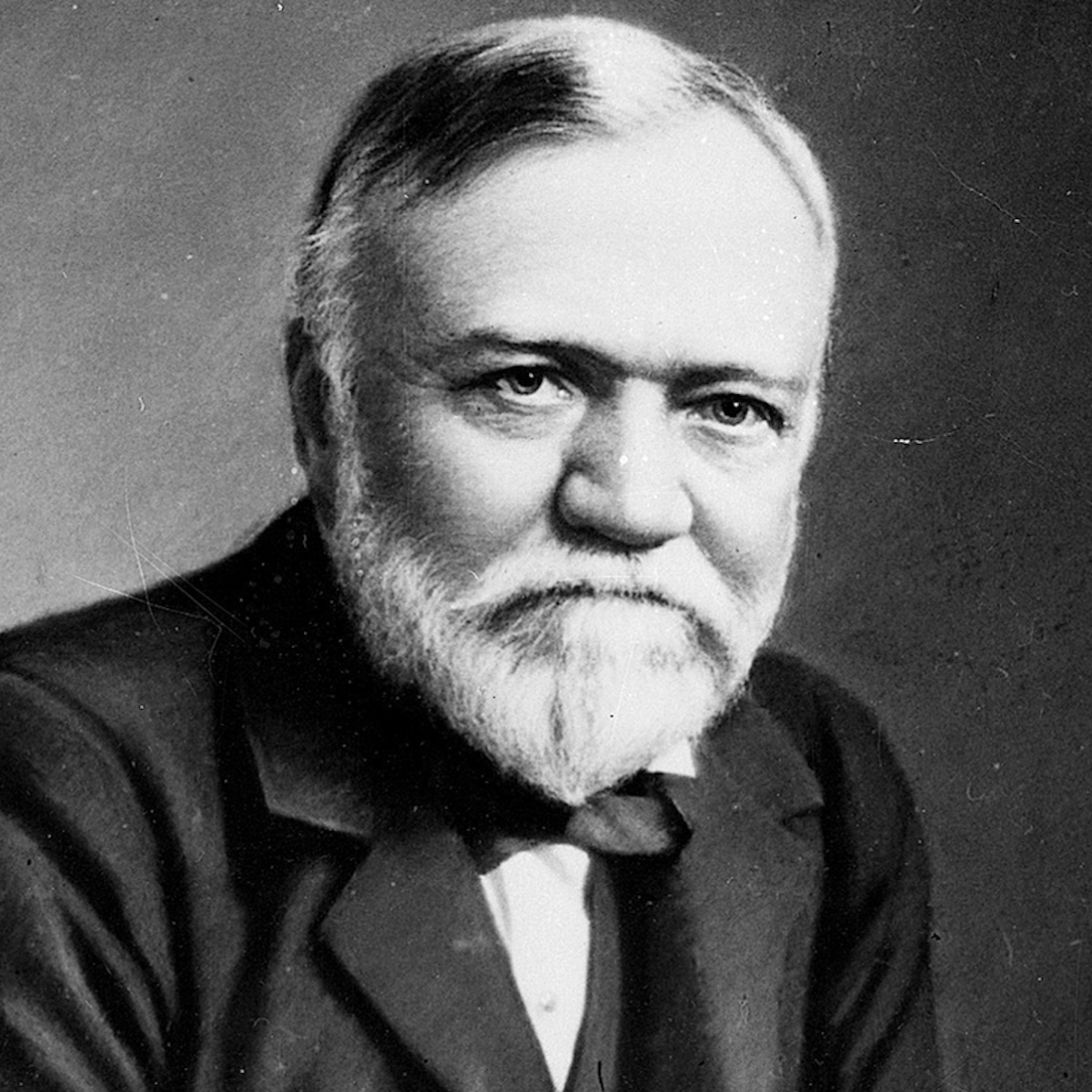
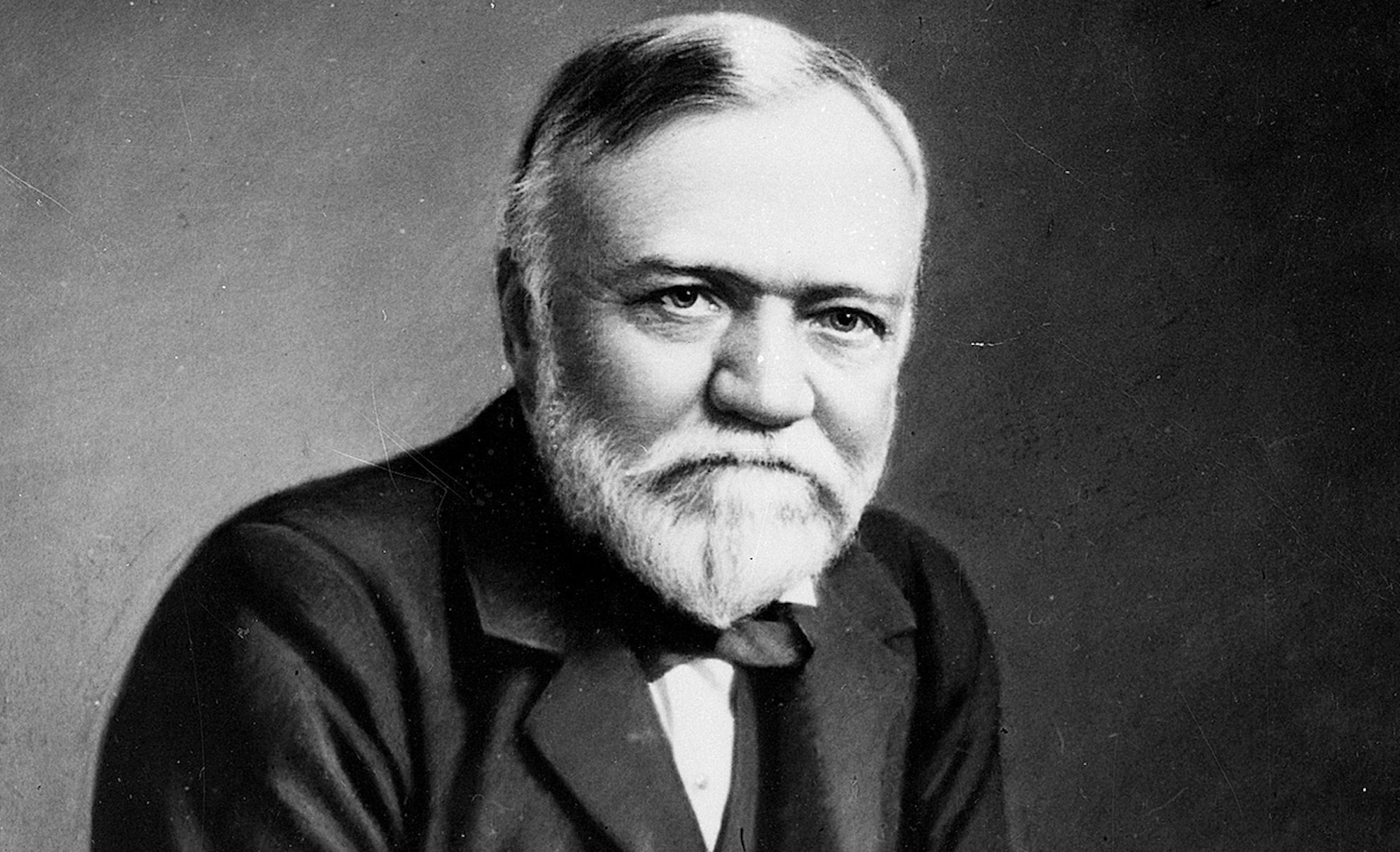
Andrew Carnegie, philanthropist and industrialist: "As I grow older, I pay less attention to what men say. I just watch what they do"
Andrew Carnegie's words about judging people by their actions reflect a philosophy that became increasingly important
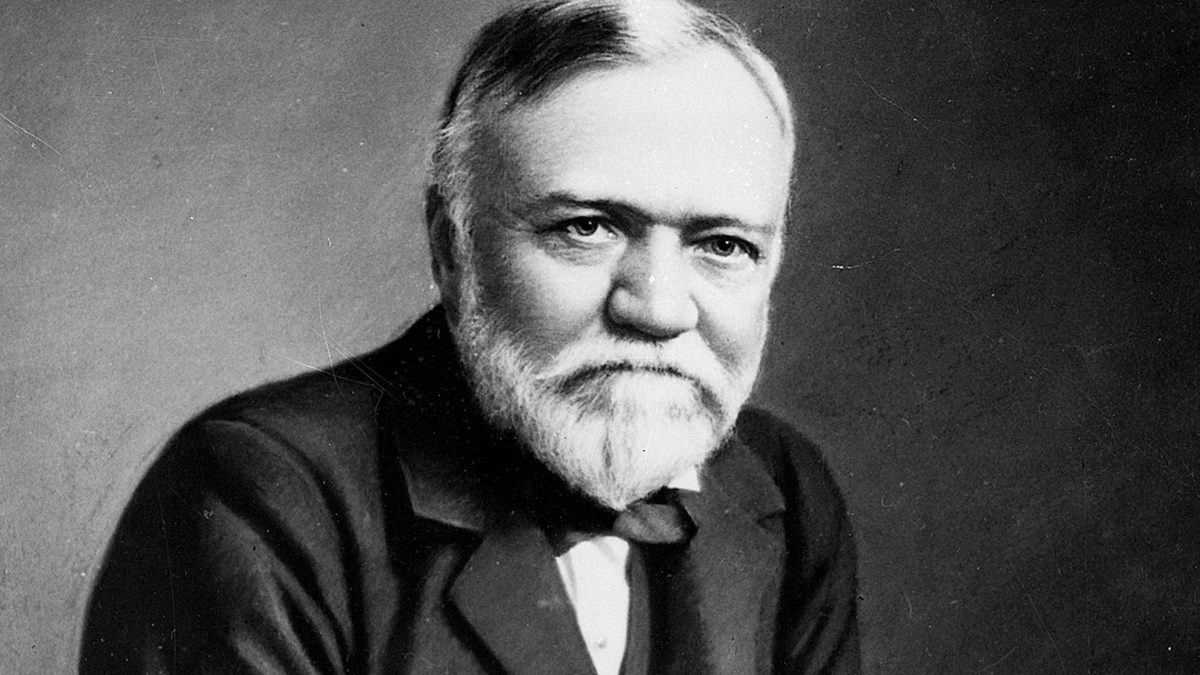
A ndrew Carnegie spent much of his life surrounded by ambitious people, powerful businessmen and political figures , but one of his most memorable observations placed greater importance on behavior than promises.
"As I grow older, I pay less attention to what men say. I just watch what they do"
The quotation, attributed to Carnegie , remains particularly relevant because his own life was defined by the contrast between words and action. He did not simply write about the responsibilities that came with wealth.
After becoming one of the richest men in the world, he devoted much of his later life to giving his fortune away and creating institutions intended to have an impact long after his death.
The Carnegie Hero Fund Commission also preserves the quote as part of its collection of Carnegie sayings.
Born in Dunfermline, Scotland, in 1835, Carnegie moved with his family to the United States when he was 12. His formal education ended at a young age, but access to books played an important role in his self-education.
After arriving in Pennsylvania , he worked in a cotton factory before moving through a series of jobs that eventually brought him into the railroad industry.
His career subsequently moved into steel, where he built Carnegie Steel into an enormous industrial enterprise.
In 1901, he sold the company to J.P. Morgan in a deal valued at $480 million, allowing him to retire from business and concentrate increasingly on philanthropy.
That transition is important when considering his famous observation. Carnegie had spent decades in an environment where results mattered.
Businesses could make ambitious claims about their future, but ultimately their success depended on production, investment and execution.
Carnegie turned his philosophy into action
His approach to philanthropy became especially clear through his belief that wealthy people had a responsibility to use their fortunes for the wider public good.
In his 1889 essay The Gospel of Wealth, Carnegie argued that wealthy individuals should regard themselves as trustees of their fortunes rather than simply accumulating money or passing it entirely to their heirs.
He advocated using wealth to support causes capable of creating lasting benefits for society.
Libraries became one of the clearest examples of that philosophy.
Carnegie had personally experienced the importance of having access to books when he was young.
Colonel James Anderson had opened his private library to working boys in Allegheny, Pennsylvania, giving Carnegie an opportunity to read at a time when he could not afford to purchase books himself. That experience helped shape his later commitment to public libraries.
Eventually, Carnegie and the philanthropic organizations associated with him helped fund 2,509 public libraries, including 1,681 in the United States. The projects were not simply monuments to Carnegie's wealth.
His funding generally came with the expectation that communities would take responsibility for operating and maintaining the libraries.
His philanthropy extended far beyond books. Carnegie supported educational institutions, scientific research, peace initiatives, museums and other civic projects.
In 1911, he established Carnegie Corporation of New York with a $135 million endowment, giving the organization a mission centered on the advancement and diffusion of knowledge and understanding.
Carnegie's legacy was therefore built not merely on the fortune he accumulated, but on what he ultimately did with it.
There is also an important nuance to his reputation. Carnegie's industrial career took place during the Gilded Age and his business practices, particularly the treatment of workers, remain part of the historical debate surrounding his legacy.
The Homestead Strike of 1892, in particular, became one of the defining labor conflicts associated with Carnegie Steel.
That makes his quotation about watching actions rather than listening to words especially interesting when viewed through a modern historical lens.
Carnegie's own legacy contains both his extraordinary rise in industry and the controversies surrounding the methods and conditions of that era.
Nevertheless, the practical message behind the quotation has endured. Promises can be persuasive, but sustained behavior provides a clearer indication of a person's priorities.
Carnegie himself left behind a complicated but remarkably visible example. His wealth helped make him one of the defining industrialists of his generation, while his decision to distribute much of that fortune transformed his name into one associated with libraries, education, culture and philanthropy.
More than a century after his death in 1919, the quotation continues to resonate because its central lesson is straightforward: people can describe their intentions in countless ways, but their choices ultimately provide the strongest evidence of what they truly value.