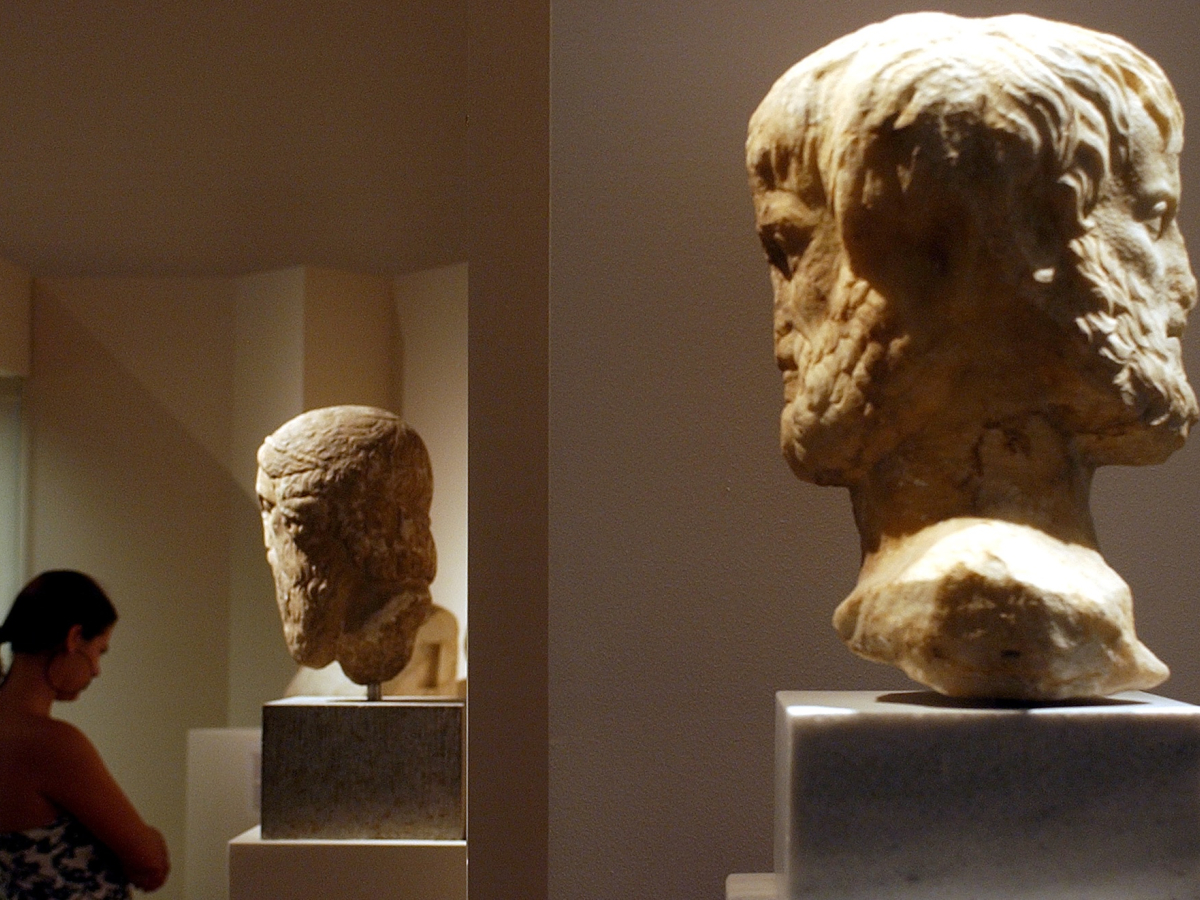
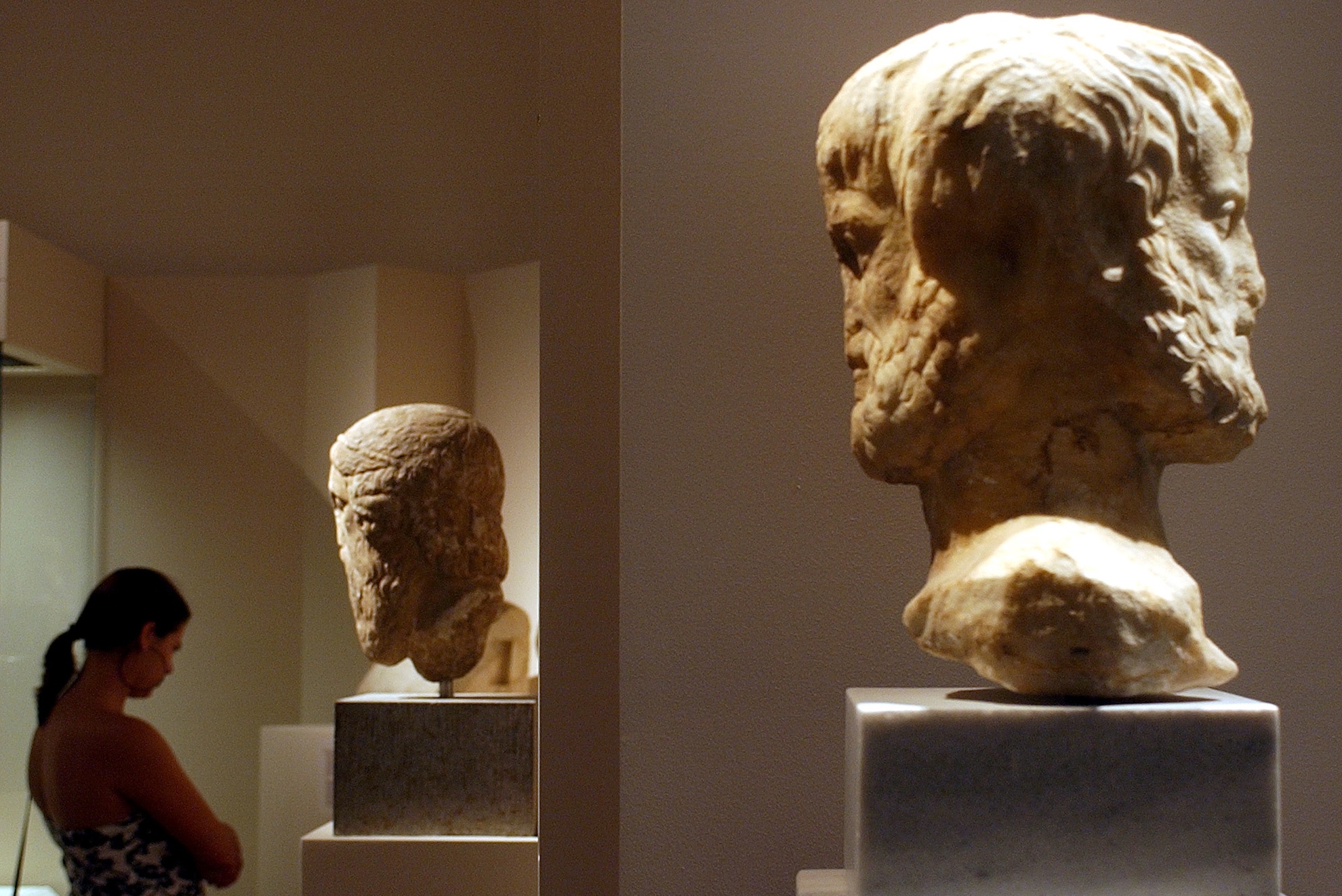
Aristotle, Greek philosopher: "Knowing yourself is the beginning of all wisdom"
The famous saying about self-awareness continues to inspire people seeking personal growth
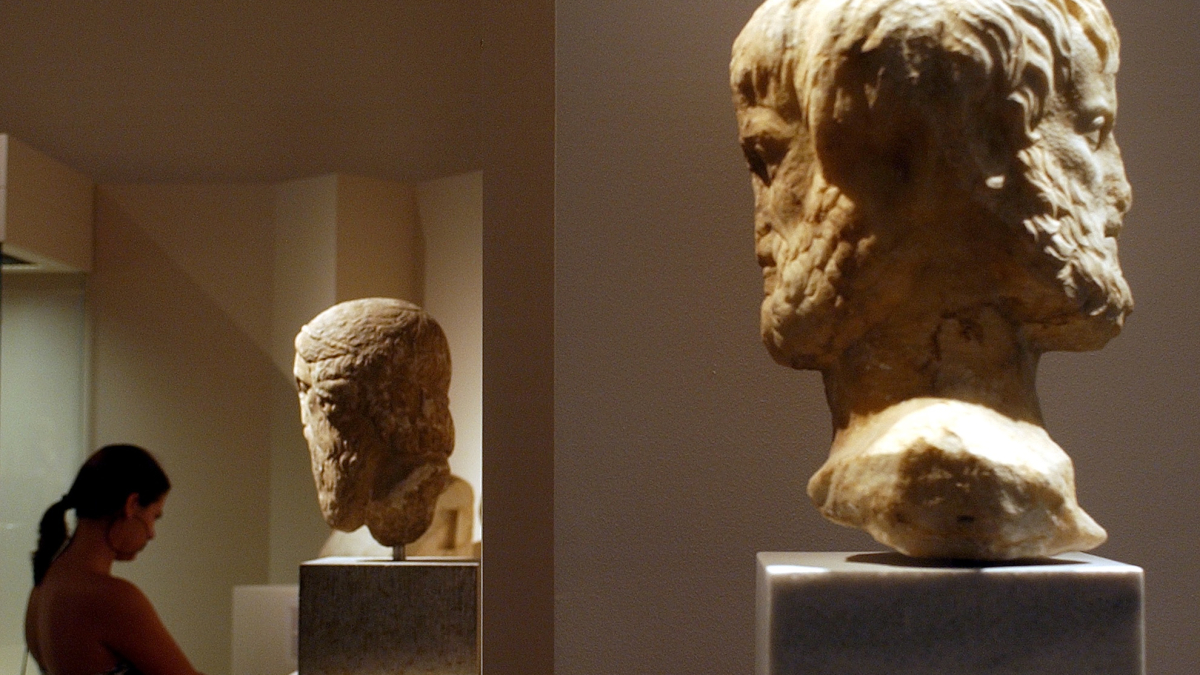
Understanding yourself is often presented as the first step toward making better decisions, building stronger relationships and discovering what truly matters in life.
The popular saying "Knowing yourself is the beginning of all wisdom" captures that idea in a single sentence, which is why it continues to circulate among readers interested in philosophy and personal development.
The words are widely attributed to Aristotle , the ancient Greek philosopher whose work shaped Western thinking about ethics, reason and human flourishing.
However, there is an important qualification: there is no reliable evidence that Aristotle wrote or spoke this exact sentence. The attribution is disputed, and the quotation does not appear in his surviving works. Aristotle did refer to the traditional expression "know thyself" in his Rhetoric, but that is different from endorsing the modern wording commonly shared online.
Even with that uncertainty, the idea behind the saying remains closely connected to questions Aristotle explored throughout his philosophical career.
Born in 384 BCE in Stagira, northern Greece, Aristotle studied under Plato in Athens before establishing his own school, the Lyceum. His writings covered subjects ranging from politics and biology to logic, human behaviour and morality.
Rather than treating wisdom as simply the possession of information, he examined how people could use reason to live better lives.
Why self-knowledge matters in everyday life
The appeal of the quotation lies in its suggestion that personal development begins with honest reflection. People can spend years pursuing professional success, recognition or financial security without examining whether those ambitions genuinely reflect their values.
Self-knowledge encourages a different approach. It involves recognizing personal strengths, acknowledging weaknesses and understanding how emotions influence decisions.
Someone who understands their tendency to react impulsively, for example, can learn to pause before responding to a difficult situation. A person who recognizes their own insecurities may become better equipped to accept criticism without interpreting every disagreement as a personal attack.
This process is not always comfortable. People naturally develop ideas about who they are, and those beliefs can become difficult to question.
Yet genuine self-awareness requires more than focusing on positive qualities. It also means accepting mistakes, identifying unhelpful habits and being willing to change.
Aristotle's ethical philosophy offers a useful perspective here. In the Nicomachean Ethics, he argued that living well involves developing virtues such as courage, justice and temperance.
These qualities are not simply acquired by reading about them; they are developed through habits, practice and repeated choices.
For Aristotle , understanding the good life was not merely an intellectual exercise. Ethical reflection was valuable because it could help people make better decisions and cultivate a more virtuous character.
From reflection to meaningful change
Knowing yourself is only useful if that awareness influences how you live. Recognizing a weakness, for instance, does not automatically overcome it. The next step is deciding what to do with that knowledge.
This is where reflection and action meet. Someone who realizes they struggle to maintain commitments might begin setting realistic goals rather than making ambitious promises they cannot keep.
Another person who recognizes that they depend too heavily on external approval may learn to make choices based more firmly on personal principles.
Aristotle's emphasis on habit is particularly relevant. Character develops through repeated actions, meaning that small, consistent decisions can gradually shape the kind of person someone becomes.
Courage, generosity and self-control are strengthened by practising them, not simply by admiring them as ideals.
Self-awareness also helps people understand their relationships. Recognizing how they communicate, respond to conflict and treat others can make it easier to build trust and acknowledge when they are wrong.
Wisdom, in this sense, is not about believing that you have all the answers. It is about remaining willing to learn.
The enduring lesson behind the famous quote
The quotation's popularity reflects a lasting human concern: how can people make meaningful progress if they do not understand themselves?
Although the precise wording should not confidently be presented as Aristotle's own, its central theme remains relevant to his broader philosophical approach.
His work encourages readers to consider their habits, examine what constitutes a good life and recognize the importance of practising virtue over time.
Self-knowledge does not guarantee happiness, nor does it eliminate uncertainty. People change, circumstances shift and even carefully considered decisions can produce unexpected outcomes. Understanding yourself is therefore an ongoing process rather than a destination.
The lasting value of the saying is its reminder that progress begins with reflection. Before deciding what to pursue, it helps to understand why a particular goal matters.
Before judging another person, it is worth examining your own assumptions. And before trying to change the world around you, there is value in looking honestly at your own behaviour.
Whether or not Aristotle ever expressed the idea in these exact words, the principle remains powerful: wisdom involves more than knowing facts. It also requires the willingness to understand yourself, question your choices and use what you learn to live more thoughtfully.