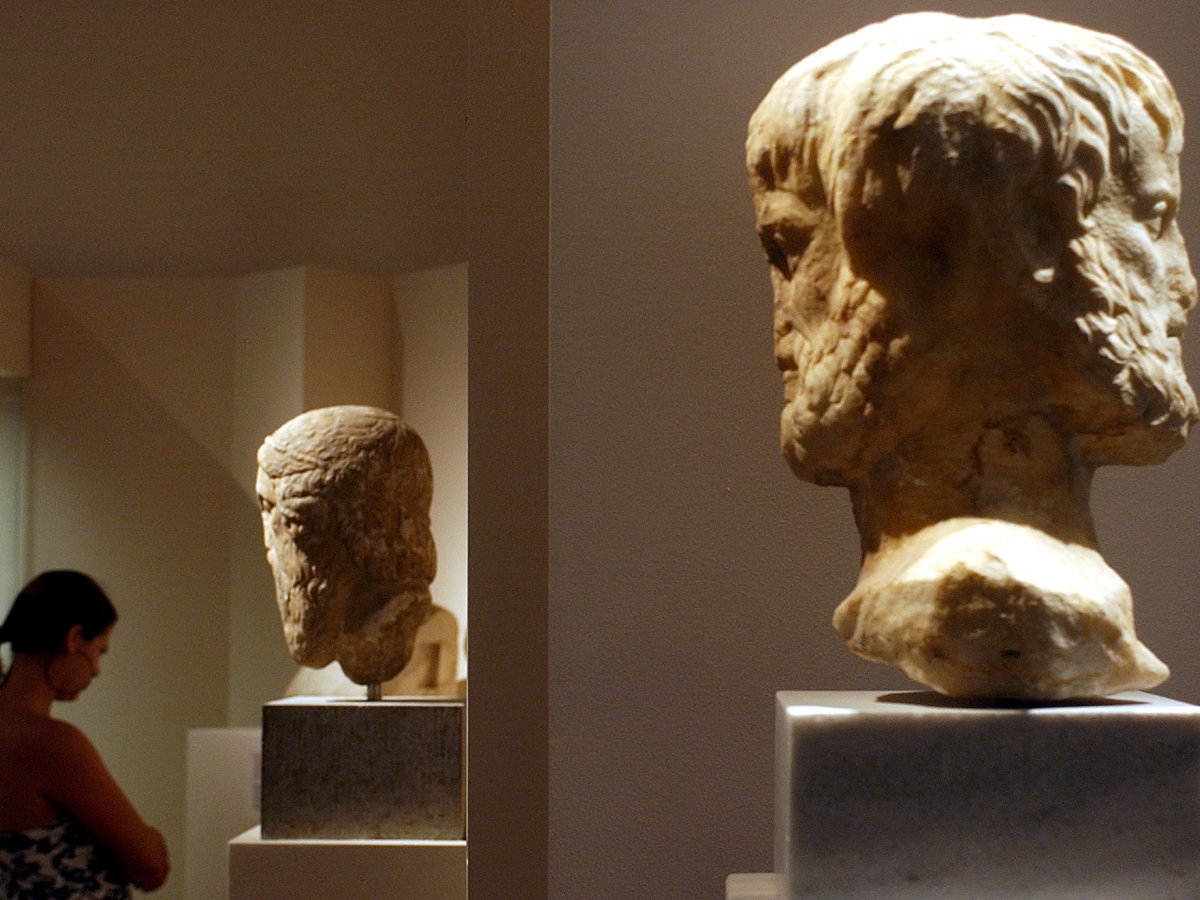
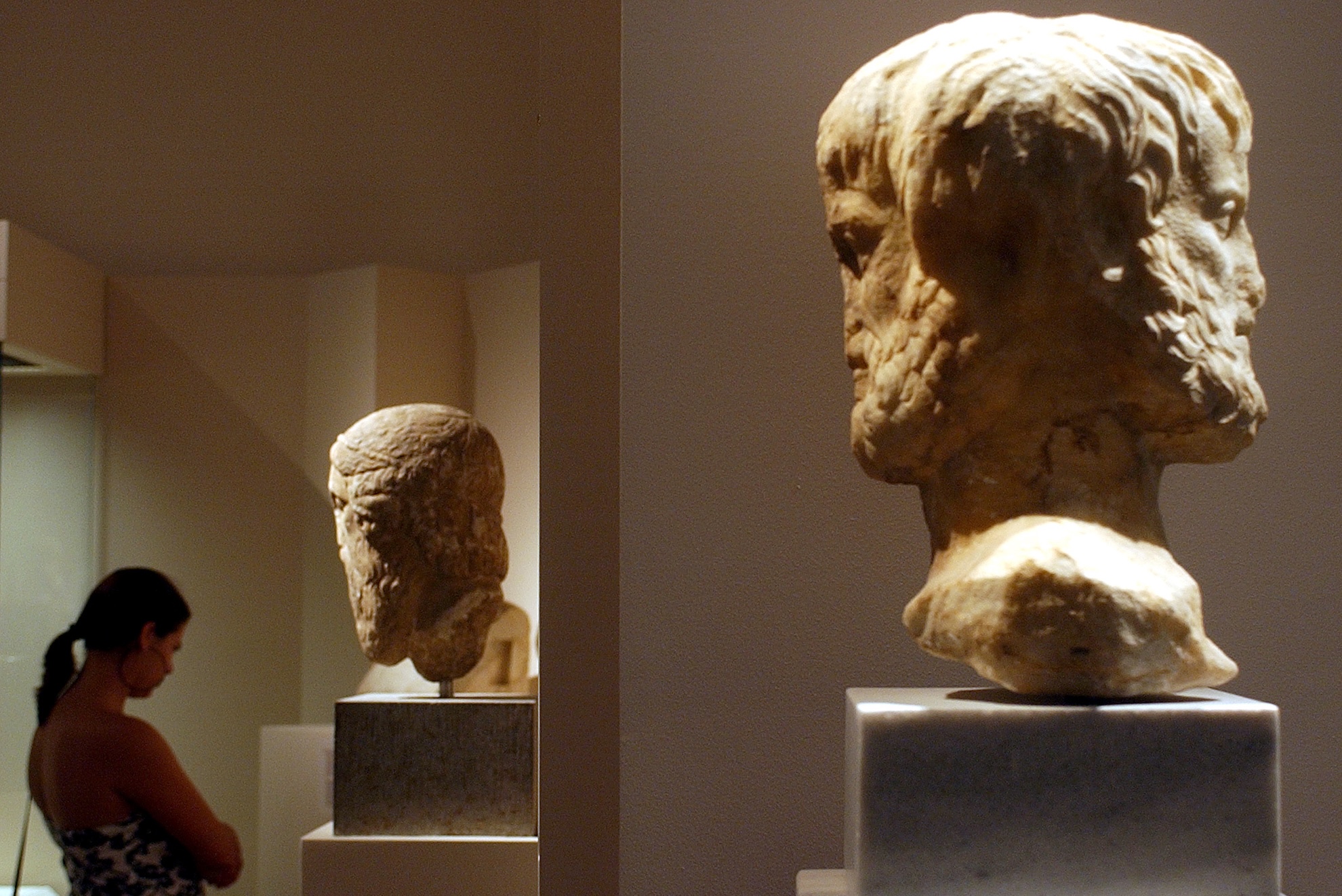
Aristotle, Greek philosopher: "We are what we repeatedly do. Excellence, then, is not an act, but a habit"
The famous line captures a central idea in Aristotle’s philosophy, even though he did not write those exact words
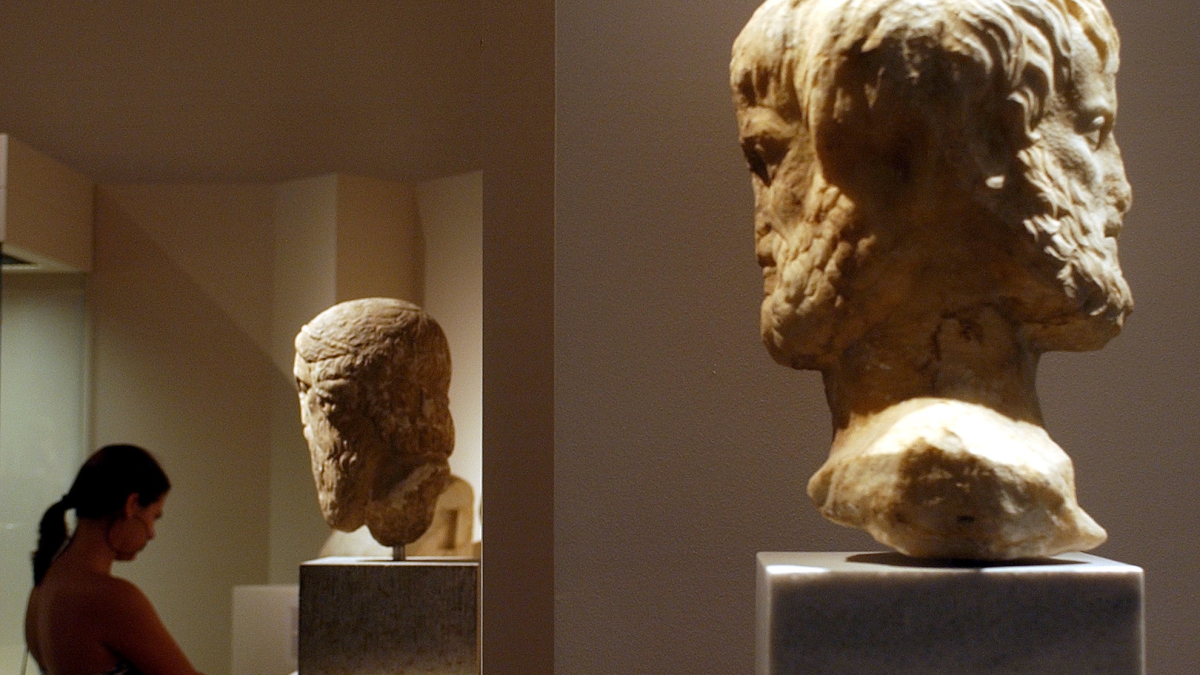
Few philosophical ideas have become as closely associated with personal improvement as the statement: "We are what we repeatedly do. Excellence, then, is not an act, but a habit"
The quotation is commonly attributed to the ancient Greek philosopher Aristotle and is frequently used in discussions about discipline, achievement and self-improvement.
Its message is straightforward: extraordinary results rarely come from one spectacular moment. Instead, they emerge from the actions a person consistently chooses to take. There is, however, an important qualification surrounding the quotation.
Aristotle did not write this sentence in this exact form. The wording is generally considered a modern formulation of ideas found in his Nicomachean Ethics, particularly his discussion of virtue, character and habit.
The attribution is therefore better understood as a summary of Aristotle's philosophy rather than a direct quotation from his surviving works. That distinction does not make the underlying idea any less relevant.
Aristotle , who lived from 384 to 322 B.C., spent considerable time examining what it means to live well.
His ethical philosophy centered on eudaimonia, often translated as flourishing or living well, and he argued that a good life required more than simply understanding what was right. People had to repeatedly put those principles into practice.
In Book II of the Nicomachean Ethics, Aristotle argues that moral virtue develops through habit. People become courageous by performing courageous actions, just as they become temperate through temperate behavior.
That concept explains why the famous modern formulation has endured.
Why Aristotle’s idea still resonates today
The power of the quote comes from its challenge to the way people often think about excellence.
It is tempting to associate success with isolated moments: an athlete winning a championship, an artist producing a masterpiece, a student achieving a perfect grade or a business leader making a transformational decision.
Aristotle's philosophy suggests that these moments are only the visible results of a much longer process.
Excellence becomes part of someone's character when the behaviors that produce it become established patterns.
That idea also changes how failure can be viewed. One bad performance does not necessarily define a person, just as one impressive achievement does not automatically make someone excellent. What matters is the broader pattern of choices.
Aristotle's argument was more sophisticated than the modern motivational version of the quote might suggest.
He did not simply argue that repeating any behavior creates virtue. The actions themselves matter, as does the reasoning and character behind them. In his account, someone must learn to choose appropriate actions and develop the character required to perform them consistently.
This is also why Aristotle's concept of virtue differs from the idea of simply following a rigid routine.
He believed virtue involved finding an appropriate balance in emotions and actions, guided by practical judgment. Courage, for example, sits between extremes such as cowardice and recklessness.
The broader lesson is that habits can shape character, but good habits require judgment.
Aristotle also distinguished between knowing something and actually living according to that knowledge.
In the Nicomachean Ethics, he criticizes people who believe that studying philosophical ideas alone will make them good. For Aristotle , understanding virtue has limited value unless it translates into action. That makes the modern interpretation particularly powerful.
A person can understand the importance of discipline without being disciplined. Someone can know how to behave courageously without actually acting courageously when circumstances become difficult.
Knowledge provides a foundation, but repeated action helps turn that knowledge into character.
The quote's enduring appeal therefore comes from a principle that remains easy to recognize: what people repeatedly practice eventually becomes part of who they are.
Whether the goal is athletic excellence, professional success, stronger relationships or personal growth, the idea encourages attention to ordinary actions rather than waiting for extraordinary opportunities.
The precise wording may not belong to Aristotle, but the philosophy behind it does. More than two millennia after his death, his argument remains a reminder that excellence is rarely created in a single moment. It is developed through choices, repetition and the character those choices gradually build.