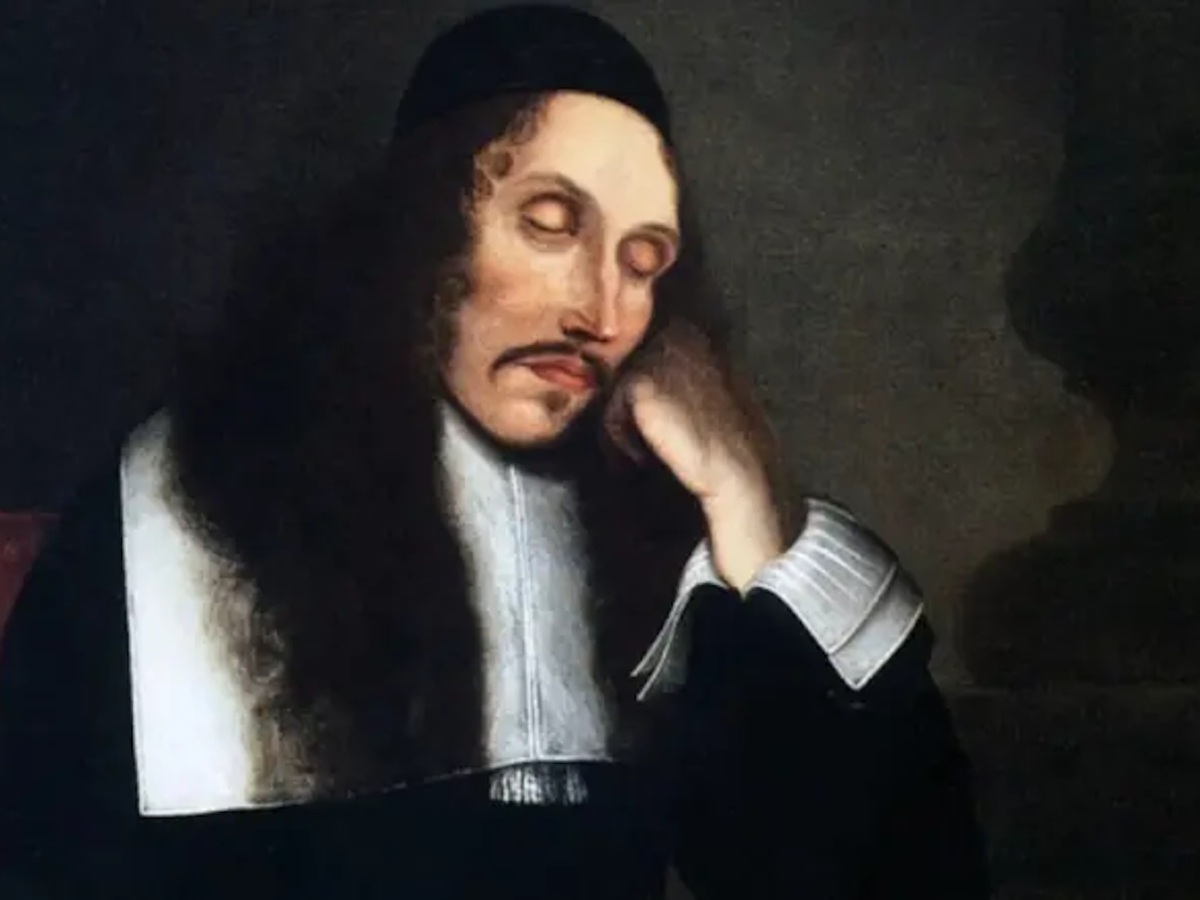
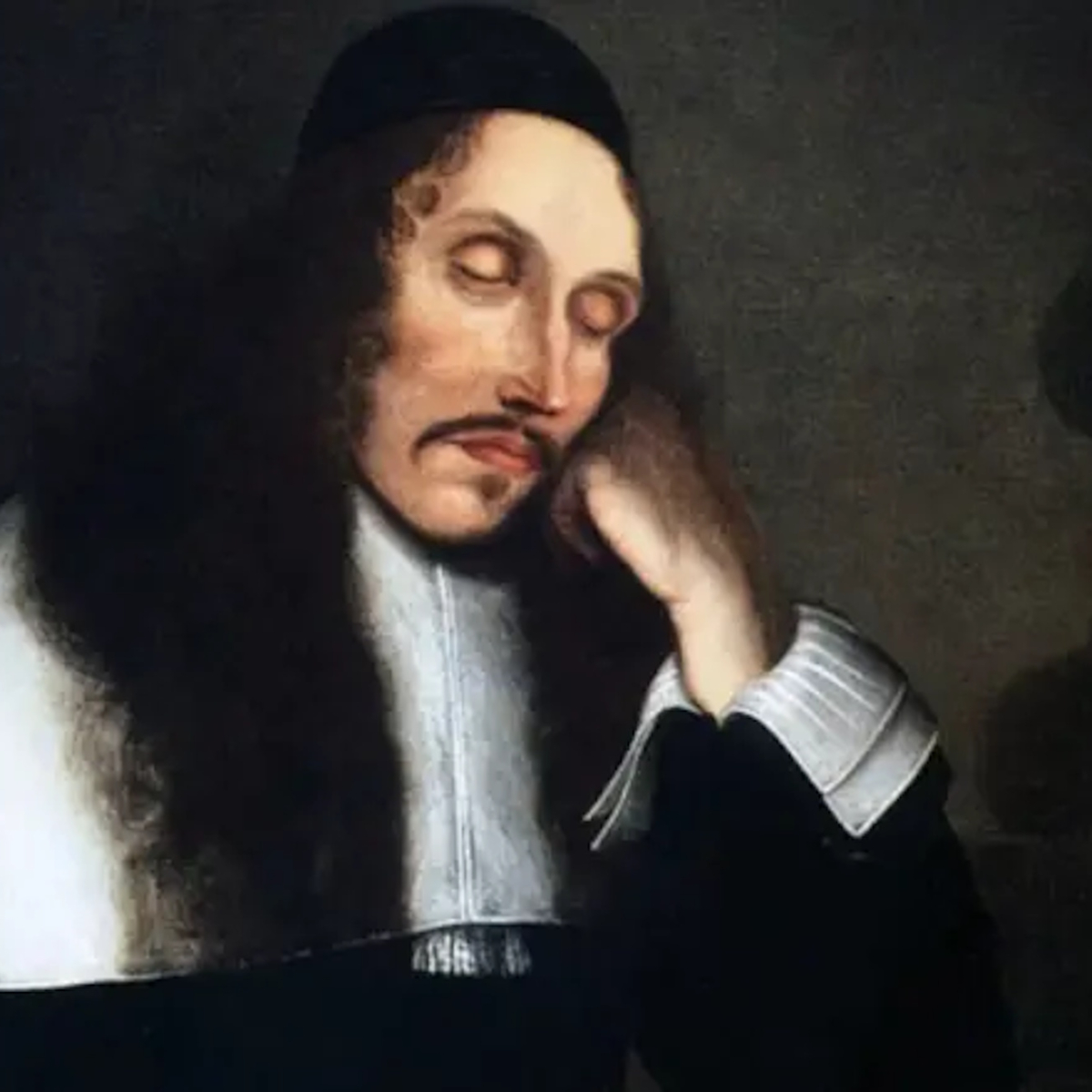
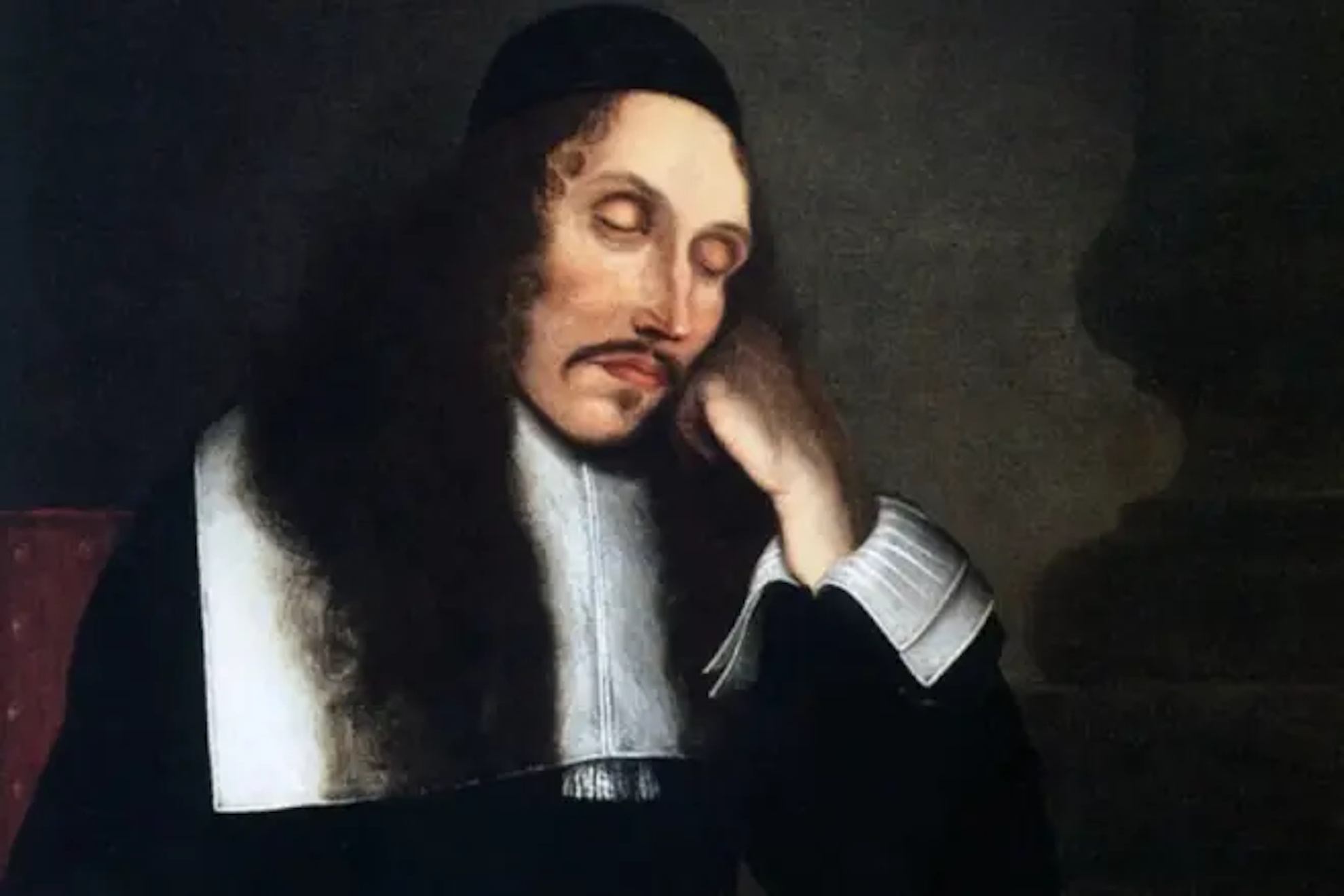
Baruch Spinoza, philosopher: "The human mind cannot be entirely destroyed with the body"
The search for meaning in life can find answers in Spinoza's reflection on knowledge, strengthening our ability to make decisions clearly in the face of anxiety and fear of failure.
The search for meaning in a chaotic world is a universal human difficulty . We often feel lost, as if our life lacks direction, and that discontent translates into a constant need for approval and a fear of making mistakes. This emotional conflict can lead to loneliness and frustration , trapping us in a cycle of anxiety about the future and in difficult relationships that fail to meet our expectations.
In the work "Ethics" , Spinoza argues that the human mind cannot be completely destroyed along with the body, suggesting that there is an enduring essence within us. This idea resonates with our daily experience , reminding us that, despite adversity, there is a light in our personal quest that transcends mere physical existence, a deep connection that can guide us toward a renewed purpose.
To understand self-censorship in academic or religious environments, the thought of Baruch Spinoza offers a particularly interesting perspective. His reflection on the freedom to philosophize argues that the right to question and criticize established beliefs without fear of reprisals is fundamental to the development of critical thinking and freedom of expression.
The human mind cannot be entirely destroyed with the body
The human mind and its relationship with the body according to Baruch Spinoza
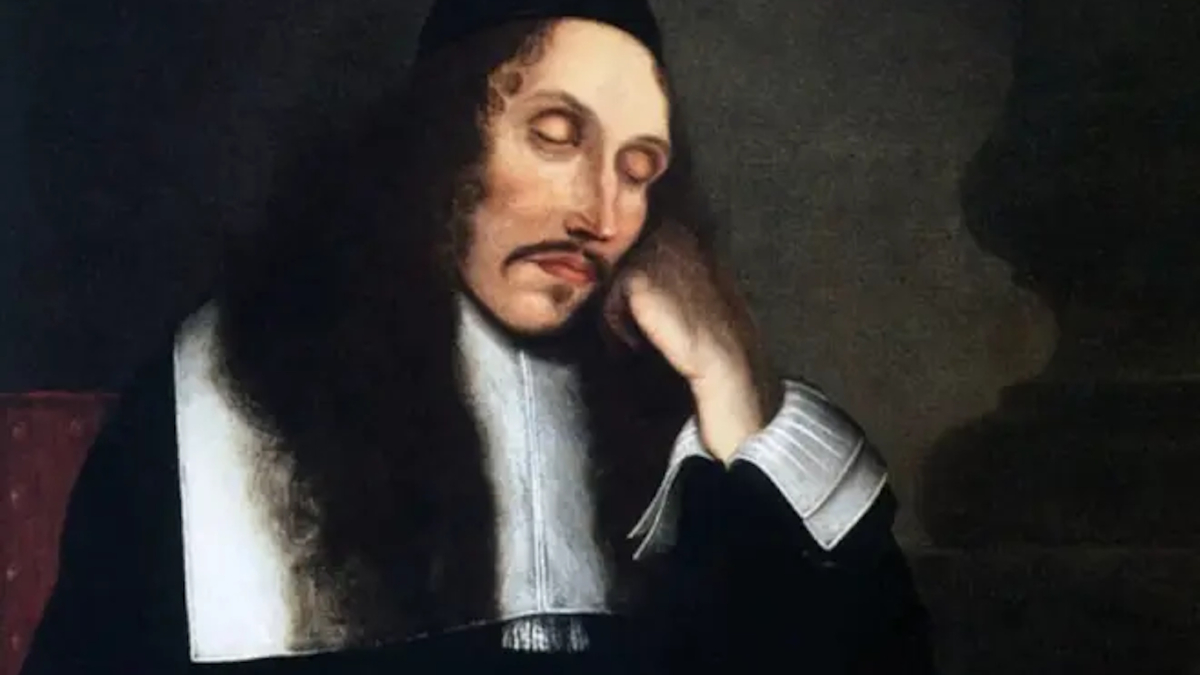
'Baruch Spinoza (1632-1677) was a Dutch philosopher of Sephardic origin, recognized as one of the great thinkers of the Enlightenment and of 17th-century rationalism. His most influential work, "Ethics", proposes a philosophical system that encompasses metaphysics, epistemology, and ethics , challenging traditional conceptions of religion and authority. Spinoza, who was excommunicated from the Jewish community for his critical ideas, defended freedom of thought and reason as guiding principles of human life. His intellectual courage and commitment to truth make him a relevant figure in the history of thought.'
Spinoza's thought is contextualized within a framework where reason and emotion are intrinsically connected. Through concepts such as conatus, which describes the tendency of every being to persevere in its existence, and the union of mind and body, Spinoza critiques René Descartes' Cartesian dualism . His pantheistic vision, in which God is identified with nature, challenges organized religion, suggesting that understanding the world should be based on reason and not on dogmas. Influenced by Stoicism, his work intertwines with political and ethical philosophy, positioning Spinoza as a pioneer of modern thought.