China's Great Green Wall could cover 88 million acres, but scientists warn it may not be enough
Decades of restoration have pushed back desertification, but preserving those gains remains a huge challenge.
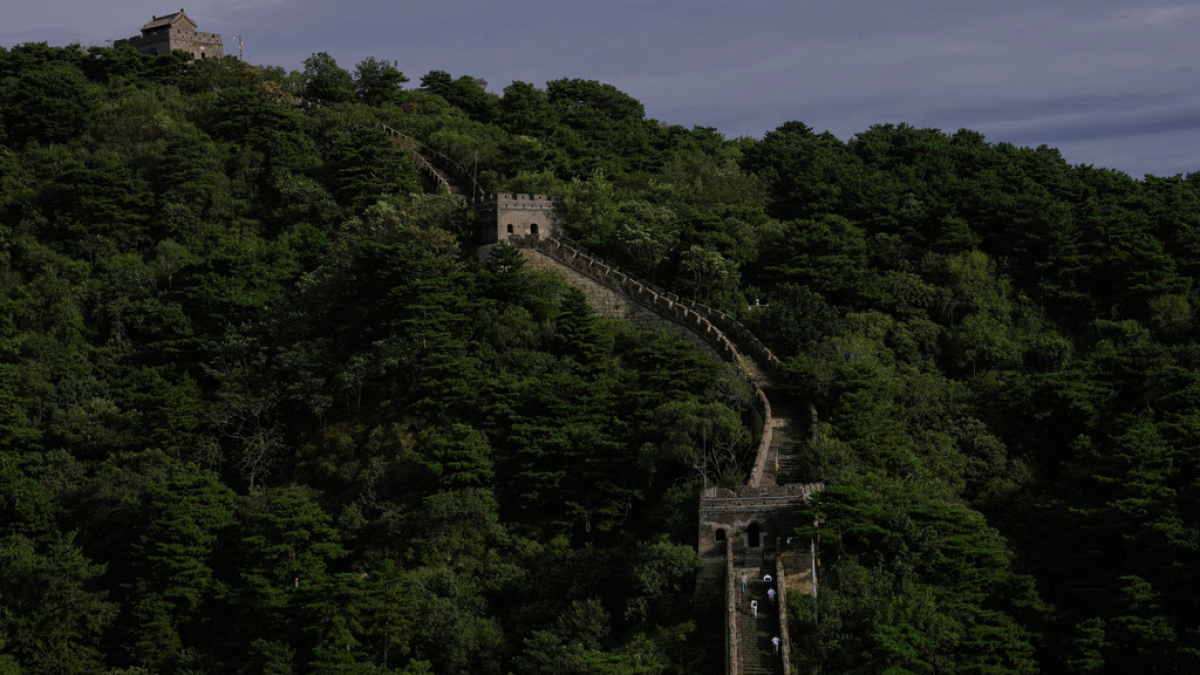
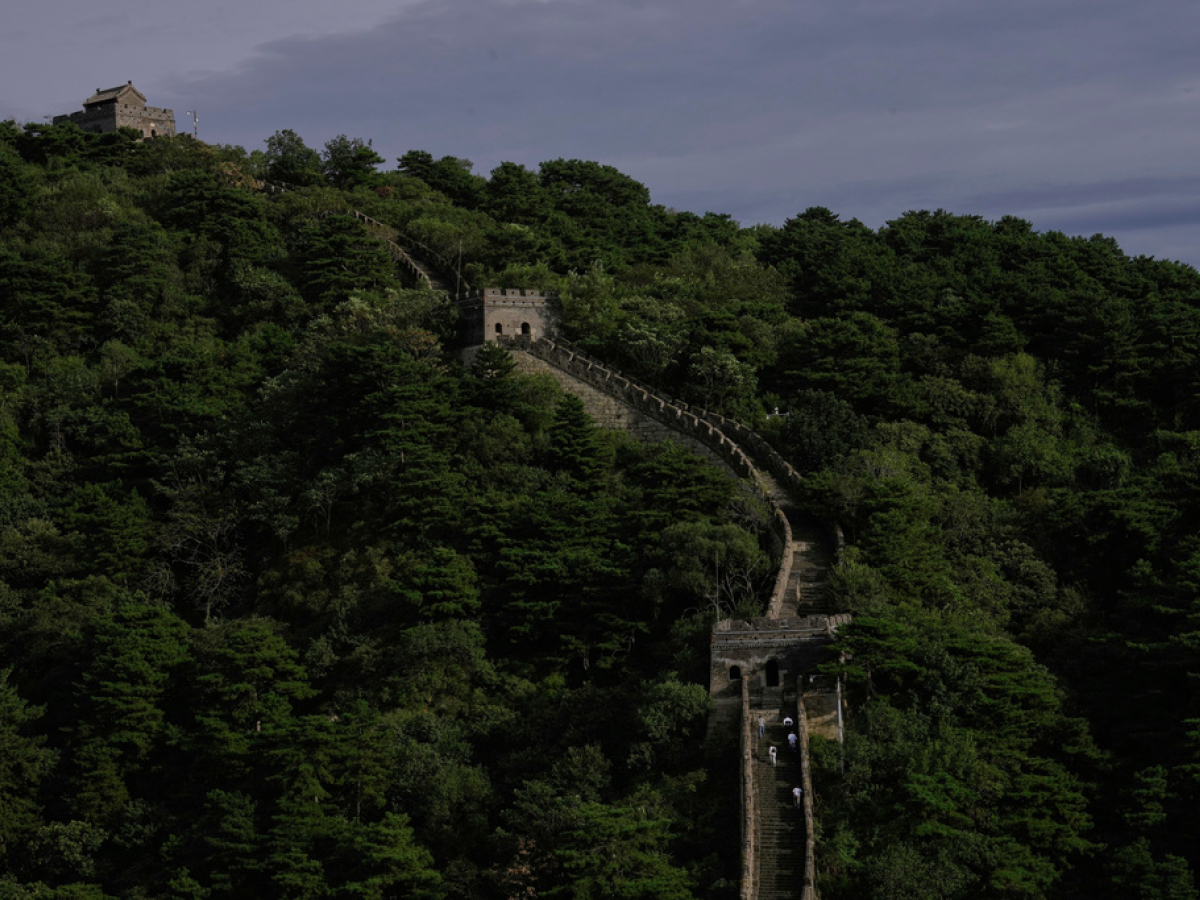
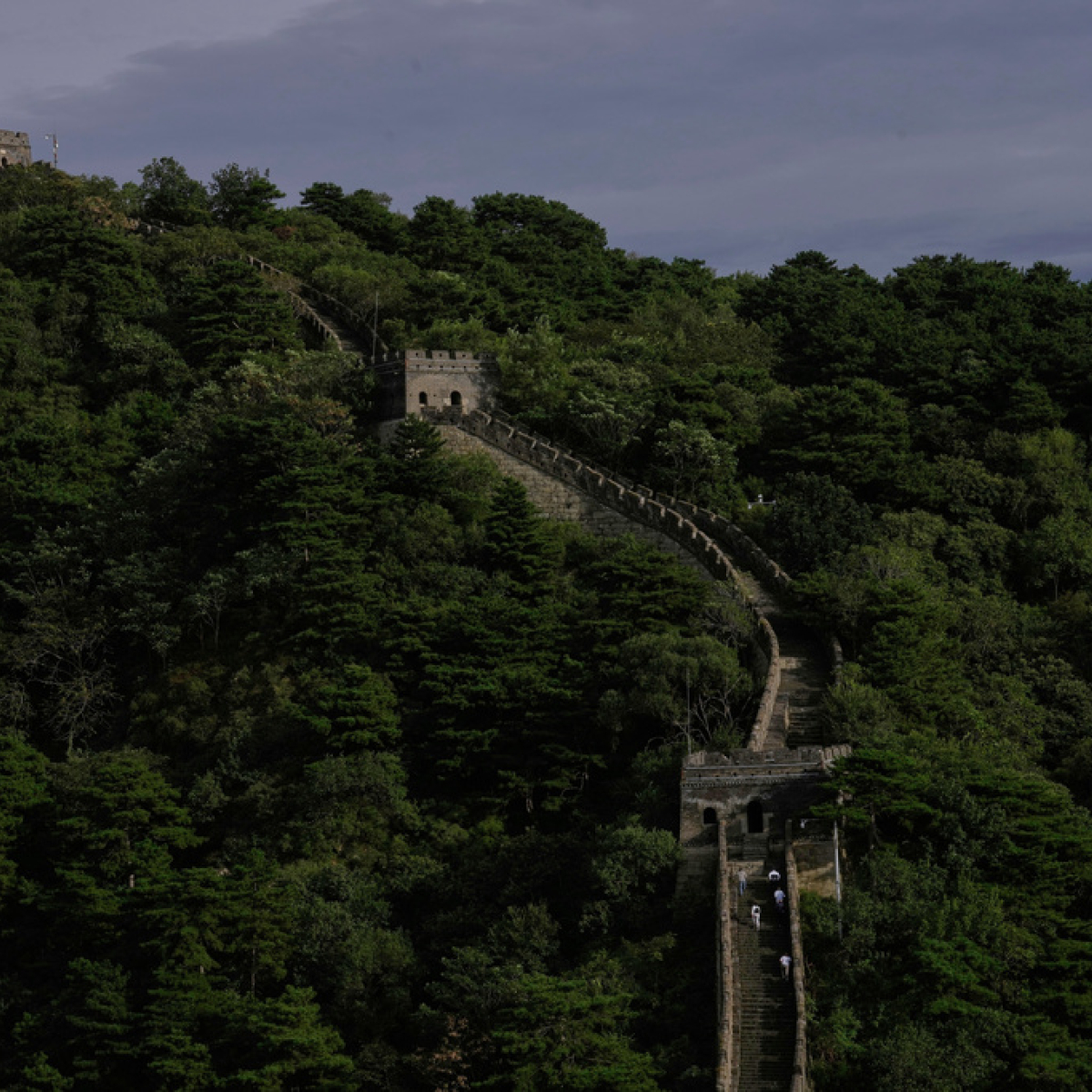
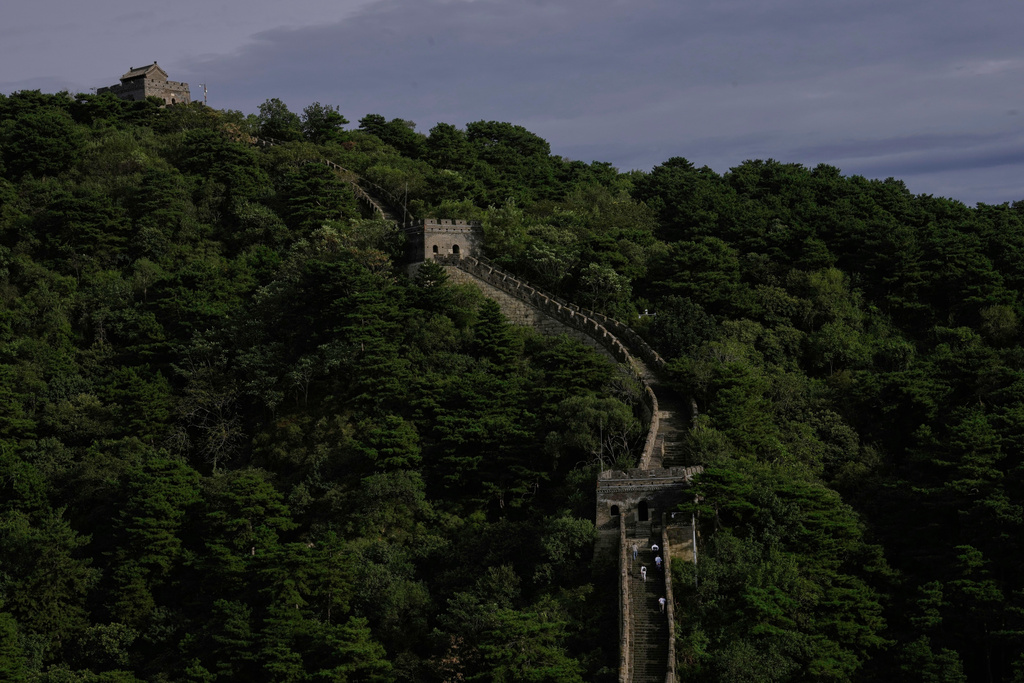
China has spent nearly half a century building one of the world's most ambitious environmental projects, creating a vast "Great Green Wall" intended to stop deserts swallowing productive land.
Officially known as the Three North Protective Forest Program , the project began in 1978 and is scheduled to continue until 2050.
By then, it is expected to encompass roughly 88 million acres of forest across northern China.
The results so far are significant. Government figures cited by The Independent indicate that forests planted through the program cover a cumulative 500,000 square kilometers, while China's desertified land has shrunk by around 10 percent overall since 2000.
"The broad significance of the Three-North Program is not only the scale of restoration, but the long-term political commitment behind it," Barron Joseph Orr , chief scientist for the U.N. Convention to Combat Desertification, said.
China's Great Green Wall has transformed huge areas
Forest cover across the program area increased from about 5 percent in 1978 to 14 percent in 2022.
Scientists have also recorded a decline of more than 40 percent in areas classified as severely or extremely desertified.
But Zhu Jiaojun of the Chinese Academy of Sciences warned that human intervention isn't the only reason conditions have improved.
"The achievement of desertification combat is due to people's hard work and a bit of luck with climate," Zhu said.
Increased rainfall in some regions has helped vegetation recover, while millions of workers have planted trees, maintained irrigation systems and built straw checkerboards designed to stabilize shifting sand.
Scientists warn the work can't simply stop
The bigger concern is whether those improvements can survive without decades more investment and maintenance.
Restored dryland ecosystems can eventually become more self-sustaining, but water availability, soil quality and careful monitoring remain crucial.
Zhu said the central question is what happens if the enormous level of human intervention is eventually reduced.
"This is what we are very concerned with and this is also the biggest challenge," he said.
China's experience also shows why planting trees alone isn't a global solution to desertification.
Africa's separate Great Green Wall project has restored millions of hectares, but funding shortages, political instability and extreme weather have slowed progress dramatically.
China has demonstrated that large scale restoration is possible.
What scientists aren't yet convinced of is whether those gains can endure without generations more work.