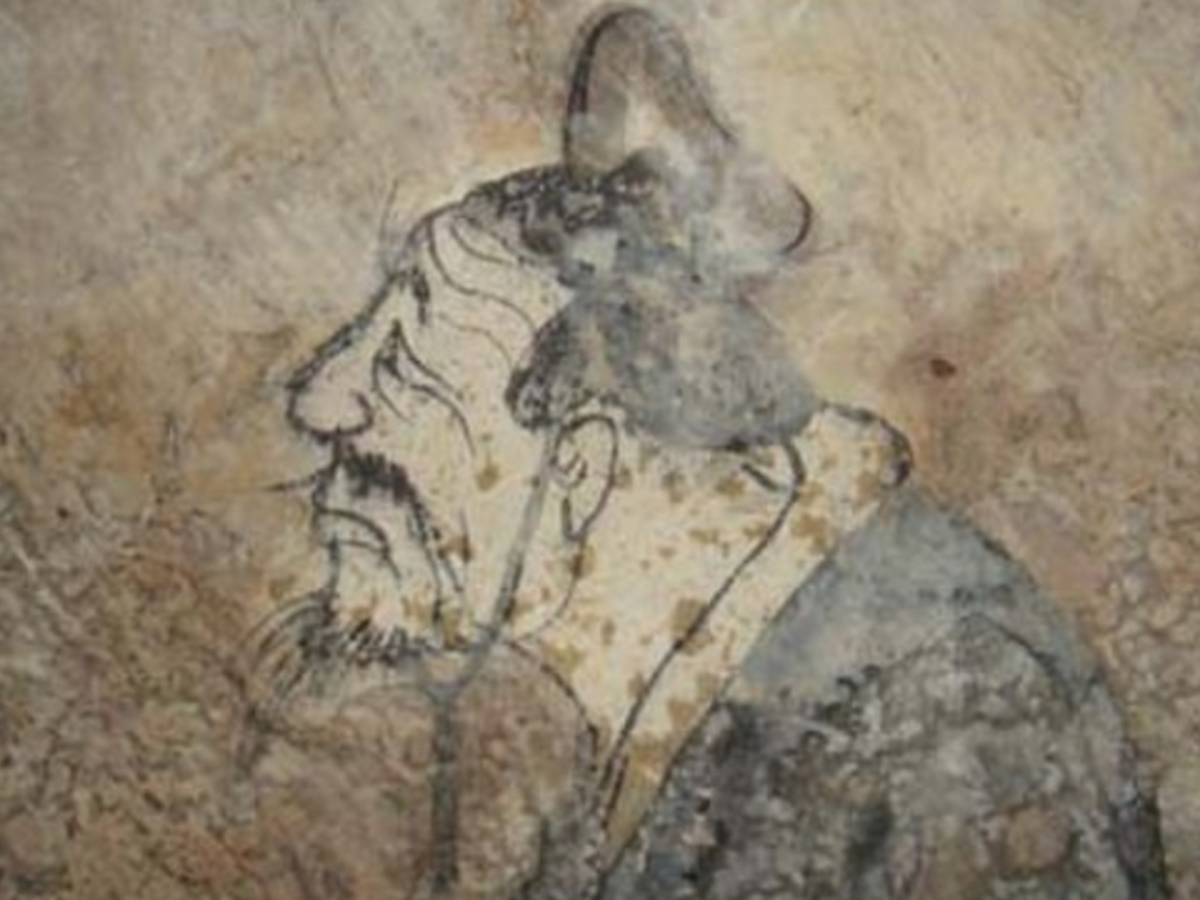
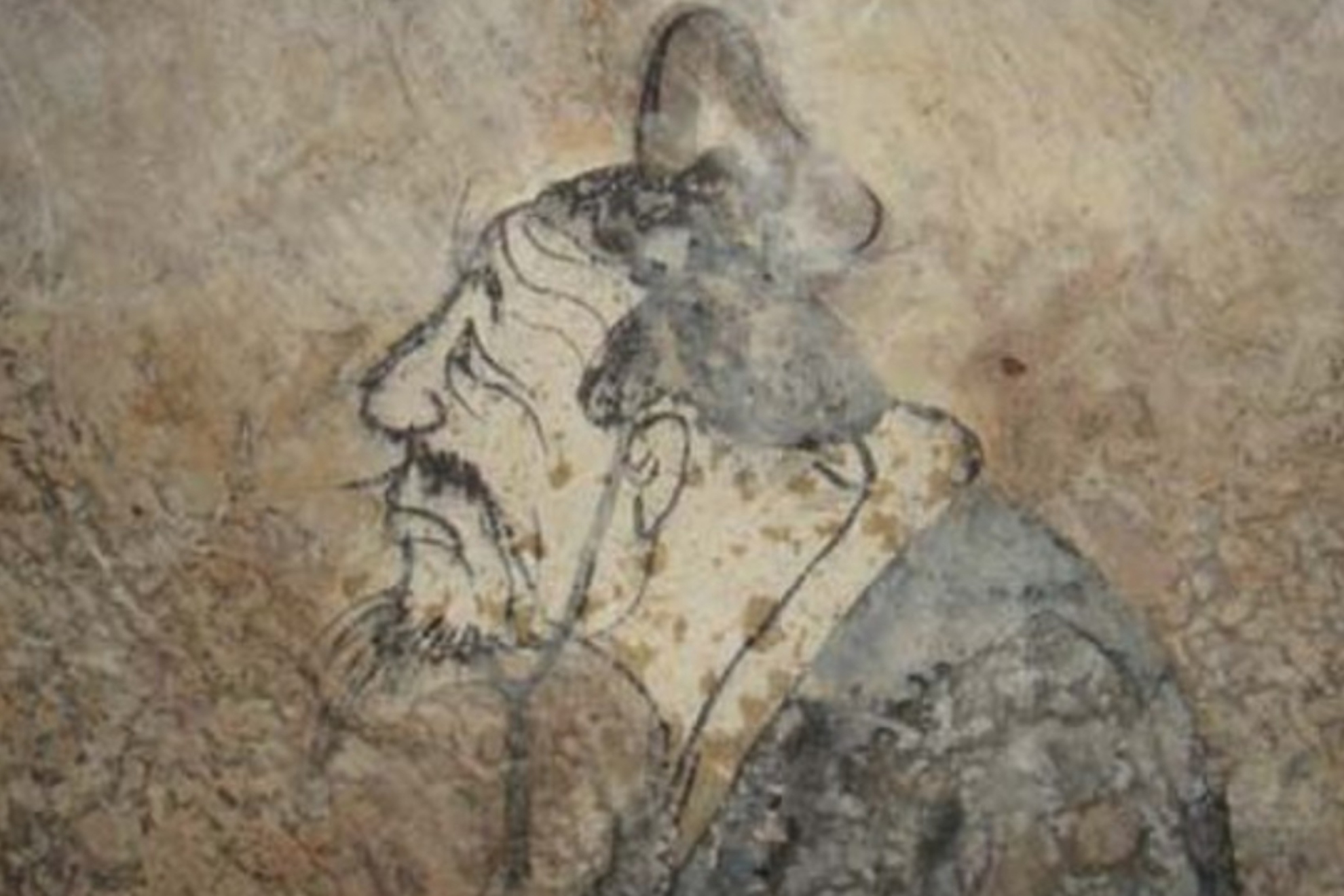
Confucius, philosopher: "If you already know what you have to do and you do not do it, then you are worse off than before"
Respect and ethics in governance can help us combat current corruption, especially in the face of citizens' distrust, through Confucius's reflection on good conduct.
"Confucius, through his work the Analects, offers us a critical view of human conduct, emphasizing respect and morality in relationships . His famous quote “If you already know what you have to do and you do not do it, then you are worse off than before” resonates in an era dominated by work pressure and hyperproductivity, where many struggle to meet unattainable expectations. This moral dilemma, heightened by uncertainty and the speed of everyday life, confronts us with the need to reflect on our actions and values.
In a contemporary context marked by individualism and consumerism, Confucian philosophy proposes a return to ethics and governance based on respect. The dilemma of acting with integrity in an environment full of stimuli and social comparisons highlights the relevance of Confucius's teachings. The ability to address these problems from an ethical perspective is essential in the pursuit of more harmonious and meaningful relationships in our daily lives.
If you already know what you have to do and you don't do it, then you are worse off than before
The philosophy of Confucius and his legacy in ethics and governance
Confucius, known as Kǒng Qiū, was a Chinese philosopher born in 551 BC in the state of Lu and died in 479 BC. He is known as the founder of Confucianism , a school of thought that highlights the importance of human relationships and ethics in governance. His impact on culture and society has endured for more than 2,000 years, making him a key reference on how to achieve good government based on virtue and morality.
Confucius's thought emphasizes benevolence, justice, loyalty, and respect for social hierarchy . Unlike other philosophical currents, such as Legalism, which focuses on control and strict rules, Confucius proposed an ethic centered on morality as the foundation for a harmonious society. Like Lao-Tzu, Confucius advocated benevolence and harmony, reflecting a shared pursuit of wisdom in their respective philosophies. Through his most influential work, "The Analects," he compiled teachings that underscore the importance of education and respect in cultivating healthy interpersonal relationships.