During 5 years, a diver placed 25,800 bags of concrete 6 meters underwater: he prevented the 170-meter Winchester Cathedral from collapsing
A legacy that endures to this day, receiving tributes annually
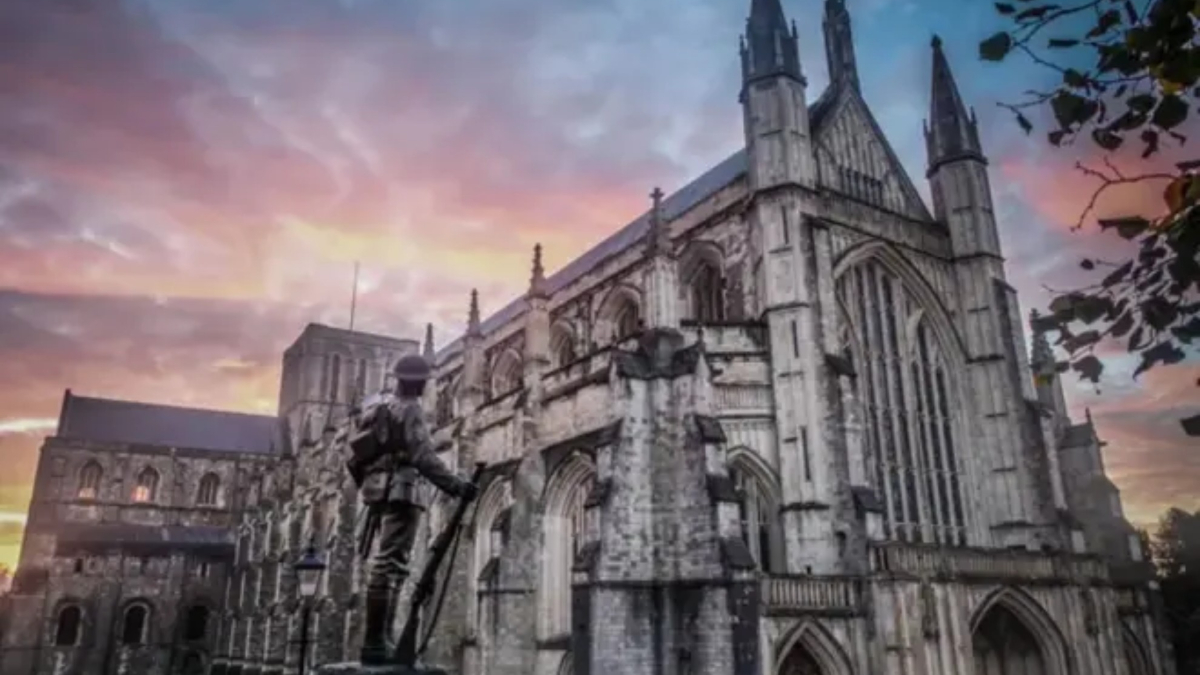
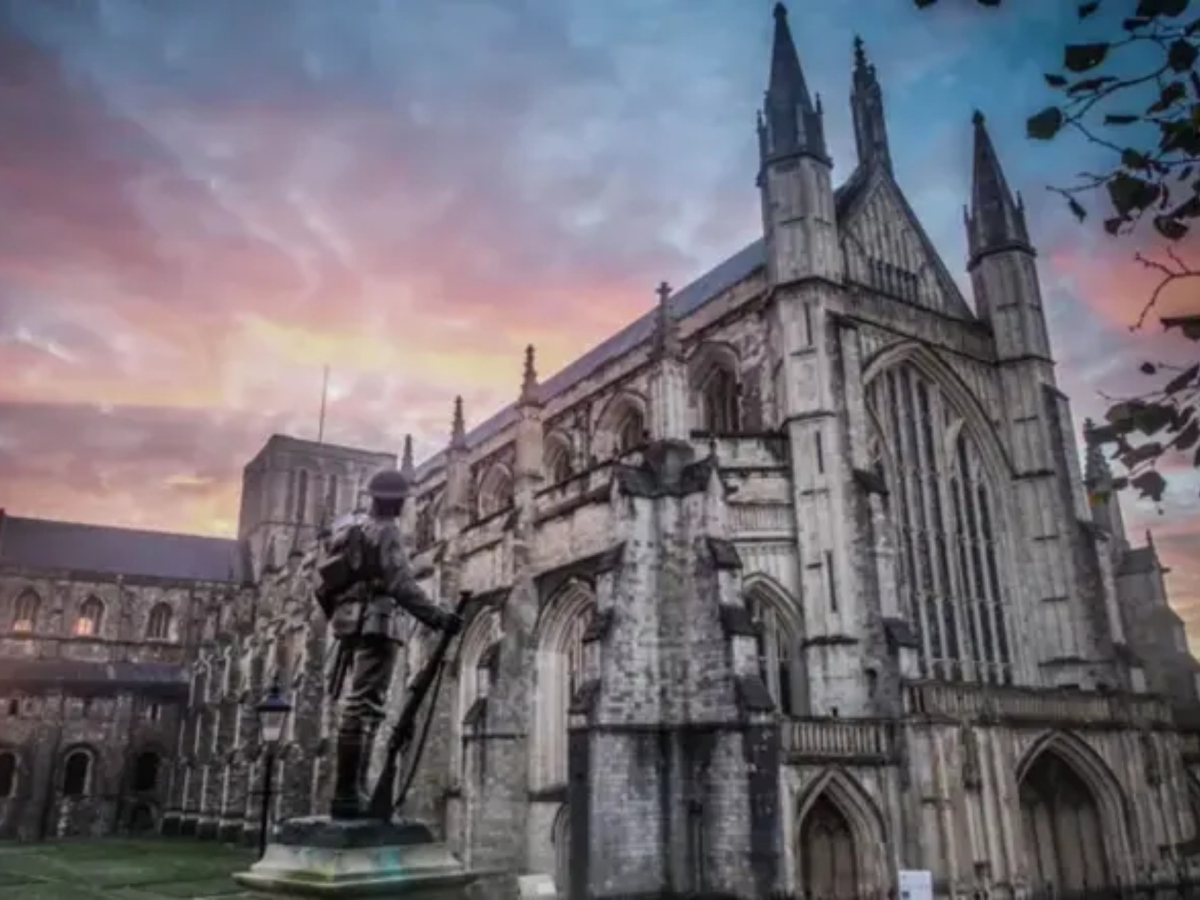
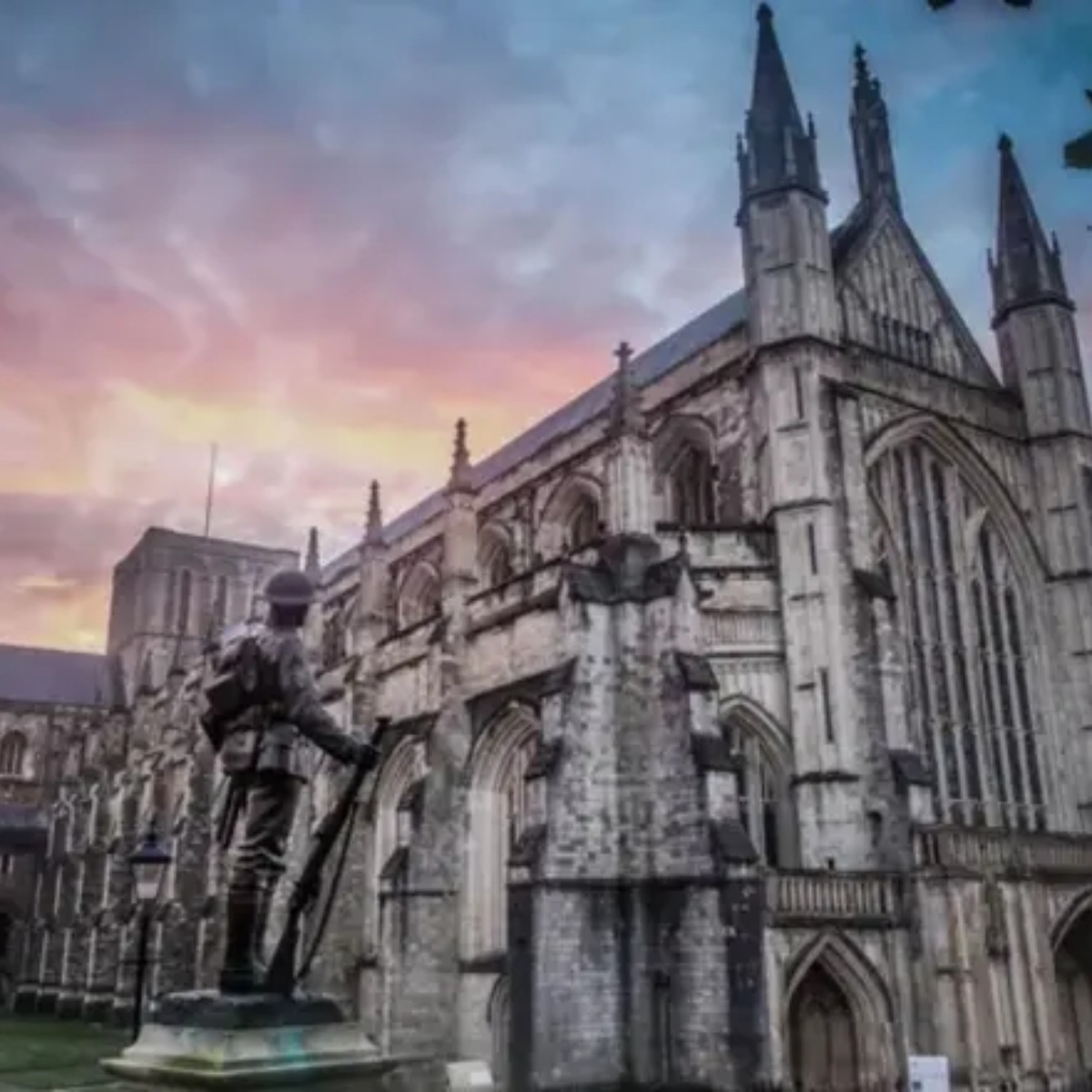
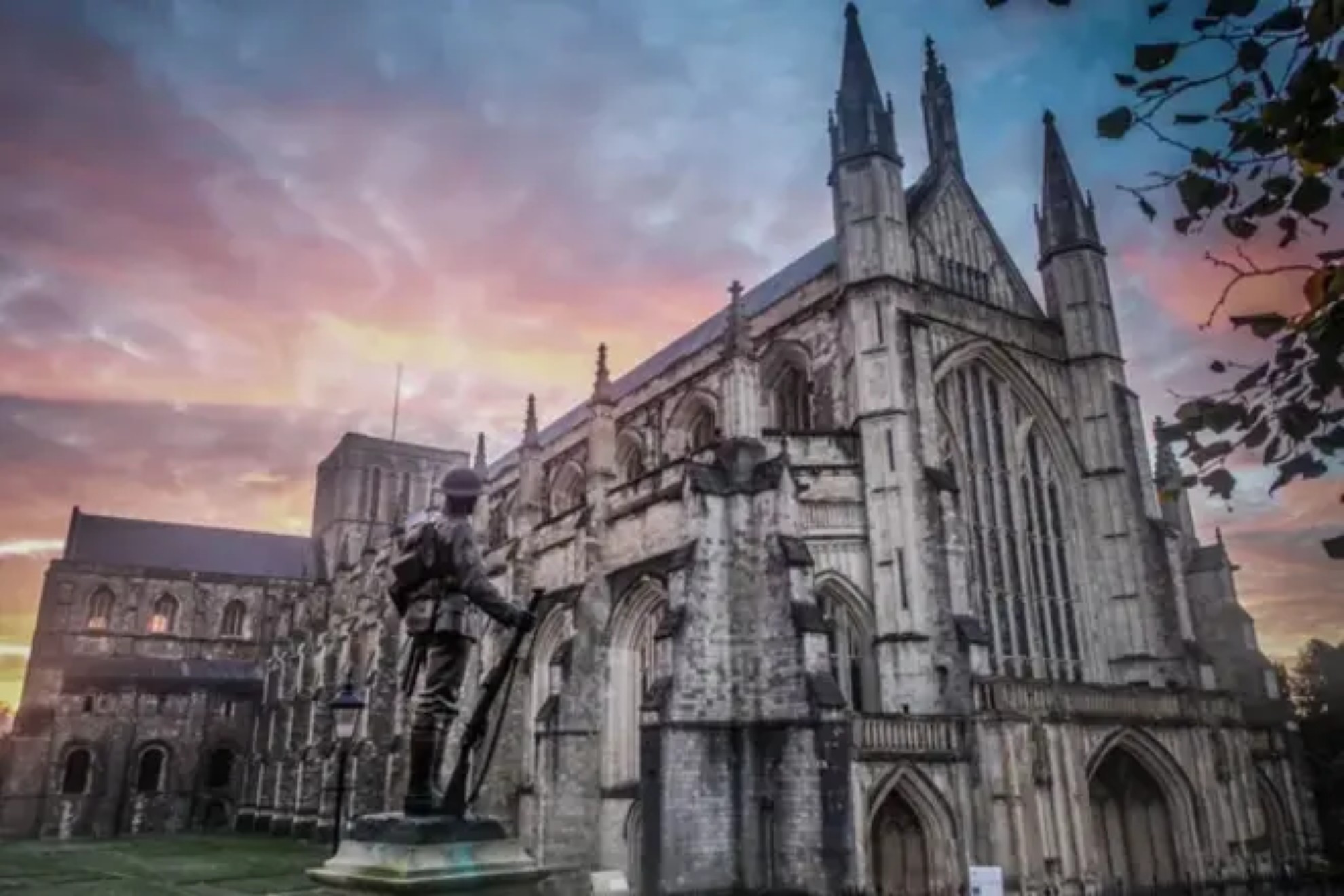
At the beginning of the 20th century, Winchester Cathedral , a Gothic structure 170 meters long, was threatening to collapse. Centuries after its construction, it was discovered that the ground on which it rested was a spongy peat soil that was gradually giving way, causing its walls to tremble and opening cracks in the masonry, which meant that it was only a matter of time before it eventually came crashing down.
A first idea was to try to dry out the ground to reinforce the foundations, but that was something that could directly destroy the foundations, since, by removing the water, the structure would weaken even further. It was then that the geologist Francis Fox proposed an option that had never been carried out before in history: to shield the submerged foundations without draining the area.
This is when the name of William Walker appears. Between 1906 and 1911, this British diver descended daily into a muddy pit six meters deep, wearing a heavy pressurized suit, in murky waters where visibility was nil, to solve the problem.
He worked solely by touch, but with his own hands he managed to place more than 25,800 bags of concrete , as well as thousands of bricks and structural blocks, in the cathedral’s foundations to prevent its collapse.
William Walker, the savior of Winchester Cathedral
His effort created a waterproof foundation that finally made it possible to pump out the remaining water and raise permanent retaining walls that last to this day. Walker not only secured the ground, he saved one of England's most iconic cathedrals from a tragic end.
Although he died years later a victim of the 1918 flu , Winchester still remembers the man who saved it, a legend that will last for eternity; in fact, he is honored annually, in addition to having several statues spread throughout the city.