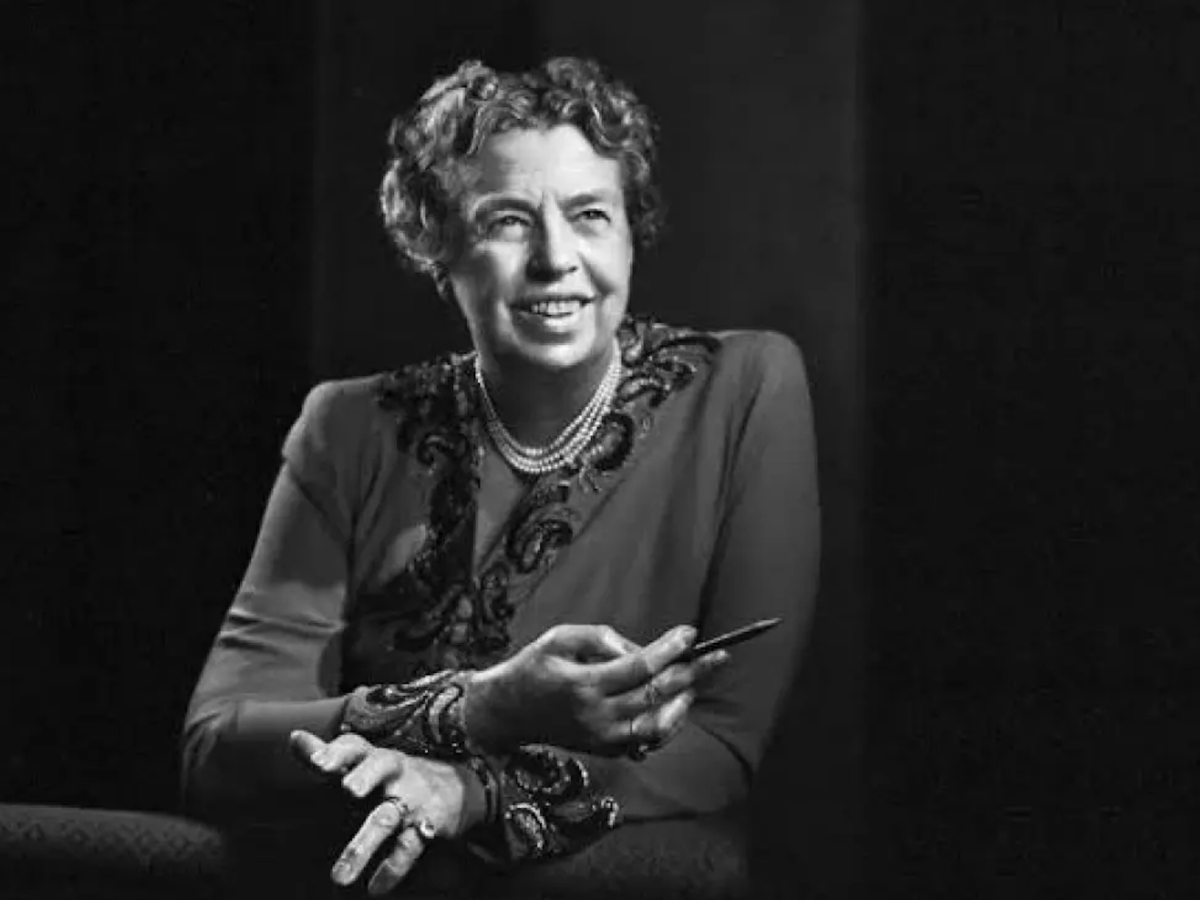
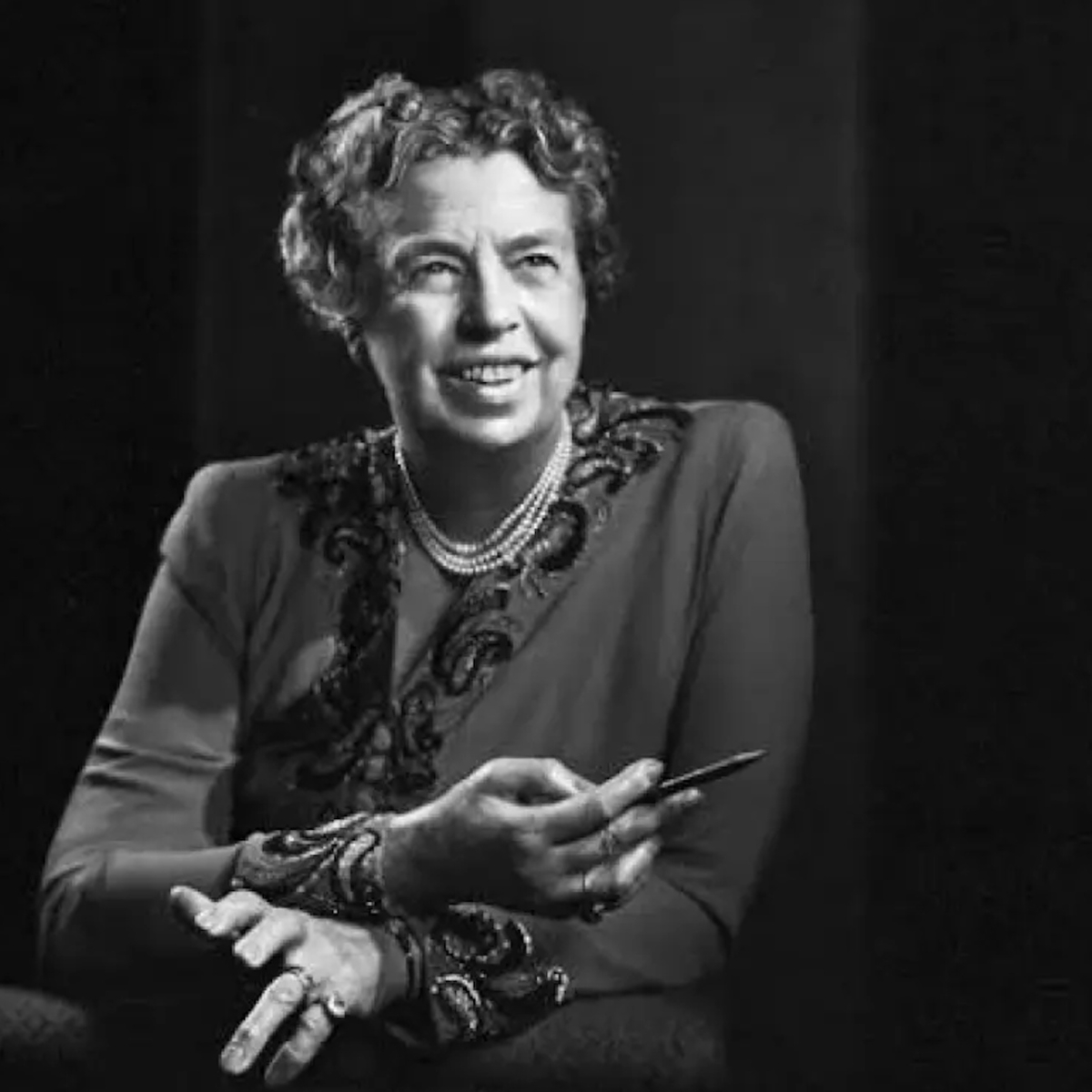
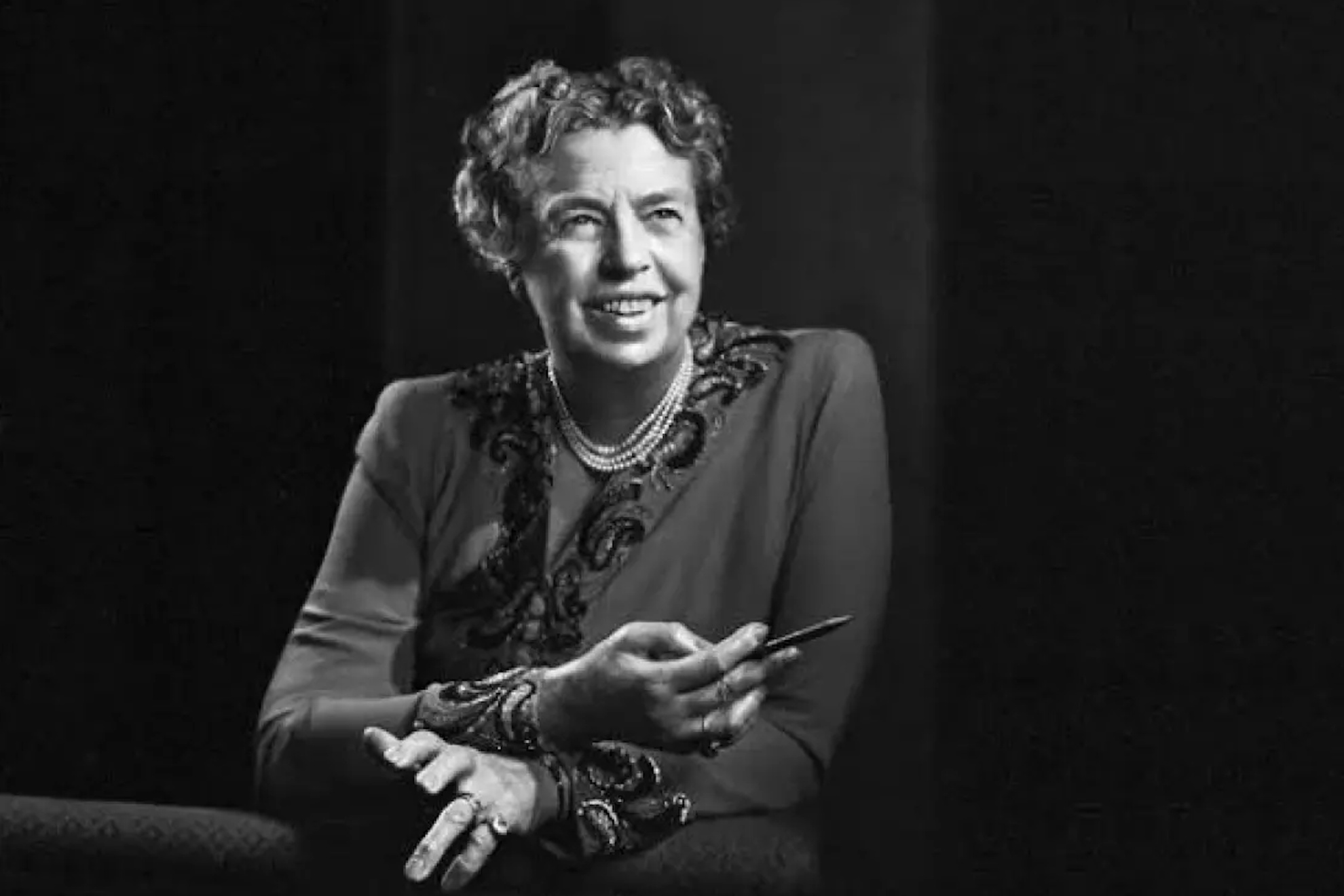
Eleanor Roosevelt, ruler: "Politics is not a game. It is the most solemn way to care for the destiny of men."
The reflection of the former First Lady of the United States vindicates the responsibility of political commitment
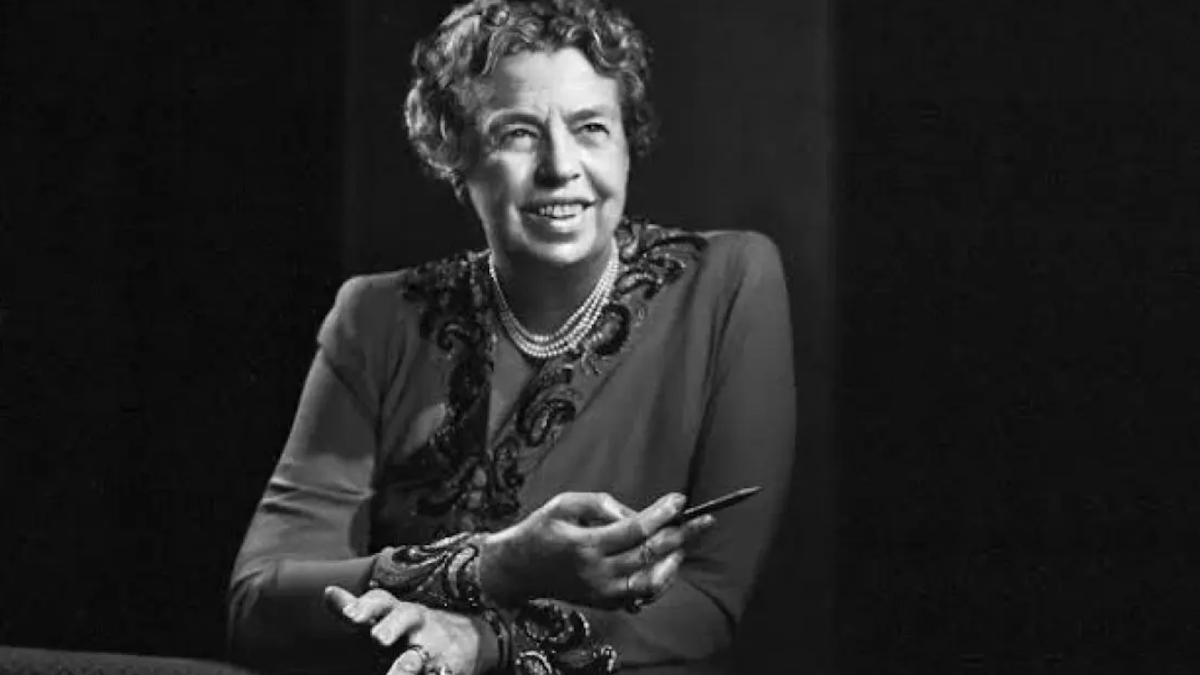
Politics is going through a moment in which confrontation, immediacy, and prominence are part of public debate. Here, Eleanor Roosevelt’s words reemerge, reminding us that the decisions made by public representatives have direct consequences for life in society. The reflection leads to the question: governing is not only about attaining power, but also about assuming the responsibility of exercising it while taking all citizens into account.
"As Roosevelt summed up that conception of power removed from partisan struggle, " Politics is not a game . It is the most solemn way of caring for the destiny of men." Throughout her career, she defended human rights and social justice as two principles with which she committed herself to public affairs (and which invite us today to recover a politics centered on people rather than on electoral results).
Political decisions and their impact on society
What happens in institutions has consequences that go far beyond parliamentary battles. Educational policies determine the opportunities of new generations; health decisions influence access to dignified care; economic measures affect the protection of the most vulnerable groups and the ability of families to cope with difficult situations.
This dimension turns politics into work to be done: it requires responsibility, preparation, and foresight. Both those who govern and those who serve in the opposition have a role to play in building solutions, but the rush for electoral gain can displace the necessary debate and prevent agreements that benefit the public.
The message also reaches civil society. Democratic participation does not stop at the ballot box; it continues through demanding transparency, monitoring institutional decisions, and respecting dialogue. An informed citizenry is needed so that public affairs do not degenerate into a succession of confrontations.
In summary, the reflection attributed to Roosevelt reminds us that we need to recover the common sense of politics: its purpose must be to improve living conditions, protect rights, and build a fairer society above particular interests and partisan disputes.